TALOS Powers Canada's First Humanoid Research Breakthrough
Robot Details
Talos • PAL RoboticsPublished
January 28, 2026
Reading Time
2 min read
Author
Origin Of Bots Editorial Team
Canada Ignites Humanoid Era
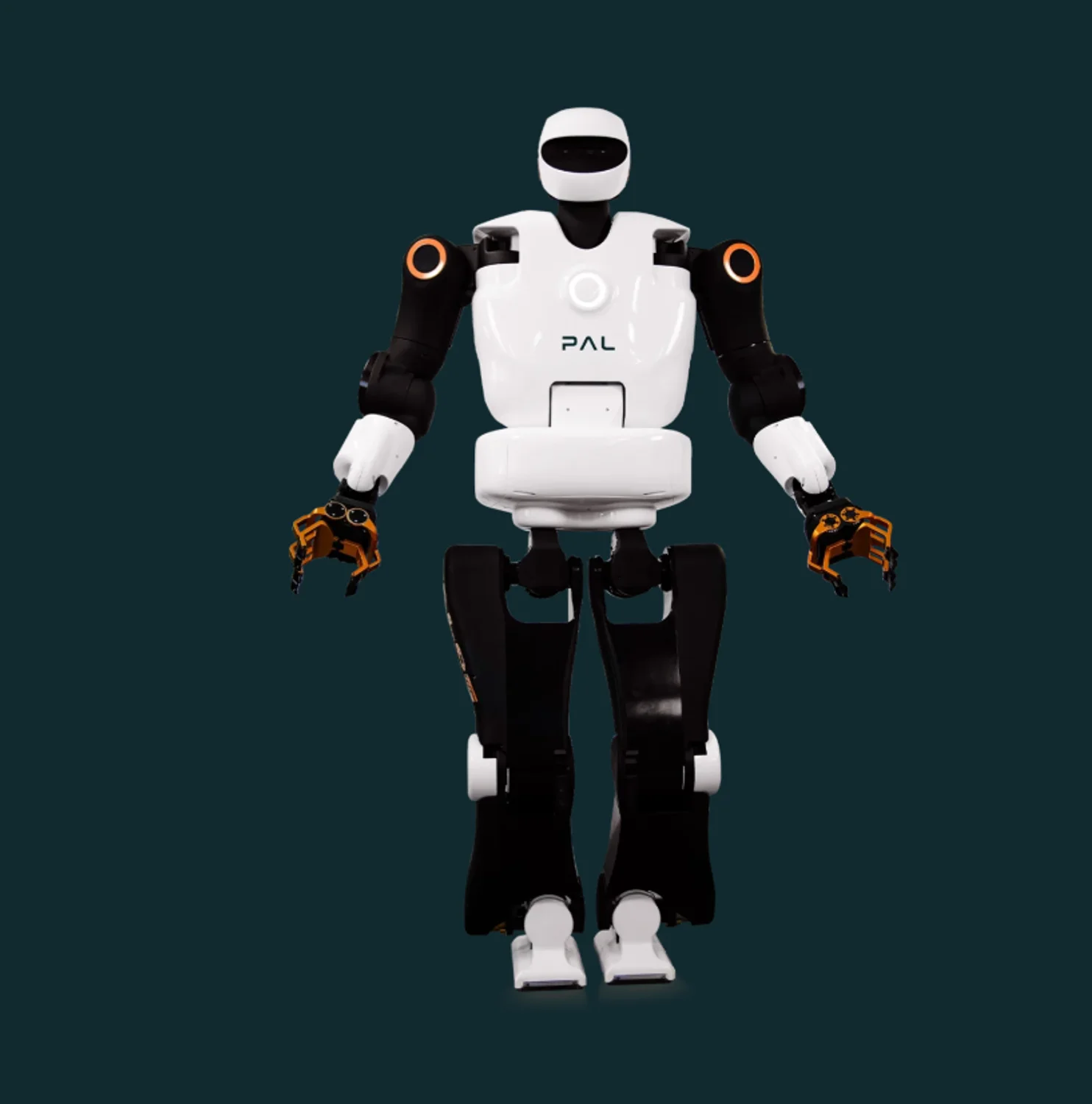
Canadian researchers have deployed PAL Robotics' Talos humanoid as the cornerstone of the nation's inaugural advanced robotics lab, marking a pivotal shift toward autonomous systems in harsh environments. Announced this week from a Toronto-based institute, the initiative leverages Talos to pioneer bipedal operations in mining and manufacturing simulations, addressing labor shortages amid economic pressures. This debut positions Canada at the forefront of North American humanoid innovation, with early tests demonstrating seamless integration into dynamic workspaces previously deemed too risky for humans.
Adaptive Interaction Unleashed
Talos redefines human-robot synergy through its EtherCAT protocol, enabling split-second responses to unpredictable movements in shared spaces. Unlike rigid industrial arms, this Barcelona-engineered platform anticipates human gestures via full-joint torque feedback, fostering collaborative workflows. Early Canadian trials showcase Talos handing off tools mid-motion or adjusting paths around workers, a leap that transforms factories from isolated automation zones into fluid partnerships.
Torque-Control Revolution
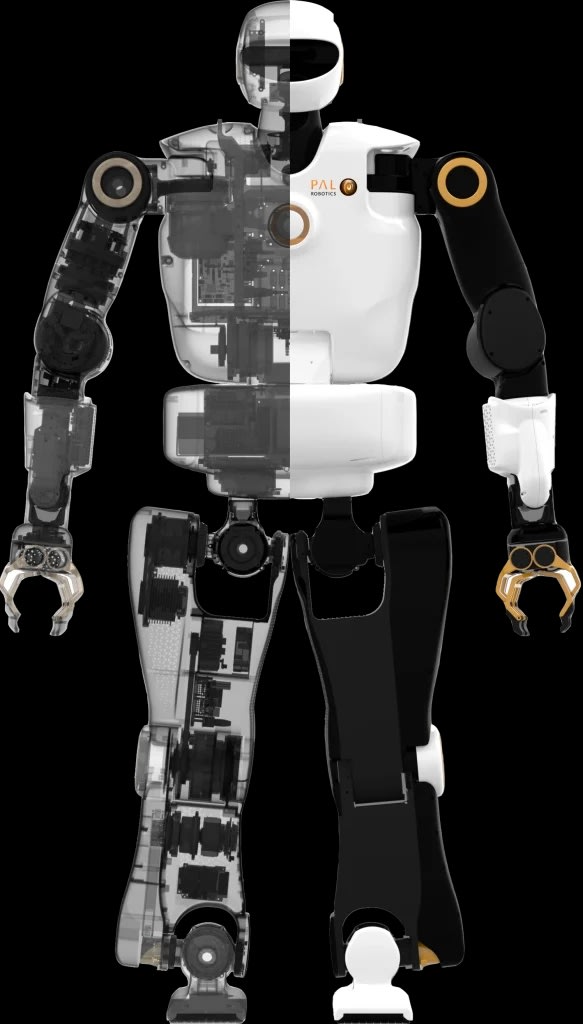
Engineers spotlight Talos' 2kHz torque control loop as the engineering linchpin, delivering unprecedented precision in force-limited operations. This real-time feedback from all joints outpaces competitors' latency, allowing the robot to drill or rivet with human-like finesse while detecting subtle collisions. Canadian teams hail it as a breakthrough for locomotion studies, where Talos navigates cluttered floors at stable speeds, upending traditional wheeled bots in unstructured terrains.
Factory Futures Transformed
In practical deployments, Talos tackles non-ergonomic tasks like precision assembly in automotive plants or package handling in logistics hubs, directly easing Canada's skilled labor crunch. Researchers envision it scaling to human interaction roles, such as training apprentices via text-to-speech guidance or operating alongside crews in oil sands facilities. These applications not only boost output but redefine safety norms, with emergency tether stops ensuring zero-risk coexistence.
Dexterity Enablers Revealed
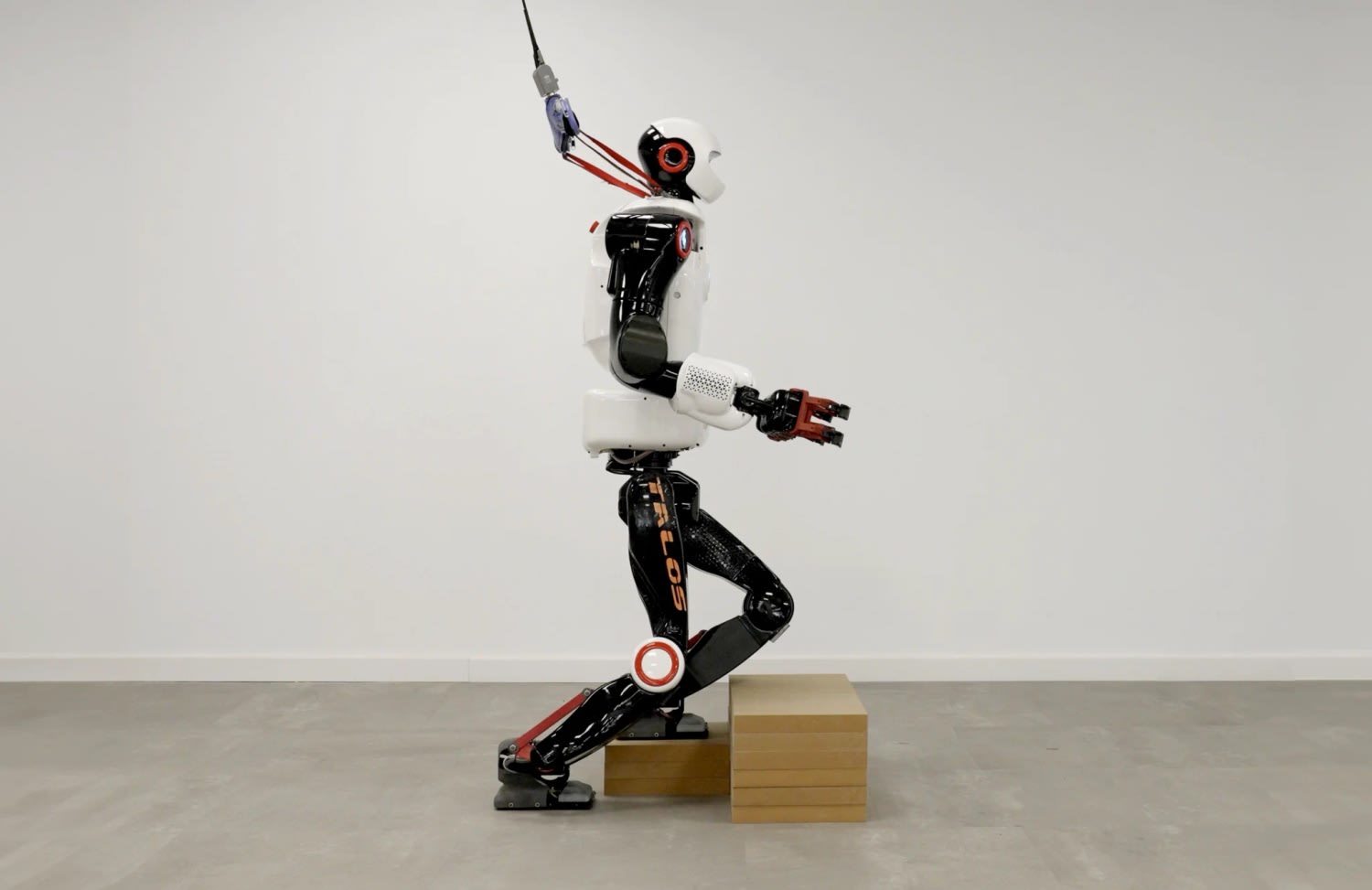
Talos' sensor suite empowers nuanced human-centric skills: RGB and depth cameras (1280x720 at 30fps, 640x480 at 30fps with 0.4-8m range) enable gaze-aware interactions, while four 6-axis force/torque sensors at ankles and wrists deliver delicate touch for collaborative handling. Full-joint torque sensing and 1kHz IMU support fluid bipedal walking at 3km/h, mimicking natural balance for extended assistance sessions. Running Ubuntu with ROS2 and MoveIt!, it sustains dexterity across 1.5-hour walks, ideal for prolonged human teaming in 175cm-framed mobility.
Rivals Head-to-Head
| Robot | Strengths over Talos | Talos Advantages | Weaknesses vs. Talos |
|---|---|---|---|
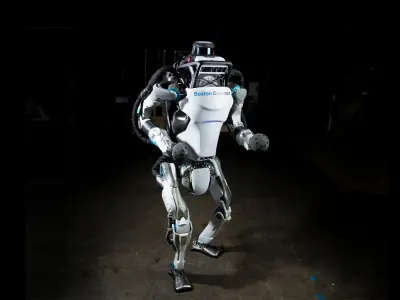
| Atlas | Superior dynamic flips, faster sprints | Full torque feedback all joints, industrial payloads | Less rugged for unstructured factories |
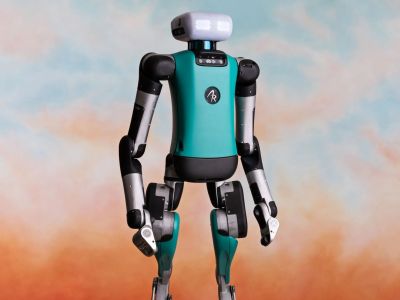
| Digit | Optimized warehouse logistics, higher speed | EtherCAT low-latency control, human interaction focus | Weaker arm dexterity for tools |
| Figure 02 | AI-driven learning, commercial scalability | 2kHz torque precision, customizable head/gripper | Shorter battery for walking tasks |
| Optimus | Mass production potential, cost efficiency | Bipedal research depth, force-limited safety | Emerging, unproven torque sensing |



Sources
Related Articles

Generative Bionics Ignites Physical AI Era with AMD-Powered GENE.01
Fourier's GR-3 Redefines Humanoid Robotics With Emotional Intelligence at Its Core
EIR Technology Unveils SkyWalker 2 with Tencent Cloud Integration
Disney Imagineering Evolves Stuntronics for Spider-Man Aerial Flips
Related Comparisons
Compare Talos with similar robots
Mirokaï vs TIAGo Pro
Mirokaï or TIAGo Pro? Compare specs, navigation, battery, and sensors.
Unitree G1 vs AgiBot X2-N
Compare Unitree G1 vs AgiBot X2 for humanoid mobility, dexterity, autonomy, and payload capacity.
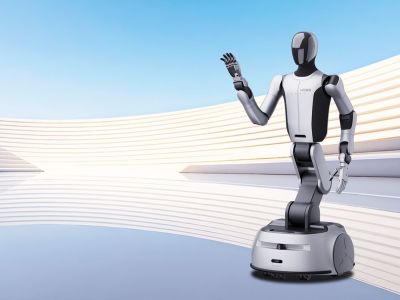
Walker C vs Cruzr S2
In-depth comparison of Walker C and Cruzr S2, covering hardware capabilities, teleoperation, and enterprise readiness.
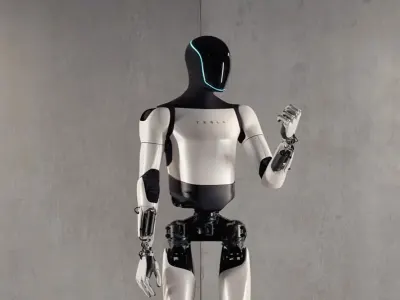
Figure 03 vs Optimus Gen 3
In-depth comparison of Figure 03 and Optimus Gen 3, covering hardware capabilities, teleoperation, and enterprise readiness.
Learn More About This Robot
Discover detailed specifications, reviews, and comparisons for Talos.
View Robot Details →