Kawasaki Kaleido 8.0 Redefines Collaborative Robotics with Force-Sensing Precision
Robot Details
Kaleido 8.0 • KawasakiPublished
January 28, 2026
Reading Time
3 min read
Author
Origin Of Bots Editorial Team
Industrial Partnership Reaches New Heights
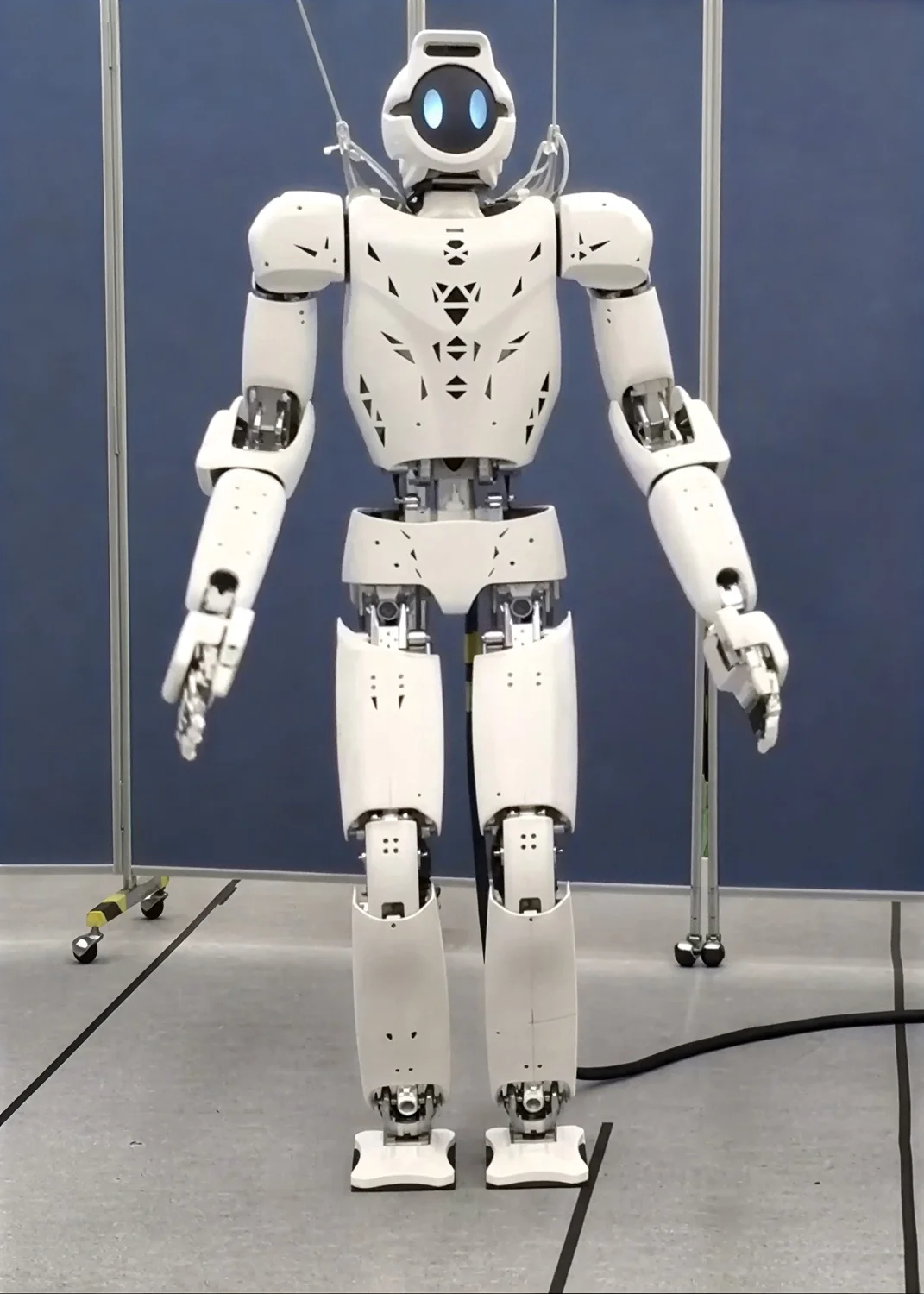
Kawasaki Heavy Industries has unveiled the Kaleido 8.0, a breakthrough in human-robot collaboration that fundamentally transforms how machines and workers interact on factory floors and disaster sites. The latest iteration introduces direct-acting motors in critical joints and enhanced force-sensing capabilities that enable the robot to work seamlessly alongside humans without predetermined scripts. This advancement marks a significant leap from previous generations, positioning Kawasaki at the forefront of adaptive automation technology designed for real-world complexity.
Force Sensing Changes Everything
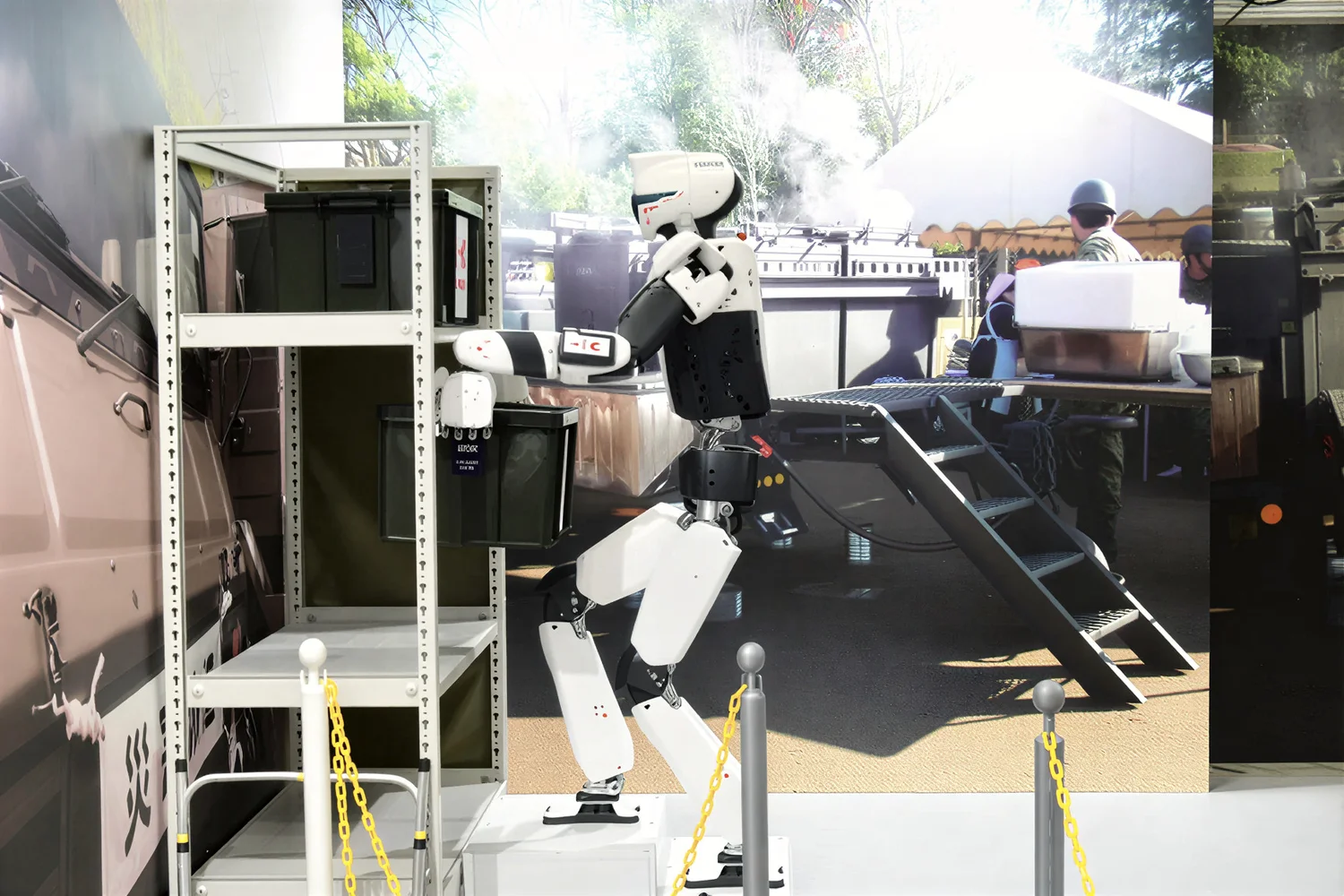
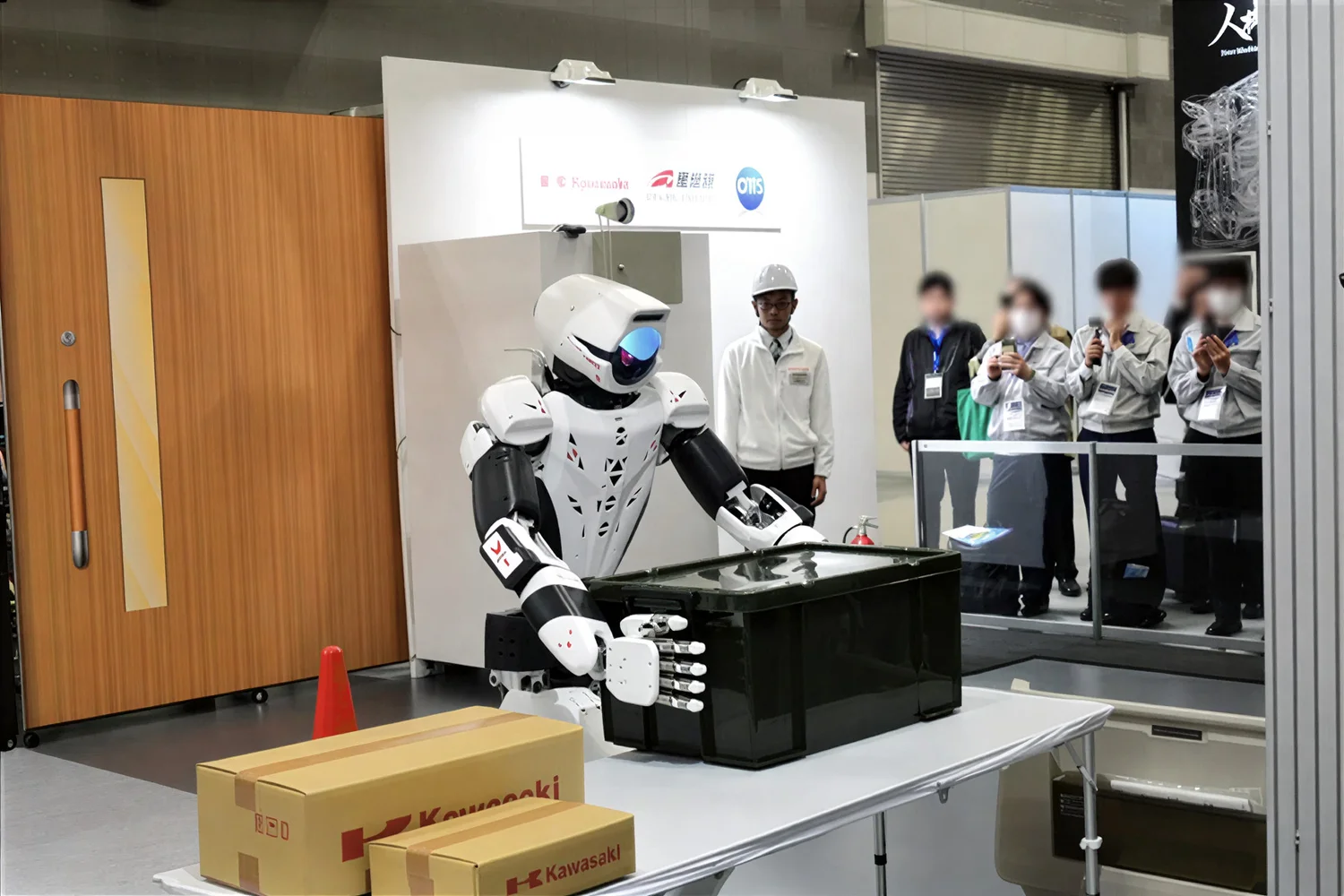
The Kaleido 8.0's most transformative feature is its network of force and torque sensors distributed throughout its structure, particularly in the elbow and waist joints. These sensors allow the robot to detect and respond dynamically to forces exerted by human collaborators, creating a genuinely responsive partnership rather than a programmed routine. During recent demonstrations, the robot successfully coordinated with humans to move heavy furniture, adjusting its grip and stance in real-time based on tactile feedback. This capability eliminates the safety barriers traditionally required between humans and industrial robots, opening possibilities for collaborative tasks previously deemed too risky or unpredictable.
Engineering the Adaptive Frame
Kawasaki engineered the Kaleido 8.0 with a sophisticated balance system featuring real-time foot correction that maintains stability even as environmental conditions shift. The robot's spherical monitor head displays dynamic facial expressions, transforming abstract machine movements into comprehensible intent signals that humans intuitively understand. Combined with advanced gyroscopic and accelerometer systems, these technologies enable the robot to navigate uneven terrain and adapt to changing loads without losing equilibrium. The integration of visual SLAM and LiDAR-based mapping gives the platform autonomous navigation capability, essential for deployment in disaster zones where infrastructure may be compromised.
From Factory Floor to Crisis Response
The Kaleido 8.0's design philosophy extends beyond manufacturing into high-stakes applications where human presence becomes dangerous. Kawasaki plans to integrate teleoperation and AI decision-making capabilities, enabling remote operation in disaster scenarios such as search-and-rescue missions or infrastructure inspection in contaminated environments. Manufacturing facilities benefit from the robot's ability to handle delicate assembly tasks requiring millimeter-level precision, while its bipedal locomotion allows navigation through spaces designed for human workers. The platform's flexibility across industrial equipment, sensors, and specialized tools positions it as infrastructure-agnostic, adapting to whatever mission-specific payload demands arise.
Skill Architecture Meets Industrial Demand
The Kaleido 8.0 stands 180 centimeters tall and weighs between 80 to 86 kilograms, matching adult human proportions and enabling navigation through standard doorways and workspaces. Its sensor suite includes RGB cameras, depth sensors, LiDAR, and proprioceptive systems that collectively create a rich understanding of physical space and object relationships. Walking speeds of 1.5 to 3 meters per second provide practical mobility for industrial environments, while the onboard battery system sustains multi-hour operation sessions. The robot runs a Linux-based operating system with ROS 2 support and Python SDK compatibility, allowing developers to rapidly prototype new behaviors and integrate custom industrial equipment. Force-limiting protocols and redundant sensor arrays ensure safety even during unexpected human contact, while the collision detection system automatically halts movement when obstacles appear.
Versus Rivals Breakdown
| Robot | Strengths over Kaleido 8.0 | Kaleido 8.0 Advantages | Weaknesses vs. Kaleido 8.0 |
|---|---|---|---|
| Optimus | Superior end-to-end learning from vision; advanced dexterous hand manipulation | Force-sensing collaboration; proven disaster-response design; teleoperation-ready architecture | Limited real-world deployment data; less emphasis on human coexistence scenarios |
| Atlas (Electric Atlas, 2025) | Exceptional parkour and dynamic movement; extreme terrain capability | Purpose-built for human collaboration; industrial-grade force feedback; proven manufacturing integration | Atlas optimized for mobility over manipulation; higher operational complexity |
| Figure 02 | Advanced arm dexterity; emerging AI reasoning capabilities | Mature force-sensing ecosystem; battle-tested in production environments; proven safety protocols | Figure-02 still in development phase; limited commercial deployment history |
| Punyo | Compact mobile base; optimized for domestic/service tasks | Industrial-grade payload handling; superior joint torque feedback; designed for hazardous environments | HSR lacks bipedal locomotion; limited to wheeled navigation; weaker disaster-response profile |
Explore Humanoids



Related Articles
Fourier's GR-3 Redefines Humanoid Robotics With Emotional Intelligence at Its Core
EIR Technology Unveils SkyWalker 2 with Tencent Cloud Integration

Disney Imagineering Evolves Stuntronics for Spider-Man Aerial Flips
TALOS Powers Canada's First Humanoid Research Breakthrough
Related Comparisons
Compare Kaleido 8.0 with similar robots

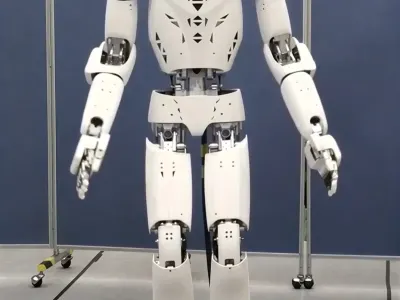
Agibot A2 Lite vs Kaleido 8.0
Head-to-head: Agibot A2 Lite vs Kaleido 8.0. Explore differences in speed, dimensions, weight, sensors, and navigation capabilities.
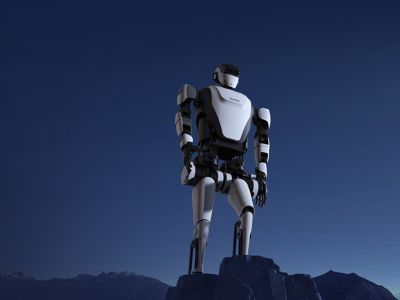
KUAVO-MY vs Kaleido 8.0
Compare KUAVO-MY and Kaleido 8.0. Detailed analysis of speed, sensors, navigation, and battery life.
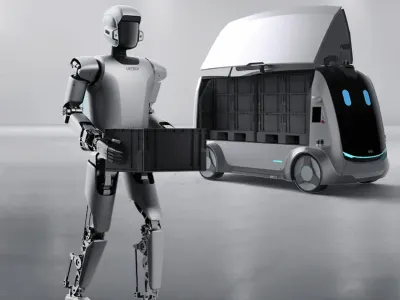
Walker S1 vs Kaleido 8.0
Compare Walker S1 and Kaleido 8.0. Detailed analysis of navigation, battery, sensors, and mobility.
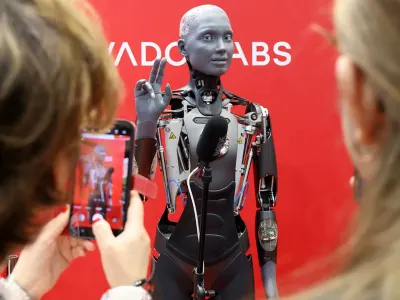

Ameca vs Moya
Which humanoid robot is better? Ameca vs Moya compared for dexterity, AI capabilities, and price.
Learn More About This Robot
Discover detailed specifications, reviews, and comparisons for Kaleido 8.0.
View Robot Details →