Kawasaki
Kawasaki Heavy Industries is a Japanese engineering group, founded in 1896 and headquartered in Tokyo and Kobe, that makes motorcycles, aircraft components, ships, rail cars, energy systems and industrial robots. Led by president and chief executive Yasuhiko Hashimoto, Kawasaki built Japan's first industrial robot in 1969 and remains one of the world's major robot makers. Kawasaki began developing its Kaleido humanoid in 2015 as a robust humanoid platform able to take falls and work in harsh conditions. Kaleido made its public debut at iREX 2017, walked untethered on battery power in 2019 and achieved stable walking with real-time footstep adjustment in 2023. The ninth-generation Kaleido 9, shown at iREX 2025 in Tokyo, stands 190 cm tall, weighs 99 kg and uses LiDAR and stereo cameras for 3D mapping, demonstrating disaster rescue tasks. Kawasaki also develops the Friends series, slimmer humanoids with soft, curved lines for caregiving and daily-life assistance, first introduced in 2021.
💡Notable Achievement: Kawasaki began developing Kaleido in 2015 and showed the ninth generation, 190 cm tall and 99 kg, at iREX 2025.
What Does Kawasaki Do?
Kawasaki Heavy Industries is a Japanese engineering group that built Japan's first industrial robot and has developed the Kaleido humanoid since 2015.
“A heavy-industry giant building rugged rescue humanoids.”
Kaleido
Debuted at iREX 2017, walked untethered in 2019 and reached its ninth generation at iREX 2025.
Friends Series
Slimmer humanoids for caregiving and daily-life assistance, introduced in 2021.
Robot Heritage
Kawasaki built Japan's first industrial robot in 1969.
What Can Kawasaki Robots Actually Do?
Cross-portfolio operational capabilities, manipulation tasks, and environmental competencies
Robust humanoids for rescue and harsh environments.
Disaster Rescue
Kaleido 9 demonstrated rescue tasks such as clearing obstacles.
VR Teleoperation
Can be controlled remotely with a VR headset.
Kawasaki Robots & Robot Dogs
Showing 2 Humanoid Robots of 5 total models

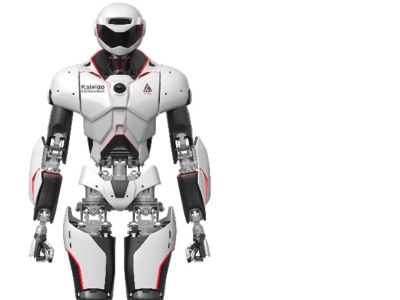
Kaleido 9
By: Kawasaki
Launched: 2026
Kaleido 9 is the ninth generation of Kawasaki's humanoid robot, shown to the public in 2026 after research that began in 2015. Kawasaki redesigned the legs of this model so the robot can stay upright and recover when it is pushed or loses its footing, one of the weak points of earlier humanoids. It walks on its own by mapping its surroundings with LiDAR, and an operator can also control it remotely through a head-mounted display. Kawasaki shows it together with Kaleido Station, a wheeled platform that carries the robot between work sites. The company describes a long plan that runs to 2030, 2040 and 2050, with disaster response as one of the goals for people and robots working side by side in dangerous places.
Kaleido 8.0
By: Kawasaki
Launched: 2023
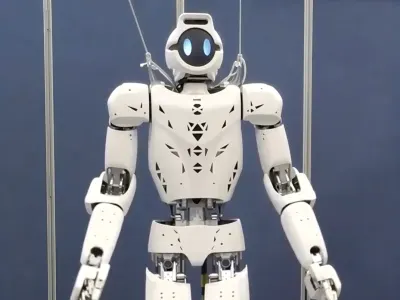
Kaleido 8.0 is the eighth generation of Kawasaki Heavy Industries' Kaleido humanoid, part of its Robust Humanoid Platform programme for robots that can work in tough real-world conditions. The 180 cm biped weighs 80 to 86 kg; version 8 added direct-drive motors in the waist and elbows for durability and a head projector that shows facial expressions, and at iREX 2023 it demonstrated tasks on a stage set up as an evacuation centre.
Kawasaki Timeline & Milestones
Evolutionary history, landmark prototypes, major acquisitions, and commercial roadmap
Kaleido humanoid development begins
Kawasaki begins developing Kaleido, a robust humanoid robot platform, building its first prototype.
Source: kawasakirobotics.com
Kaleido public debut at iREX 2017
Kawasaki gives Kaleido its first public showing at the iREX 2017 International Robot Exhibition in Tokyo.
Source: kawasakirobotics.com
Untethered battery-powered walking
Kaleido completes its first fully untethered walking demonstration using an onboard battery.
Source: kawasakirobotics.com
Friends humanoid series introduced
Kawasaki introduces Friends, a slimmer humanoid series designed for caregiving and daily-life assistance.
Source: kawasakirobotics.com
Stable walking with real-time footstep adjustment
Kaleido achieves stable walking with real-time footstep adjustment.
Source: kawasakirobotics.com
Kaleido 9 shown at iREX 2025
Kawasaki shows the ninth-generation Kaleido 9 rescue humanoid, 190 cm tall and 99 kg, at iREX 2025 in Tokyo.
Source: japantimes.co.jp
Kawasaki Competitors by Category
Direct industry rivals grouped by specific robotics domain
What Makes Kawasaki Different?
Editorial AnalysisOrigin of Bots objective strategic assessment, engineering moats, and commercial hurdles
Key Strengths & Moats
- ✓Large engineering group with decades of robot experience.
- ✓Nearly ten years of humanoid development.
Core Strategic Focus
Moving Kaleido from testing to practical use.
Road Ahead & Challenges
- •Still in testing with no announced price.
- •Kaleido is heavy compared with newer commercial humanoids.
Kawasaki vs Key Competitors
Strategic capability matrix across platform categories, commercial readiness, and target markets
Crash / Impact Resistance
- Kawasaki (Kaleido)
- High-Impact Slip Clutches (Fall Safe)
- Boston Dynamics (Atlas)
- Dynamic Reflexive Fall Avoidance
- Kepler (Forerunner K2)
- IP65 Roller Screw Durability
- Rainbow (RB-Y1)
- Laboratory Floor Grade
Max Lifting Payload
- Kawasaki (Kaleido)
- 60 kg Two-Handed Lift
- Boston Dynamics (Atlas)
- 25+ kg Continuous
- Kepler (Forerunner K2)
- 25 kg Carry / 50 kg Deadlift
- Rainbow (RB-Y1)
- 20 kg Dual-Arm Assembly
Locomotion Variety
- Kawasaki (Kaleido)
- Bipedal Walking & Bex Quadruped
- Boston Dynamics (Atlas)
- Pure All-Electric 360° Biped
- Kepler (Forerunner K2)
- Bipedal Factory Walking
- Rainbow (RB-Y1)
- Wheeled Bimanual Mobile Base
Primary Environment
- Kawasaki (Kaleido)
- Disaster Ruins & Heavy Shipyards
- Boston Dynamics (Atlas)
- Automotive Assembly Plants
- Kepler (Forerunner K2)
- Ports & Chemical Processing Yards
- Rainbow (RB-Y1)
- Semiconductor & High-Tech Cleanrooms
| Strategic Dimension | Kawasaki (Kaleido) | Boston Dynamics (Atlas) | Kepler (Forerunner K2) | Rainbow (RB-Y1) |
|---|---|---|---|---|
| Crash / Impact Resistance | High-Impact Slip Clutches (Fall Safe) | Dynamic Reflexive Fall Avoidance | IP65 Roller Screw Durability | Laboratory Floor Grade |
| Max Lifting Payload | 60 kg Two-Handed Lift | 25+ kg Continuous | 25 kg Carry / 50 kg Deadlift | 20 kg Dual-Arm Assembly |
| Locomotion Variety | Bipedal Walking & Bex Quadruped | Pure All-Electric 360° Biped | Bipedal Factory Walking | Wheeled Bimanual Mobile Base |
| Primary Environment | Disaster Ruins & Heavy Shipyards | Automotive Assembly Plants | Ports & Chemical Processing Yards | Semiconductor & High-Tech Cleanrooms |
Corporate Ecosystem & Ownership Structure
Parent company relationships, historical acquisitions, and global operating facilities
Global Facilities & Operating Hubs
Kawasaki Headquarters
HQKobe / Tokyo, Japan
Articles & Industry News
Showing 2 recent articles and news updates about Kawasaki
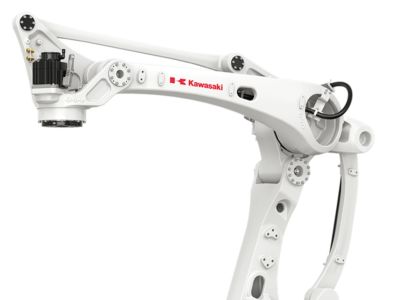
CP110L Hits 2,200 Cases/Hour with Hollow Wrist Design
News about CP110L
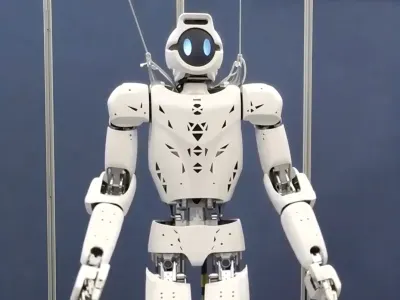
Kawasaki Kaleido 8.0 Redefines Collaborative Robotics with Force-Sensing Precision
News about Kaleido 8.0
Robot Comparisons
Showing 3 in-depth comparisons featuring Kawasaki — Explore all comparisons →
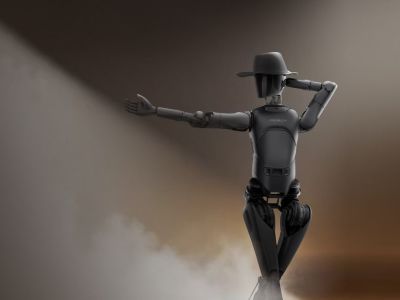
AgiBot A2 Lite vs Kaleido 8.0 by Kawasaki
AgiBot A2 Lite vs Kaleido 8.0: AgiBot's performance humanoid against Kawasaki's robust bipedal humanoid, compared on size, mobility, sensors, AI and best uses.
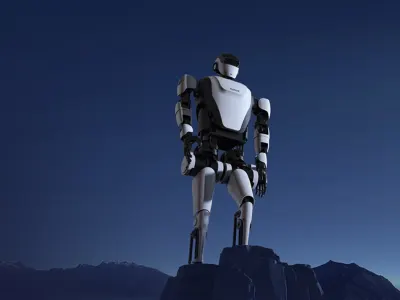
KUAVO-MY by Leju vs Kaleido 8.0 by Kawasaki
KUAVO-MY vs Kaleido 8.0: Leju's research and service humanoid against Kawasaki's robust bipedal humanoid, compared on size, mobility, sensors, AI and best uses.
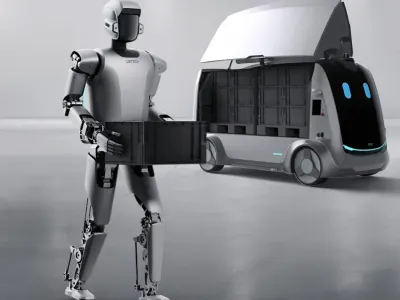
Walker S1 by UBTECH vs Kaleido 8.0 by Kawasaki
Walker S1 vs Kaleido 8.0: UBTECH's factory humanoid against Kawasaki's robust bipedal humanoid, compared on size, mobility, sensors, AI and best uses.
Frequently Asked Questions
8 AnswersVerified answers, company specifications, and deployment details about Kawasaki
What is the Kawasaki Kaleido robot?
Kaleido is Kawasaki's humanoid robot, developed since 2015 as a robust platform that can withstand falls and work in harsh settings such as disaster sites and heavy industry.
What is Kaleido 9?
Kaleido 9 is the ninth-generation Kaleido, shown at iREX 2025. It stands 190 cm tall, weighs 99 kg and uses LiDAR and stereo cameras for 3D mapping, demonstrating rescue tasks.
What is the Kawasaki Friends robot?
Friends is Kawasaki's slimmer humanoid series with soft, curved lines, first introduced in 2021 and designed for tight spaces, caregiving and daily-life assistance.
Can Kaleido be controlled remotely?
Yes. Kaleido 9 can work autonomously or be controlled remotely by an operator using a VR headset, which suits hazardous rescue work.
Can you buy a Kawasaki Kaleido robot?
Not yet. Kaleido is still in development and testing, and Kawasaki has not announced a commercial price or release date.
Did Kawasaki build Japan's first industrial robot?
Yes. Kawasaki built Japan's first industrial robot in 1969 and is today one of the world's major makers of industrial robots for welding, painting and assembly.
Who is the CEO of Kawasaki Heavy Industries?
Kawasaki Heavy Industries is led by Yasuhiko Hashimoto, its president and chief executive. The group makes motorcycles, aircraft parts, ships, rail cars, energy systems and industrial robots.
When was Kawasaki founded?
Kawasaki traces its history to 1896 and is headquartered in Tokyo and Kobe, Japan. It began its Kaleido humanoid research in 2015 and built Japan's first industrial robot in 1969.
Verified Data & Editorial Assurance
Compiled from verified corporate filings, official Kawasaki datasheets, and robotics engineering registries. Information has been verified against official manufacturer documentation. For commercial procurement or proprietary integrations, contact the manufacturer directly.