KUAVO 4PRO (KUAVO-MY) vs Kaleido 8.0 at a glance
Kaleido 8.0 is quicker, with a top speed of 1.1 m/s versus 0.4 m/s for KUAVO 4PRO (KUAVO-MY). KUAVO 4PRO (KUAVO-MY) is lighter at 55 kg, compared with 80–86 kg for Kaleido 8.0.
Which one fits your use?
Based on the uses each robot is built and marketed for. Open a use to see the specs that matter for it.
| Comparing for… | KUAVO 4PRO (KUAVO-MY) | Kaleido 8.0 |
|---|---|---|
| Suited | Suited | |
| Suited | Suited | |
| Suited | Suited | |
| Suited | Not listed | |
| Suited | Not listed | |
| Not listed | Suited |
- Pick KUAVO 4PRO (KUAVO-MY) for education and training and hospitality, retail and public-facing roles.
- Pick Kaleido 8.0 for hazardous or high-risk work.
- Both suit warehouse and logistics work, factory and manufacturing work and research labs, so compare the specs for that use.
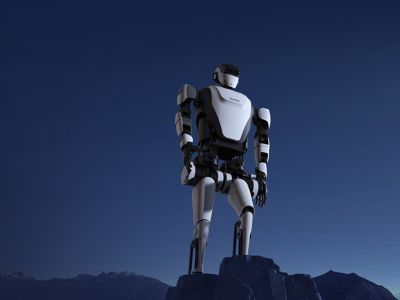
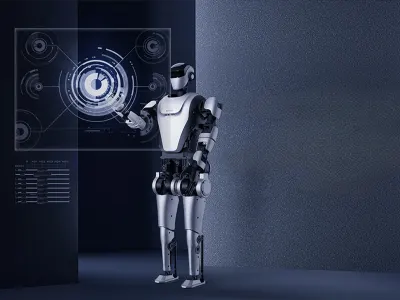
Leju Robotics' KUAVO-MY, also sold as KUAVO 4Pro, is a 166 cm, 55 kg biped for labs, guided tours and industrial trials. It walks at 0.4 m/s, can break into a 5 km/h run, and splits its computing between an Intel Core i9 for motion and an NVIDIA Jetson Orin NX for AI.
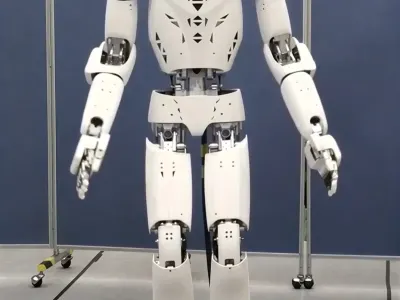
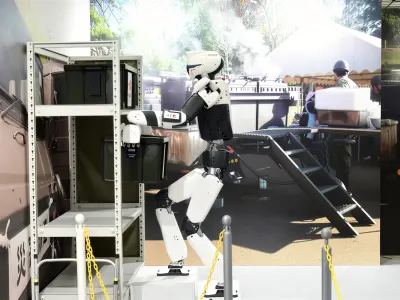
Kaleido 8.0 is the eighth generation of Kawasaki Heavy Industries' Kaleido humanoid, part of its Robust Humanoid Platform programme for robots that can work in tough real-world conditions. The 180 cm biped weighs 80 to 86 kg; version 8 added direct-drive motors in the waist and elbows for durability and a head projector that shows facial expressions, and at iREX 2023 it demonstrated tasks on a stage set up as an evacuation centre.
Detailed Analysis
KUAVO 4PRO (KUAVO-MY)
Design & Build Quality
KUAVO-MY and Kaleido 8.0 are both bipeds, but Kaleido is much bigger and heavier. Kaleido 8.0 stands 180 cm and weighs 80 to 86 kg, with direct-drive motors in its waist and elbows for durability. KUAVO-MY is 166 cm and 55 kg, with 22 degrees of freedom, or 28 on the exhibition version with a moving head and dexterous hands. Kaleido 8.0 is built to take punishment, while KUAVO-MY is light enough to move and set up easily in a lab or exhibition hall.
Kaleido 8.0
Mobility & Navigation
Both walk on two legs. KUAVO-MY walks at 0.4 m/s, runs at up to 5 km/h and builds its maps with a 3D LiDAR and a depth camera. Kaleido 8.0 walks at about 4 km/h and is built to survive falls and stand back up. KUAVO-MY has the published mapping setup, while Kaleido 8.0 is designed for rough ground where falls are likely.
KUAVO 4PRO (KUAVO-MY)
Sensors & Perception
KUAVO-MY carries an Orbbec Gemini 335L depth camera, a Livox Mid-360 3D LiDAR, an IMU, a six-microphone array that locates sounds in 360° and temperature sensors in its joints. Kawasaki has not published a sensor list for Kaleido 8.0. KUAVO-MY is therefore the easier robot to evaluate and build on. Ask Kawasaki for Kaleido 8.0's perception details if vision matters to your project.
Kaleido 8.0
AI Capabilities
KUAVO-MY learns tasks by imitation from recorded demonstrations and answers questions through a large-model Q&A system, with AI running on an NVIDIA Jetson Orin NX. Kaleido 8.0 is semi-autonomous and uses a head projector to show facial expressions while working with people. KUAVO-MY has the more detailed published AI. Kaleido 8.0's projected face is meant to make its intentions clear to people nearby.

KUAVO 4PRO (KUAVO-MY)
Battery & Power Efficiency
KUAVO-MY gets about an hour of walking from its 60 V, 6 Ah battery, which recharges in 1.5 hours or less. Kawasaki has not published Kaleido 8.0's battery details. KUAVO-MY's hour suits research sessions and demonstrations. Ask Kawasaki for Kaleido 8.0's runtime before planning any longer trial.
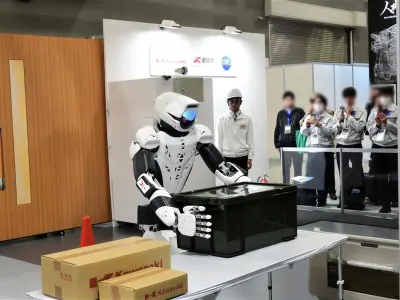
Kaleido 8.0
Use-Case Suitability
KUAVO-MY is Leju's platform for research labs, exhibition and shopping guidance, education and industrial trials. Kawasaki builds Kaleido for disaster response and heavy work alongside people, and version 8 demonstrated tasks on a stage set up as an evacuation centre at iREX 2023. Both are development platforms, but for very different environments. Choose KUAVO-MY for research, demonstrations and guided tours, or Kaleido 8.0 for rugged disaster-response and heavy-duty research.
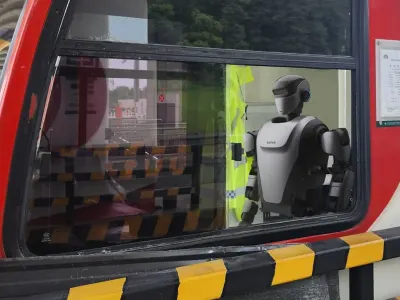
KUAVO 4PRO (KUAVO-MY)
Software Ecosystem
KUAVO-MY is built on Leju's open, ROS-based kuavo-ros-control stack for secondary development, and this edition runs the OpenHarmony-based KaihongOS. Kawasaki has not published SDK details for Kaleido 8.0. KUAVO-MY is the clear choice for developers who want to change control code. Kaleido 8.0 is shown at exhibitions rather than sold generally, so access would be arranged with Kawasaki directly.
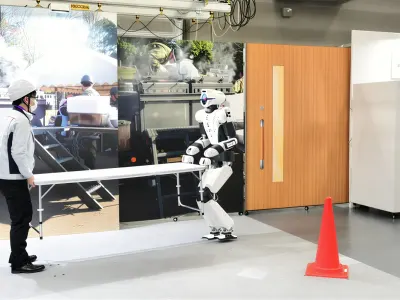
Kaleido 8.0
Safety Features
KUAVO-MY's safety features are an emergency stop on its body, a low-battery alarm and joint temperature monitoring. Kaleido 8.0 is designed to fall without damage and get back up, the main goal of Kawasaki's Robust Humanoid Platform. KUAVO-MY's features protect the robot and its operators during normal use. Kaleido 8.0's toughness is aimed at surviving accidents in hazardous settings.
Capabilities & Operational Tasks
Head-to-head comparison of what KUAVO 4PRO (KUAVO-MY) and Kaleido 8.0 can do, their applications, and capabilities.
What Can KUAVO 4PRO (KUAVO-MY) & Kaleido 8.0 Do?
126 tasks listed for both, 3 only for KUAVO 4PRO (KUAVO-MY), 3 only for Kaleido 8.0.
Technical Specifications
KUAVO 4PRO (KUAVO-MY) and Kaleido 8.0 differ on 30 of the 54 specifications listed for both.
Functional Utility & Use Cases
4 Comparative Metrics
Manipulation & Load Capacity
4 Comparative Metrics
Kinematic Architecture & Dexterity
4 Comparative Metrics
Related Comparisons
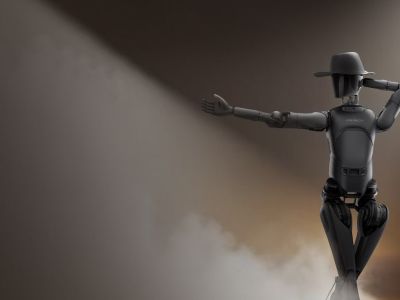
AgiBot A2 Lite vs Kaleido 8.0
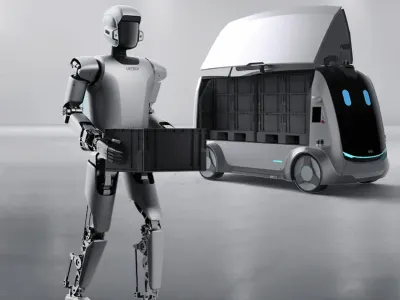
AgiBot A2 Lite vs Kaleido 8.0: AgiBot's performance humanoid against Kawasaki's robust bipedal humanoid, compared on size, mobility, sensors, AI and best uses.
Walker S1 vs Kaleido 8.0
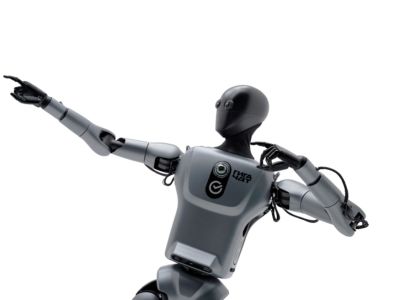
Walker S1 vs Kaleido 8.0: UBTECH's factory humanoid against Kawasaki's robust bipedal humanoid, compared on size, mobility, sensors, AI and best uses.
KUAVO 4PRO (KUAVO-MY) vs Green
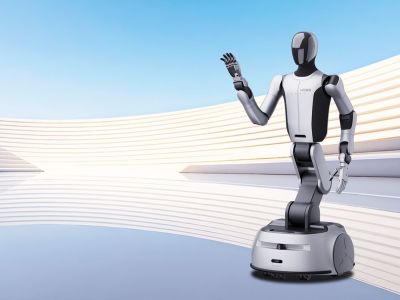
KUAVO-MY vs Green: Leju's research humanoid on KaihongOS against Sber's GigaChat robot, compared on hands, sensors, AI and uses.
KUAVO 4PRO (KUAVO-MY) vs Cruzr S2
KUAVO-MY vs Cruzr S2: Leju's research and service humanoid against UBTECH's wheeled assembly and service humanoid, compared on specs and uses.
Verdicts reflect our research and opinion. Confirm specifications with the manufacturer before buying.