
Kaleido 9
AI ChatLast updated:
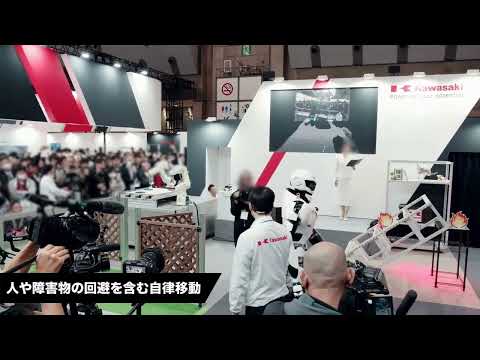
Kaleido 9 is the ninth generation of Kawasaki's humanoid robot, shown to the public in 2026 after research that began in 2015. Kawasaki redesigned the legs of this model so the robot can stay upright and recover when it is pushed or loses its footing, one of the weak points of earlier humanoids. It walks on its own by mapping its surroundings with LiDAR, and an operator can also control it remotely through a head-mounted display. Kawasaki shows it together with Kaleido Station, a wheeled platform that carries the robot between work sites. The company describes a long plan that runs to 2030, 2040 and 2050, with disaster response as one of the goals for people and robots working side by side in dangerous places.
Quick Overview & Key Facts
Kaleido 9 is a humanoid robot made by Kawasaki in Japan, launched in 2026 and built for disaster response and work in dangerous environments and research on humanoids working with people. Its estimated price is USD 200,000.
- Handles
- Not publicly disclosed
- Sensors
- LiDAR for mapping and walking; cameras for remote operation
- Operating environment
- Disaster-response sites and other hazardous or hard-to-reach locations
What Can Kaleido 9 Do?
Core operational tasks and activities demonstrated or performed by Kaleido 9.
Real-World Applications of Kaleido 9
Industries, working environments, and deployment suitability for Kaleido 9.
Kaleido 9 Capabilities
Inherent physical, perceptual, and cognitive abilities built into Kaleido 9.
Review Videos
Watch expert reviews and demonstrations of this robot
Robot Specifications
Values without a Confirmed badge are compiled from public sources and may not be manufacturer-verified.
Not yet published by Kawasaki: warranty terms, safety certifications, EMC compliance, IP rating, noise level, expected lifespan, maintenance schedule, firmware version and 6 more.
Robot Timeline
Key milestones in this robot's development and rollout
Kawasaki Robotics presents Kaleido 9, the ninth-generation humanoid with redesigned fall-resistant legs, LiDAR-SLAM autonomous walking and remote control through a head-mounted display.
Source: Kawasaki Robotics ↗
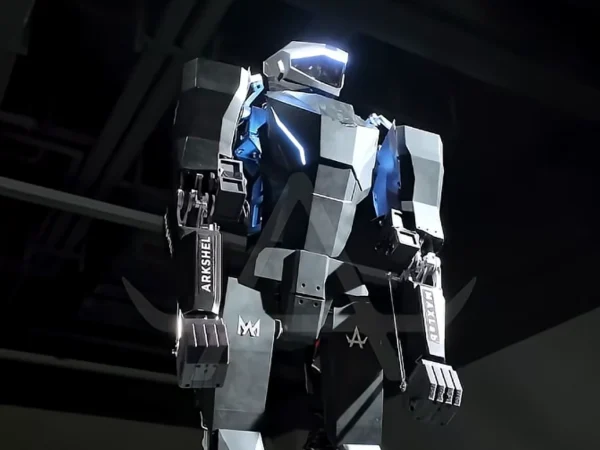
Kaleido 9 vs Fuxi, MX01, RayNex G3 and Starwalker P01
Kaleido 9 overlaps with these alternatives on Research and development and Hazardous environments.
Industries and capabilities are tags, not scores: a tick means the robot is listed for it.
| Spec | Kaleido 9Kawasaki | FuxiNORINCO Group | MX01Arkshel Robotics | RayNex G3NineRay Technology | Starwalker P01Digit Robotics |
|---|---|---|---|---|---|
| Industries | |||||
| Research and development | Yes | No | Yes | Yes | Yes |
| Hazardous environments | Yes | Yes | No | Yes | No |
| Search and rescue | Yes | Yes | Yes | No | No |
| Capabilities | |||||
| Remote control (teleoperation) | Yes | Yes | No | Yes | No |
| Walking | Yes | Yes | No | Yes | Yes |
| Navigation | Yes | No | Yes | No | Yes |
| Balance and stability | Yes | Yes | Yes | Yes | Yes |
| Released | 2026 | 2026 | 2026 | 2026 | 2025 |
More Robots from Kawasaki
Explore other robots from this manufacturer
More Humanoid Robots
Discover more robots in the same category


Robots From Other Categories
Discover complementary robots from different categories that work well together

Frequently Asked Questions
Get answers to common questions about this robot
Q1. What is Kaleido 9, and what problem is it designed to solve?
Kaleido 9 is the ninth generation of Kawasaki's humanoid robot. It is a research platform meant to work alongside people, with disaster response as a main goal.
Q2. What are the main capabilities and key features of Kaleido 9?
It walks on its own using a laser-based map of its surroundings, can be controlled remotely through a head-mounted display, and has redesigned legs that help it stay upright.
Q3. Who is Kaleido 9 built for, and which industries can benefit from it?
It is built for disaster response and other dangerous work where a human-shaped robot is useful, and for research on people and robots working together.
Q4. Is Kaleido 9 a commercial product or still a research prototype?
It is a research and development humanoid that Kawasaki shows publicly rather than a catalog product.
Q5. Is Kaleido 9 currently available for purchase, and when is it expected to ship?
No. Kawasaki has not announced sales of Kaleido 9, and it is shown to the public as a development platform.
Q6. How does Kaleido 9 actually work in real-world environments?
It maps its surroundings with LiDAR to plan its own steps, while an operator can take over through a head-mounted display when a task needs human judgment.
Q7. When was Kaleido 9 announced or officially launched?
Kawasaki presented it to the public in March 2026.
Q8. How is Kaleido 9 different from other robots in the same category?
Kawasaki focused on fall resistance in the legs, and pairs the robot with a wheeled platform called Kaleido Station to move it between sites.
Q9. Does Kaleido 9 require additional development or customization after purchase?
As a research platform, any use would be arranged directly with Kawasaki and adapted to the project.
Q10. What is the future roadmap or planned upgrades for Kaleido 9?
Kawasaki describes a long-term plan with goals for 2030, 2040 and 2050, aiming for robots that share work with people in disaster and other tough settings.
Rating and Reviews
Share your experience and help others decide!
Loading...
User Reviews
No user reviews. Be the first one to review!
User Comments (No Login needed)
Share your thoughts, experiences, or questions about this robot.
Comments appear after moderator review.