PAL Robotics Unveils ARI Upgrades at CES 2026
Robot Details
ARI • PAL RoboticsPublished
January 28, 2026
Reading Time
2 min read
Author
Origin Of Bots Editorial Team
CES Spotlight Debut
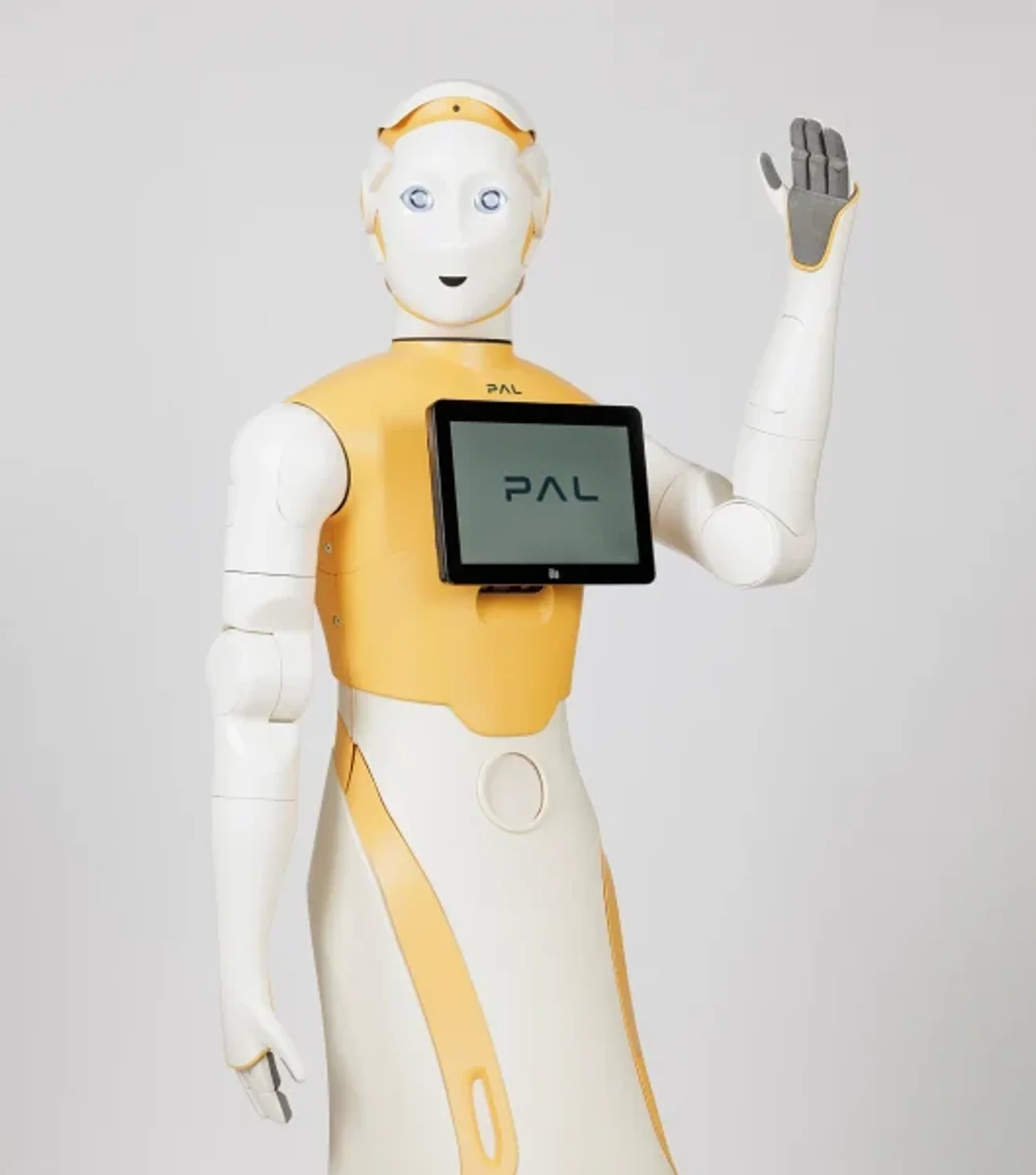
PAL Robotics steals the show at CES 2026 in Las Vegas, showcasing upgraded versions of its flagship humanoid robot ARI with enhanced AI perception and navigation packs. This timely reveal builds on ARI's established role in human-robot interaction since its 2019 launch, positioning it for broader deployment in hospitals, retail, and research labs amid rising demand for collaborative machines. Attendees witnessed live demos of ARI's refined behaviors, signaling Barcelona-based PAL's push to dominate social robotics amid global events highlighting humanoid advancements.
Interaction Mastery
ARI redefines engagement through seamless multimodal perception, fusing face recognition, 3D skeleton tracking, and voice activity for natural conversations. Its expressive head movements and customizable touchscreen deliver personalized responses, like guiding shoppers or entertaining guests with dances and gestures. Unlike rigid assistants, ARI adapts proxemics based on gaze and body language, fostering trust in crowded settings and enabling developers to script behaviors via intuitive SDK tools.
Sensing Revolution
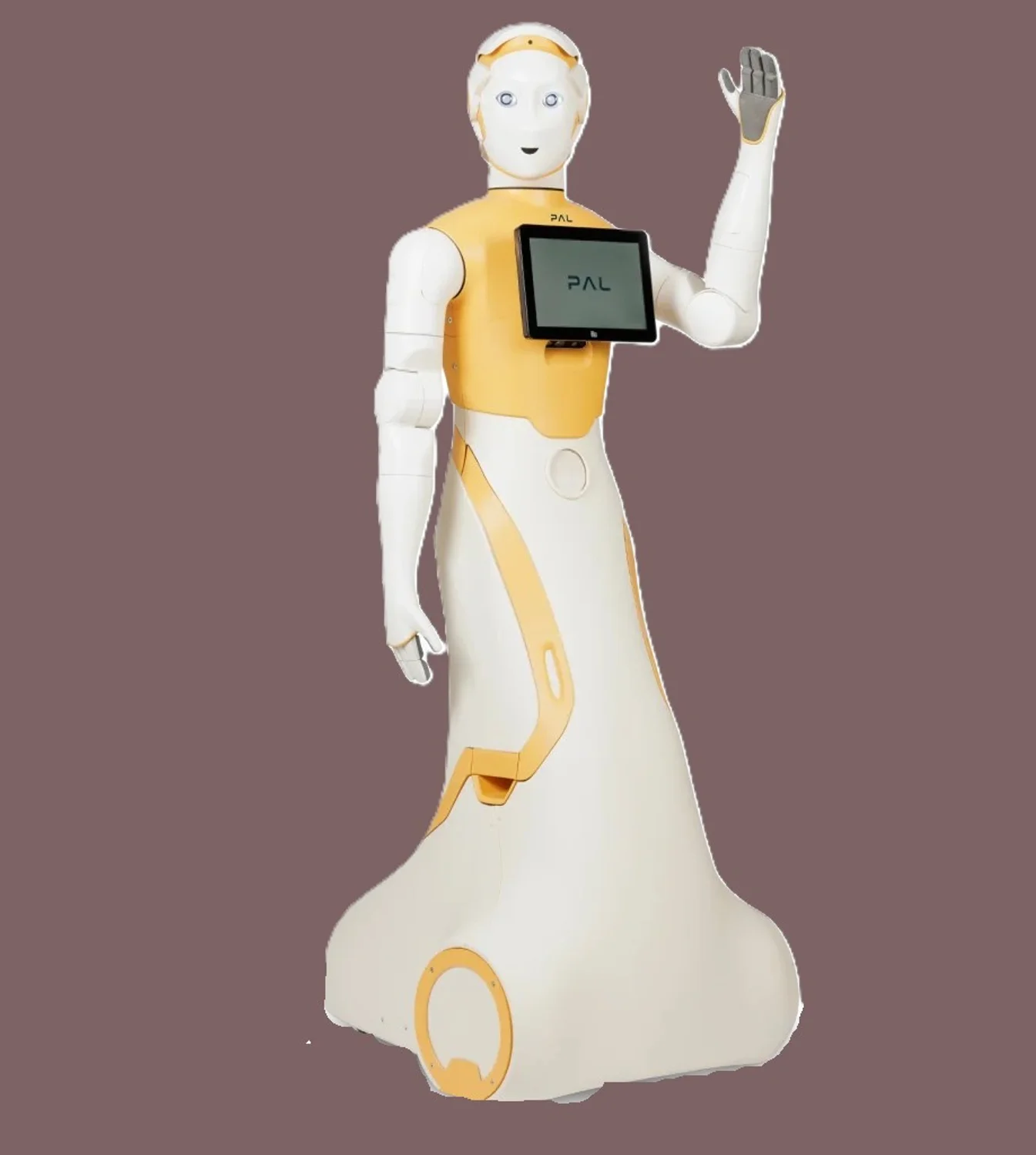
Engineers at PAL integrated premium upgrades including RGB-D head cameras, thermal imaging, and optional LiDAR for precise environmental awareness. Leveraging ROS Noetic and Orocos, ARI achieves whole-body Cartesian control, allowing fluid arm gestures during interactions. These advances stem from iterative prototypes, simplifying construction while boosting realtime people detection, setting ARI apart from earlier models like REEM by emphasizing reliability in dynamic human spaces.
Deployment Wins
Researchers deploy ARI in patient assistance scenarios, where it monitors vitals and offers companionship, or as retail guides navigating stores to answer queries. Info kiosks benefit from its multilingual speech, while AI labs test perception algorithms on its sensor-rich frame. These applications highlight ARI's evolution from entertainment to essential aide, with recent upgrades enabling autonomous mapping and obstacle avoidance for unsupervised operations.
Skill Empowerment Core
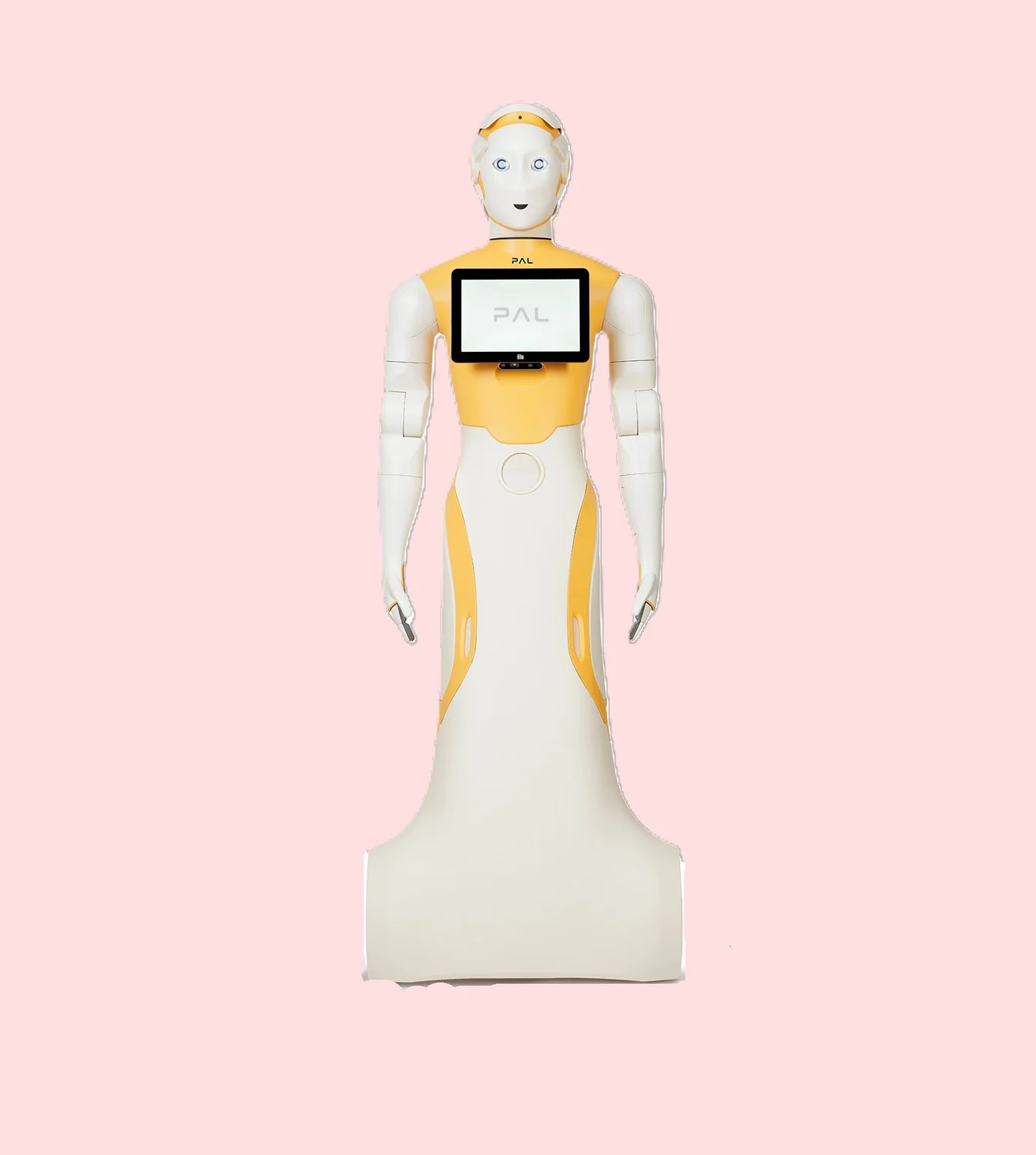
Standing 165 cm tall at 60 kg, ARI's wheeled base hits 5.4 km/h, powering extended interaction sessions backed by a 3-5 year battery life. Its sensor suite, from four-microphone arrays and stereo RGBD cameras to optional LiDAR and force/torque detectors, enables empathetic responses like detecting distress via gaze or collision avoidance during approaches. Visual SLAM navigation supports collaborative modes with emergency stops, while ROS-based software lets developers craft human-centric skills such as package handling or expressive storytelling.
Rivals Face-Off
| Robot | Strengths over ARI | ARI Advantages | Weaknesses vs. ARI |
|---|---|---|---|
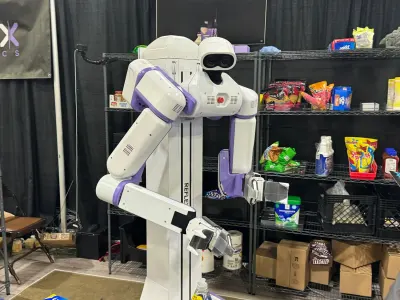
| Pepper | Cheaper mass production | Superior sensor fusion for precise HRI | Limited arm dexterity, no LiDAR option |
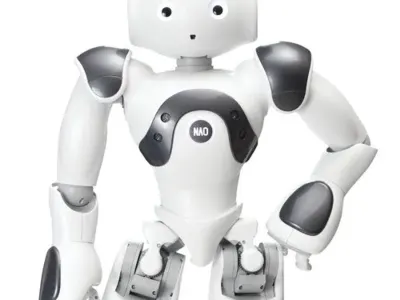
| NAO | Compact for education | Taller frame, advanced navigation SLAM | Smaller payload, less expressive behaviors |
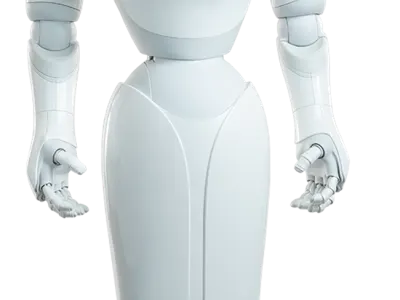
| Sophia | Hyper-realistic face | Wheeled mobility, ROS integration | Slower speed, stationary focus |
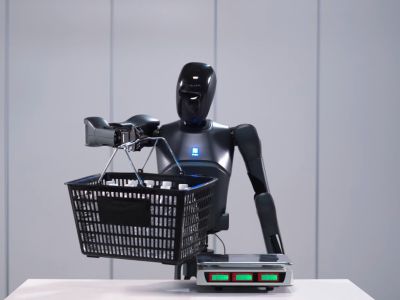
| NEO Beta | Affordable home use | Multi-modal people tracking | No collaborative safety, basic autonomy |


Sources
Related Articles
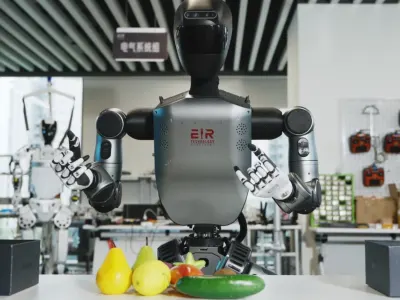
EIR Technology Unveils SkyWalker 2 with Tencent Cloud Integration

Disney Imagineering Evolves Stuntronics for Spider-Man Aerial Flips
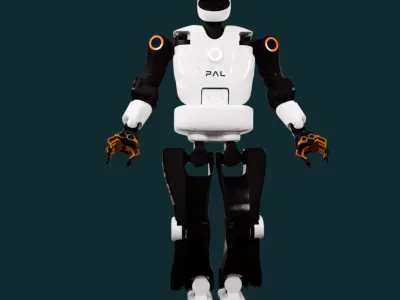
TALOS Powers Canada's First Humanoid Research Breakthrough
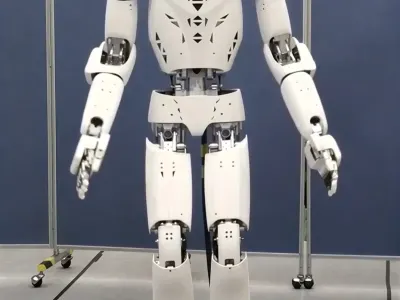
Kawasaki Kaleido 8.0 Redefines Collaborative Robotics with Force-Sensing Precision
Related Comparisons
Compare ARI with similar robots
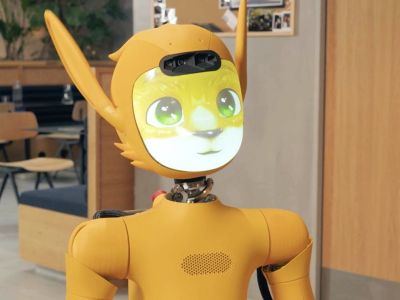
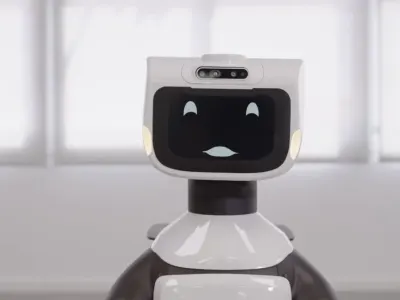
Mirokaï vs TIAGo Pro
Mirokaï or TIAGo Pro? Compare specs, navigation, battery, and sensors.
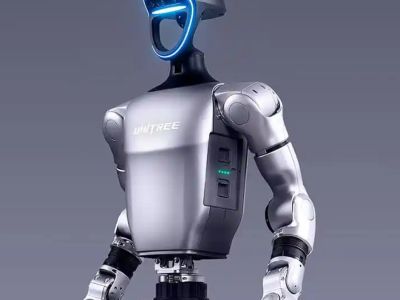
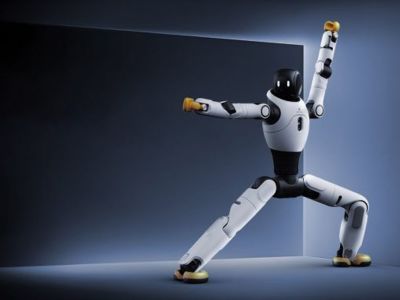
Unitree G1 vs AgiBot X2-N
Compare Unitree G1 vs AgiBot X2 for humanoid mobility, dexterity, autonomy, and payload capacity.
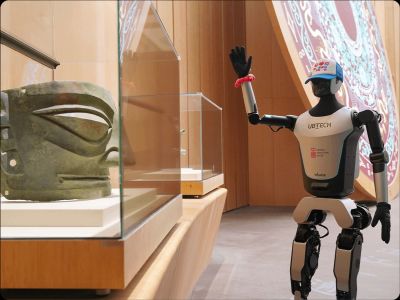
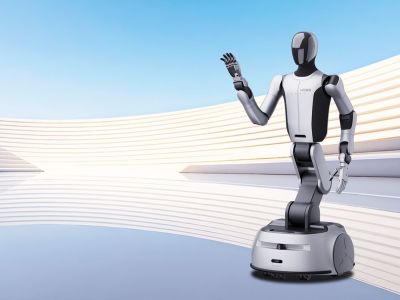
Walker C vs Cruzr S2
In-depth comparison of Walker C and Cruzr S2, covering hardware capabilities, teleoperation, and enterprise readiness.
Figure 03 vs Optimus Gen 3
In-depth comparison of Figure 03 and Optimus Gen 3, covering hardware capabilities, teleoperation, and enterprise readiness.
Learn More About This Robot
Discover detailed specifications, reviews, and comparisons for ARI.
View Robot Details →