Samsung Begins Prototype 2nm AI5 Chip Fabrication for Tesla FSD and Optimus Humanoid Robots
Robot Details
Optimus • TeslaPublished
September 17, 2026
Reading Time
5 min read
Author
Origin Of Bots Editorial Team
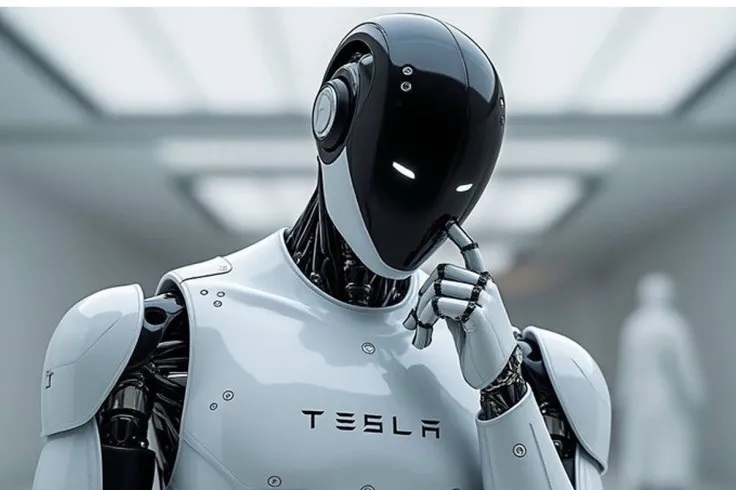
Samsung Initiates 2nm Prototype Runs at Taylor Mega-Fab
Semiconductor titan Samsung Electronics officially initiated prototype fabrication of Tesla's next-generation AI5 processor at its newly commissioned foundry in Taylor, Texas. The production milestone leverages Samsung's state-of-the-art 2-nanometer Gate-All-Around (GAA) semiconductor node, representing the bleeding edge of silicon manufacturing. The AI5 chip was designed from the ground up by Tesla’s internal microelectronics architecture group to deliver order-of-magnitude computational leaps over existing Hardware 4 silicon.
Fabricating initial prototype wafers in Texas secures a strategically resilient domestic supply chain for Tesla’s most critical artificial intelligence silicon. The move accelerates Tesla's roadmap toward powering its autonomous vehicular fleets and mass-market bipedal humanoids with identical high-efficiency neural processors. Initiating 2-nanometer production represents a monumental leap toward consolidating vehicular and embodied robotic computing onto a single silicon foundation.
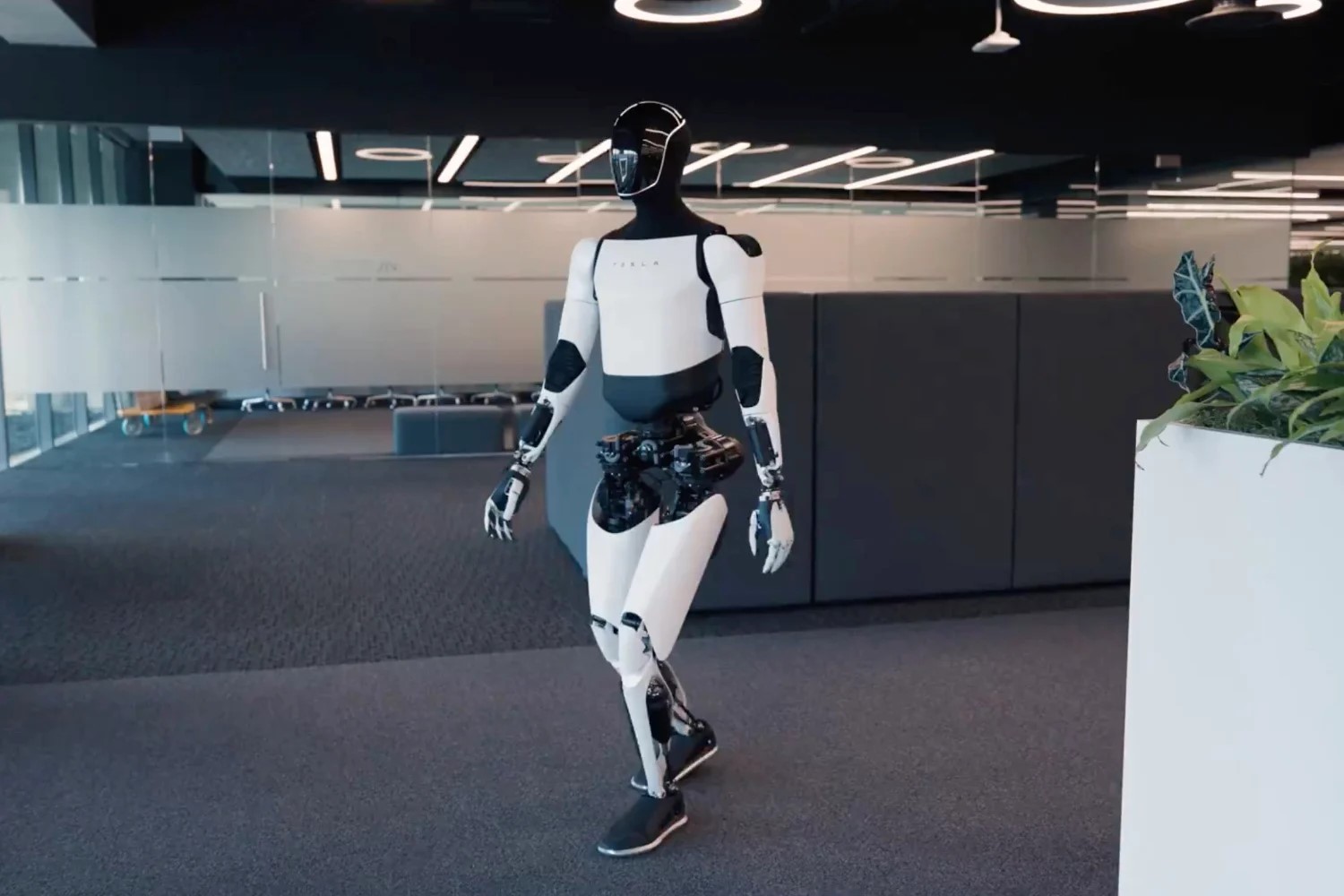
Unified Silicon Brain: Powering Autonomous Vehicles and Optimus Humanoids
A defining architectural principle of the AI5 silicon design is complete hardware unification across Tesla's autonomous vehicles and Optimus humanoids. Instead of developing separate low-volume chips for bipedal robots, Tesla will embed identical AI5 compute clusters into the chests of Optimus Gen 3 units. The shared architecture amortizes massive chip development expenses across millions of high-volume electric vehicles, driving per-unit processor costs down drastically.

Optimus robots will directly inherit the optimized neural execution engines, image signal processors, and ultra-low-power sleep states developed for automotive Full Self-Driving. Processing complex multi-camera Vision-Language-Action policies locally on low-wattage 2nm silicon ensures instant motor response without cloud latency. This unified silicon strategy equips Tesla’s humanoid biped with unprecedented local computing density, enabling real-time physical reasoning in dynamic environments.
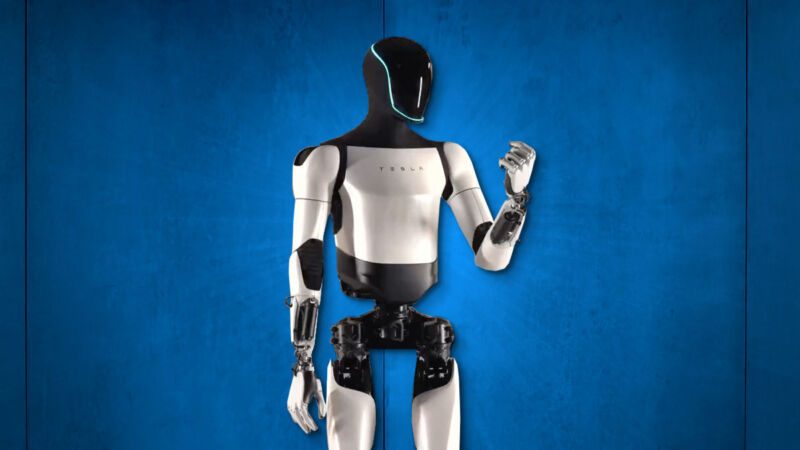
Thermal Efficiency and Edge Power Constraints in Bipedal Bodies
Deploying high-power neural compute inside the enclosed torso of a bipedal humanoid introduces severe thermodynamic and electrical constraints. Previous generation processors consumed hundreds of watts, demanding bulky liquid cooling radiators and severely depleting battery operating runtimes. Transitioning to Samsung's 2-nanometer GAA architecture delivers thirty percent greater energy efficiency and higher transistor density at equivalent clock frequencies.
Lower thermal dissipation allows Optimus engineers to utilize compact, passive convection heat sinks integrated directly into the robot's cast aluminum spine. Conserving valuable battery wattage translates directly into extended continuous operating duty cycles during demanding eight-hour factory shifts. Thermal breakthroughs at the silicon level remove one of the most critical physical barriers restricting humanoid autonomous runtime and operational mobility.
Giga Texas Optimus Factory Nears Structural Completion
Concurrently with semiconductor progress, construction of Tesla’s dedicated multi-story Optimus manufacturing factory at Gigafactory Texas reached a major milestone. Drone surveillance and engineering site updates confirmed that primary structural steel assembly across the massive expansion is virtually complete. Interior construction teams have already begun pouring concrete slabs across three upper levels, preparing specialized cleanroom bays for automated robotic assembly lines.
The dedicated facility is engineered specifically around high-volume, automated production lines designed to mass-produce humanoid robots at automotive scale. Automated stamping presses and precision assembly cells will assemble Optimus chasses with minimal manual labor, mirroring Tesla's vehicular manufacturing philosophy. Completing the structural envelope on schedule ensures that factory tooling and automated calibration bays can begin installation ahead of planned volume production.
Closing the Gap to Low-Volume Pilot Production in 2026
The synchronization of 2-nanometer silicon fabrication with factory construction aligns precisely with Tesla’s aggressive commercialization timeline. Chief Executive Elon Musk reiterated that low-volume internal pilot production of Optimus Gen 3 will commence before the conclusion of 2026. Initial production runs will deploy immediately across Tesla's automotive assembly bays in Texas, California, and Nevada to handle repetitive logistics tasks.
Deploying early production units inside captive gigafactories provides Tesla with an unparalleled real-world testing bed to iterate hardware reliability and software policies. Flaws in actuator durability, cable harness routing, and tactile gripper wear will be audited and resolved under demanding daily factory production pressures. This internal operational baptism ensures that by the time external customer deliveries begin, Optimus will have logged tens of thousands of audited industrial working hours.
Geopolitical Resilience in the Advanced Semiconductor Race
Fabricating AI5 chips at Samsung's advanced foundry in Taylor, Texas provides Tesla with vital geopolitical insulation against overseas supply chain disruptions. Escalating trade tensions and export controls in East Asia have highlighted the vulnerability of relying exclusively on overseas foundries for cutting-edge semiconductor lithography. Manufacturing leading-edge 2nm processors within driving distance of Tesla's global headquarters in Austin establishes an ultra-resilient domestic technological corridor.
Close geographical proximity enables Tesla’s chip design engineers to collaborate directly with Samsung foundry specialists on packaging and wafer yield optimization. Rapid prototyping cycles accelerate the transition from initial engineering samples to high-volume commercial silicon yields. Domestic manufacturing security ensures that Tesla's ambitious plans to scale humanoid robotics into the millions will not be derailed by international supply crunches.
The Convergence of Megawatt Compute and Physical Automation
The initiation of 2nm AI5 chip production marks a historic convergence between bleeding-edge semiconductor physics and embodied artificial intelligence. Humanoid robotics is no longer limited by mechanical actuation, but by the availability of high-density, low-power neural compute capable of real-time physical reasoning. As Samsung ramps prototype wafer processing and Giga Texas prepares its production tooling, the infrastructure of the robotic future is snapping into place.
Tesla’s holistic vertical integration—spanning proprietary silicon, generative foundation models, and automotive-scale manufacturing—creates a formidable industrial moat. The race to deploy millions of capable, affordable humanoid workers is entering an explosive new phase of industrial execution. With cutting-edge silicon rolling off Texas foundry lines, the dawn of widespread physical artificial intelligence has taken an irreversible leap forward.
Explore Humanoids
Sources
Related Articles
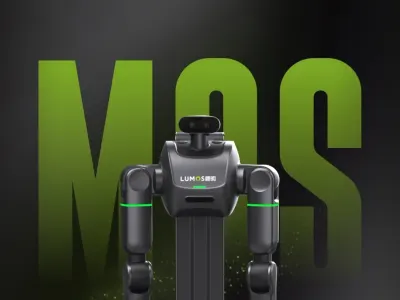
Lumos Robotics positions MOS 2 as a factory-ready humanoid built for teleoperation and heavy handling

AGIBOT Outlines Industrial Deployment Playbook to Scale Humanoids from Lab Prototypes to Real-World Factories

Tesla Optimus Scales Internal Gigafactory Operations and Reaffirms 2027 Consumer Target

International Broadcasters Spotlight Viral Milestone of Humanoid Robot Autonomously Walking Off Assembly Line
Related Comparisons
Compare Optimus with similar robots
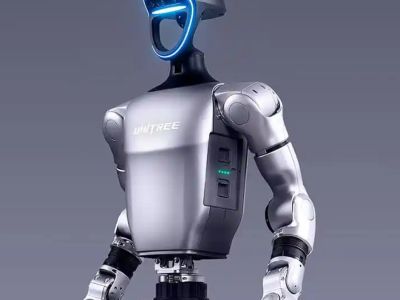
Optimus vs Unitree G1
Compare Optimus vs Unitree G1 for humanoid mobility, dexterity, autonomy, and payload capacity.
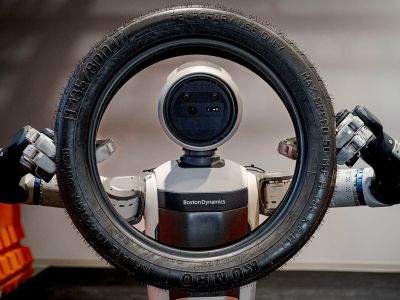
Optimus vs Atlas (Electric Atlas, 2025)
In-depth comparison of Optimus and Atlas (Electric Atlas, 2025), covering hardware capabilities, teleoperation, and enterprise readiness.
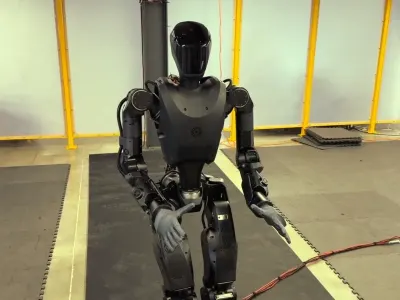
Optimus vs Phantom MK1
Optimus or Phantom MK1? See which humanoid robot performs better for manufacturing, logistics, defense, dexterity, autonomy, and payload in enterprise deployments.
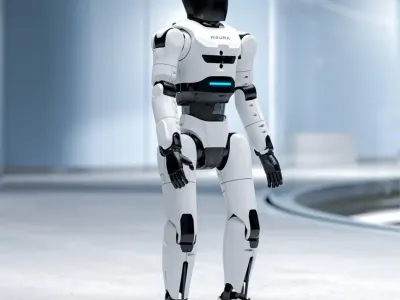
Optimus vs 4NE-1 Mini
Which humanoid robot is better? Optimus vs 4NE-1 Mini compared for dexterity, AI capabilities, payload, and industrial vs research use cases.
Learn More About This Robot
Discover detailed specifications, reviews, and comparisons for Optimus.
View Robot Details →