Lumos Robotics positions MOS 2 as a factory-ready humanoid built for teleoperation and heavy handling
Robot Details
MOS 2 • Lumos RoboticsPublished
September 3, 2026
Reading Time
3 min read
Author
Origin Of Bots Editorial Team
Factory floor entry
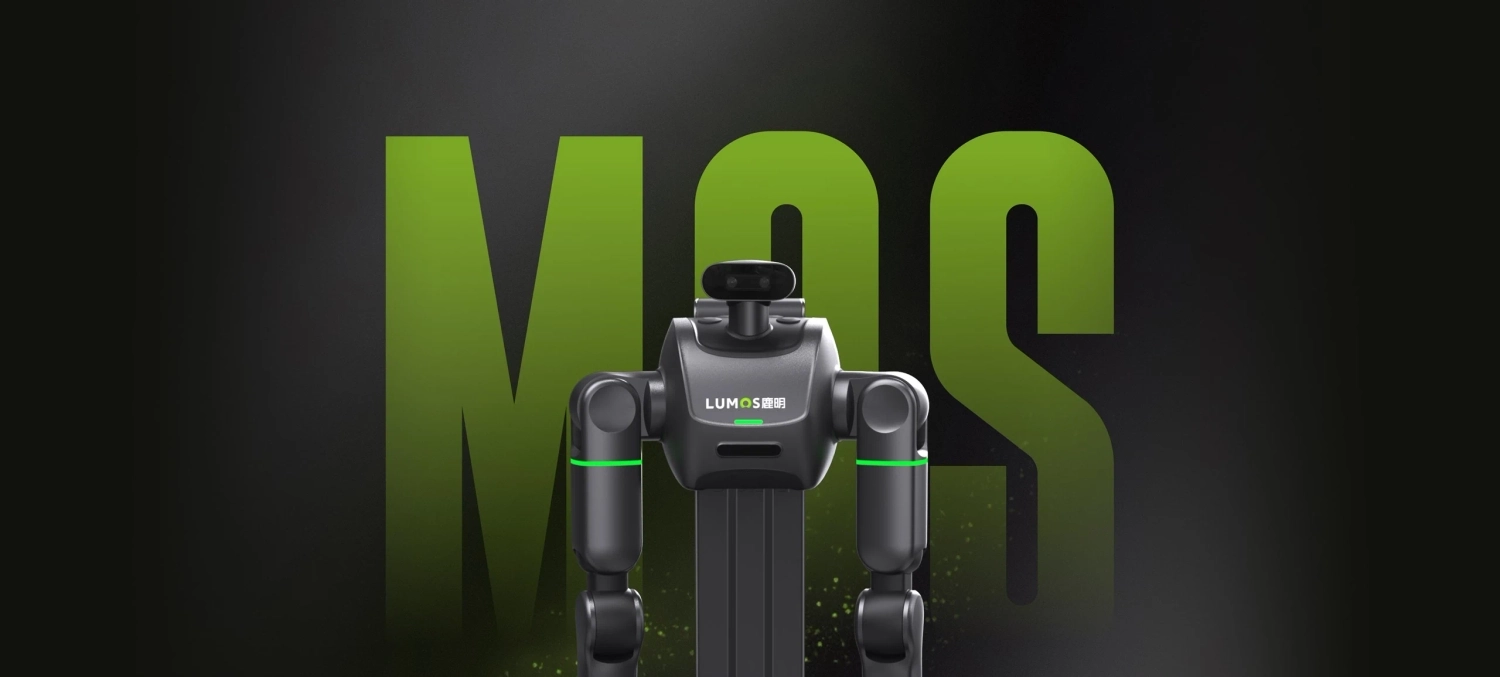
Global demand for humanoids is shifting from scripted demos to systems that can imitate human work in real time, keep balance, and handle tools in messy industrial spaces. Lumos Robotics has now presented MOS 2 as a heavy-duty wheeled humanoid aimed at that shift, framing it around teleoperation, inspection, and load handling rather than general household service.
Why MOS 2 matters
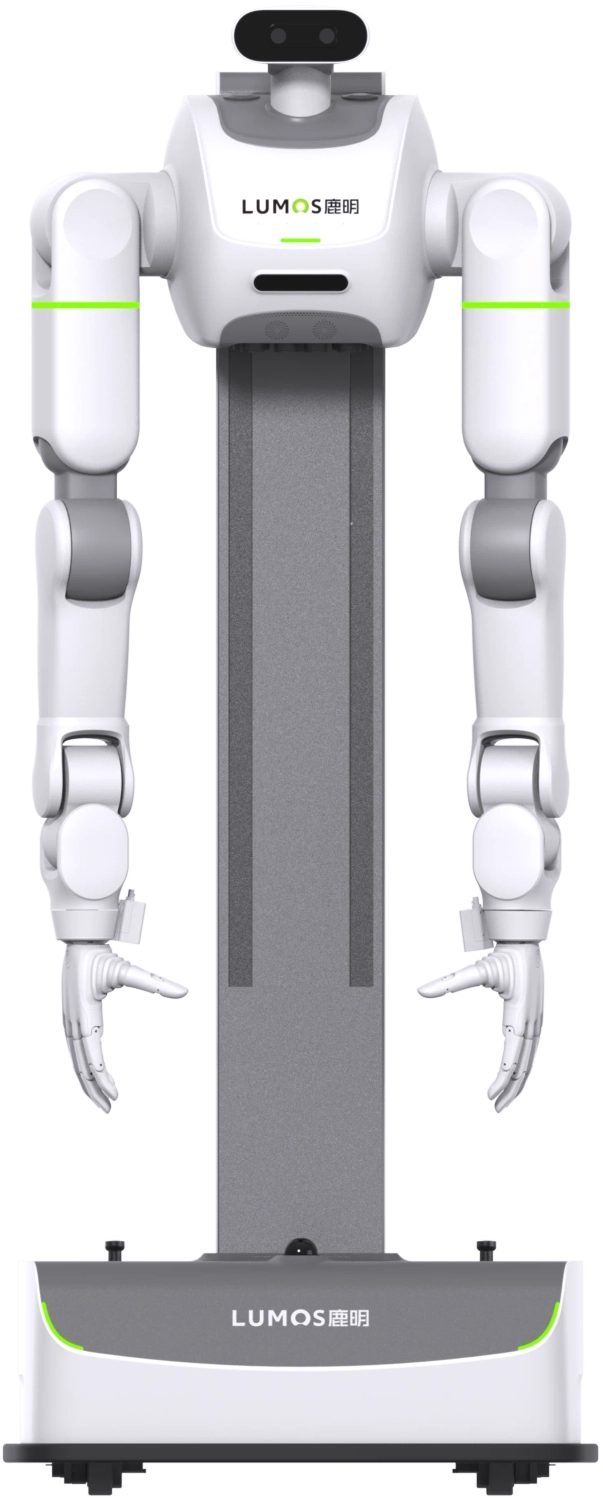
MOS 2 stands out less for raw novelty than for how it combines full-body coordination with a wheeled base, which can simplify balance while preserving humanoid-style manipulation. Its reported teleoperation-first approach fits tasks where a human still needs to direct the robot through changing station layouts, tight tolerances, or hazardous zones. The emphasis on real-time imitation fidelity and remote control also places it in a different lane from humanoids built mainly around preprogrammed motion libraries. MOS 2’s value proposition is that it tries to turn human supervision into a repeatable industrial workflow, not a one-off demo. MOS 2 is trying to make teleoperation a production interface, not a fallback mode.
How it works
The practical flow is straightforward: human motion input goes into the system, the AI layer interprets the intended action, and the robot converts that into joint actuation with balance correction. In MOS 2’s case, LiDAR mapping and route execution help it move through a space, while the arms and sensors support manipulation and contact-aware work. That architecture fits a humanoid category where the key challenge is not just moving, but doing so while maintaining stable, human-like control.
Inspection in place
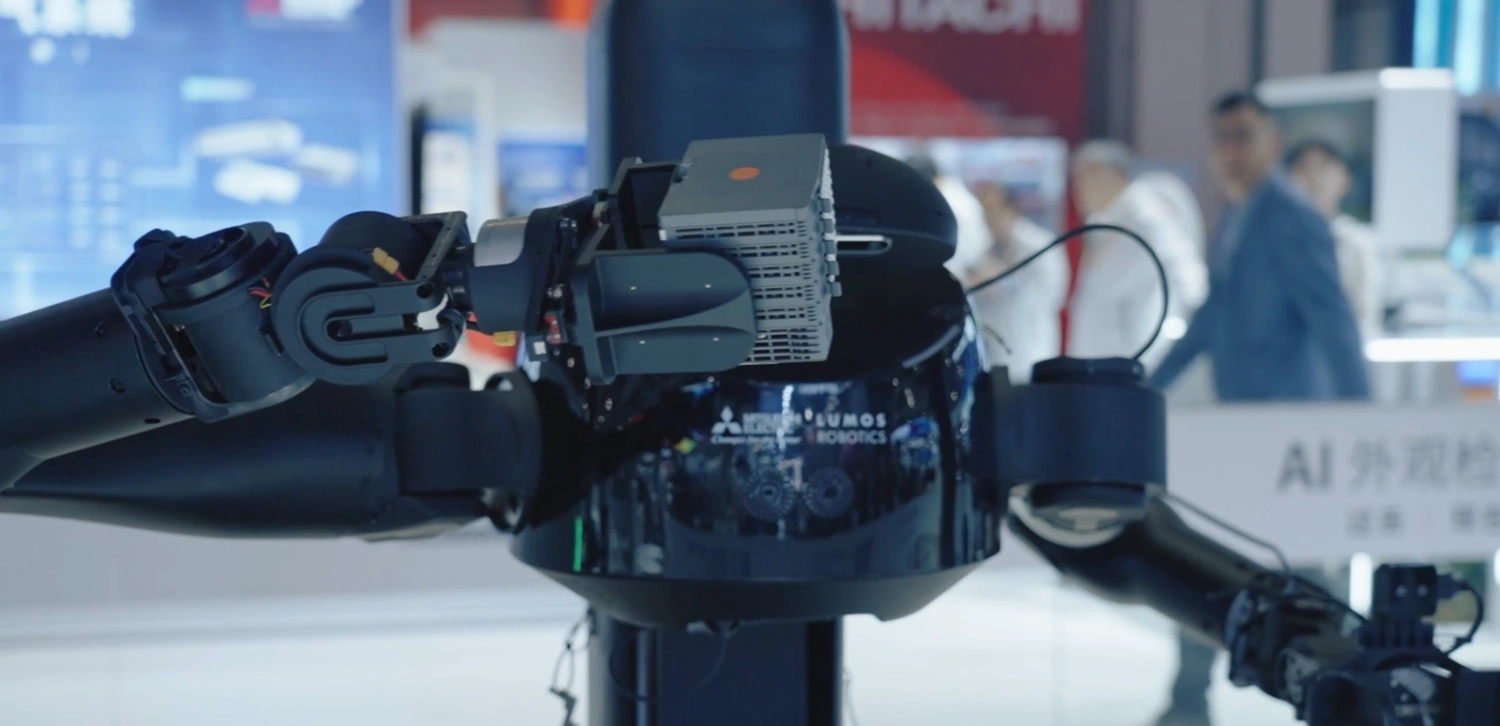
A realistic deployment scenario for MOS 2 is remote inspection inside a factory where operators need to move the robot between stations, check equipment, and handle small tools without exposing staff to the area. In that setting, a humanoid form factor matters because it can work around human-designed layouts, reach interfaces made for people, and coordinate body position with arm motion. The value is not autonomy alone, but the ability to extend human judgment into a hazardous or repetitive environment.
What the specs enable
The reported 165 cm by 70 cm by 80 cm frame and 350 kg weight point to a large, stable platform designed for industrial presence rather than agility in open terrain. A top speed of 5.4 km/h / 1.5 m/s and wheeled mobility suggest controlled movement across factory floors, while the 3-5 year battery life indicates a system intended for long service intervals. Its sensor stack, including dual 3D LiDAR units, RGB cameras, force-torque sensors, IMU, bumper sensing, joint encoders, and temperature sensors, supports navigation, contact awareness, and safer teleoperation. The Linux-based software stack with SDK, API support, and workflow tools further suggests that Lumos is aiming for integration into existing industrial processes rather than a closed appliance.
Rivals Edge Check
| Robot | Key Advantage | Where MOS 2 Wins | Target Use |
|---|---|---|---|
| Tara Gen 2 | Strong emphasis on humanoid coordination and task flexibility | MOS 2 adds a wheeled industrial base and heavier-duty factory focus | Teleoperation and assisted service |
| Kinsi 01 | Likely positioned for compact humanoid experimentation | MOS 2 is framed for larger-load handling and industrial deployment | Remote inspection and factory support |
| RB-Y1 | Typically associated with mobile humanoid workflows | MOS 2 appears more explicitly tuned to heavy handling and teleoperated production tasks | Warehouse transport and industrial handling |
| Universal Wheeled Humanoid Robot | Broad wheeled humanoid positioning | MOS 2 is more specifically described around industrial execution and tooling | Human-centric industrial spaces |
Industry shift
MOS 2 also reflects a broader industry signal: humanoid robotics is increasingly being judged by how well it supports human oversight, not by how much autonomy it can claim in isolation. That matters because teleoperation-first systems can reach useful deployments sooner in structured environments, even if outdoor performance and full self-direction remain limited. If this trajectory holds, the market may reward robots that make operators more productive before it rewards robots that try to replace them outright.
Explore Humanoids
Related Articles
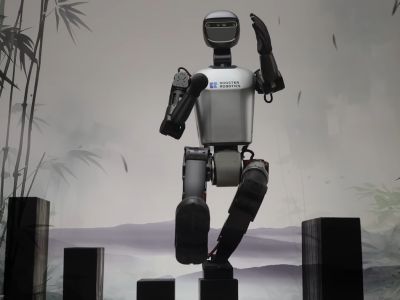
Booster Robotics K1 targets teleoperation-first humanoids with compact 95 cm body and 22-DoF platform
Booster Robotics’ T1 Humanoid Targets Teleoperation and Human-Centric Research
Unitree’s H2 pushes humanoids toward teleoperation-first service work
Unitree’s Superman humanoid puts speed first as China’s robotics race accelerates
Related Comparisons
Compare MOS 2 with similar robots
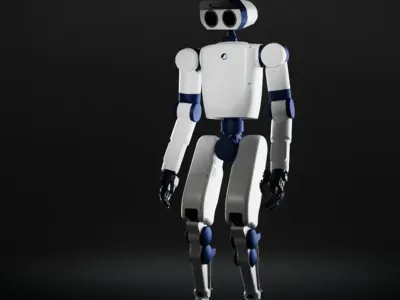
LUS2 vs P-73
Which humanoid robot is better? LUS2 vs P-73 compared for dexterity, AI capabilities, payload, and industrial use cases.
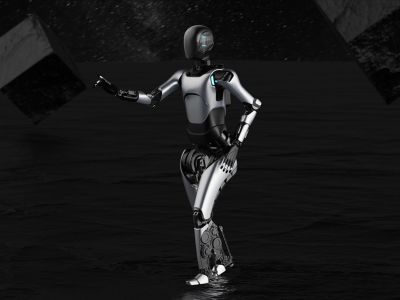
AgiBot A2 vs LUS2
Compare AgiBot A2 and LUS2. Detailed analysis of navigation, sensors, and battery life.
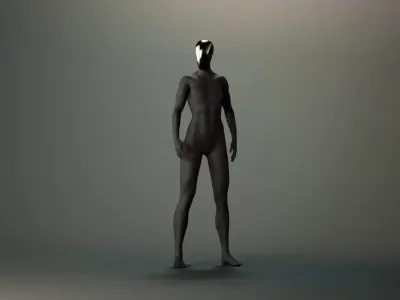
Alpha vs LUS2
Head-to-head: Alpha vs LUS2. Explore differences in navigation, battery, sensors, speed, and software.
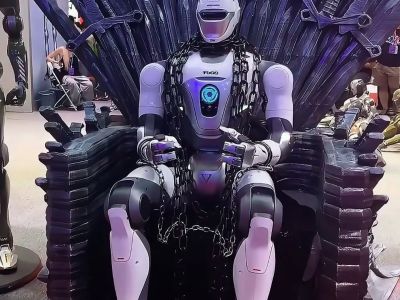
LUS2 vs T800
Head-to-head: LUS2 vs T800. Explore differences in navigation, battery, sensors, mobility, and software.
Learn More About This Robot
Discover detailed specifications, reviews, and comparisons for MOS 2.
View Robot Details →