Alpha by Clone Robotics is positioned in the market for versatile humanoid applications including industrial automation, home assistance, and research prototyping. Its taller dimensions of 170 x 45 x 30 cm and 60 kg weight provide balanced agility and stability for human-robot collaboration. Key differentiators include a 4.5-year battery life, extensive sensors such as 4 depth cameras and 320 pressure sensors, and Linux-based software with ROS compatibility.
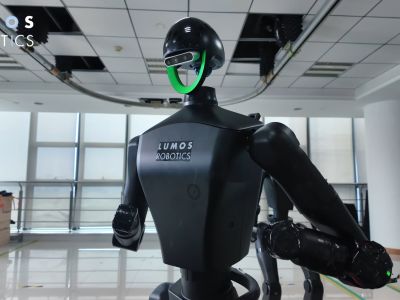
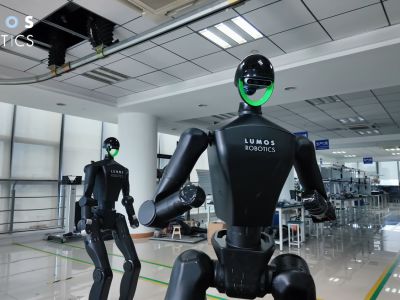
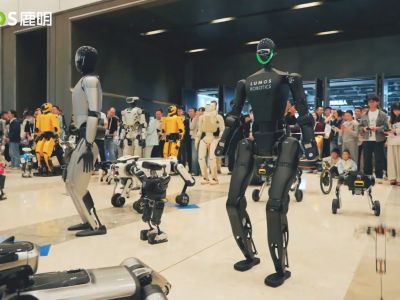
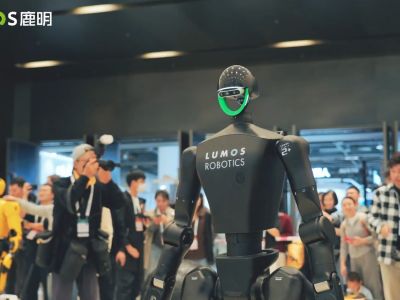
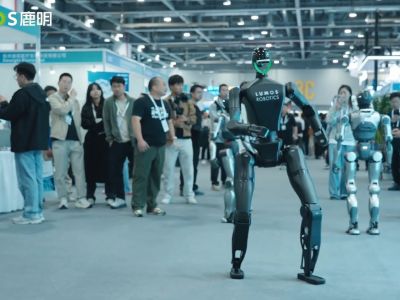
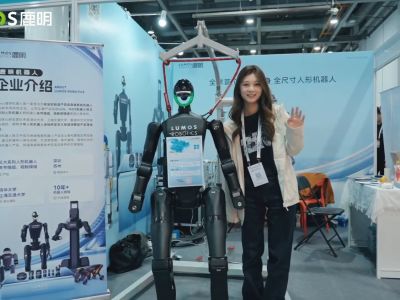
LUS2 by Lumos Robotics targets industrial automation, healthcare assistance, search-and-rescue, and dynamic environments. Measuring 160 x 50 x 30 cm and weighing 57 kg, it emphasizes agility in confined spaces. Standout features encompass Intel RealSense D435i sensors, 360° LiDAR, 3-year battery duration, and ROS2-compatible proprietary OS with LLM integration APIs.
Detailed Analysis
Design & Build Quality
Alpha measures 170 x 45 x 30 cm and weighs 60 kg, offering greater height for reach in industrial tasks. LUS2 is slightly shorter at 160 x 50 x 30 cm and lighter at 57 kg, potentially aiding maneuverability in tight spaces. Both maintain humanoid proportions suitable for human-like interaction and collaboration.
Mobility & Navigation
Alpha achieves 5 km/h speed with LiDAR, SLAM, and visual odometry for navigation. LUS2 reaches 4 km/h using indoor SLAM, visual SLAM, and LiDAR mapping, optimized for dynamic environments. Alpha's higher speed supports faster traversal in open industrial areas, while LUS2 focuses on precision in varied terrains.
Sensors & Perception
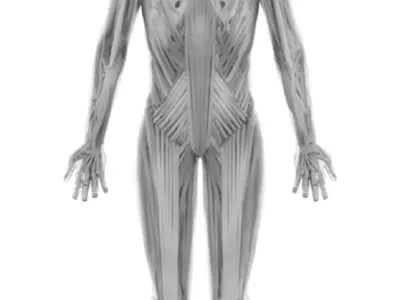
Alpha incorporates 4 depth cameras, 70 inertial sensors, 320 pressure sensors, IMU, gyroscope, and force sensors. LUS2 features Intel RealSense D435i, finger/palm tactile sensors, IMU, ultrasonic sensors, 360° LiDAR, gyroscope, force sensors, and temperature sensors. Alpha emphasizes pressure and inertial density, whereas LUS2 adds comprehensive LiDAR and tactile coverage.
AI Capabilities
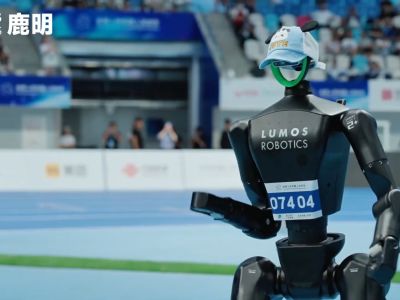
Alpha employs AI automation with manual override on a custom AI platform. LUS2 utilizes autonomous control, learned behaviors, and teleoperation. Both support advanced decision-making, with LUS2 offering explicit LLM integration potential via APIs.
Battery & Power Efficiency
Alpha provides a 4.5-year battery life, exceeding LUS2's 3 years. Alpha's design leverages efficient power systems for extended operation in research and home settings. LUS2's duration suits shorter-cycle tasks in healthcare and rescue scenarios.
Use-Case Suitability
Alpha suits industrial automation, home assistance, research prototyping, and human-robot collaboration. LUS2 targets industrial automation, healthcare assistance, search-and-rescue, dynamic environments, and R&D. Overlaps exist in industrial and research applications, with LUS2 extending to emergency response.
Software Ecosystem
Alpha runs Linux-based software that is ROS-compatible with a custom AI platform. LUS2 uses a proprietary OS, ROS2 compatibility, Python, C++, and APIs for LLM integration. LUS2 provides broader programming flexibility for custom developments.
Safety Features
Alpha includes emergency stop, obstacle detection, and collision avoidance. LUS2 offers force limiting, collision detection, emergency stop, and collaborative mode. Both prioritize human-safe operations in shared spaces.
Analysis Score Summary
Total Score
5
Alpha
VS
Based on Detailed Analysis
Total Score
11
LUS2
📊 Win: 2 points | Trade-off: 1 point each
Scores are summed across every insight: a clear winner earns 2 points, while balanced trade-offs give each robot 1 point. The total reflects how often each robot outperforms the other (or shares the spotlight) throughout the detailed analysis sections.
Capabilities & Operational Tasks
Head-to-head comparison of what Alpha and LUS2 can do, their applications, and capabilities.
What Can Alpha & LUS2 Do?
8Core operational tasks, activities, and physical manipulation duties evaluated side-by-side.
| Task & Description | Model AAlpha7 supported | Model BLUS27 supported |
|---|---|---|
| Autonomous task execution | High | High |
| Carrying and transport | High | High |
| Collaborative work | High | High |
| Human interaction | High | — |
| Move objects | High | High |
| Navigation | High | High |
| Obstacle traversal | — | High |
| Pick and place | High | High |
Technical Specifications
Head-to-head performance data and metrics
| Specification | Model AAlpha | Model BLUS2 |
|---|---|---|
Functional Utility & Use Cases4 Comparative Metrics | ||
Control Method | AI automation, manual override | Autonomous, learned behaviors, teleoperation |
Use Cases | Biomechanical musculoskeletal research, teleoperated hand-arm dexterity trials, artificial muscle contraction testing | Industrial automation, healthcare assistance, search-and-rescue, dynamic environments, research and development |
Multi Robot Coord | Supported (Designed for enterprise fleet management) | Swarm and multi-robot coordination |
Pet Friendly | Not Applicable / Experimental | Yes, with safety protocols |
Manipulation & Load Capacity4 Comparative Metrics | ||
Carrying Capacity | Research prototype | 10 kg per arm |
Deadlift Capacity | Research prototype | 50 kg |
Payload Type | Research musculoskeletal prototype (Upper-body biomimetic research only) | Tools, packages, precision instruments, people interaction |
Modular Attachments | Grippers, camera modules, delivery compartments | Tool changers, end-effector options |
Kinematic Architecture & Dexterity4 Comparative Metrics | ||
Degrees of Freedom | 164 Upper Body DoF actuated by water-driven hydraulic myofibers | 38 |
Material | Polymer skeleton, soft Myofiber muscles | Aluminum, composite, soft materials |
Mobility Type | Stationary / Upper-Body Musculoskeletal Bust | Legged (bipedal walking) |
Hardware Interface | USB-C, Ethernet, GPIO | USB, GPIO, CAN bus, serial |
Functional Utility & Use Cases
4 Comparative Metrics
Manipulation & Load Capacity
4 Comparative Metrics
Kinematic Architecture & Dexterity
4 Comparative Metrics
Related Comparisons
Discover similar robot matchups to expand your knowledge and find the perfect solution
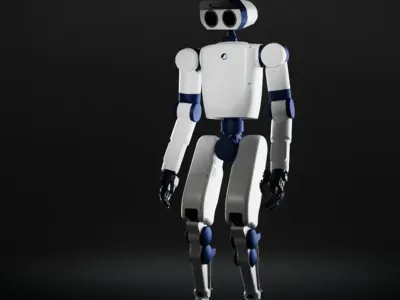
LUS2 vs P-73
Which humanoid robot is better? LUS2 vs P-73 compared for dexterity, AI capabilities, payload, and industrial use cases.
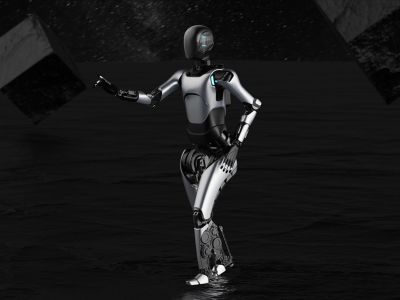
AgiBot A2 vs LUS2
Compare AgiBot A2 and LUS2. Detailed analysis of navigation, sensors, and battery life.
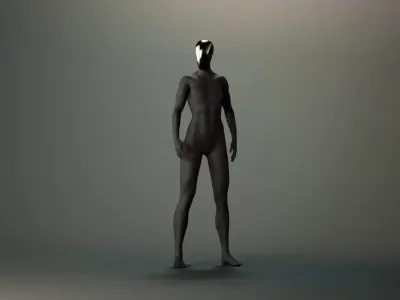
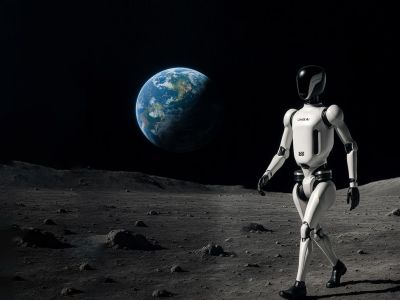
Alpha vs Martian
Alpha or Martian? Compare specs, speed, sensors, navigation, and battery performance.
Figure 02 vs Alpha
Compare Figure 02 and Alpha. Detailed analysis of sensors, navigation, battery, speed, and AI capabilities.
Disclaimer
All content, comparisons, and verdicts on this website are based on our research, testing, and opinion. While we strive for accuracy, we do not guarantee the completeness, reliability, or suitability of any information. Performance, specifications, and results may vary depending on usage and conditions. This website and its authors are not responsible for any decisions, actions, or outcomes based on the information provided. Always verify product details with the manufacturer before making purchase or operational decisions.