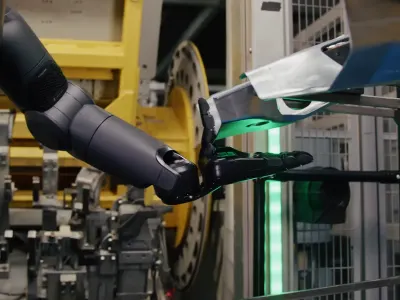
Figure 02 by Figure AI positions itself as a commercially viable humanoid for industrial applications, with deployments tested at BMW production lines. It differentiates through vision-based SLAM navigation using six RGB cameras and fully autonomous AI control suited for automotive assembly and hazardous tasks. Its 168 cm height, 70 kg weight, and 3 km/h speed support repetitive tasks, with integrated safety features like emergency stops.
Alpha by Clone Robotics targets versatile humanoid use in industrial automation, home assistance, and research. It stands out with higher speed of 5 km/h, lighter 60 kg build, and extensive sensors including 70 inertial and 320 pressure sensors. Navigation combines LiDAR, SLAM, and visual odometry, enabling human-robot collaboration across varied environments.
Detailed Analysis
Design & Build Quality
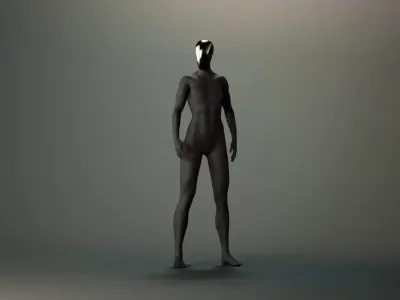
Figure 02 measures 168 x 50 x 30 cm and weighs 70 kg, featuring compliant actuators and integrated cabling for production line durability. Alpha is slightly taller at 170 x 45 x 30 cm but lighter at 60 kg, potentially aiding maneuverability in confined spaces. Both employ Linux-based systems, though Figure 02 emphasizes custom motors for joint optimization.

Mobility & Navigation
Figure 02 achieves 3 km/h (1.2 m/s) via vision-based SLAM with onboard cameras, supporting efficient movement in structured environments. Alpha reaches 5 km/h (1.39 m/s) using LiDAR, SLAM, and visual odometry for broader navigation adaptability. Figure 02's human-like foot design enhances stability on varied surfaces.
Sensors & Perception
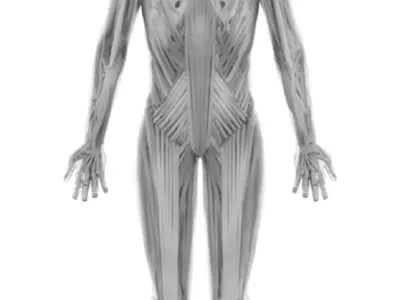
Figure 02 uses six RGB cameras, IMU, gyroscope, force sensors, touchless human detection, microphones, and speakers for visual reasoning. Alpha incorporates four depth cameras, 70 inertial sensors, 320 pressure sensors, IMU, gyroscope, and force sensors for detailed environmental feedback. Alpha's higher sensor count supports precise pressure mapping.
AI Capabilities
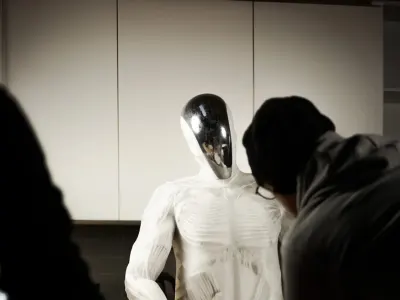
Figure 02 provides fully autonomous AI control with remote override, leveraging dual NVIDIA RTX GPUs for 3x inference over predecessors. Alpha offers AI automation with manual override on a custom platform. Both use ROS-style APIs, but Figure 02 integrates vision language models for object recognition.
Battery & Power Efficiency
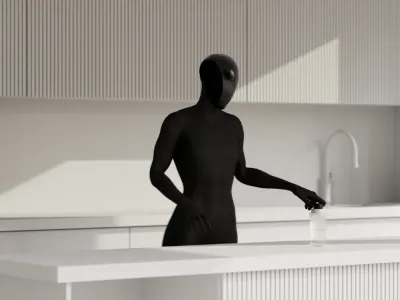
Figure 02 operates for 5 hours per charge with a torso-integrated battery, offering 50% capacity increase from prior models. Alpha claims 4.5 years battery life, though specifics on charge cycles remain unclear. Figure 02 prioritizes real-world runtime for continuous shifts.
Use-Case Suitability
Figure 02 excels in automotive assembly, repetitive industrial tasks, hazardous handling, and logistics via proven BMW trials. Alpha suits industrial automation, home assistance, research, and human collaboration. Figure 02 focuses on labor-shortage industries like manufacturing.
Software Ecosystem
Figure 02 runs a custom Linux-based OS with ROS-style APIs and NVIDIA Omniverse for simulation training. Alpha uses Linux-based, ROS-compatible software with a custom AI platform. Both enable developer integration for task customization.
Pricing & Value
Figure 02 costs $130,000, reflecting advanced AI and industrial readiness. Alpha is priced at $100,000, providing cost savings with extensive sensing. Value depends on deployment needs like speed versus autonomy depth.
Analysis Score Summary
Total Score
9
Figure 02
VS
Based on Detailed Analysis
Total Score
7
Alpha
📊 Win: 2 points | Trade-off: 1 point each
Scores are summed across every insight: a clear winner earns 2 points, while balanced trade-offs give each robot 1 point. The total reflects how often each robot outperforms the other (or shares the spotlight) throughout the detailed analysis sections.
Capabilities & Operational Tasks
Head-to-head comparison of what Figure 02 and Alpha can do, their applications, and capabilities.
What Can Figure 02 & Alpha Do?
21Core operational tasks, activities, and physical manipulation duties evaluated side-by-side.
| Task & Description | Model AFigure 0218 supported | Model BAlpha8 supported |
|---|---|---|
| Assembly | High | — |
| Autonomous task execution | High | High |
| Caregiving | — | Moderate |
| Carrying and transport | High | High |
| Collaborative work | — | High |
| Cooking | Moderate | — |
| Disassembly | Moderate | — |
| Human interaction | — | High |
| Inspection | High | — |
| Loading and unloading | High | — |
| Machine operation | High | — |
| Machine tending | High | — |
| Material handling | High | — |
| Move objects | High | High |
| Navigation | High | High |
| Packaging | High | — |
| Pick and place | High | High |
| Quality control | High | — |
| Repetitive physical tasks | High | — |
| Sorting | High | — |
| Tool use | High | — |
Technical Specifications
Head-to-head performance data and metrics
| Specification | Model AFigure 02 | Model BAlpha |
|---|---|---|
Functional Utility & Use Cases4 Comparative Metrics | ||
Control Method | Fully autonomous AI control with remote override | AI automation, manual override |
Use Cases | Automotive sheet metal placement, bin picking, conveyor-to-tote sorting (deployed at BMW Spartanburg), autonomous household dishwasher unloading demos (via Helix VLA) | Biomechanical musculoskeletal research, teleoperated hand-arm dexterity trials, artificial muscle contraction testing |
Multi Robot Coord | Supported (Capable of multi-robot industrial workflows) | Supported (Designed for enterprise fleet management) |
Pet Friendly | Not Applicable / No | Not Applicable / Experimental |
Manipulation & Load Capacity4 Comparative Metrics | ||
Carrying Capacity | 20 kg (44 lbs) | Research prototype |
Deadlift Capacity | 25 kg (55 lbs) | Research prototype |
Payload Type | 20 kg (44 lbs) continuous carrying capacity, up to 25 kg (55 lbs) max deadlift | Research musculoskeletal prototype (Upper-body biomimetic research only) |
Modular Attachments | Quick-change wrist flange for end-effectors | Grippers, camera modules, delivery compartments |
Kinematic Architecture & Dexterity4 Comparative Metrics | ||
Degrees of Freedom | 44 DoF | 164 Upper Body DoF actuated by water-driven hydraulic myofibers |
Material | Aluminum, composite, soft materials | Polymer skeleton, soft Myofiber muscles |
Mobility Type | Legged (Humanoid bipedal locomotion) | Stationary / Upper-Body Musculoskeletal Bust |
Hardware Interface | Ethernet RJ-45, USB-C | USB-C, Ethernet, GPIO |
Functional Utility & Use Cases
4 Comparative Metrics
Manipulation & Load Capacity
4 Comparative Metrics
Kinematic Architecture & Dexterity
4 Comparative Metrics
Related Comparisons
Discover similar robot matchups to expand your knowledge and find the perfect solution
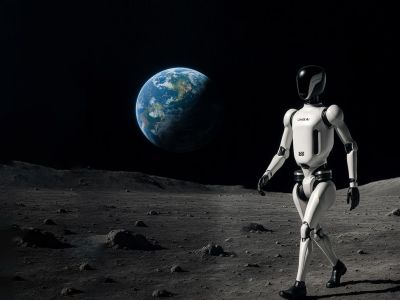
Alpha vs Martian
Alpha or Martian? Compare specs, speed, sensors, navigation, and battery performance.
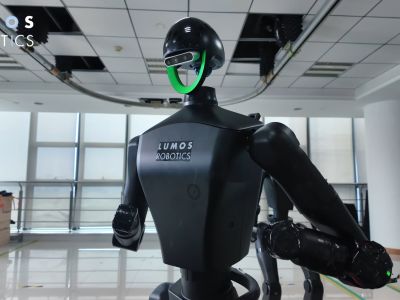
Alpha vs LUS2
Head-to-head: Alpha vs LUS2. Explore differences in navigation, battery, sensors, speed, and software.
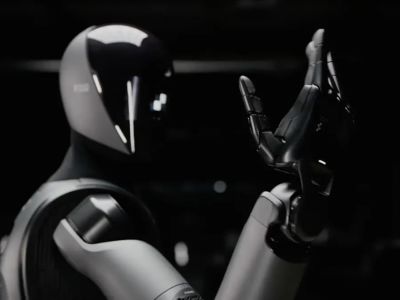
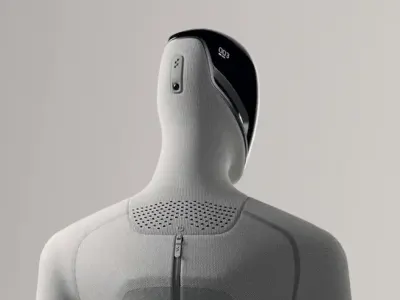
Figure 02 vs Figure 03
Compare Figure 02 and Figure 03 humanoid robots on design, AI, sensors, battery life, and pricing for industrial vs home use.

Optimus vs Figure 02
Compare Tesla Optimus and Figure AI's Figure 02 humanoid robots on specs, AI, mobility, price, and use-case suitability.
Disclaimer
All content, comparisons, and verdicts on this website are based on our research, testing, and opinion. While we strive for accuracy, we do not guarantee the completeness, reliability, or suitability of any information. Performance, specifications, and results may vary depending on usage and conditions. This website and its authors are not responsible for any decisions, actions, or outcomes based on the information provided. Always verify product details with the manufacturer before making purchase or operational decisions.