Optimus vs Figure 02 at a glance
Optimus is the more affordable option at $20,000–$50,000, while Figure 02 costs $130,000. Optimus is quicker, with a top speed of 2.2 m/s versus 1.2 m/s for Figure 02. Optimus is lighter at 57 kg, compared with 70 kg for Figure 02. Figure 02 has more degrees of freedom (44 against 40 for Optimus), which allows finer movement.
Which one fits your use?
Based on the uses each robot is built and marketed for. Open a use to see the specs that matter for it.
| Comparing for… | Optimus | Figure 02 |
|---|---|---|
| Suited | Suited | |
| Suited | Suited | |
| Not listed | Suited | |
| Not listed | Suited | |
| Not listed | Suited | |
| Not listed | Suited | |
| Not listed | Suited |
- Pick Figure 02 for research labs, education and training, hospitality, retail and public-facing roles, healthcare settings and hazardous or high-risk work.
- Both suit warehouse and logistics work and factory and manufacturing work, so compare the specs for that use.
Tesla's Optimus is positioned as an affordable, general-purpose humanoid robot targeting both industrial and domestic markets. It leverages Tesla's extensive experience in AI and manufacturing, integrating a fully autonomous FSD-based vision system and advanced sensors. Its price range of $20,000 to $30,000 aims to enable mass adoption, distinguishing it with a focus on agility, speed, and household use cases.
Figure AI’s Figure 02 is a higher-cost humanoid robot priced at $130,000, emphasizing advanced AI capabilities and industrial applications. It utilizes a custom Linux-based OS with ROS-style APIs and benefits from partnerships with technology leaders like OpenAI and Microsoft. Figure 02 focuses on intelligence, adaptability, and robustness for tasks such as automotive assembly and hazardous material handling.
Detailed Analysis
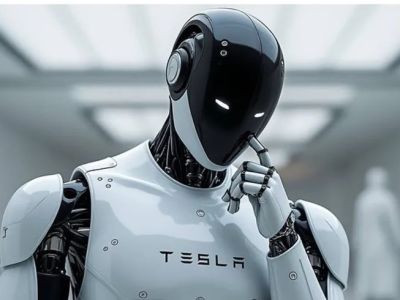
Optimus
Design & Build Quality
Optimus measures 173 x 55 x 38 cm and weighs 57 kg, featuring a sleek, articulated design with compliant actuators for safety and balance. Figure 02 is slightly smaller at 168 x 50 x 30 cm but heavier at 70 kg, designed for robustness in industrial settings. Both robots emphasize compliant actuators to ensure safe physical interaction and have multi-camera setups, but Figure 02’s added microphones and speakers indicate a focus on human interaction.
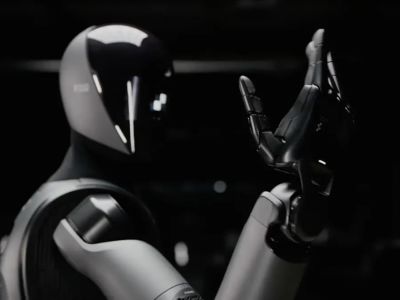
Figure 02
Mobility & Navigation
Optimus can reach speeds up to 8.06 km/h (2.24 m/s), significantly faster than Figure 02’s 4.3 km/h (1.2 m/s), reflecting Optimus’s design for agility and broader operational environments including domestic assistance. Both rely on vision-based navigation, with Optimus using Tesla’s FSD vision system and Figure 02 employing vision-based SLAM. Optimus also incorporates internal proprioception for refined motion control.
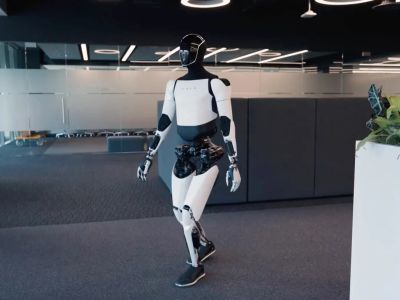
Optimus
Sensors & Perception
Optimus is equipped with RGB and stereo cameras, IMU, gyroscope, force, and temperature sensors providing rich environmental awareness and tactile feedback. Figure 02 also has multiple RGB cameras (six), IMU, gyroscope, force sensors, and adds specialized touchless human detection sensors, microphones, and speakers for enhanced interaction capabilities. This sensor suite supports Figure 02’s AI-driven adaptability and communication.
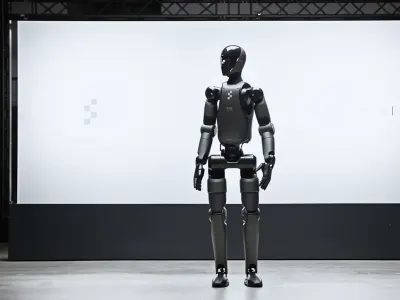
Figure 02
AI Capabilities
Optimus runs on Tesla’s custom OS integrating AI and the Full Self-Driving (FSD) system, focusing on imitation learning and task execution based on Tesla’s neural networks and computer vision expertise. Figure 02 uses a Linux-based OS with ROS APIs and benefits from partnerships with OpenAI and Microsoft, enabling advanced reasoning, natural language understanding, and multi-step task planning, highlighting its edge in intelligence and adaptability.
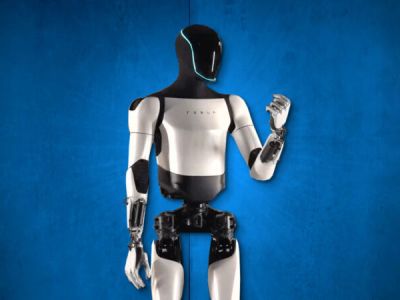
Optimus
Battery & Power Efficiency
Optimus offers approximately 8 hours of operational use on a single charge, supporting longer continuous tasks. Figure 02’s battery life is not explicitly specified but is reported to have a similar battery size (~2.25 kWh) with improvements noted in endurance (around 5 hours in some sources). Both aim to sustain industrial and service operations with emergency stop features for safety.
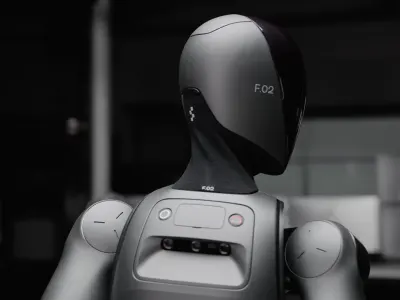
Figure 02
Use-Case Suitability
Optimus targets a wide range of applications including manufacturing, logistics, elder care, and domestic assistance, reflecting its versatile design and autonomous control system. Figure 02 focuses on specialized industrial tasks like automotive assembly, repetitive industrial work, hazardous material handling, and logistics automation, leveraging its advanced AI and robustness for demanding environments.
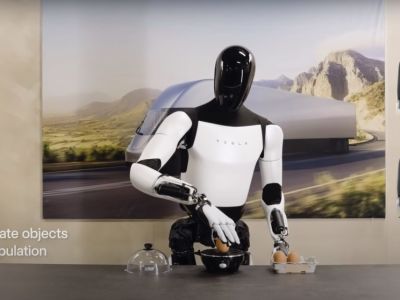
Optimus
Software Ecosystem
Optimus operates on a Tesla custom OS tightly integrated with Tesla’s AI and FSD technology, benefiting from Tesla’s automotive AI development and manufacturing scale. Figure 02 uses a Linux-based OS with ROS-style APIs, facilitating flexible development and integration with advanced AI models from partners such as OpenAI, enabling sophisticated interaction and task execution.
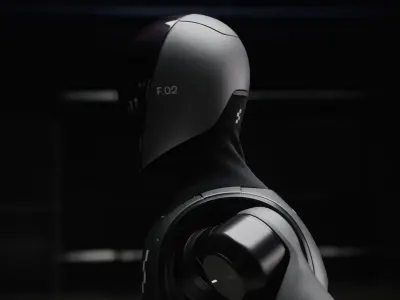
Figure 02
Pricing & Value
Optimus is priced between $20,000 and $30,000, aiming for affordability and mass production scalability due to Tesla’s manufacturing expertise. Figure 02, at $130,000, reflects a premium investment in advanced AI and industrial robustness, targeting niche applications where intelligence and adaptability are prioritized over cost.
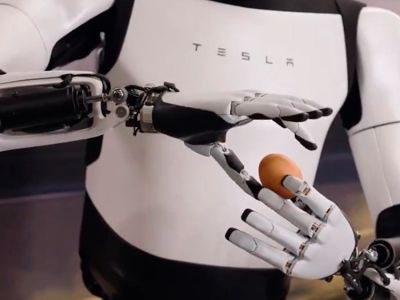
Optimus
Safety Features
Both robots incorporate emergency stop mechanisms, compliant actuators for safe physical interaction, and obstacle or collision detection systems. Optimus additionally integrates force and temperature sensors to enhance operational safety, while Figure 02 adds touchless human detection and audio sensors to improve situational awareness and responsive safety in complex environments.
Capabilities & Operational Tasks
Head-to-head comparison of what Optimus and Figure 02 can do, their applications, and capabilities.
What Can Optimus & Figure 02 Do?
188 tasks listed for both, 0 only for Optimus, 10 only for Figure 02.
Technical Specifications
Optimus and Figure 02 differ on 31 of the 47 specifications listed for both.
Functional Utility & Use Cases
4 Comparative Metrics
Manipulation & Load Capacity
4 Comparative Metrics
Kinematic Architecture & Dexterity
4 Comparative Metrics
Related Comparisons
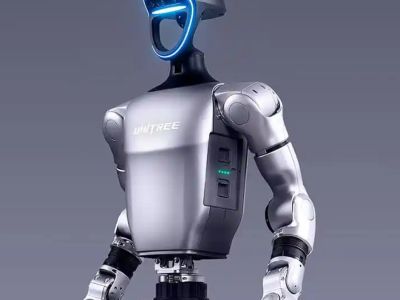
Optimus vs Unitree G1
Compare Optimus vs Unitree G1 for humanoid mobility, dexterity, autonomy, and payload capacity.
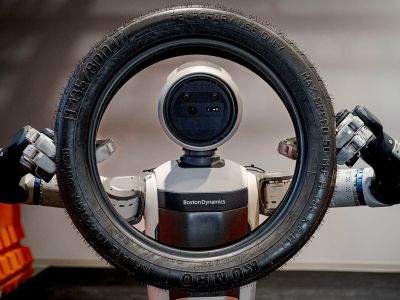
Optimus vs Atlas (Electric 2025)
In-depth comparison of Optimus and Atlas (Electric Atlas, 2025), covering hardware capabilities, teleoperation, and enterprise readiness.
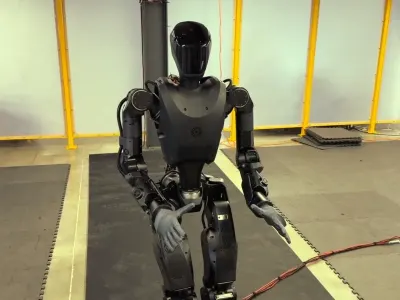
Optimus vs Phantom MK1
Optimus or Phantom MK1? See which humanoid robot performs better for manufacturing, logistics, defense, dexterity, autonomy, and payload in enterprise deployments.
Optimus vs 4NE-1 Mini
Which humanoid robot is better? Optimus vs 4NE-1 Mini compared for dexterity, AI capabilities, payload, and industrial vs research use cases.
Verdicts reflect our research and opinion. Confirm specifications with the manufacturer before buying.