Unitree’s H2 pushes humanoids toward teleoperation-first service work
Robot Details
Unitree H2 • Unitree RoboticsPublished
August 10, 2026
Reading Time
3 min read
Author
Origin Of Bots Editorial Team
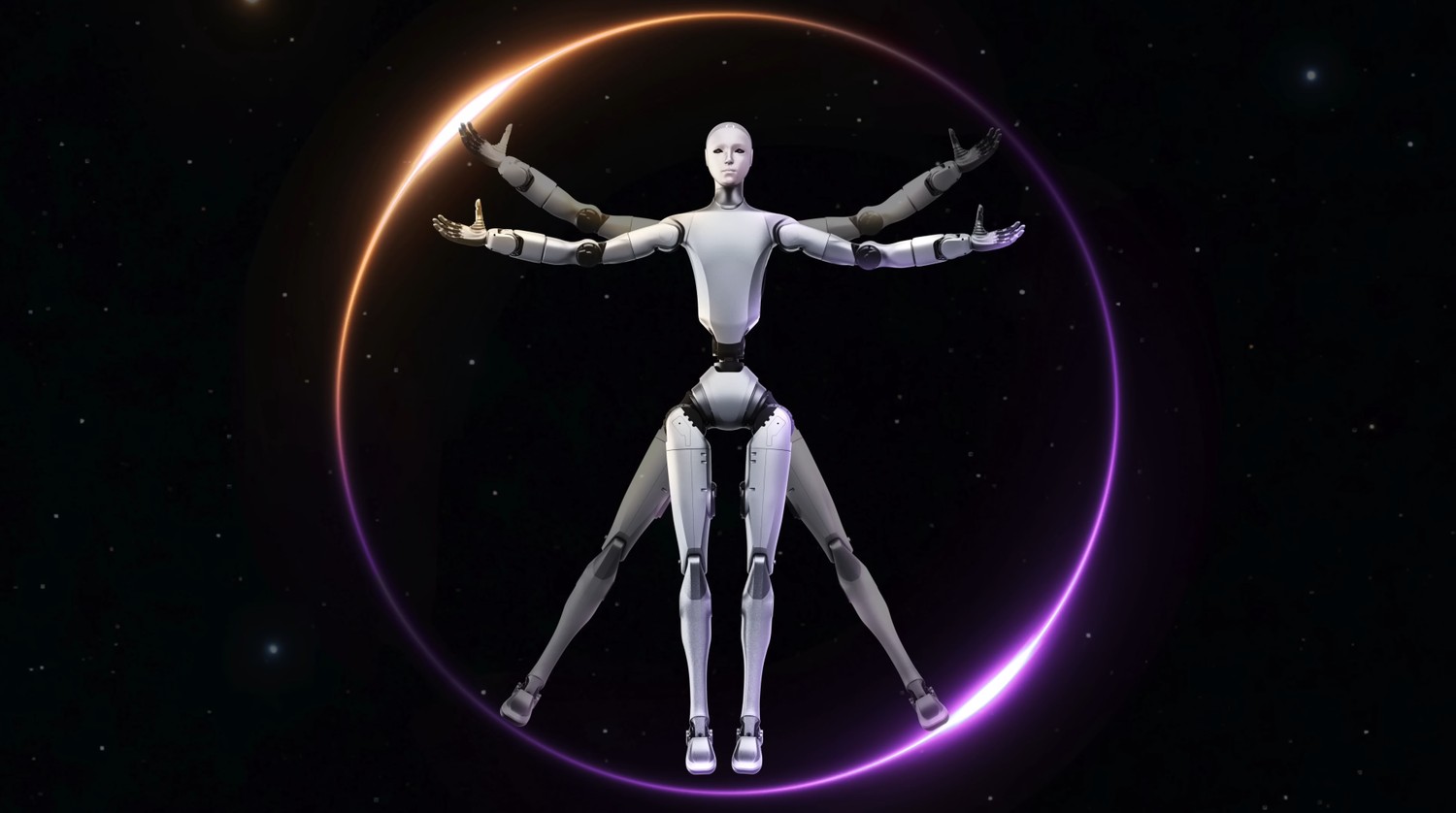
A larger human shape
Humanoid robots are being built to handle human spaces, where balance, reach, and two-handed manipulation matter more than raw speed. Unitree Robotics has now presented the H2, a human-scale humanoid designed to support service, collaboration, and research with a legged body, camera-based perception, and balance-oriented motion control.
Why this design matters
The H2’s relevance is less about one headline number than about the combination of full-body coordination, humanlike proportions, and teleoperation-ready control. Its reported 31 degrees of freedom, legged mobility, and manipulation-focused body plan point to a robot built for imitation of human motion rather than simple scripted movement, while its SLAM-style navigation and safety features suggest a machine meant to operate in crowded, structured environments. That makes it a useful signal for the category: humanoids are moving from showpiece locomotion toward practical control pipelines that can translate human intent into robot motion. Unitree H2 is about controlled humanlike work, not autonomous fantasy.
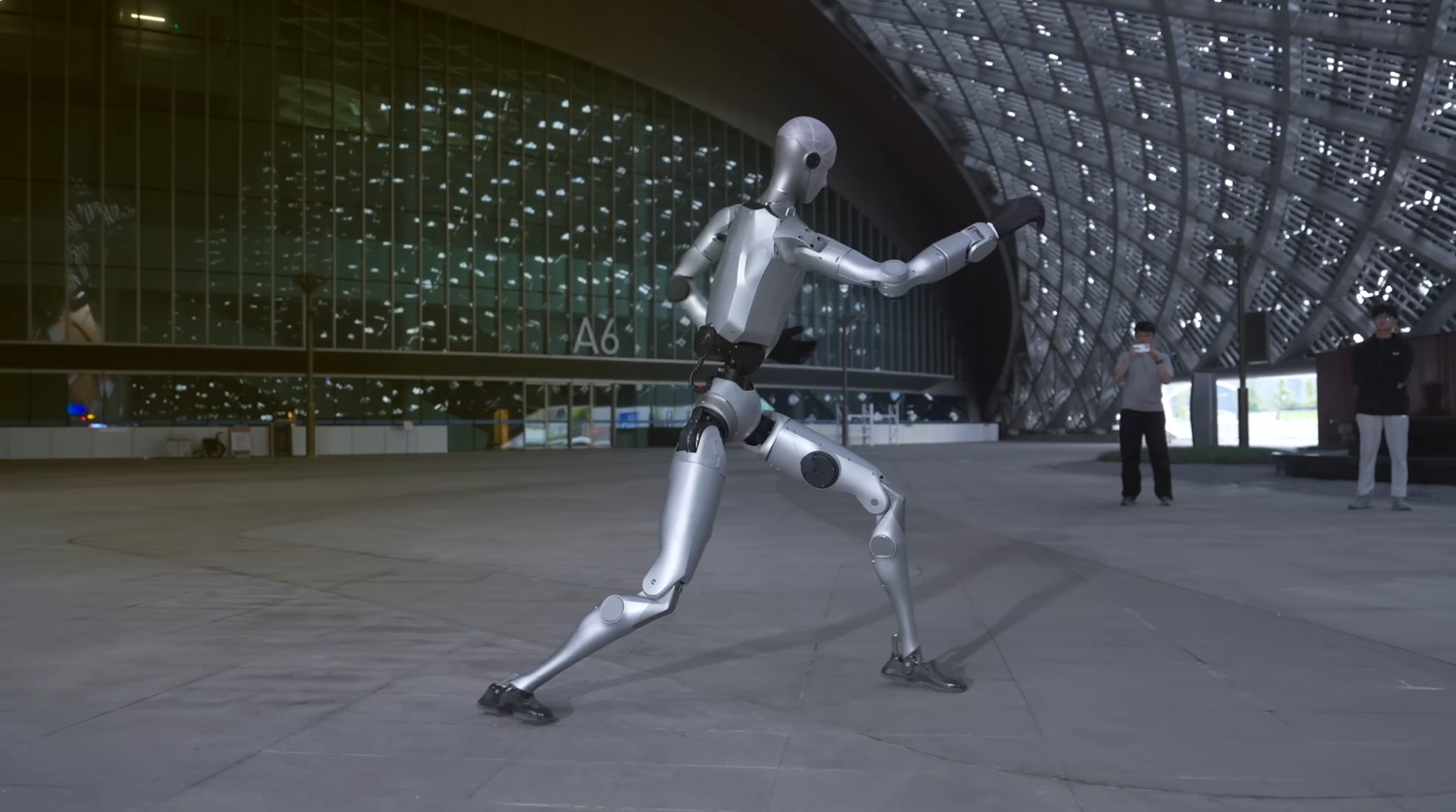
How it works
The core flow for a humanoid like H2 is human motion input, AI model processing, then joint actuation with continuous balance correction. In practice, that means cameras and movement sensors feed the control stack, SLAM or similar mapping helps it understand position in space, and the actuators coordinate the legs, torso, and arms so the robot can stay upright while performing a task. The software base on ROS and Linux fits that kind of development workflow, because both are commonly used to integrate perception, motion planning, and robot control.
A service doorway
One realistic deployment scenario is assisted service in a human-centric indoor space, such as moving tools or packages across a facility where stairs, narrow passages, and people are part of the environment. In that setting, the value of a humanoid is not autonomy alone but the ability to follow human-like motion patterns, carry objects with two arms, and recover balance if the environment changes unexpectedly. That is also where teleoperation matters most, because operators can guide the robot through edge cases that pre-programmed motion libraries handle poorly.

Reported capabilities
Unitree’s published materials and third-party technical summaries describe the H2 as standing about 182 cm tall, weighing about 70 kg, and moving at under 2 m/s, which positions it as a human-scale platform rather than a compact lab machine. The same sources describe a camera-based perception stack, emergency stop, obstacle avoidance, and ROS/Linux software support, all of which are practical enablers for supervised operation in controlled spaces. Battery life has not been disclosed in the official material available here, so the robot’s endurance remains an open question.
Rivals Edge Check
| Robot | Key Advantage | Where Unitree H2 Wins | Target Use |
|---|---|---|---|
| T1 Humanoid | Emphasis on humanoid motion and general-purpose form factor | Larger human-scale presence and reported service-oriented configuration | Research and human-led service |
| Unitree G1 | More compact humanoid design for tighter spaces | Taller body and broader reach for human-centric tasks | Research and manipulation demos |
| Apollo | Industrial positioning and task-focused deployment | More explicit emphasis on service, collaboration, and teleoperation-ready use | Industrial assistance |
| K1 Humanoid | Likely lighter, simpler humanoid platform | More complete full-body coordination and payload-oriented manipulation | Lab testing and education |
What the market signals
H2’s design points to a market that is still optimizing for teleoperation, not full autonomy, because that is where humanoids can already be useful in human environments. The important shift is not just stronger hardware, but the pairing of motion imitation, balance correction, and operator control into a single workflow that can be deployed in service and inspection settings. If that approach scales, the competitive advantage will come from how reliably a robot turns human intent into repeatable movement under supervision.
Explore Humanoids
Sources
Related Articles
Galbot G1 pushes teleoperation-first humanoids toward retail, pharmacy, and warehouse work
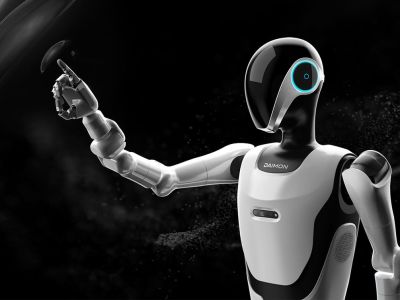
Daimon One Pushes Humanoid Teleoperation Toward Human-Centric Workspaces
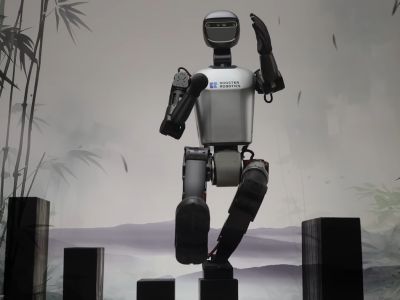
Booster Robotics K1 targets teleoperation-first humanoids with compact 95 cm body and 22-DoF platform
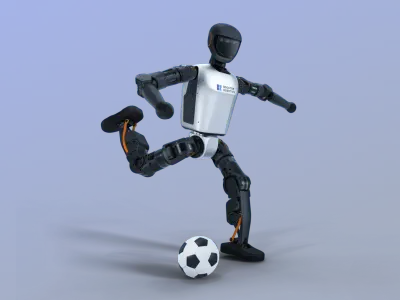
Booster Robotics’ T1 Humanoid Targets Teleoperation and Human-Centric Research
Related Comparisons
Compare Unitree H2 with similar robots
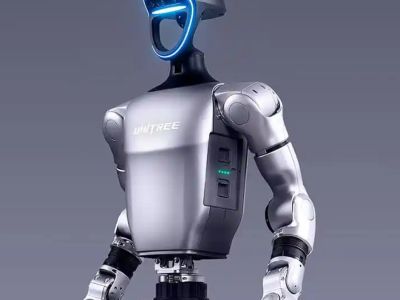
Unitree G1 vs Unitree H2
In-depth comparison of Unitree G1 and Unitree H2, covering hardware capabilities, teleoperation, and enterprise readiness.
Unitree H2 vs T800
Which robot wins? Unitree H2 vs T800 compared across navigation, battery, sensors, mobility, and price.

Optimus vs Unitree G1
Compare Optimus vs Unitree G1 for humanoid mobility, dexterity, autonomy, and payload capacity.
Unitree G1 vs Unitree H1
Head-to-head: Unitree G1 vs Unitree H1 compared on bipedal balance, AI learning, and real-world deployment.
Learn More About This Robot
Discover detailed specifications, reviews, and comparisons for Unitree H2.
View Robot Details →