Booster Robotics’ T1 Humanoid Targets Teleoperation and Human-Centric Research
Robot Details
T1 Humanoid • Booster RoboticsPublished
August 10, 2026
Reading Time
3 min read
Author
Origin Of Bots Editorial Team
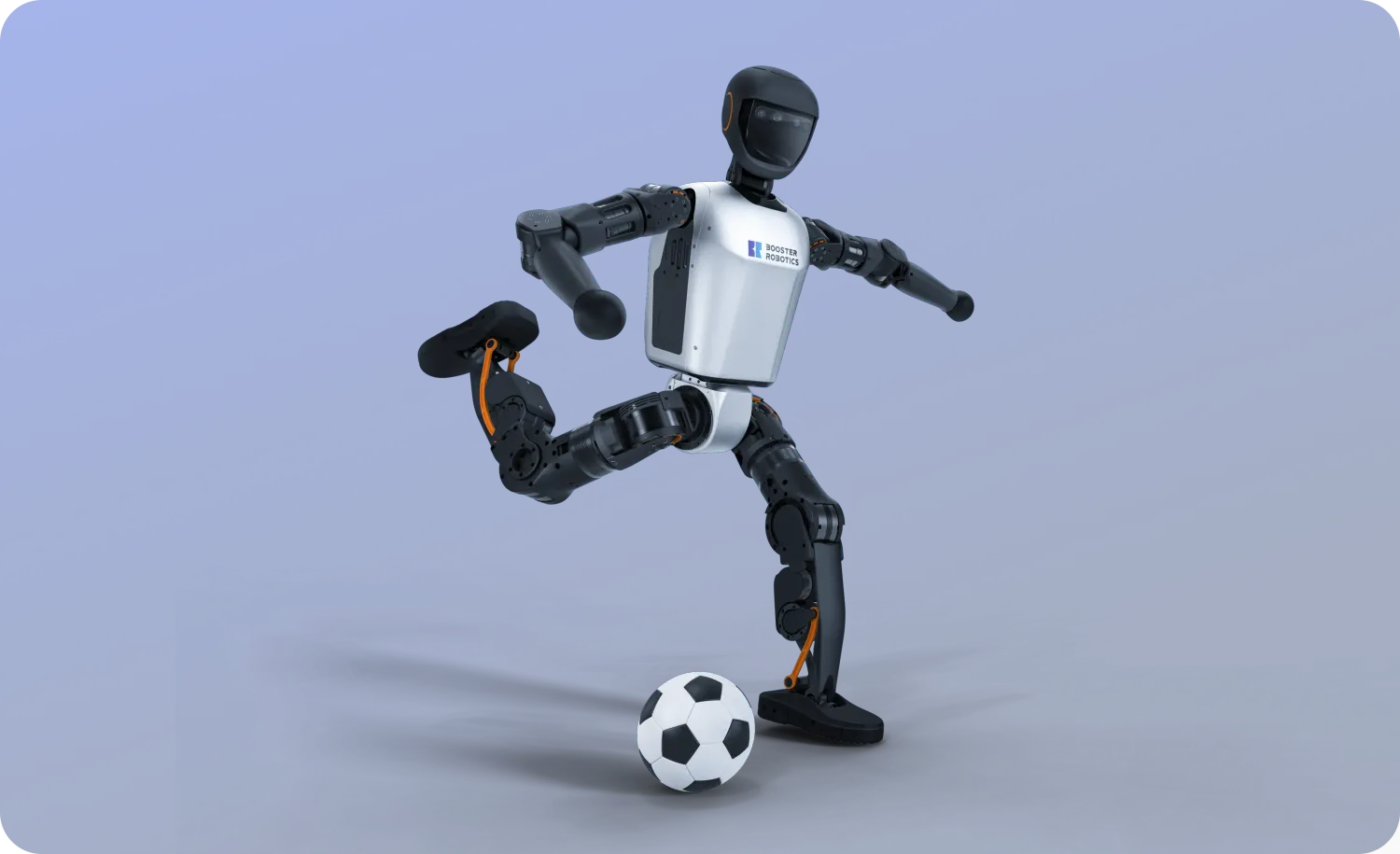
A Smaller Humanoid Push
Booster Robotics’ T1 humanoid is being positioned as a compact platform for full-body motion imitation, balance, and manipulation, with verified specifications describing a 118 cm by 47 cm by 23 cm body and a 30 kg build. The robot is designed around legged mobility and has been shown in the company’s developer-facing materials as a ROS2 and Linux-based system for research labs, universities, industrial prototyping, service robotics, human-robot interaction studies, and competitive robotics events.
Why It Stands Out
What makes T1 relevant is not raw size but the way its design aligns with teleoperation-first humanoid work: full-body coordination, natural human-robot interaction, and real-time imitation fidelity. Its sensor set, which includes an RGBD camera, 3D LiDAR, a 9-axis IMU, a six-microphone array, force sensors in the joints, and dual-encoder joint feedback, is aimed at keeping motion stable while interpreting a human operator’s movements in dynamic spaces. For teams studying how humanoids can move and respond like people rather than follow scripted paths, that combination matters more than speed alone. T1 is less about autonomous theatrics and more about making human control feel physically reliable.
How It Works
The technical flow for T1 follows a familiar humanoid chain: human motion input, AI model processing, then joint actuation with balance correction. In practice, that means the robot is built to interpret operator intent through its perception stack and controller, then translate it into coordinated leg, arm, and torso motion while correcting for posture and stability through onboard feedback. The result is a platform shaped for imitation and teleoperation rather than pre-programmed routines.
A Lab Control Room
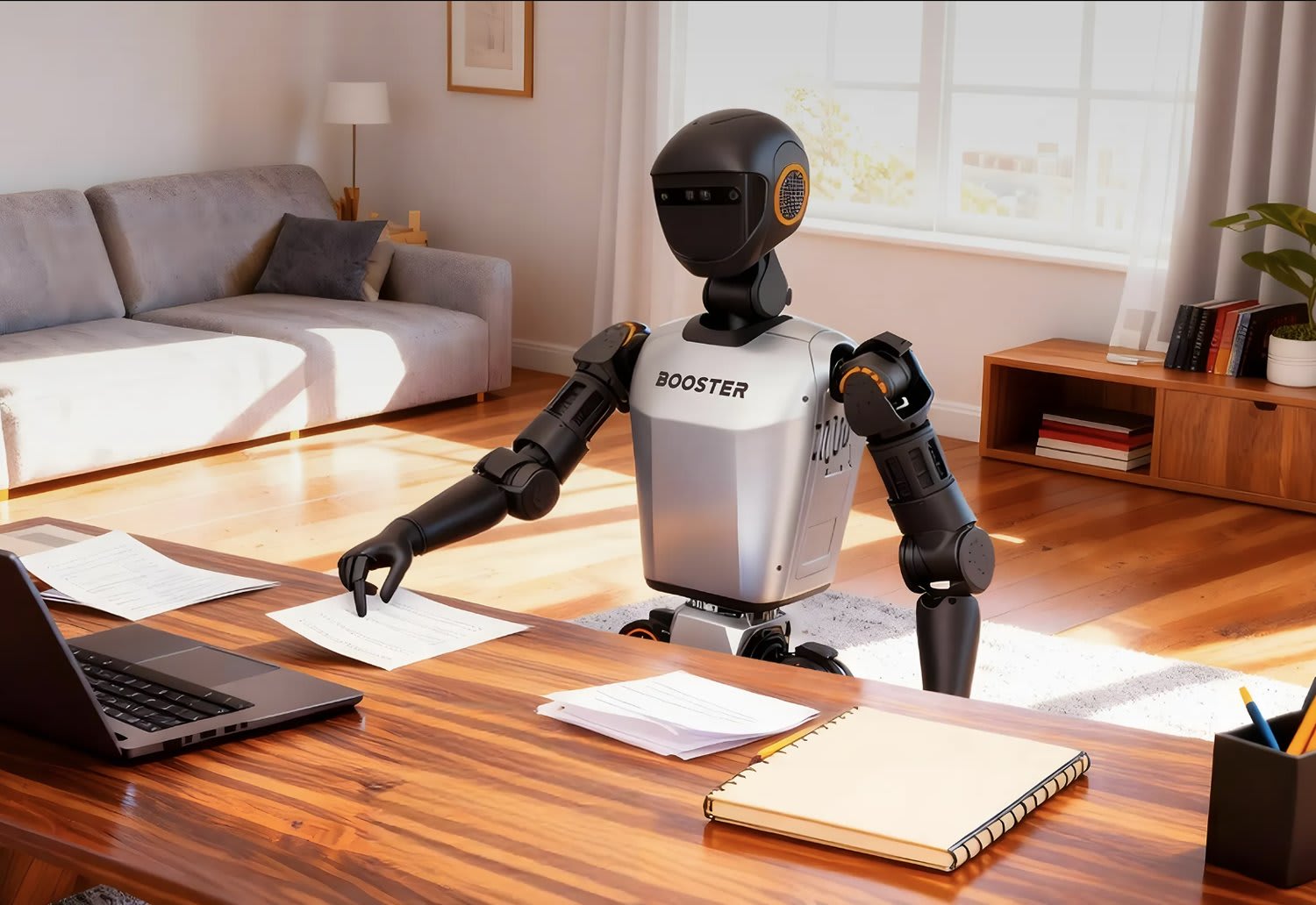
One realistic deployment scenario is a university or corporate research lab using T1 to test teleoperated manipulation in a human-scale environment. In that setting, the robot’s legged mobility, obstacle avoidance, and emergency stop are important because the operator may be trying to move through corridors, approach desks, or handle tools while the system continuously corrects balance. That makes T1 useful for evaluating how much dexterity and responsiveness a compact humanoid can provide before the harder question of scale, cost, and deployment reliability comes into play.
Capability In Numbers
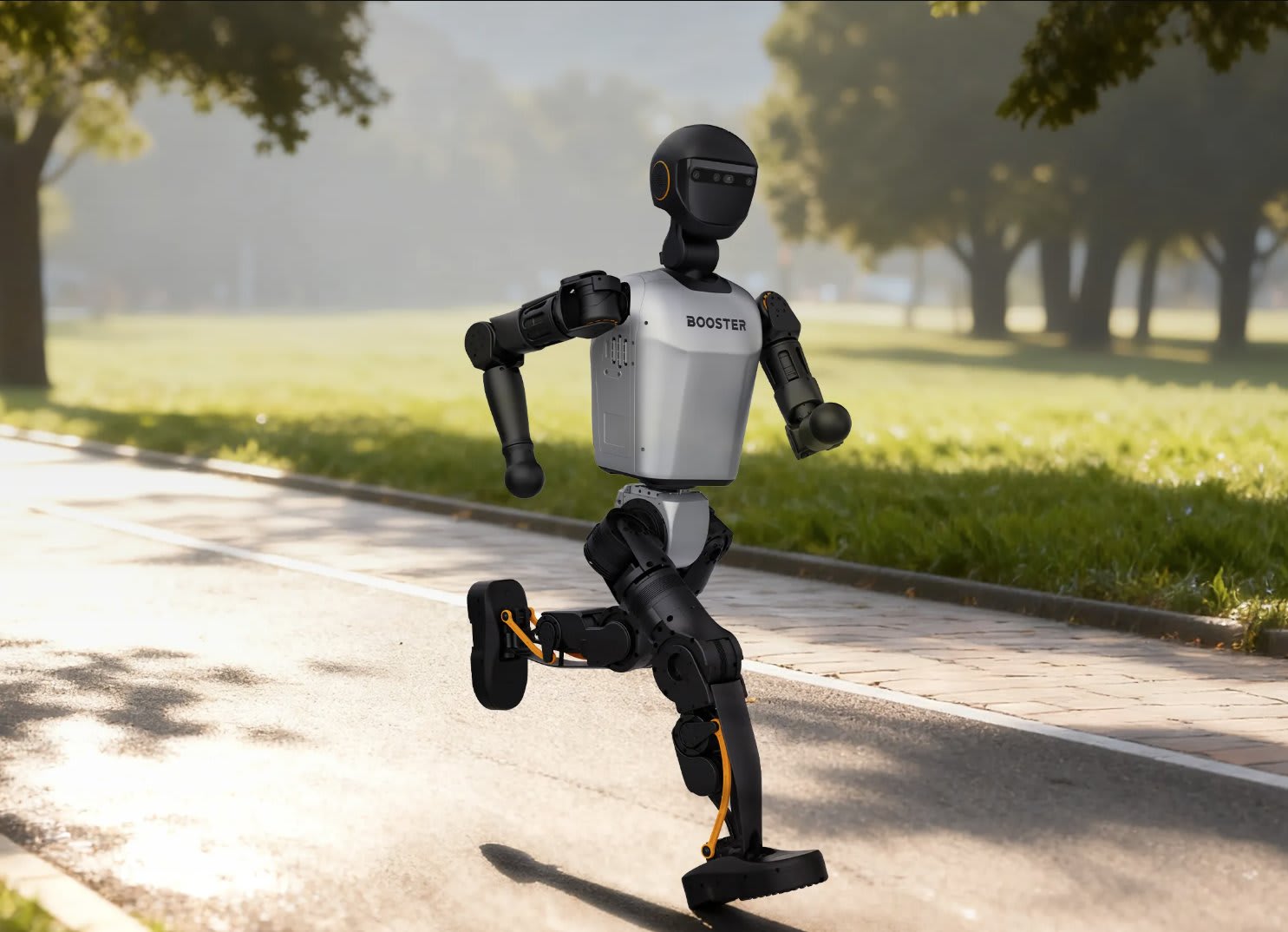
T1’s reported dimensions and 30 kg weight make it portable enough for lab and demo environments without becoming a tabletop machine, while its 3.5 km/h max walking speed, or about 0.97 m/s / 2.2 mph, suggests measured indoor movement rather than fast navigation. The battery life is described in manufacturer and database materials as 3 to 5 years, which points to long hardware service life rather than continuous runtime, and the robot is also described as carrying packages and tools in supported task scenarios. Those specs frame T1 as a research and prototyping asset built for repeatable human-facing work, not long-range autonomy.
Rivals Edge Check
| Robot | Key Advantage | Where T1 Humanoid Wins | Target Use |
|---|---|---|---|
| Unitree G1 | Broader market visibility and a strong general-purpose humanoid profile | T1 emphasizes developer workflows, ROS2/Linux openness, and teleoperation-oriented human interaction | Research and prototyping |
| K1 Humanoid | Smaller development-platform framing | T1 offers a more humanoid full-body package for motion imitation and manipulation studies | Labs and universities |
| Apollo | Service-robot positioning and practical task framing | T1’s compact form and sensor stack are better matched to controlled human-centered experiments | Service robotics trials |
| Unitree H2 | Larger humanoid scale and heavier-duty ambitions | T1 is easier to deploy in indoor research settings and competitive events | Human-robot interaction and competitions |
Industry Direction Shifts
T1 also signals a wider shift in humanoids toward systems that can be piloted, studied, and iterated on before they are expected to work independently. That matters because teleoperation-first machines are easier to validate in human-centric spaces than fully autonomous humanoids, especially where balance, manipulation, and interaction quality are the real bottlenecks. For the category, the competitive question is becoming less about whether a humanoid can stand and walk, and more about how well it can be controlled, trusted, and repeated by people.
Explore Humanoids
Sources
Related Articles
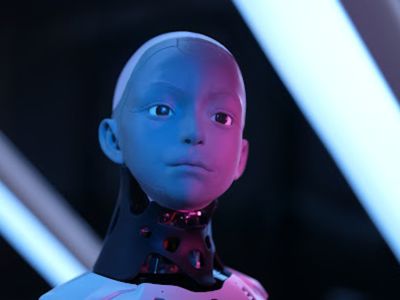
AnyWit’s Annie puts the spotlight on expressive humanoid heads, not full-body autonomy
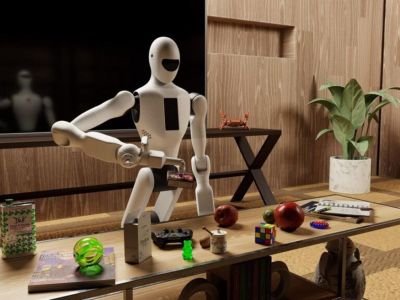
Galbot G1 pushes teleoperation-first humanoids toward retail, pharmacy, and warehouse work
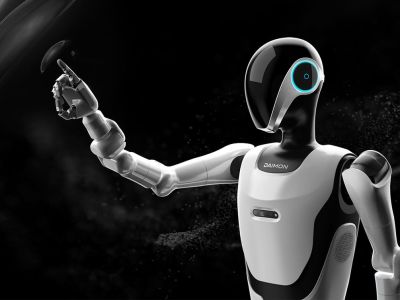
Daimon One Pushes Humanoid Teleoperation Toward Human-Centric Workspaces
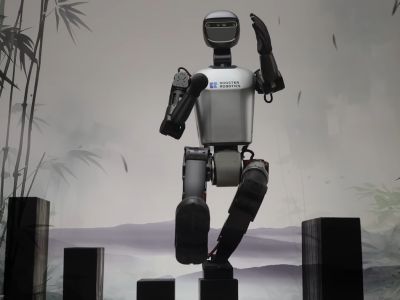
Booster Robotics K1 targets teleoperation-first humanoids with compact 95 cm body and 22-DoF platform
Related Comparisons
Compare T1 Humanoid with similar robots

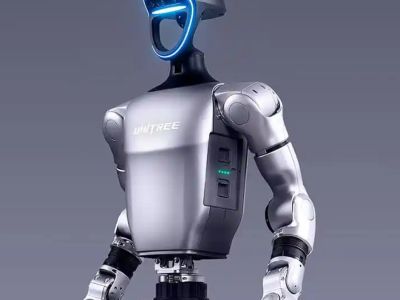
Optimus vs Unitree G1
Compare Optimus vs Unitree G1 for humanoid mobility, dexterity, autonomy, and payload capacity.
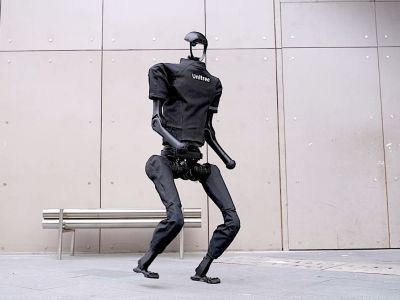
Unitree G1 vs Unitree H1
Head-to-head: Unitree G1 vs Unitree H1 compared on bipedal balance, AI learning, and real-world deployment.
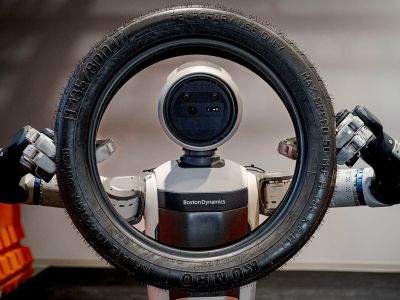
Optimus vs Atlas (Electric Atlas, 2025)
In-depth comparison of Optimus and Atlas (Electric Atlas, 2025), covering hardware capabilities, teleoperation, and enterprise readiness.

Ameca vs Moya
Which humanoid robot is better? Ameca vs Moya compared for dexterity, AI capabilities, and price.
Learn More About This Robot
Discover detailed specifications, reviews, and comparisons for T1 Humanoid.
View Robot Details →