AnyWit’s Annie puts the spotlight on expressive humanoid heads, not full-body autonomy
Robot Details
Annie • Anywit RoboticsPublished
August 10, 2026
Reading Time
3 min read
Author
Origin Of Bots Editorial Team
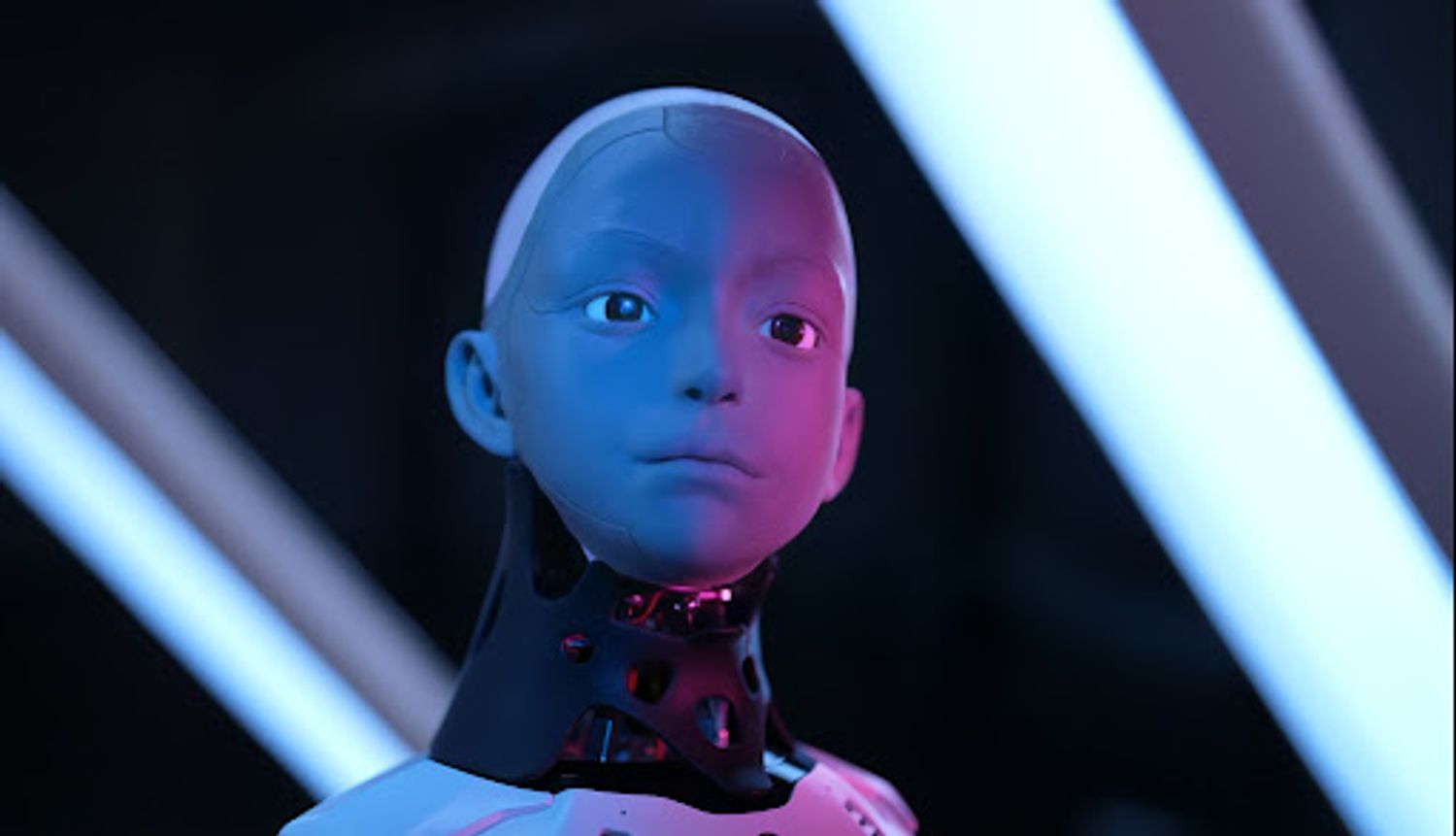
A face-first demo
Humanoid robots are still trying to solve the hardest parts of human interaction, from natural eye contact to believable expression and speech timing. AnyWit Robotics has now put its Annie system into the public eye as a bionic humanoid head demo focused on lifelike facial motion, gaze, and conversational presence, rather than full-body locomotion.
Why it matters
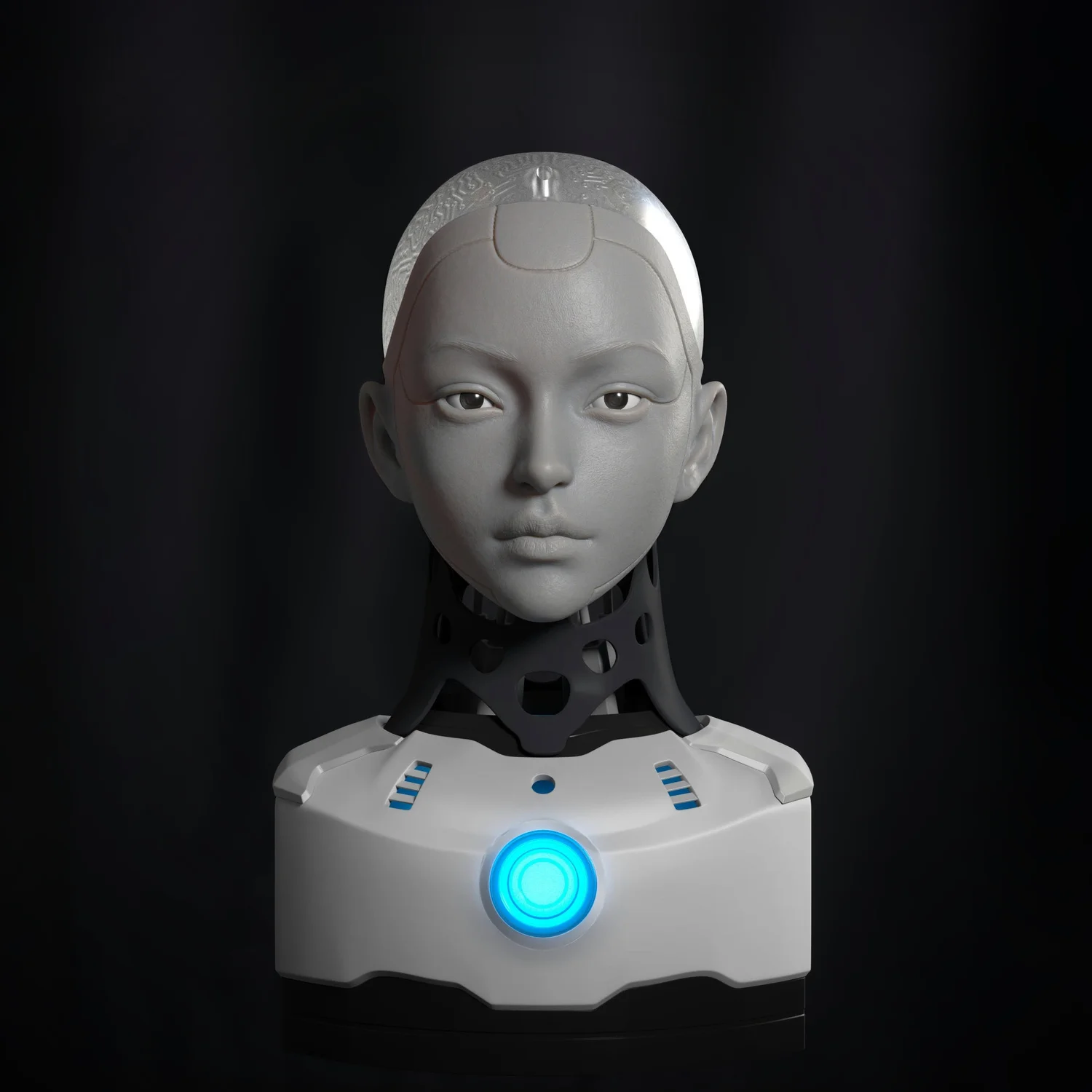
Annie stands out because its value proposition is concentrated in the face: a reported 34 degrees of facial freedom, gaze tracking, and expression actuators designed to make interaction feel more natural. That matters in reception, customer service, and education settings, where a robot’s ability to hold attention and signal intent can be more important than walking speed or payload. It also fits the broader shift in humanoids toward teleoperation-first systems that prioritize human-controlled interaction fidelity over pre-scripted motion libraries. Annie is less about moving through the world and more about making the robot-human exchange feel immediate.
How it works
The system flow is straightforward for a humanoid interaction robot: human motion and speech cues are captured through RGB cameras, depth sensors, and microphones, then processed by a Linux-based stack that is ROS-compatible and exposed through Python APIs and proprietary AI middleware. That processing layer then drives facial expression actuators and gaze behavior, producing the output the user sees as eye contact, lip-sync timing, and animated response. Because the platform is stationary, the emphasis is on perception, expression, and dialogue rather than joint coordination or balance correction.
Reception desk use
In a reception or front-desk deployment, Annie’s strongest role is to act as a visible conversational interface that can greet visitors, capture attention, and sustain engagement while staff handle higher-value work. The stationarity is an advantage here because it simplifies placement, power, and supervision in controlled indoor spaces. In that setting, the robot’s facial cues and gaze tracking are doing the operational work of signaling presence, listening, and turn-taking.
What the hardware suggests
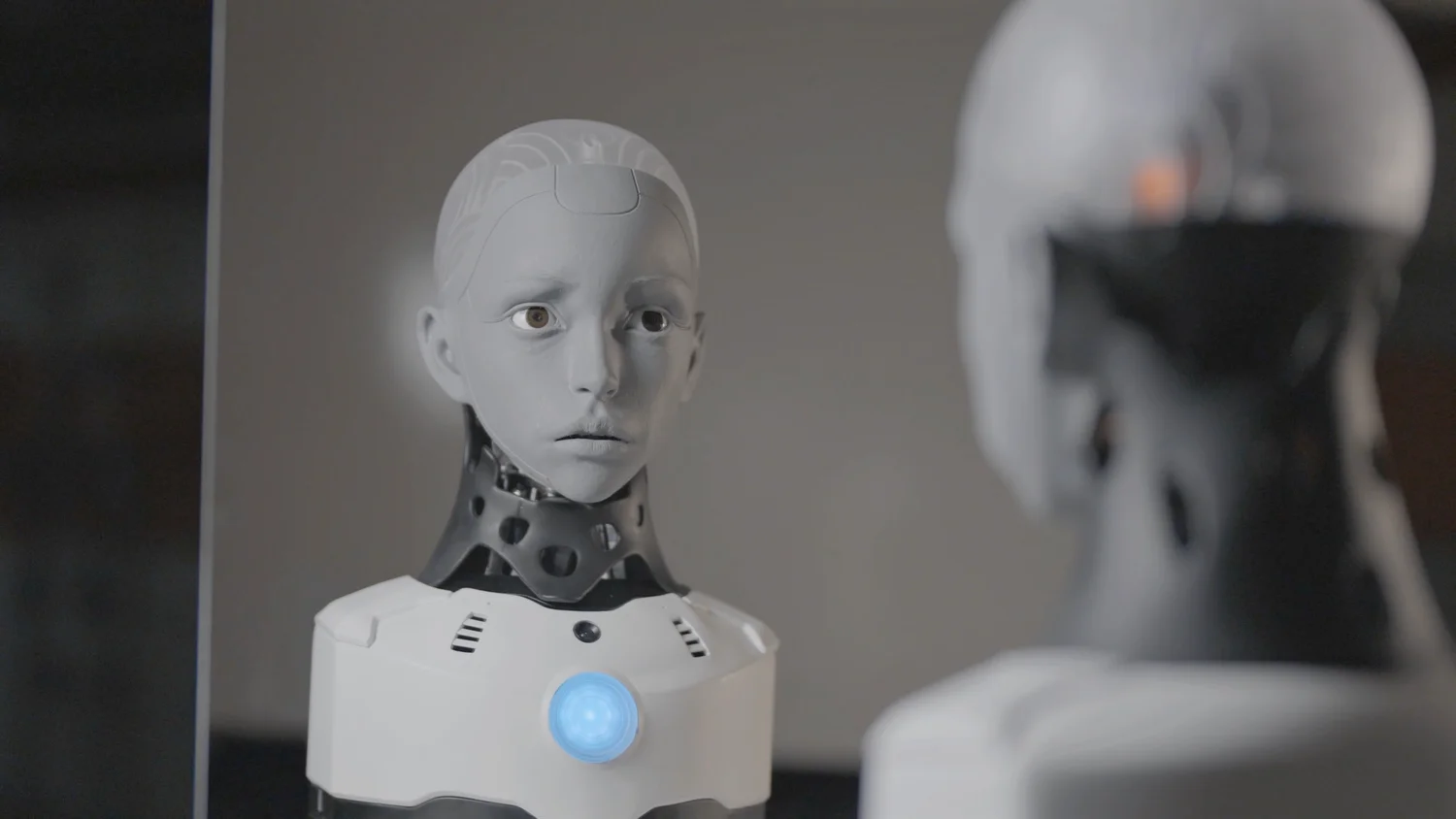
The reported 40 cm x 30 cm x 50 cm head unit and 12 kg weight suggest a compact platform intended for desk or kiosk use rather than mobile operation. Its sensor set, which includes RGB cameras, depth sensing, microphones, facial actuators, and gaze tracking, is designed to support real-time interaction instead of navigation. The Linux-based software stack, ROS compatibility, and Python APIs point to a system meant to be integrated into research, demo, and service workflows.
Rivals Edge Check
| Robot | Key Advantage | Where Annie Wins | Target Use |
|---|---|---|---|
| B Series Robot | Broader humanoid platform positioning | More focused facial expressiveness and gaze behavior | Human-robot interaction demos |
| Elf V1 Series | Likely fuller humanoid interaction scope | Simpler stationary deployment and face-first presence | Service and reception use |
| DR01 | Stronger emphasis on embodied humanoid motion | Greater naturalness in facial expression and eye contact | Public-facing interaction |
| GoMate | Broader mobile humanoid positioning | Better fit for controlled indoor engagement | Demo and education settings |
Industry direction
The larger industry signal is that humanoid robotics is no longer one design race, but two. One track is chasing autonomy, locomotion, and manipulation; the other is chasing believable interaction in spaces where people already work, learn, and wait. Annie suggests AnyWit believes the second track can commercialize faster, especially in teleoperated or supervised settings where emotional legibility is a product feature, not a side effect.
Explore Humanoids

Related Articles
Menlo Research’s Asimov v1 pushes humanoid teleoperation into open-source territory

UBTECH’s UWORLD U1 Lite puts humanoid interaction on a fixed base, not a walking frame
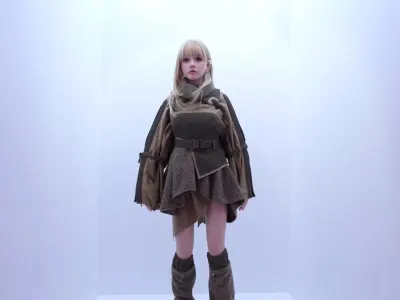
UBTECH’s UWORLD U1 Pro arrives as a full-size humanoid built for teleoperation and human-centered service

UBTECH’s UWORLD U1 Ultra marks a mass-production push into full-size humanoid companionship
Related Comparisons
Compare Annie with similar robots

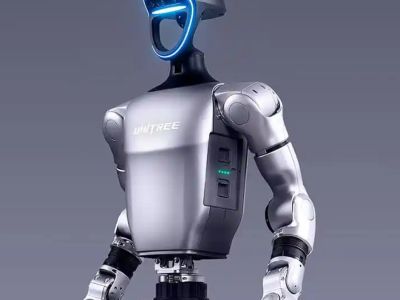
Optimus vs Unitree G1
Compare Optimus vs Unitree G1 for humanoid mobility, dexterity, autonomy, and payload capacity.
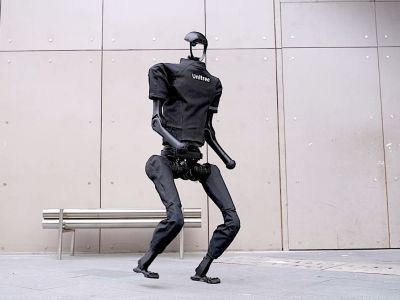
Unitree G1 vs Unitree H1
Head-to-head: Unitree G1 vs Unitree H1 compared on bipedal balance, AI learning, and real-world deployment.
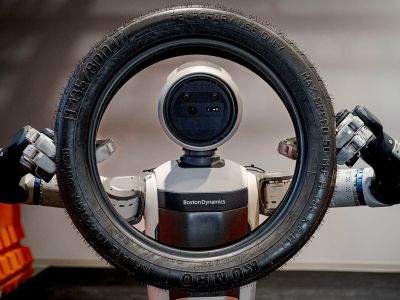
Optimus vs Atlas (Electric Atlas, 2025)
In-depth comparison of Optimus and Atlas (Electric Atlas, 2025), covering hardware capabilities, teleoperation, and enterprise readiness.
Ameca vs Moya
Which humanoid robot is better? Ameca vs Moya compared for dexterity, AI capabilities, and price.
Learn More About This Robot
Discover detailed specifications, reviews, and comparisons for Annie.
View Robot Details →