UBTECH’s UWORLD U1 Ultra marks a mass-production push into full-size humanoid companionship
Robot Details
UWORLD U1 Ultra • UBTECH RoboticsPublished
August 10, 2026
Reading Time
3 min read
Author
Origin Of Bots Editorial Team
Launch and context
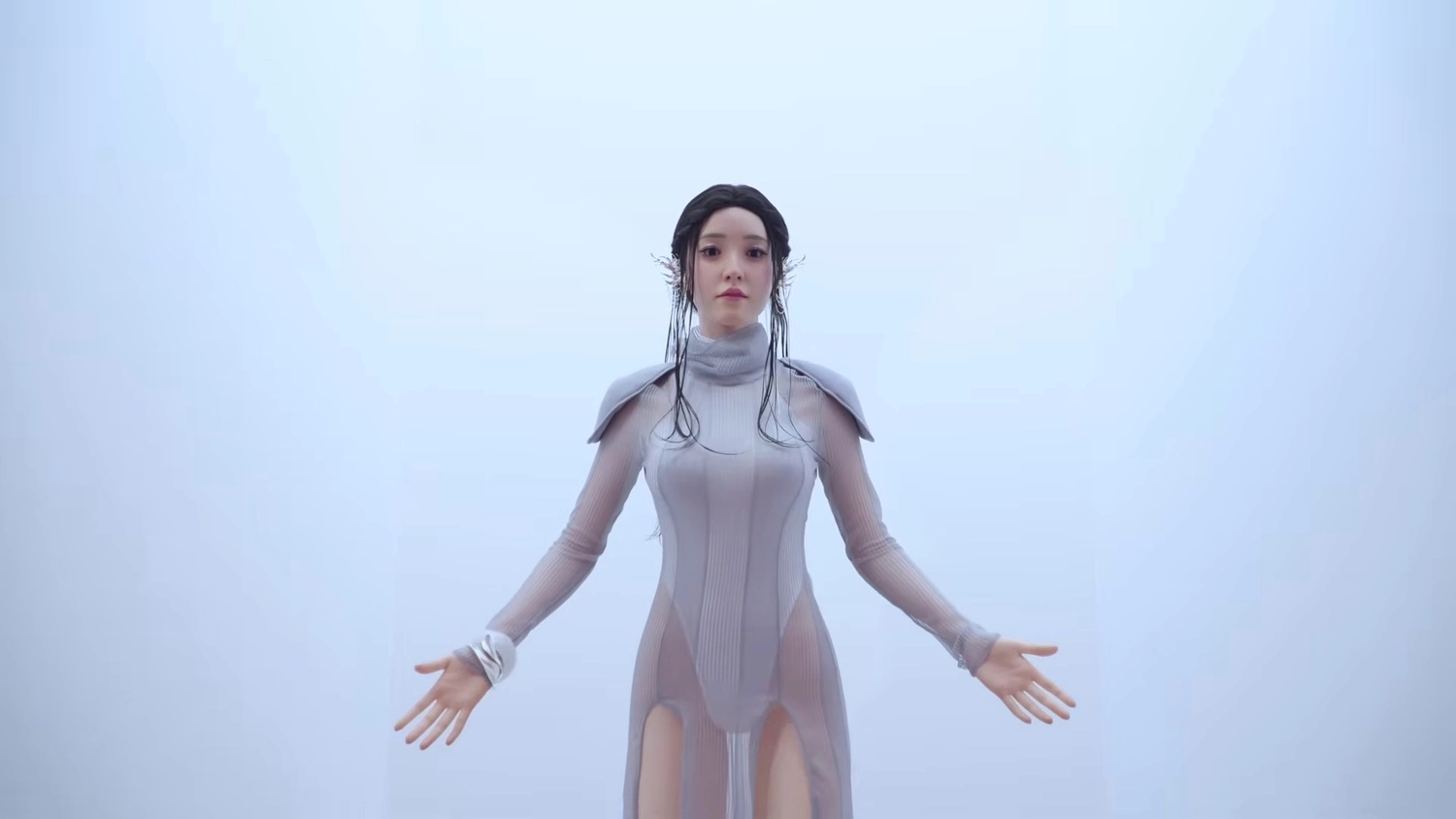
UBTECH unveiled the UWORLD U1 series at its 2026 global launch event in Shenzhen, positioning the full-size humanoid line as its first mass-production platform and naming the U1 Ultra as the high-dynamic flagship. The launch matters because humanoids are increasingly being pitched not as lab curiosities, but as teleoperated systems for human-centric spaces where balance, motion imitation, and natural interaction all have to work together.
Why it stands out
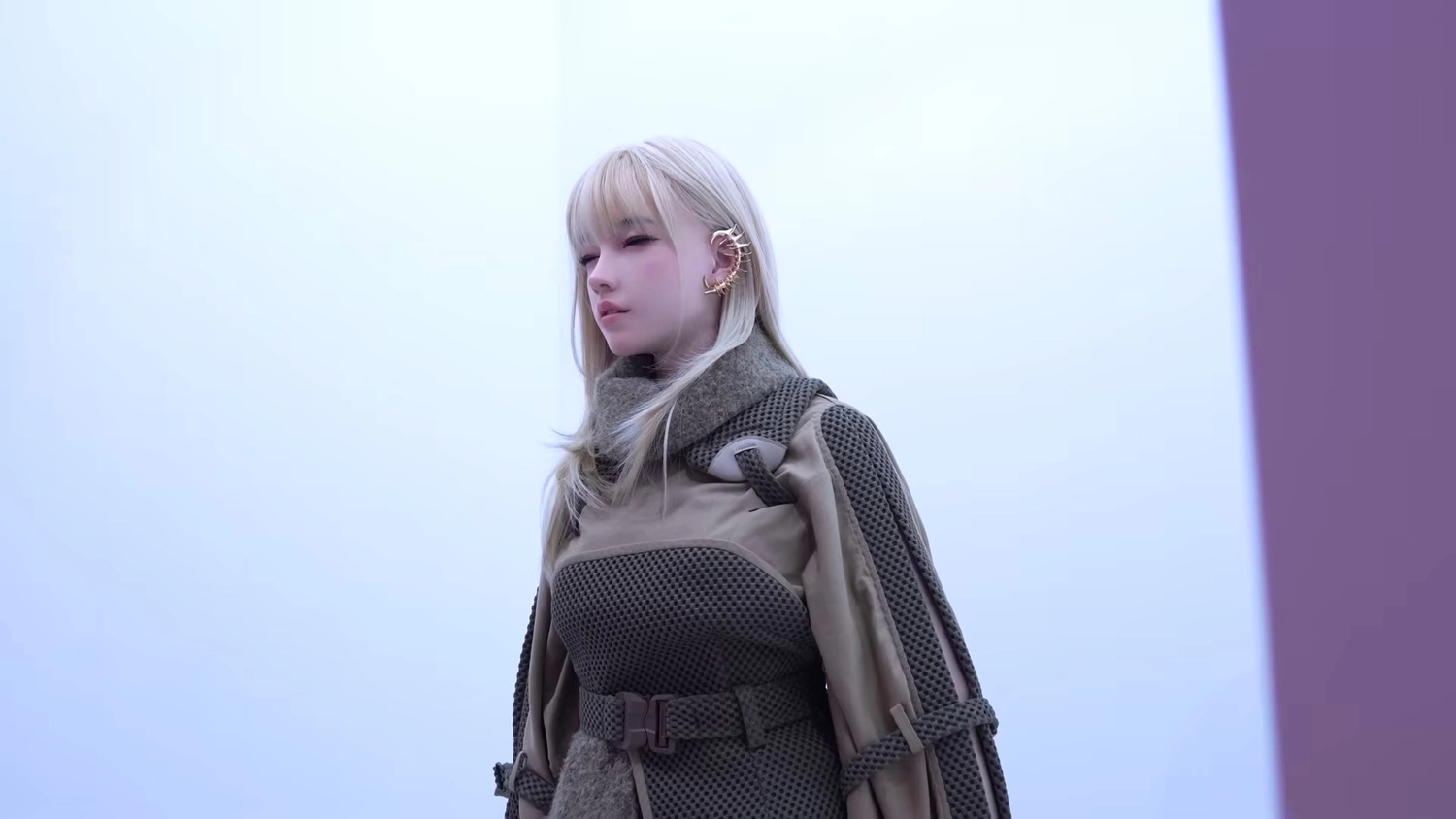
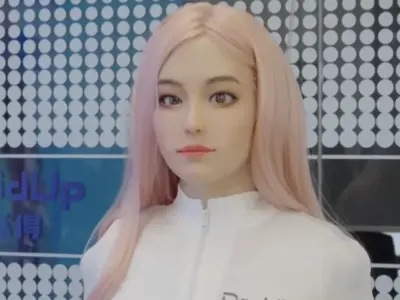
The U1 Ultra is differentiated by its full-body bipedal form, its emphasis on real-time human motion imitation, and its stated focus on teleoperation-first use rather than pre-scripted movement. UBTECH is also framing the robot around interaction-heavy roles such as reception, hospitality, and companionship, which puts the product in a more socially exposed category than many industrial humanoids. Its reported 88 degrees of freedom and biomimetic neck design suggest a machine built to make motion look continuous rather than mechanical. The takeaway is simple: UWORLD U1 Ultra is aimed at making human control feel more natural than robot autonomy.
How it works
Human motion input enters the system through its sensor stack, including RGB cameras, stereo cameras, an IMU, a gyroscope, force sensors, ultrasonic sensors, and a microphone array. That data is processed by its proprietary OS with Python and ROS2 support, then translated into joint actuation with balance correction through visual SLAM and legged locomotion. In practical terms, the robot is designed to see a person move, interpret the motion, and mirror it while staying upright.
Reception floor test
A realistic deployment scenario is reception and greeting in a controlled indoor setting, where the robot can stand at human scale, track nearby people, and respond to simple interaction cues while an operator supervises the session. In that environment, its value is less about independence and more about consistency: it can present itself as a polished front-of-house presence while handling repeated social interactions that would be difficult to staff continuously. That makes the U1 Ultra closer to a teleoperated service avatar than a fully autonomous concierge.
Capability profile
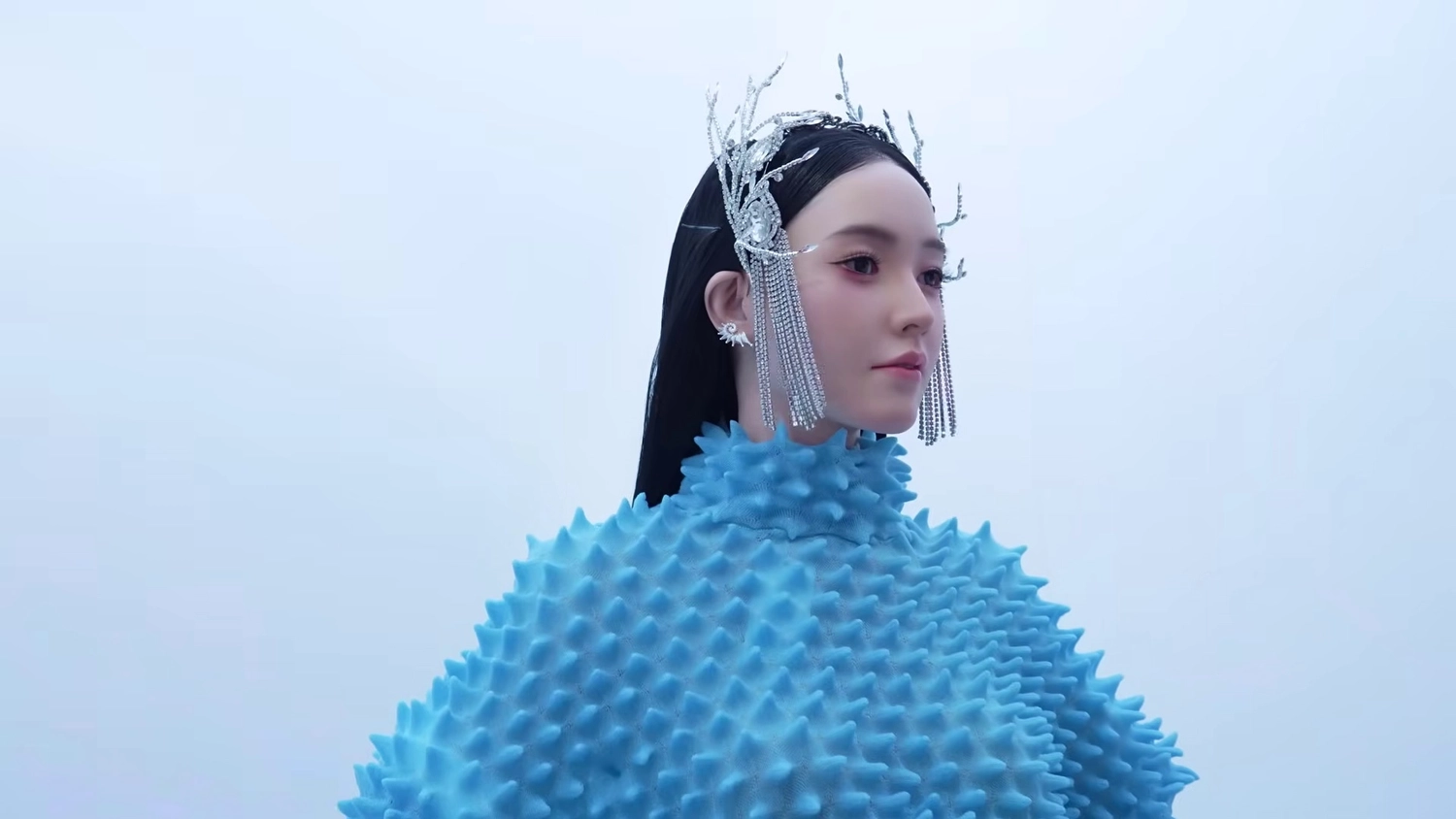
The reported height of 168.0 cm helps the robot operate at near-human eye level, which is important for direct interaction and motion imitation. Its 35.2 kg female version and 42 kg male version indicate a platform light enough to support humanoid mobility, while the 1.5 m/s speed target suggests it is designed for ordinary indoor walking rather than fast traversal. UBTECH also says battery life is intended at 3–5 years, and the payload focus spans people interaction, precision instruments, and packages, which broadens the robot’s service role without turning it into a heavy-duty carrier.
Rivals Edge Check
| Robot | Key Advantage | Where UWORLD U1 Ultra Wins | Target Use |
|---|---|---|---|
| Kengo | Likely strong motion fidelity and human-like presentation | Stronger emphasis on full-size consumer-facing interaction and teleoperation branding | Service and companionship demos |
| Moya | Likely designed around agile humanoid movement | More explicit mass-production and reception-oriented positioning | Human-centric service spaces |
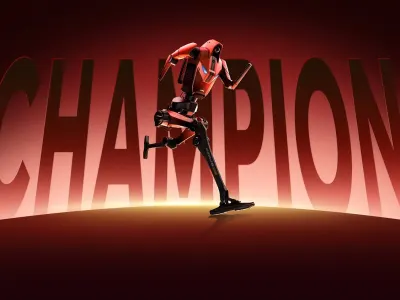
| Honor D1 (Lightning) | Likely speed or dynamic movement focus | More balanced use case mix with social interaction and indoor deployment | Assistance and demonstrations |
| Embodied Tien Kung 3.0 | Likely research and advanced humanoid control emphasis | Broader commercial framing and direct front-of-house utility | Research and assisted service |
Industry signal
UBTECH’s launch signals that humanoid robotics is moving toward teleoperation-first systems that can be sold for specific human-centered tasks before they are fully autonomous. That matters because it sets a more realistic commercial path: robots can enter reception, hospitality, and assisted service settings while the industry continues improving balance, imitation fidelity, and manipulation in parallel. In other words, the near-term race is not just about who can build the most humanlike body, but who can make remote control feel dependable in public.
Explore Humanoids
Sources
Related Articles
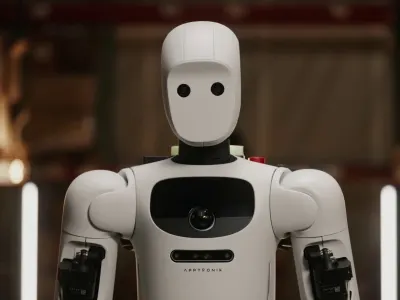
Apptronik’s Apollo 2 targets teleoperation-first humanoid work as industrial pilots expand
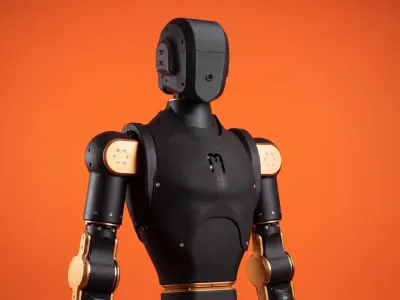
Menlo Research’s Asimov v1 pushes humanoid teleoperation into open-source territory
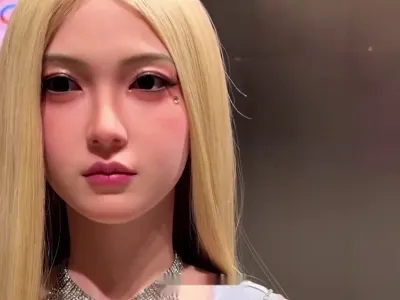
UBTECH’s UWORLD U1 Lite puts humanoid interaction on a fixed base, not a walking frame
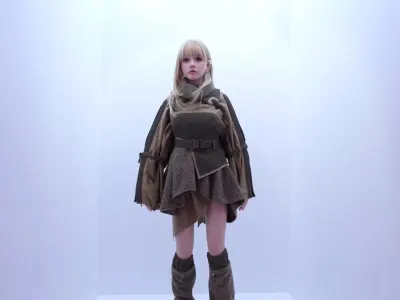
UBTECH’s UWORLD U1 Pro arrives as a full-size humanoid built for teleoperation and human-centered service
Related Comparisons
Compare UWORLD U1 Ultra with similar robots
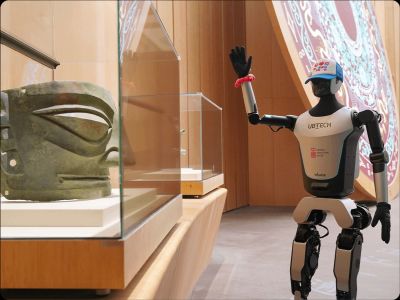
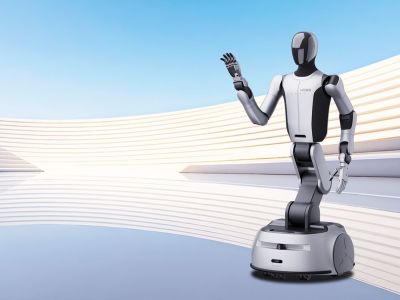
Walker C vs Cruzr S2
In-depth comparison of Walker C and Cruzr S2, covering hardware capabilities, teleoperation, and enterprise readiness.
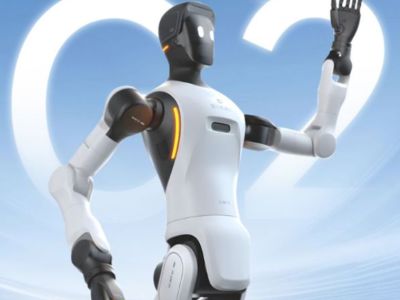
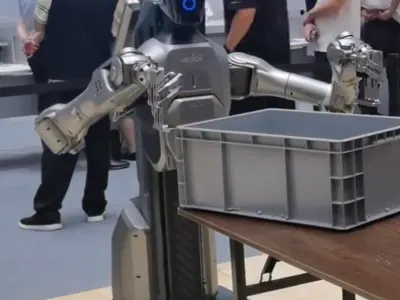
AgiBot G2 vs Cruzr Y1
Compare AgiBot G2 vs Cruzr Y1 for humanoid mobility, dexterity, autonomy, and payload capacity.
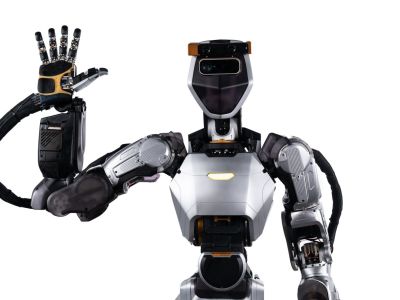
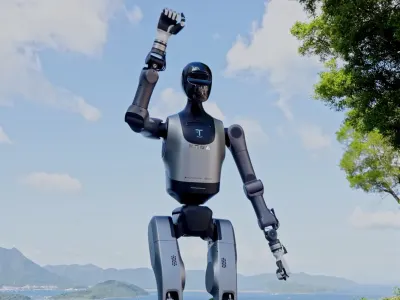
Phoenix vs Walker Tienkung
Compare Phoenix and Walker Tienkung. Detailed analysis of navigation, sensors, and speed.
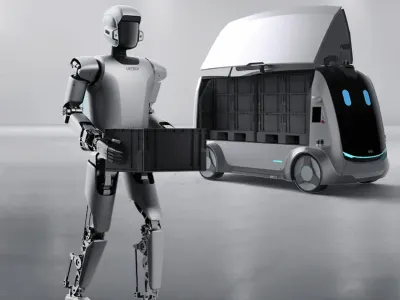
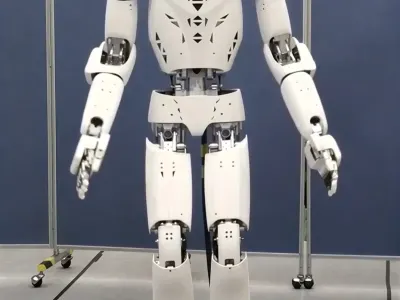
Walker S1 vs Kaleido 8.0
Compare Walker S1 and Kaleido 8.0. Detailed analysis of navigation, battery, sensors, and mobility.
Learn More About This Robot
Discover detailed specifications, reviews, and comparisons for UWORLD U1 Ultra.
View Robot Details →