UBTECH’s UWORLD U1 Lite puts humanoid interaction on a fixed base, not a walking frame
Robot Details
UWORLD U1 Lite • UBTECH RoboticsPublished
August 10, 2026
Reading Time
3 min read
Author
Origin Of Bots Editorial Team
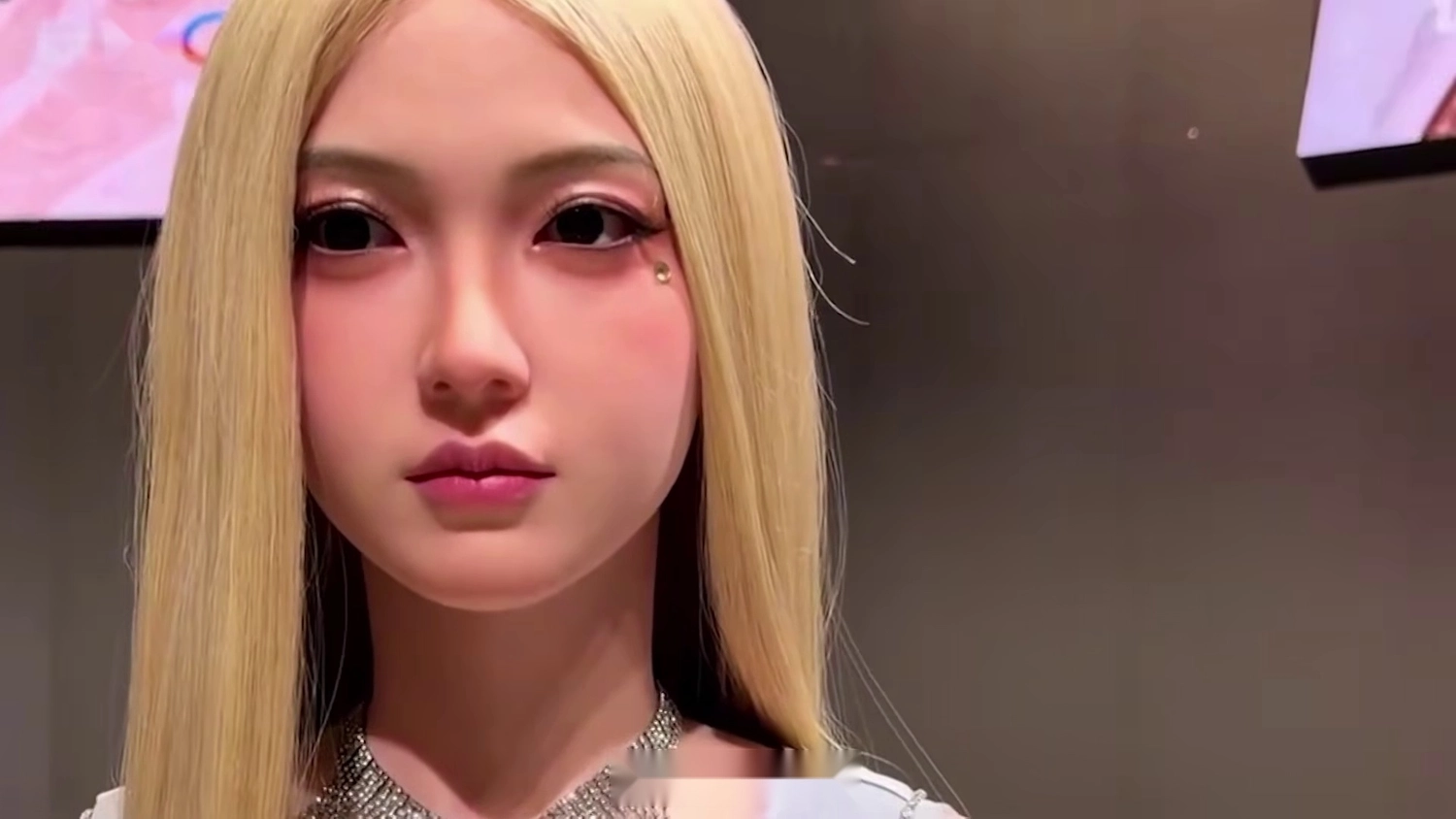
A smaller humanoid bet
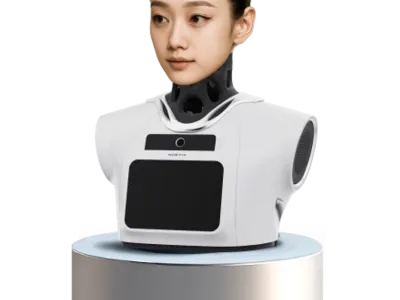
Humanoid robots are increasingly being asked to do the hard part of the category first: interact naturally, imitate human presence convincingly, and manipulate objects in close range without the complexity of full-body walking. UBTECH Robotics’ UWORLD U1 Lite pushes that idea into a compact upper-body form, with reporting describing it as a stationary humanoid built for greeting, education, and companionship rather than locomotion.
Why this form matters
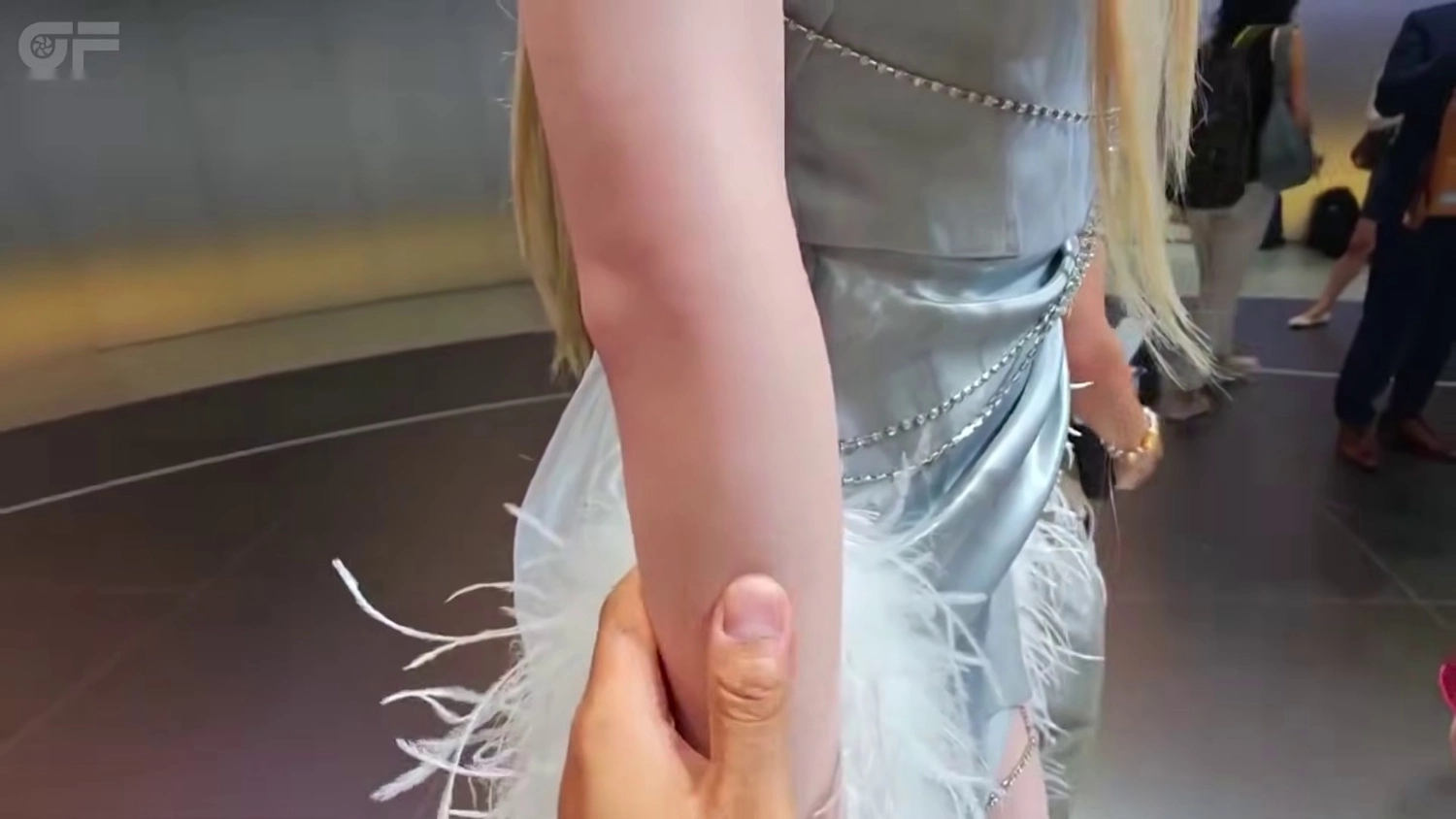
The U1 Lite’s relevance comes from what it leaves out as much as what it includes: no legs, no mobile base, and no promise of outdoor traversal, but a tighter focus on expressive face, head, arms, and hands for human-centric spaces. That makes it easier to imagine in reception areas, classrooms, and care settings where the task is conversation and gesture-rich interaction, not navigation across a building. Its value also sits in the category shift toward teleoperation-first humanoids, where fidelity of motion and responsiveness matter more than pre-scripted routines. U1 Lite is less about crossing a room than making humanoid interaction practical in one place.
How it works
In the simplest terms, the system flow is human motion input → AI model processing → joint actuation and balance correction, though for this stationary model the balance step is limited to upper-body stability rather than walking control. The robot’s reported sensor stack, including RGB and stereo cameras, IMU, gyroscope, microphone array, force sensors in the hands, and a temperature sensor, is aimed at reading people and nearby objects, then translating that input into responsive motion and dialogue. UBTECH’s proprietary operating system with ROS2 compatibility and Python/C++ APIs points to a platform meant for controlled interaction workflows and developer integration rather than free-form autonomy.
Reception desk use
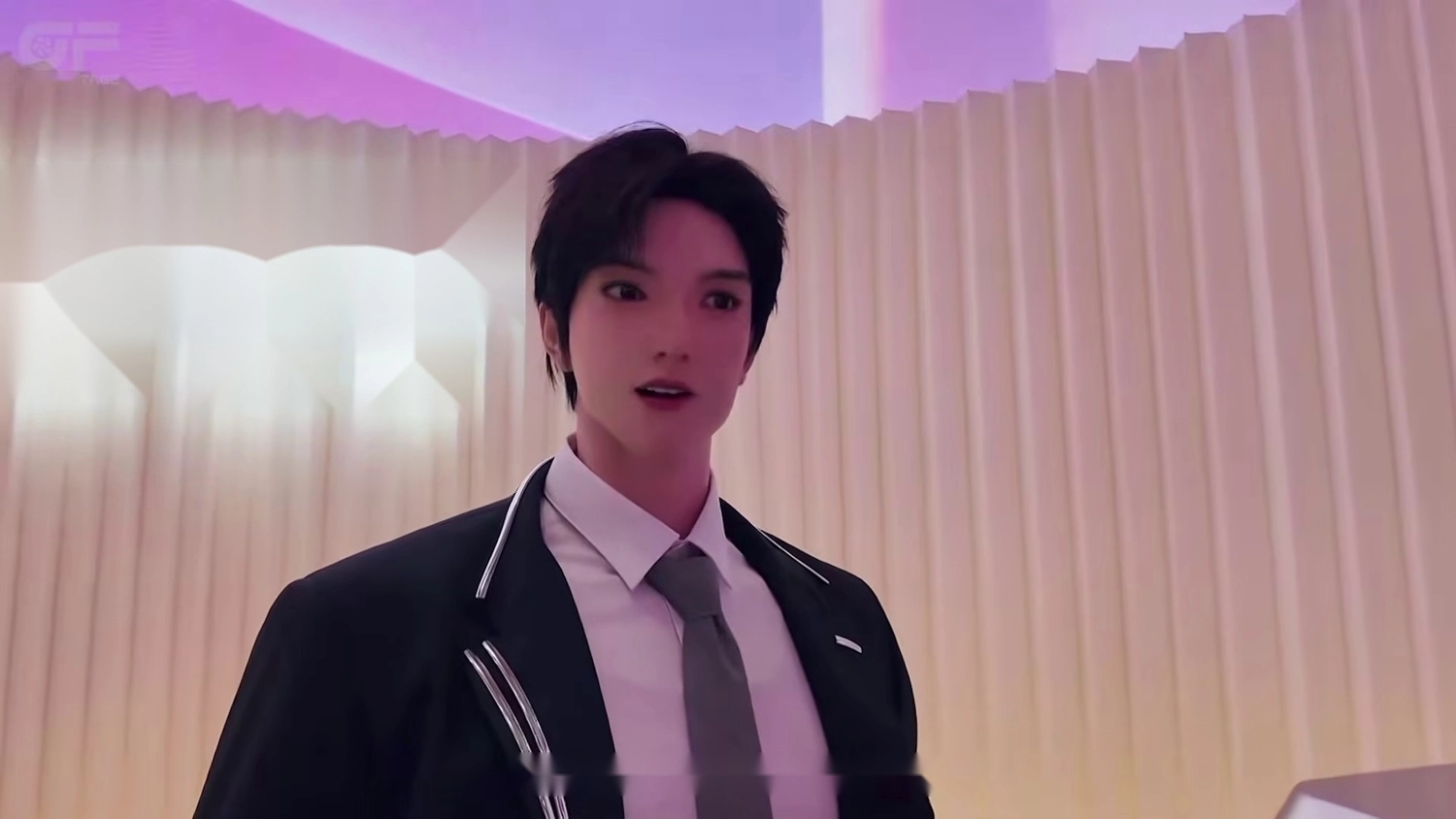
The clearest deployment scenario is a reception desk in a human-facing venue, where the robot can greet visitors, answer routine questions, and use upper-body gesture to make the exchange feel less rigid than a screen or kiosk. In that setting, a stationary format is an advantage because the robot stays oriented to the counter, keeps its sensors pointed at approaching people, and avoids the reliability burden of navigation in crowded corridors. The same setup also fits educational demonstrations, where the robot can be positioned once and used repeatedly as an interactive teaching aid.
What the specs enable
Reported specifications frame the robot as compact and easy to place: 65 x 45 x 30 cm and 13.5 kg suggest a unit that can be deployed on desks, counters, or small stands without infrastructure changes. The stationary mobility type and Visual SLAM limited to the upper body reinforce that the platform is intended for perception and interaction, not room-to-room travel. Its payload focus on people interaction, light packages, and educational tools supports a service-oriented role, while the stated safety features of force limiting, collision detection, emergency stop, and collaborative mode align with shared indoor environments.
Rivals Edge Check
| Robot | Key Advantage | Where UWORLD U1 Lite Wins | Target Use |
|---|---|---|---|
| Melody (M-Series Robot) | Stronger emphasis on expressive social interaction and companion-style presentation | More compact, stationary placement for counters and fixed service points | Companion and reception use |
| Origin F1 | Broader full-body humanoid motion focus | Simpler deployment where walking is unnecessary | Service and interaction demos |
| Hobbs 3 (A Bosom Friend) | Likely positioned around close-range social presence | Smaller footprint and easier placement in human-centric interiors | Educational and greeting roles |
| MICO Plus | Companion-oriented interaction design | Hardware focus on hands, sensors, and upper-body engagement in fixed locations | Home and care settings |
A teleoperation signal
The broader signal is that humanoid development is no longer only about making robots walk; it is also about making them usable where people already work and learn. That favors teleoperation, assisted service, and remote-inspection workflows in human-centric environments, where a stationary upper body can deliver useful interaction without the cost and complexity of full mobility. For the industry, U1 Lite reflects a practical branch of humanoid design: less emphasis on generalized autonomy, more emphasis on dependable, repeatable human contact.
Explore Humanoids

Related Articles
Flexiv’s MICO Plus pushes humanoid robotics toward teleoperation-first industrial work
Elite Robots’ Centaur G1 brings wheeled humanoid teleoperation into precision industrial work
Apptronik’s Apollo 2 targets teleoperation-first humanoid work as industrial pilots expand
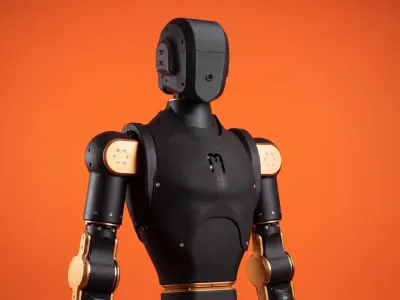
Menlo Research’s Asimov v1 pushes humanoid teleoperation into open-source territory
Related Comparisons
Compare UWORLD U1 Lite with similar robots
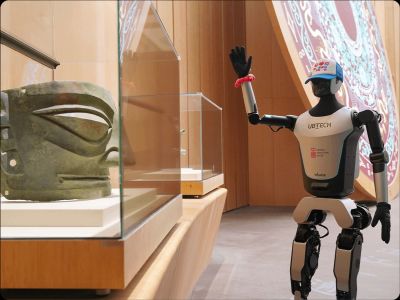
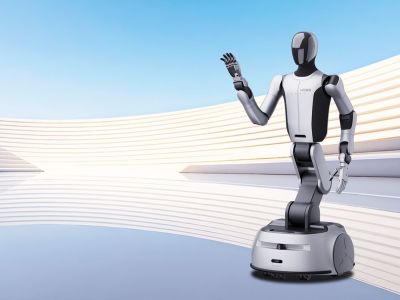
Walker C vs Cruzr S2
In-depth comparison of Walker C and Cruzr S2, covering hardware capabilities, teleoperation, and enterprise readiness.
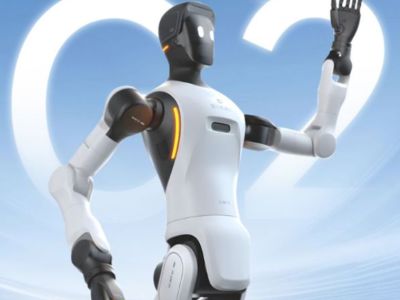
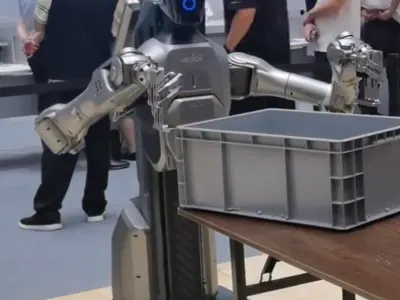
AgiBot G2 vs Cruzr Y1
Compare AgiBot G2 vs Cruzr Y1 for humanoid mobility, dexterity, autonomy, and payload capacity.
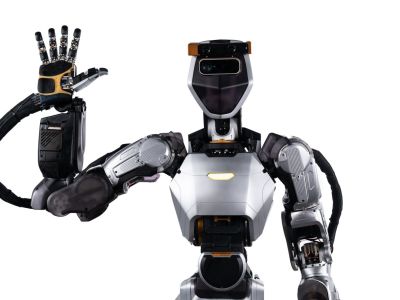
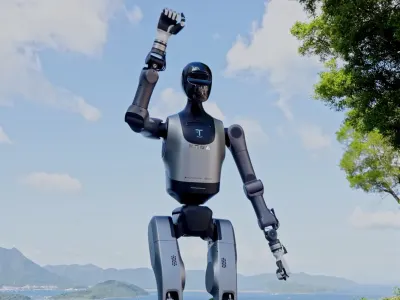
Phoenix vs Walker Tienkung
Compare Phoenix and Walker Tienkung. Detailed analysis of navigation, sensors, and speed.
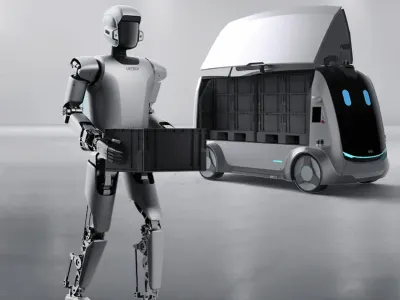
Walker S1 vs Kaleido 8.0
Compare Walker S1 and Kaleido 8.0. Detailed analysis of navigation, battery, sensors, and mobility.
Learn More About This Robot
Discover detailed specifications, reviews, and comparisons for UWORLD U1 Lite.
View Robot Details →