Apptronik’s Apollo 2 targets teleoperation-first humanoid work as industrial pilots expand
Robot Details
Apollo 2 • ApptronikPublished
August 10, 2026
Reading Time
3 min read
Author
Origin Of Bots Editorial Team
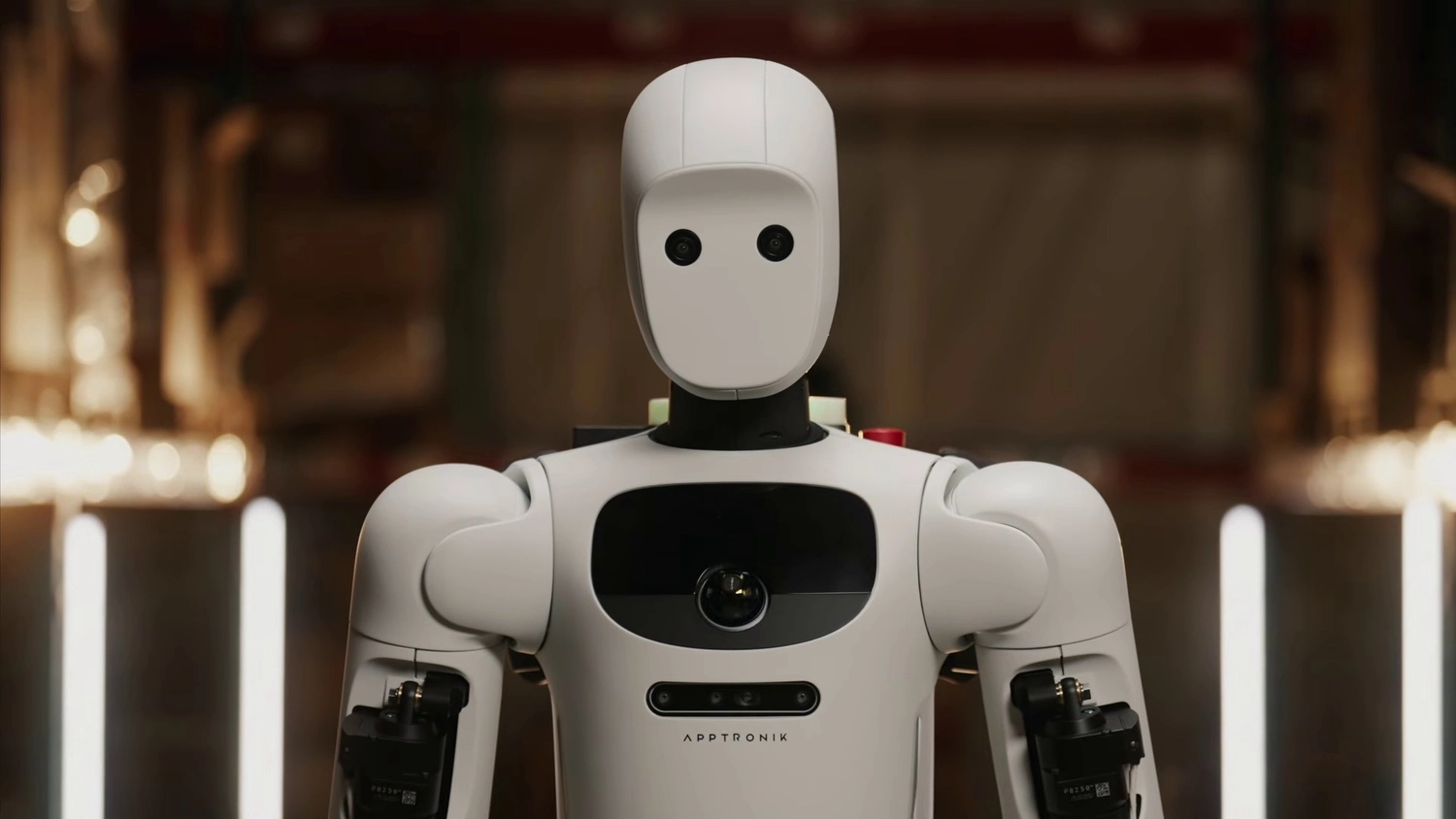
Human-shaped work
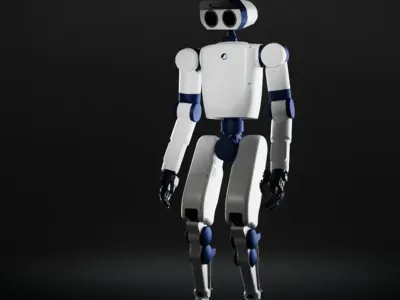
Apptronik’s Apollo 2 is being positioned as a humanoid robot built to handle real-time motion imitation, balance, and manipulation in human-centric spaces. Apptronik’s Apollo page and recent coverage point to a robot aimed at teleoperation and assisted work rather than fully autonomous operation, with deployments centered on warehouses and factory settings.
Why it stands out
What separates Apollo 2 is not just its human form factor, but the way that form supports full-body coordination, natural interaction, and operator-guided precision. That combination matters for tasks where a robot must move through spaces designed for people, mirror human intent in real time, and remain stable while handling tools or packages. Just as important, the category is increasingly defined by teleoperation-first workflows, which can speed up useful deployment before autonomy is mature. Apollo 2 is a humanoid designed around control, not spectacle.
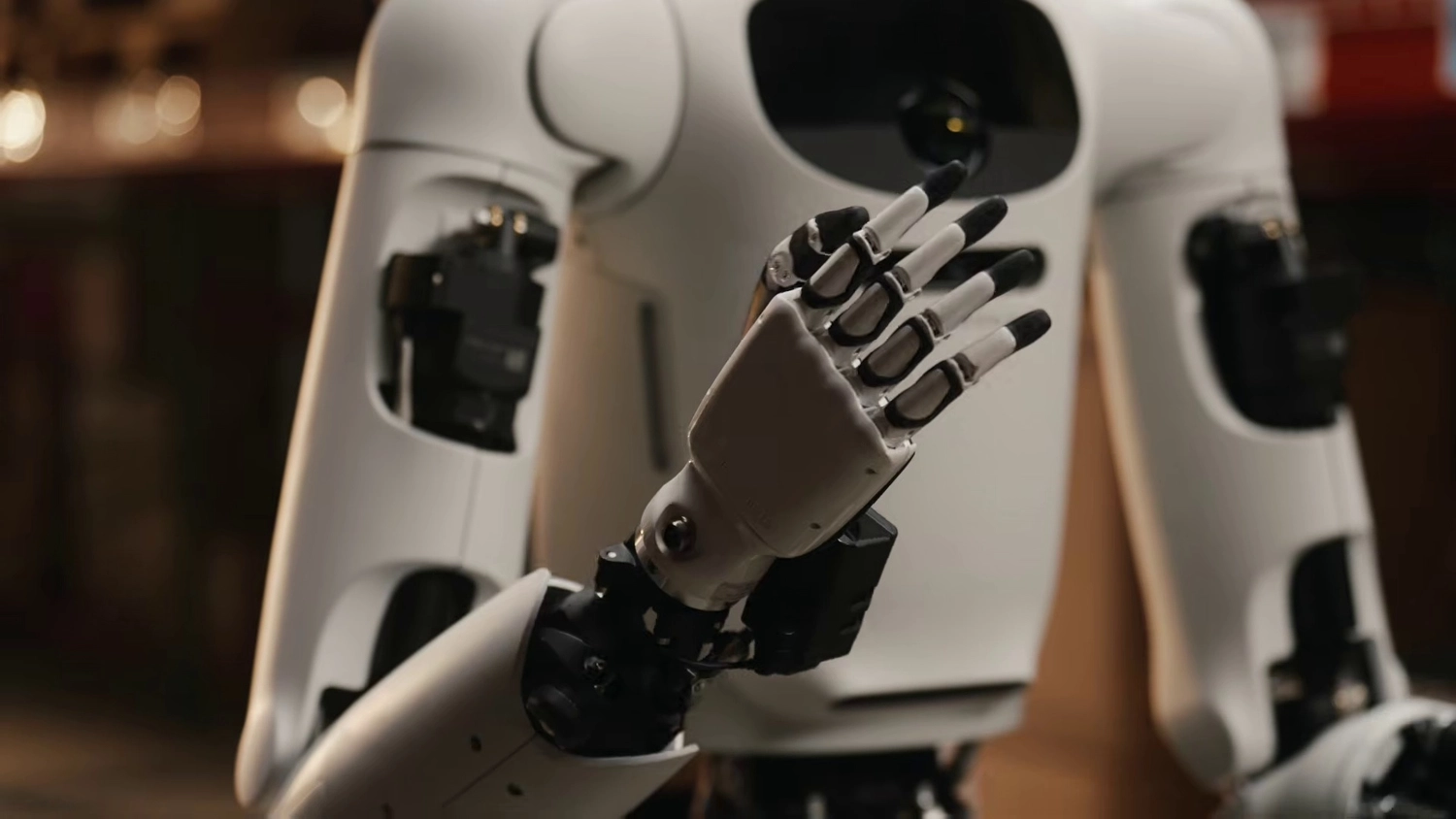
How it works
The operating flow is straightforward: human motion input goes into AI model processing, which then drives joint actuation and balance correction. In practical terms, that means an operator can direct the robot while onboard sensing and control software keep it upright, coordinated, and responsive. Apptronik’s software stack is reported to include ROS2, Artemis, and Python and C++ APIs, which suggests a platform built for integration as well as demonstration.
Warehouse handling
One realistic use case is goods-to-person handling in warehouses, where Apollo 2 can move through aisles, receive operator guidance, and handle packages or tools without requiring the facility to be rebuilt around it. This matters because the robot’s value is strongest in repetitive but delicate human-facing tasks such as packout or machine tending, where direct human oversight remains useful. In that setting, the machine is less a replacement for a workflow than a way to extend it into places where labor is tight or movement is constrained.
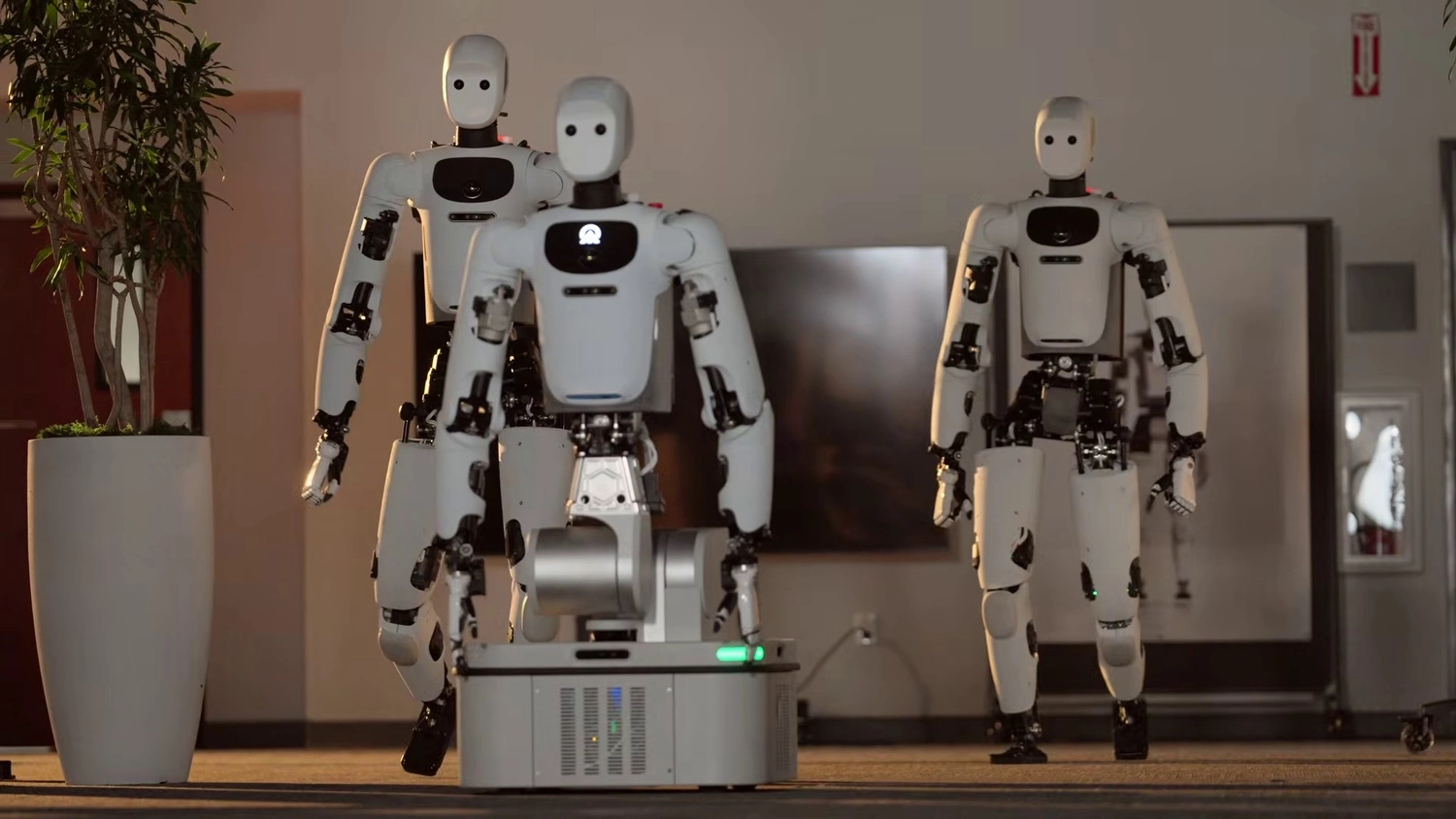
Capability in context
Apollo 2 is reported at 172 x 45 x 35 cm and 73 kg, a size and mass profile that keeps it in human-scale territory for indoor operation. Its sensor set includes RGB cameras, stereo cameras, an IMU, a gyroscope, force sensors, and joint torque sensors, while visual SLAM and LiDAR mapping support navigation through structured environments. The robot is also described as using force limiting, collision detection, emergency stop, and collaborative mode features, with a speed of 5.4 km/h / 1.5 m/s, which is fast enough for worksite movement but still consistent with controlled humanoid motion.
Rivals Edge Check
| Robot | Key Advantage | Where Apollo 2 Wins | Target Use |
|---|---|---|---|
| Jupiter | Broad industrial positioning | Stronger teleoperation-first fit in human spaces | Assisted warehouse and inspection work |
| P-73 | General-purpose humanoid framing | More explicit focus on coordinated human-like work | Human-centric indoor tasks |
| Bolt | Compact deployment profile | More complete sensing and collaboration stack | Tool handling and package movement |
| Titan 01 | Motion imitation emphasis | Better alignment with real-time operator-guided workflows | Teleoperation and remote handling |
What the market says
The broader signal is that humanoid robotics is shifting from pre-programmed motion libraries toward systems that can be driven live by people and then gradually automated from that data. That matters because teleoperation can generate the operational experience needed for safer, more useful humanoids before full independence arrives. Apollo 2 fits that transition: a robot whose near-term value is tied to supervised usefulness, not promises of complete autonomy.

Related Articles
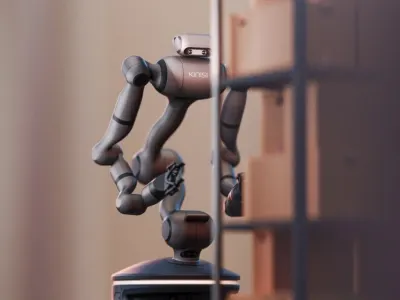
Kinisi Robotics’ Kinsi 01 pushes humanoids toward teleoperation-first warehouse work

Faraday Future’s FF Master enters the humanoid race with a compact teleoperation-first design
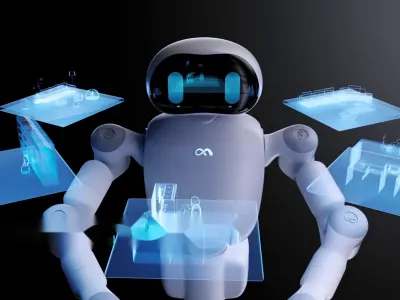
Flexiv’s MICO Plus pushes humanoid robotics toward teleoperation-first industrial work
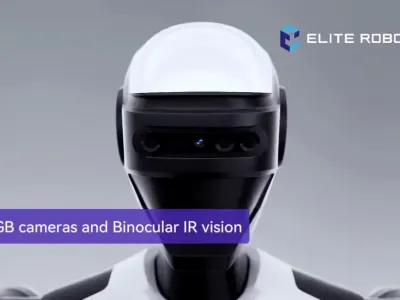
Elite Robots’ Centaur G1 brings wheeled humanoid teleoperation into precision industrial work
Related Comparisons
Compare Apollo 2 with similar robots

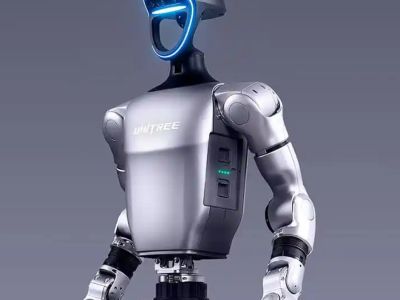
Optimus vs Unitree G1
Compare Optimus vs Unitree G1 for humanoid mobility, dexterity, autonomy, and payload capacity.
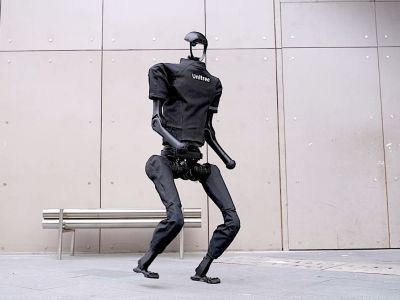
Unitree G1 vs Unitree H1
Head-to-head: Unitree G1 vs Unitree H1 compared on bipedal balance, AI learning, and real-world deployment.
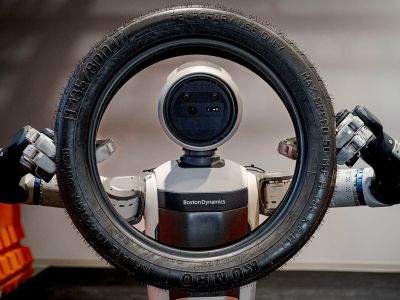
Optimus vs Atlas (Electric Atlas, 2025)
In-depth comparison of Optimus and Atlas (Electric Atlas, 2025), covering hardware capabilities, teleoperation, and enterprise readiness.

Ameca vs Moya
Which humanoid robot is better? Ameca vs Moya compared for dexterity, AI capabilities, and price.
Learn More About This Robot
Discover detailed specifications, reviews, and comparisons for Apollo 2.
View Robot Details →