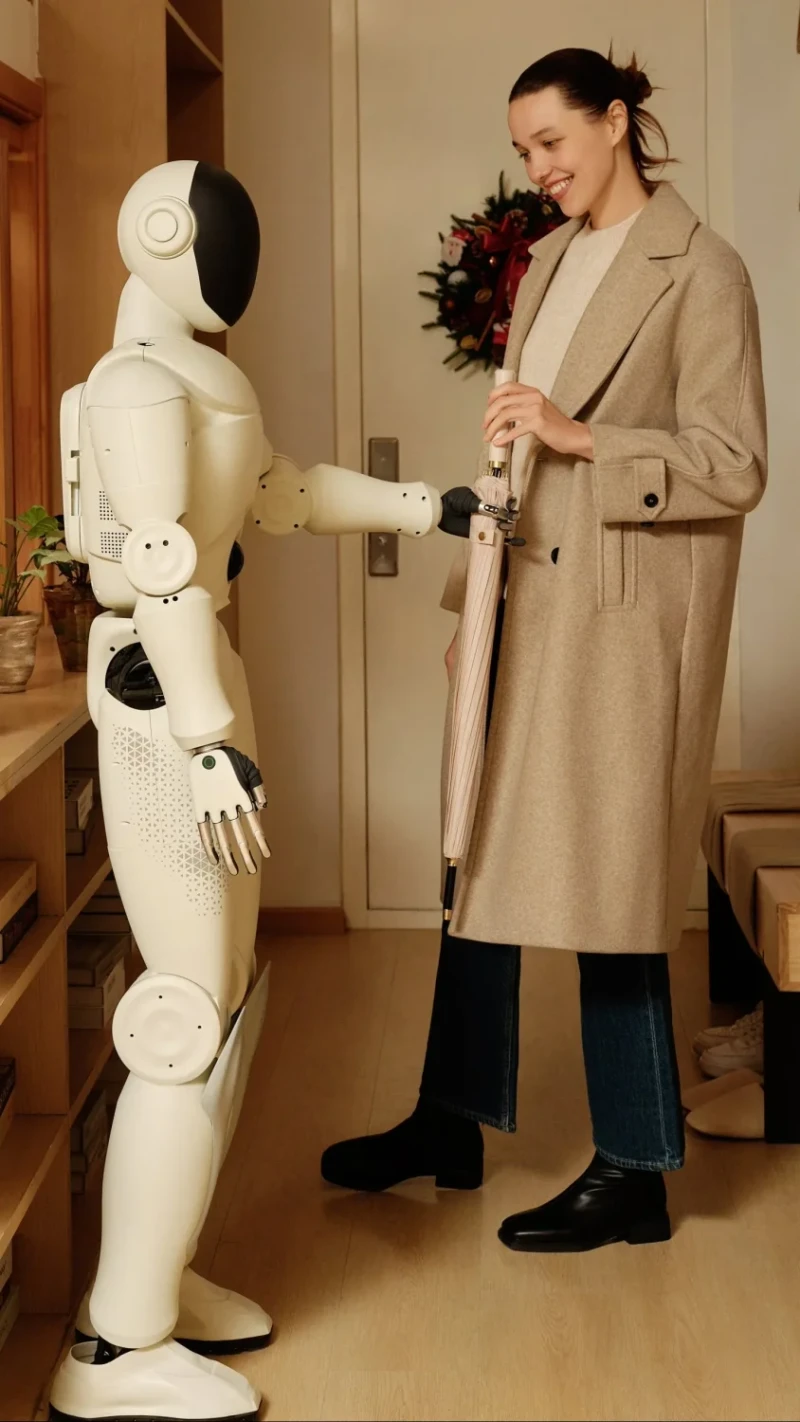
Jupiter
Last updated:
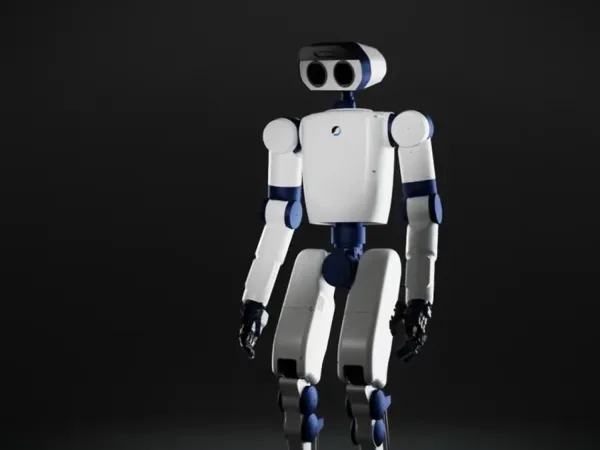
Zeroth Jupiter is a full-size bipedal humanoid robot engineered for real-world task execution in dynamic human environments. Standing at 1.65 meters, it combines autonomous navigation with teleoperation capabilities, enabling seamless transitions between independent operation and remote control for precision tasks. Key features include advanced motion control for natural bipedal walking, stair climbing, and obstacle avoidance; multimodal perception for environmental understanding; and dexterous manipulation for household chores like fetching items, surface wiping, and light assembly. Its integrated safety stack ensures collaborative human-robot interaction with collision detection and emergency stops. Powered by a unified AI stack with dynamic learning in 'Zeroth World' simulation, Jupiter adapts to cluttered indoor spaces, supports voice interaction, and scales via software updates. Designed for homes, research, and light commercial use, it prioritizes reliability, balance recovery, and modular end-effectors for versatile applications from companionship to logistics assistance.
Quick Overview & Key Facts
Jupiter is a humanoid system developed by Zeroth in China and launched in 2026. Starting price is estimated at USD89,999 (Official Retail Price at Launch). It is currently ranked #185 in most-viewed humanoid robots on Origin of Bots. It supports Tools, packages, precision instruments, people interaction. Operating battery runtime is rated at 4 hours. Primary applications include Household chores, research simulation, front-of-house service, elderly assistance. Featured in editorial articles including “Top 10 Humanoid Robot Launches of 2026 So Far”, “Major Humanoid Robots Launched In 2026”.
What Can Jupiter Do?
Core operational tasks and activities demonstrated or performed by Jupiter.
Real-World Applications of Jupiter
Industries, working environments, and deployment suitability for Jupiter.
Jupiter Capabilities
Inherent physical, perceptual, and cognitive abilities built into Jupiter.
Download Media Cards
Story CardExport high-resolution story cards summarizing Jupiter's operational tasks, real-world applications, and capabilities.
Image Gallery
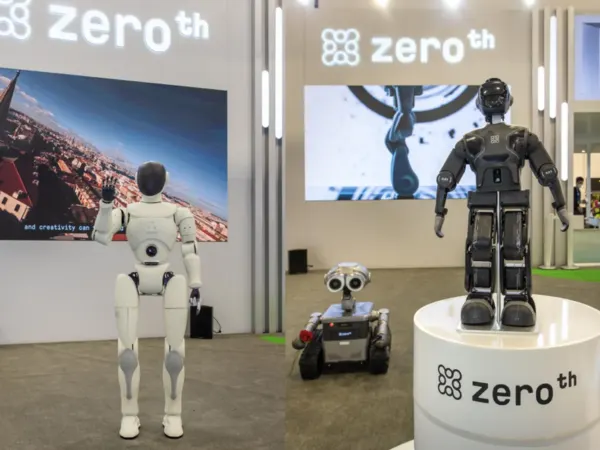
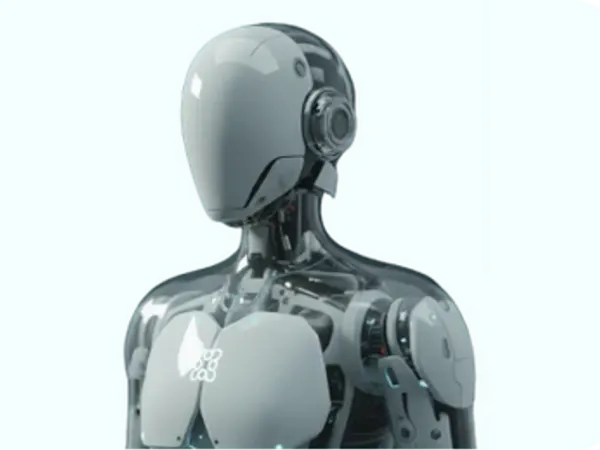
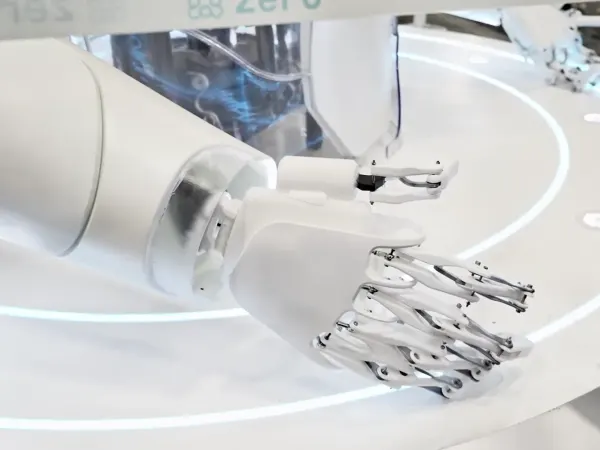
Below images are from Zeroth's official sources

Review Videos
Watch expert reviews and demonstrations of this robot

Robot Specifications
Robot Timeline
Key milestones in this robot's development and rollout
Zeroth Intelligence makes its global CES debut with the full-size humanoid Jupiter and a lineup of home and service robots.
Source: Pandaily ↗
Latest News About Jupiter
Stay updated with the latest articles and developments

Compare This Robot With Others
See how Jupiter stacks up against other leading robotics models in detailed side-by-side technical comparisons.


Jupiter Also Mentioned in Below Articles
Find out how this model stacks up against the world's best robots
More Robots from Zeroth
Explore other robots from this manufacturer
Sean
Manufactured by Zeroth
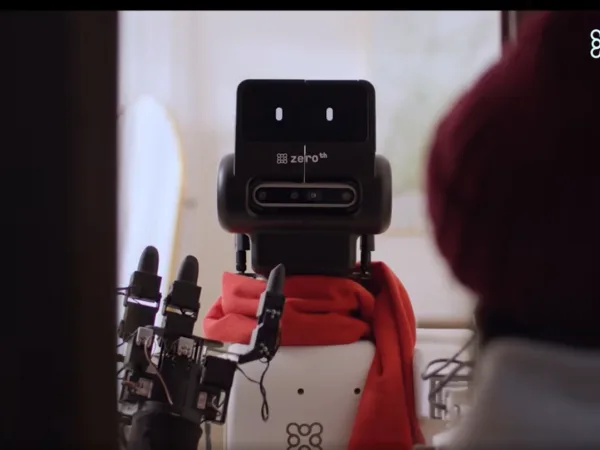
Sean is a compact, functional humanoid robot engineered by Zeroth Robotics for consistent and stable handling in regulated environments. Standing at 155cm tall, it prioritizes practical utility over anatomical resemblance, featuring streamlined three-finger grippers optimized for safe human interaction and effective grabbing of everyday objects. Sean operates with a maximum speed of 3km/h and can handle payloads up to 3kg per arm. Its reliability stems from an HD-4K vision system paired with onboard edge AI computing, enabling autonomous decision-making. The robot’s structure combines aluminum alloy with composite panels for durability. Designed for research, AI development, home assistance, and retail applications, Sean represents a pragmatic step toward scalable humanoid structures, though it is not yet available for commercial purchase.
More Humanoid Robots
Discover more robots in the same category
Robots From Other Categories
Discover complementary robots from different categories that work well together
Frequently Asked Questions
Get answers to common questions about this robot
Q1. What is Jupiter, and what problem is it designed to solve?
Jupiter is a full-size humanoid robot developed by Zeroth for versatile real-world applications, including logistics, service, and security roles. According to the manufacturer, it addresses needs in task execution through combined autonomous navigation and remote operation.
Q2. What are the main capabilities and key features of Jupiter?
Jupiter supports teleoperation and autonomous modes for adapting to various environments. It is built on Zeroth's shared technology stack, which includes motion control software, user-adaptive interaction models, and in-house actuators.
Q3. Who is Jupiter built for, and which industries can benefit from it?
Jupiter targets industrial and commercial users in sectors such as logistics, service, and security. The company positions it for organizations requiring humanoid robots for real-world task execution beyond consumer applications.
Q4. Is Jupiter a commercial product or still a research prototype?
As of 2026, Jupiter is presented as a commercial humanoid robot in Zeroth's product lineup, distinct from research-focused models like the A1 quadruped. It debuted alongside other models at CES 2026.
Q5. Is Jupiter currently available for purchase, and when is it expected to ship?
Jupiter was unveiled at CES 2026 with a reported price tag of around $89,999. Shipping details remain unspecified by the manufacturer, with focus on initial market entry following the announcement.
Q6. How does Jupiter actually work in real-world environments?
Jupiter operates via a combination of autonomous navigation for independent movement and teleoperation for remote control. According to Zeroth, it leverages a core stack for smoother motion and environmental adaptation in practical settings.
Q7. When was Jupiter announced or officially launched?
Jupiter was unveiled by Zeroth at CES 2026 as part of its emergence from stealth mode and U.S. market entry. The company debuted it alongside models like M1 and W1 in early 2026.
Q8. How is Jupiter different from other robots in the same category?
Unlike Zeroth's compact M1 for home companionship or wheeled W1 for cargo, Jupiter is a full-size humanoid intended for industrial tasks. It shares the company's technology stack but scales for larger form factors and heavier-duty applications.
Q9. Does Jupiter require additional development or customization after purchase?
Zeroth indicates that Jupiter builds on a common motion control and interaction stack, with potential for software updates similar to other models. Customization aligns with its design for real-world task execution.
Q10. What is the future roadmap or planned upgrades for Jupiter?
Zeroth has announced plans to scale capabilities across its robot lineup, including Jupiter, through 2026 via shared technology enhancements in motion, interaction, and actuators. The company aims for broader deployment in targeted sectors.
Rating and Reviews
Share your experience and help others decide!
Loading...
User Reviews
No user reviews. Be the first one to review!
User Comments (No Login needed)
Share your thoughts, experiences, or questions about this robot.
Comments are reviewed before posting.