Zeroth's Jupiter Humanoid Debuts Amid M1 Launch Buzz
Robot Details
Jupiter • ZerothPublished
February 17, 2026
Reading Time
3 min read
Author
Origin Of Bots Editorial Team
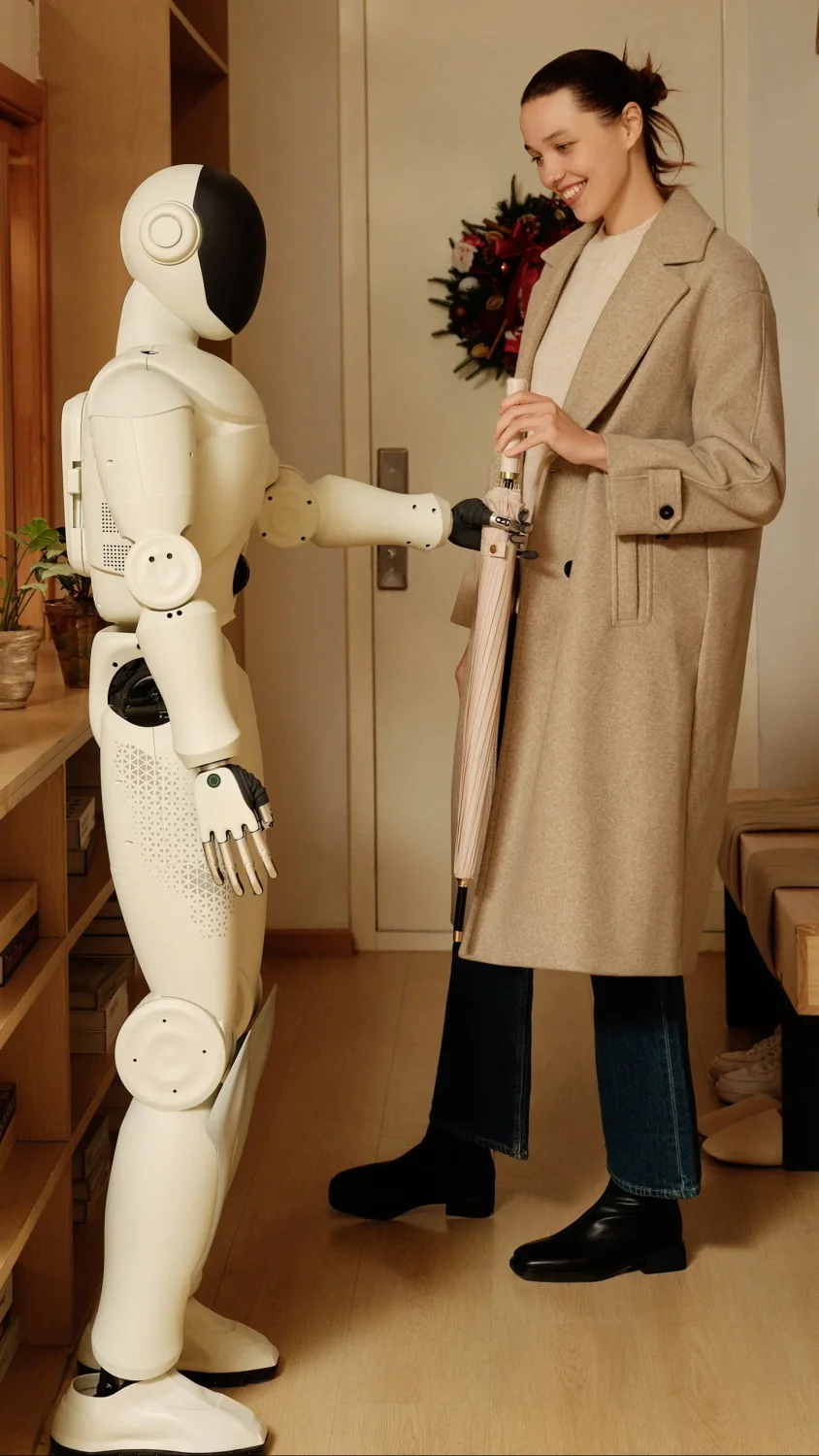
CES Unveiling Sparks Excitement
Zeroth Robotics grabbed headlines at CES 2026 by emerging from stealth with a diverse robot lineup, spotlighting the full-size Jupiter humanoid alongside the compact M1 companion. While the M1 steals initial attention as a $2,899 home helper ready for Q1 preorders, Jupiter represents Zeroth's bold push into advanced humanoid territory for real-world tasks. Unveiled for training, simulation, and service roles, this bipedal machine blends autonomous navigation with teleoperation, signaling a scalable future across consumer and commercial spaces. Industry watchers note the timing aligns with surging demand for human-like assistants in dynamic environments.
Interaction Redefined
Jupiter stands out through its adaptive interaction model, learning user behaviors to deliver personalized responses during extended sessions. Unlike rigid prototypes, it shifts seamlessly between solo operation and remote control, fostering trust in shared spaces like front-of-house services. Zeroth's shared tech stack ensures smooth, natural gestures that mimic human fluidity, enhancing companionship for elderly users or research setups. This focus on embodied intelligence prioritizes everyday reliability over flashy demos, positioning Jupiter as a bridge to practical deployment.
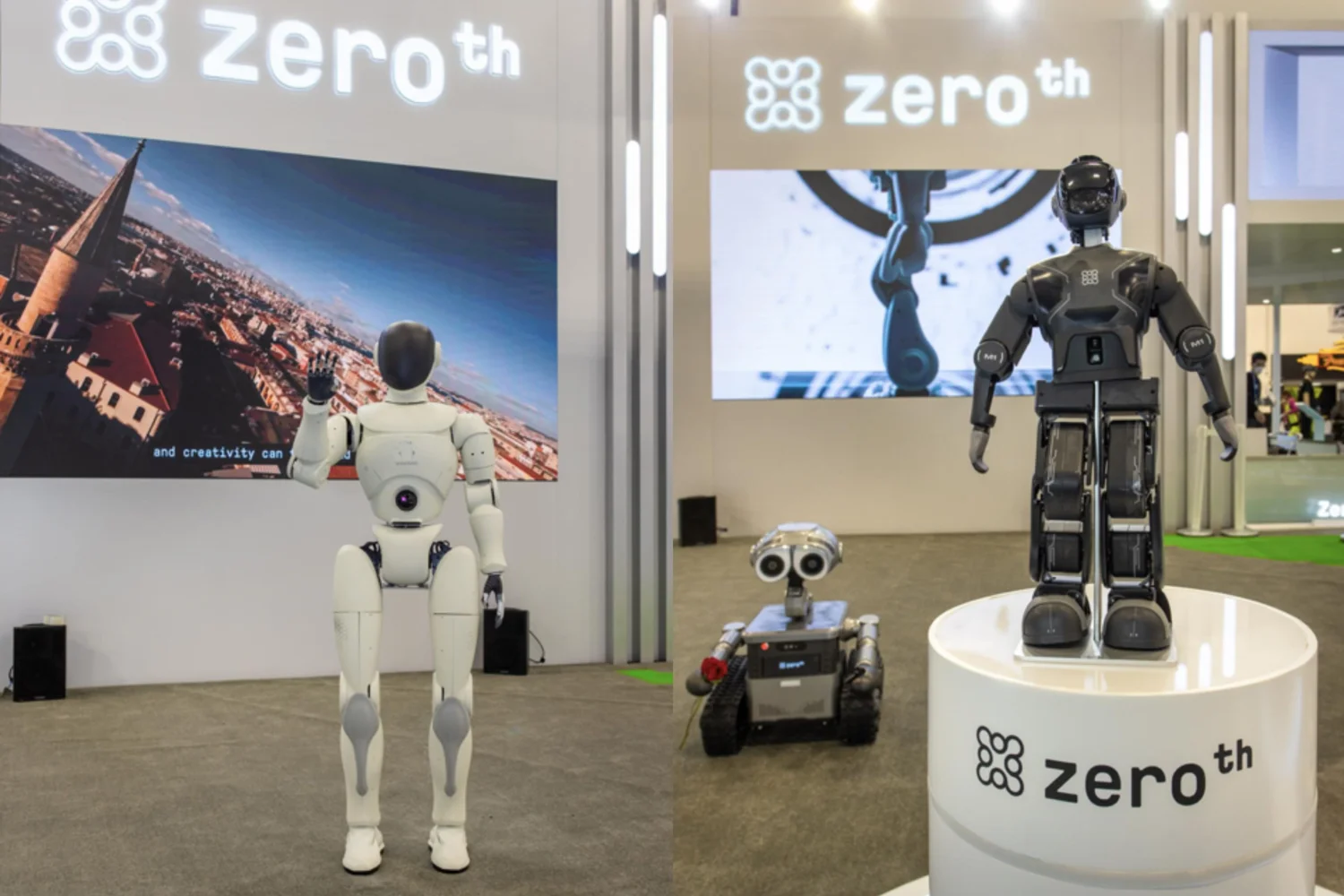
Motion Mastery Achieved
Engineers at Zeroth engineered Jupiter with proprietary actuators and motion control software for lifelike bipedal strides, conquering indoor obstacles with self-righting stability. Integrated perception fuses vision and depth data for precise environmental awareness, enabling fall recovery and person-following without constant supervision. This unified stack, drawn from the M1 platform, shrinks components while boosting endurance, transforming lab concepts into deployable hardware ready for household simulations or precision handling.
Tasks Transformed Daily
Imagine Jupiter tackling front-of-house greetings, assisting seniors with mobility cues, or simulating research scenarios in labs; its design unlocks these by combining dexterous manipulation with voice engagement. In homes, it handles light chores like item fetching, while commercial venues benefit from its people-facing poise. Developers praise the remote mode for safe experimentation, paving ways for scaled behaviors via software updates. Zeroth envisions Jupiter evolving through over-the-air enhancements, directly addressing labor gaps in service and care sectors.
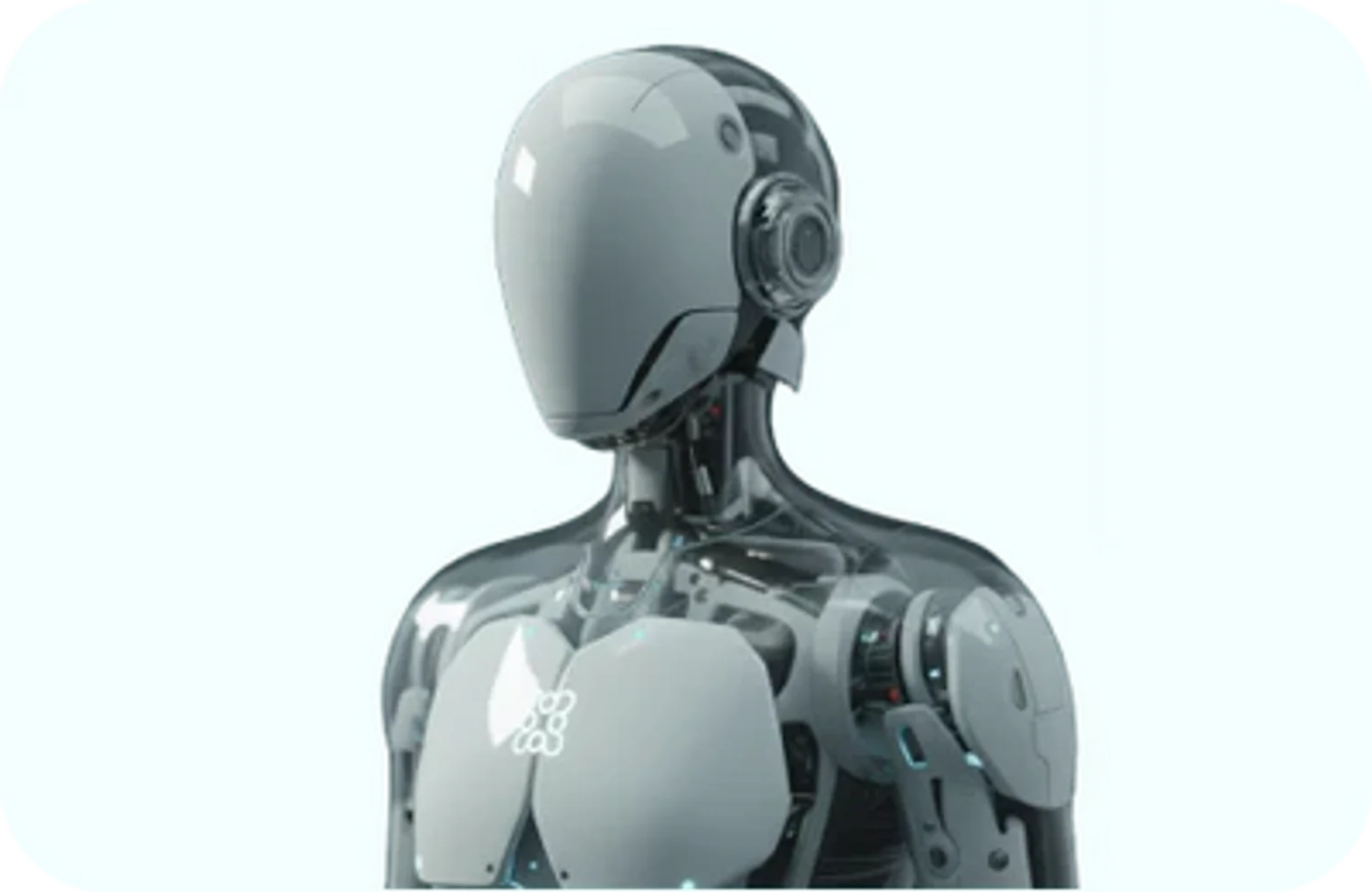
Skills Enabling Harmony
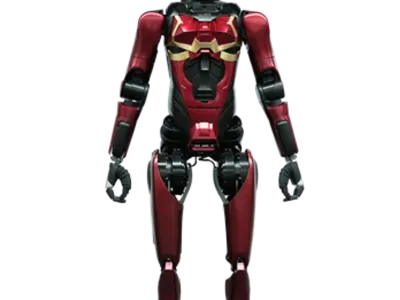
Jupiter's bipedal frame, measuring 165 x 50 x 40 cm and weighing 60 kg, empowers stable 3 km/h walks for natural home navigation, sustaining 3-5 year interactions via robust batteries. RGB, stereo cameras, LiDAR, IMU, gyroscope, force, ultrasonic, and temperature sensors grant dexterous grasping and collision-aware assistance, like gently handing tools or detecting user needs. Visual and Indoor SLAM with LiDAR mapping fuel intuitive pathing; force-limiting safety, emergency stops, and collaborative modes ensure safe people partnerships. Proprietary OS, ROS2 compatibility, and Python APIs accelerate custom skills for chores, elderly aid, or service simulations.
Rivals Face-Off
| Robot | Strengths over Jupiter | Jupiter Advantages | Weaknesses vs. Jupiter |
|---|---|---|---|
| Martian | Higher payload capacity | Superior bipedal dexterity | Lacks teleoperation flexibility |
| Bolt | Faster top speed | Longer battery endurance | Bulkier for home navigation |
| LUS2 | Cheaper entry price | Advanced SLAM mapping | Inferior sensor fusion |
| VR-H3 | More DoF in arms | Seamless human collaboration | Shorter runtime sessions |
Explore Humanoids
Sources
Related Articles
NEURA Opens 4NE1 Mini Reservations for April 2026
PaXini’s TORA DoubleOne Conquers Obstacles at CES 2026
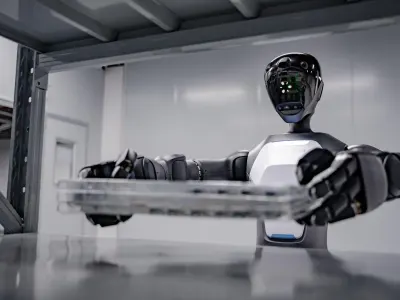
PaXini's Tora One Demonstrates Autonomous Mastery at CES 2026 with Ice Cream Service Task
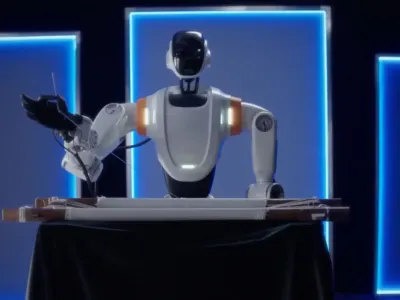
Chinese Robot Masters Hand Embroidery, Tackles Wire Harness Assembly
Related Comparisons
Compare Jupiter with similar robots

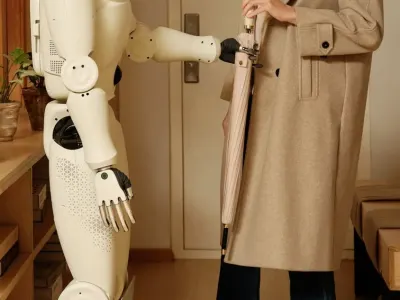
Next‑Gen IRON vs Jupiter
Which humanoid robot is better? Next-Gen IRON vs Jupiter compared for dexterity, AI autonomy, payload, and industrial use cases.
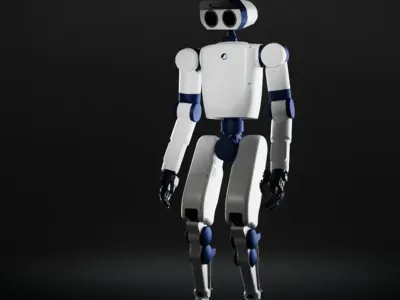
Jupiter vs P-73
Head-to-head: Jupiter vs P-73. Explore differences in speed, sensors, navigation, and software.

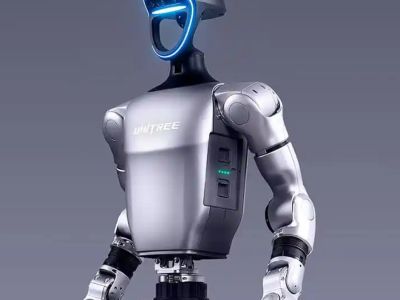
Optimus vs Unitree G1
Compare Optimus vs Unitree G1 for humanoid mobility, dexterity, autonomy, and payload capacity.
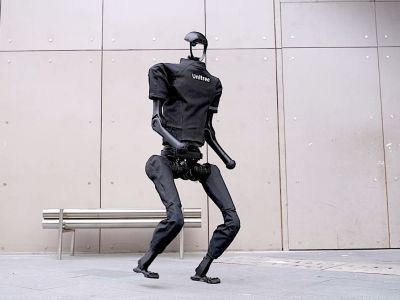
Unitree G1 vs Unitree H1
Head-to-head: Unitree G1 vs Unitree H1 compared on bipedal balance, AI learning, and real-world deployment.
Learn More About This Robot
Discover detailed specifications, reviews, and comparisons for Jupiter.
View Robot Details →