NEURA Opens 4NE1 Mini Reservations for April 2026
Robot Details
4NE-1 Mini • NEURA RoboticsPublished
February 17, 2026
Reading Time
3 min read
Author
Origin Of Bots Editorial Team
Reservations Launch Now
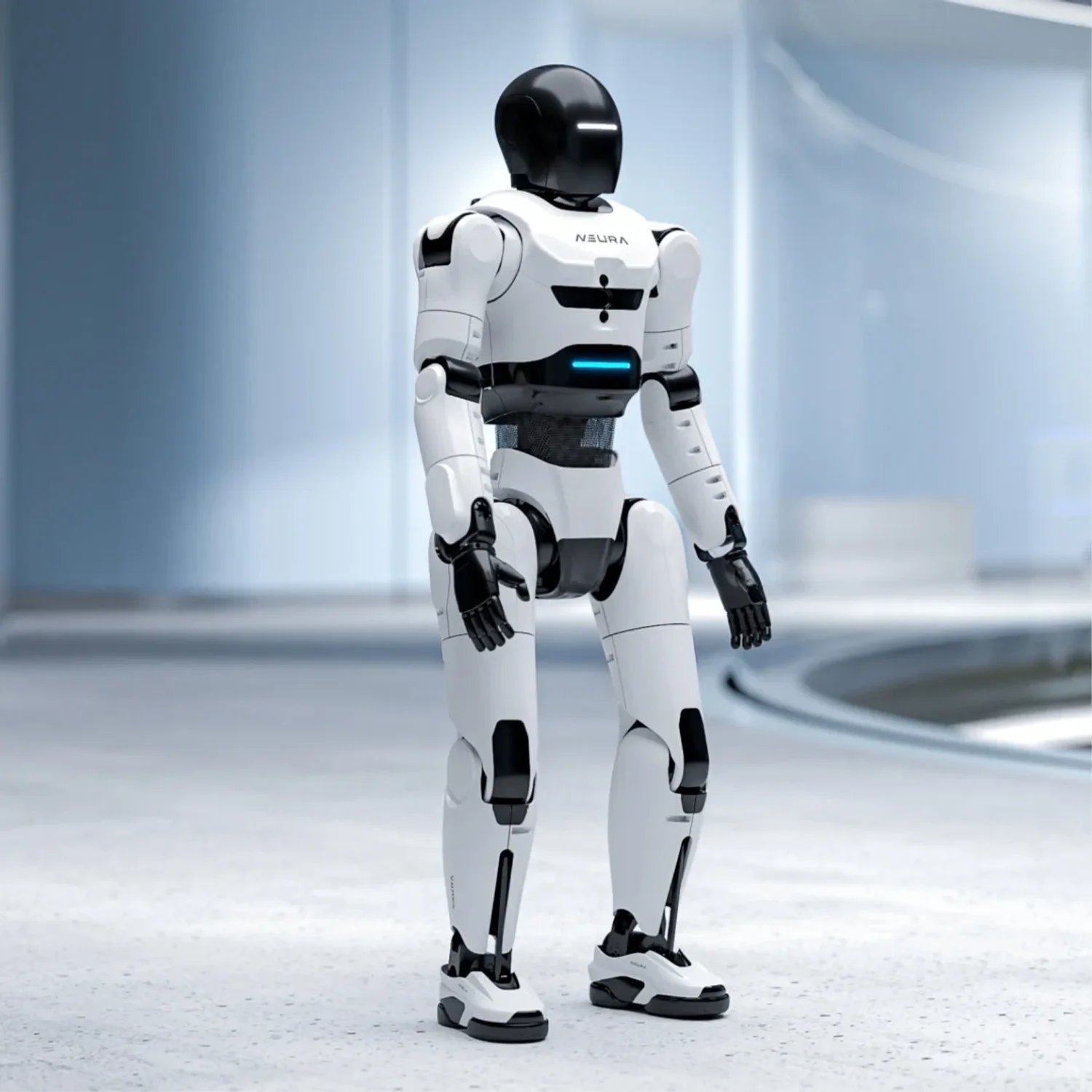
NEURA Robotics just kicked off pre-orders for its compact 4NE-1 Mini humanoid, with deliveries slated for April 2026, signaling a bold step toward accessible robotics in education and research. For a refundable 100€ deposit, early adopters can secure one of these child-sized wonders starting at 19,999€, positioning NEURA as a frontrunner in series-production humanoids from the West. This move comes amid surging demand for agile bots that blend seamlessly into human spaces, promising to equip labs and classrooms with tools for tomorrow's innovators right on schedule.
Agility Redefined
What sets the 4NE-1 Mini apart is its bipedal grace, engineered for fluid navigation in tight quarters like school hallways or research benches, fostering natural human-robot partnerships. Drawing on Studio F.A. Porsche's sleek design, it mirrors a child's proportions to build intuitive trust during interactions, while Neuraverse OS enables shared learning across networks, letting one bot's mastered skill—like gentle object passing—elevate an entire fleet. This innovation disrupts traditional rigid robotics, inviting developers to customize via Python or C++ for bespoke collaboration scenarios.
Sensing Revolution Unveiled
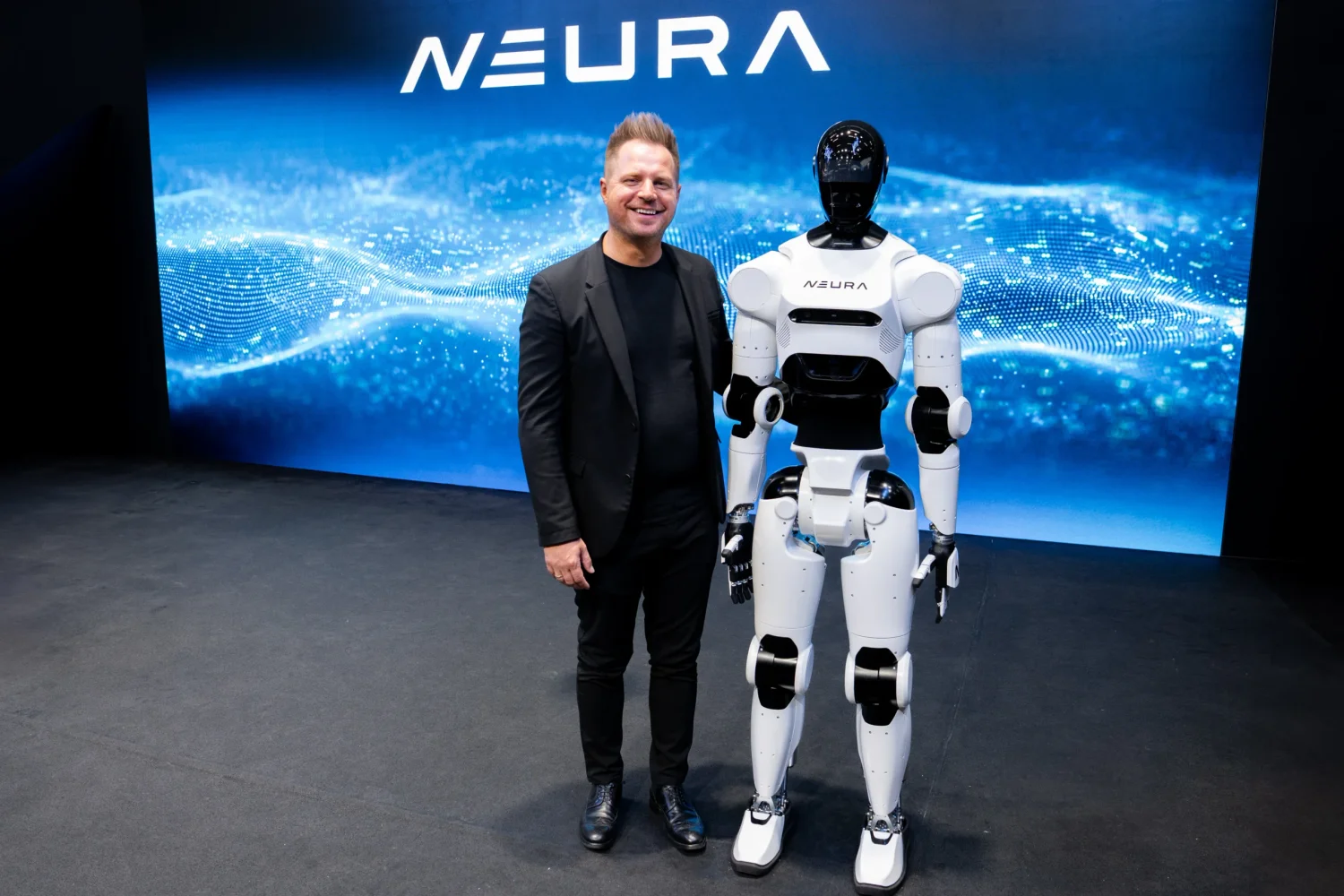
At its core, the 4NE-1 Mini leverages NEURA's patented Omnisensor suite, fusing RGB and stereo cameras with force-torque precision down to 0.1N for delicate manipulations that feel almost intuitive. Touchless human detection and environmental sensors ensure collision-free dances around people, while IMU and gyroscopes stabilize every step on uneven floors. Running on ROS2-compatible Neuraverse, it processes multi-modal inputs—voice, gestures, emotions—for responsive dialogues, turning raw data into empathetic assistance that outpaces siloed sensor setups in rival designs.
Classrooms Transformed
Imagine STEM students programming the 4NE-1 Mini to demonstrate physics principles by balancing payloads during walks, or researchers training it for nuanced human interaction protocols in labs. Its versatility shines in handling tools, packages, or precision instruments, all while supporting collaborative modes for safe co-working. From skills marketplaces for downloading demos to teleoperation for remote experiments, this bot accelerates learning curves in science education, making abstract concepts tangible and preparing the next generation for a robot-augmented world.
Interaction Skills Unpacked
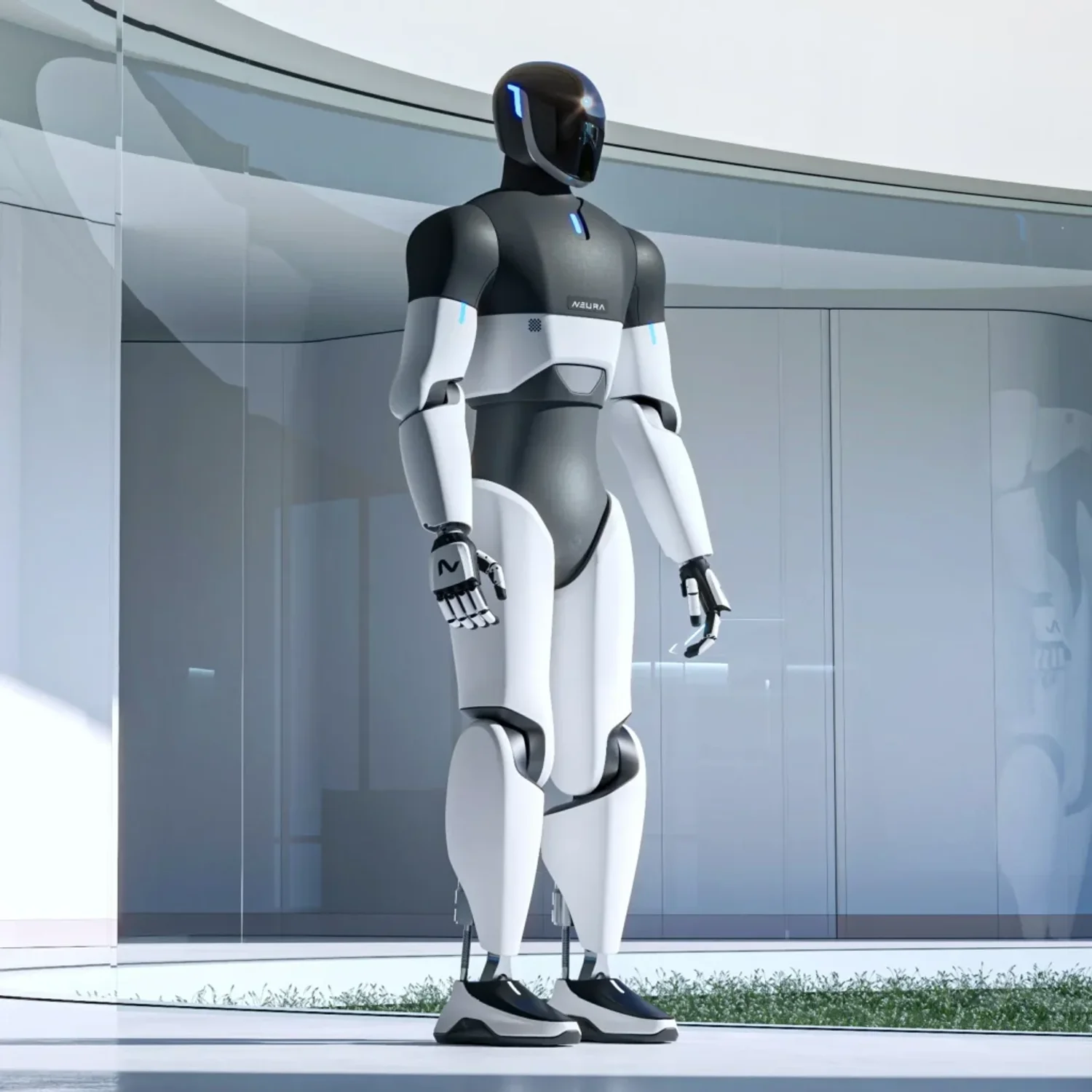
Measuring 132 x 40 x 30 cm and tipping the scales at 36 kg, the 4NE-1 Mini's bipedal mobility hits 3 km/h, empowering prolonged interaction sessions with a battery life stretching 3-5 years under typical use. RGB/stereo cameras paired with ultrasonic, IMU, gyroscope, and touchless detection craft hyper-aware dexterity for safe people proximity, enabling fluid handoffs or guided tours. Visual and indoor SLAM navigation supports carrying tools, packages, or instruments, while force-limiting safety and emergency stops foster trust in educational demos, human-robot training, and STEM skill-building.
Rivals Edge Examined
| Robot | Strengths over 4NE-1 Mini | 4NE-1 Mini Advantages | Weaknesses vs. 4NE-1 Mini |
|---|---|---|---|
| T800 | Rugged military build, higher payload (50kg) | Compact for labs, superior touchless safety | Less agile indoors, no shared learning |
| NEO Gamma | Faster speed (5 km/h), industrial endurance | Education-focused OS, bipedal precision | Shorter battery for interactions |
| Optimus | Scalable production, advanced AI autonomy | Affordable entry (19k€), human-scale fit | Bulkier frame limits tight spaces |
| LUS2 | Lighter weight (25kg), cheaper base price | Richer sensors for collaboration, ROS2 | Slower navigation, basic manipulation |
Explore Humanoids


Sources
Related Articles
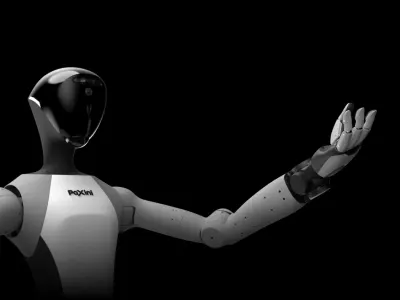
PaXini’s TORA DoubleOne Conquers Obstacles at CES 2026
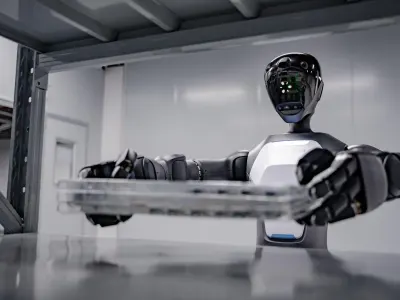
PaXini's Tora One Demonstrates Autonomous Mastery at CES 2026 with Ice Cream Service Task
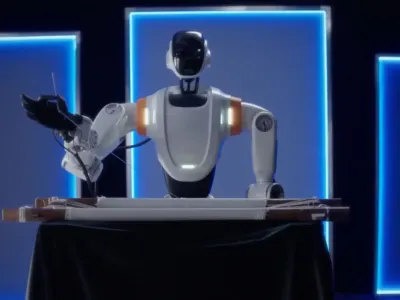
Chinese Robot Masters Hand Embroidery, Tackles Wire Harness Assembly
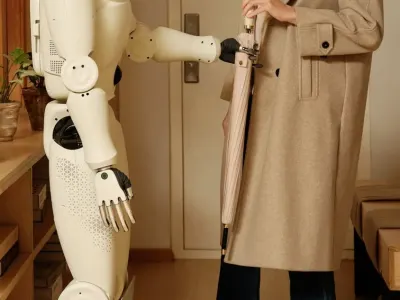
Zeroth's Jupiter Humanoid Debuts Amid M1 Launch Buzz
Related Comparisons
Compare 4NE-1 Mini with similar robots
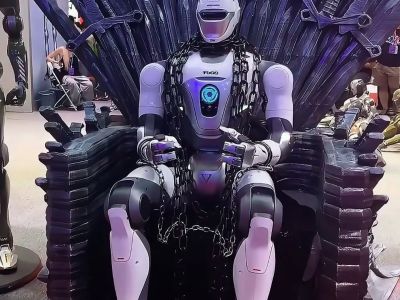
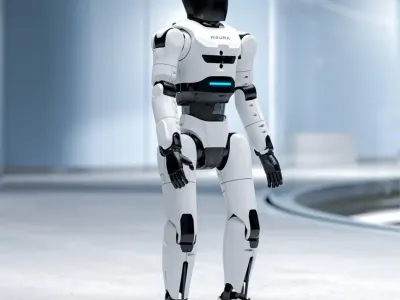
T800 vs 4NE-1 Mini
T800 or 4NE-1 Mini? See which humanoid robot performs better for manufacturing, logistics, and research with comparisons on dexterity, autonomy, and payload.

Optimus vs 4NE-1 Mini
Which humanoid robot is better? Optimus vs 4NE-1 Mini compared for dexterity, AI capabilities, payload, and industrial vs research use cases.
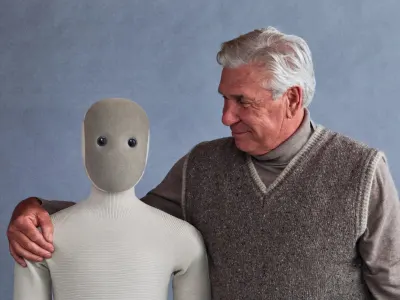
NEO Home Robot vs 4NE-1 Mini
Head-to-head: NEO Gamma vs 4NE-1 Mini compared on bipedal balance, AI learning, payload capacity, and real-world deployment for research and home use.
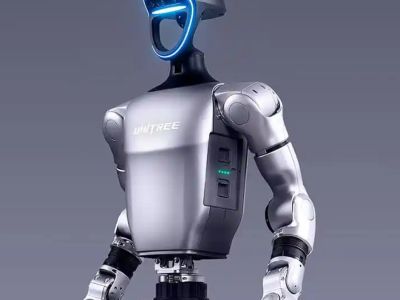
Optimus vs Unitree G1
Compare Optimus vs Unitree G1 for humanoid mobility, dexterity, autonomy, and payload capacity.
Learn More About This Robot
Discover detailed specifications, reviews, and comparisons for 4NE-1 Mini.
View Robot Details →