PaXini’s TORA DoubleOne Conquers Obstacles at CES 2026
Robot Details
TORA DoubleOne • PaXiniPublished
February 17, 2026
Reading Time
2 min read
Author
Origin Of Bots Editorial Team
CES Spotlight Steals
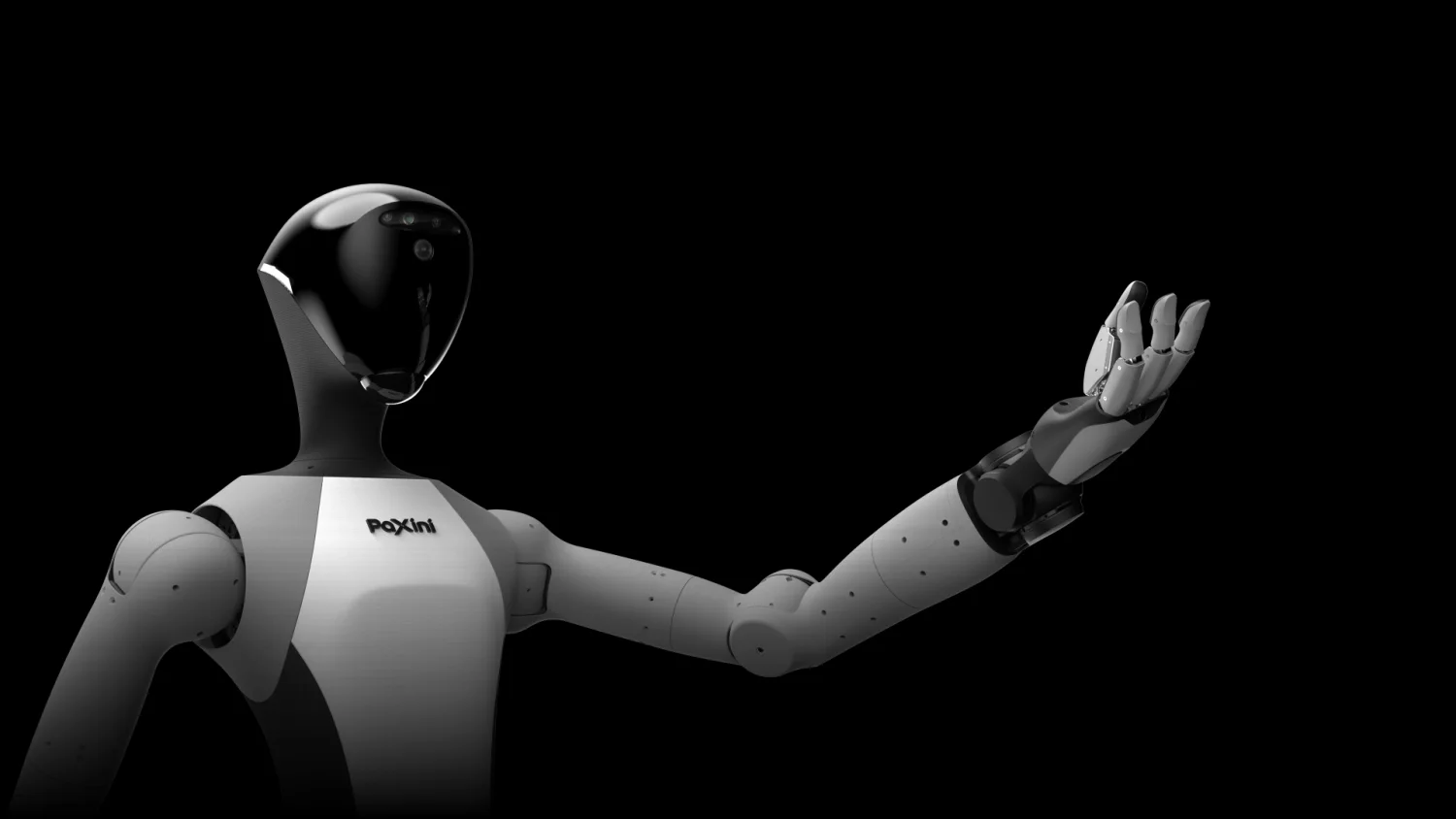
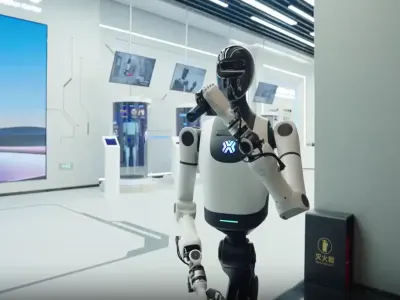
PaXini Technology turned heads at CES 2026 in Las Vegas by unveiling the TORA DoubleOne, a wheeled humanoid robot that deftly navigated obstacles, responded to physical touches, and executed handshakes with attendees. This dynamic demo highlighted the robot's ability to handle real-time interactions in crowded spaces, pushing boundaries for embodied AI in everyday environments. Drawing from its Waseda University roots, PaXini positioned TORA DoubleOne as a bridge from lab prototypes to practical deployment, emphasizing tactile smarts over mere mobility.
Touch Mastery Revealed
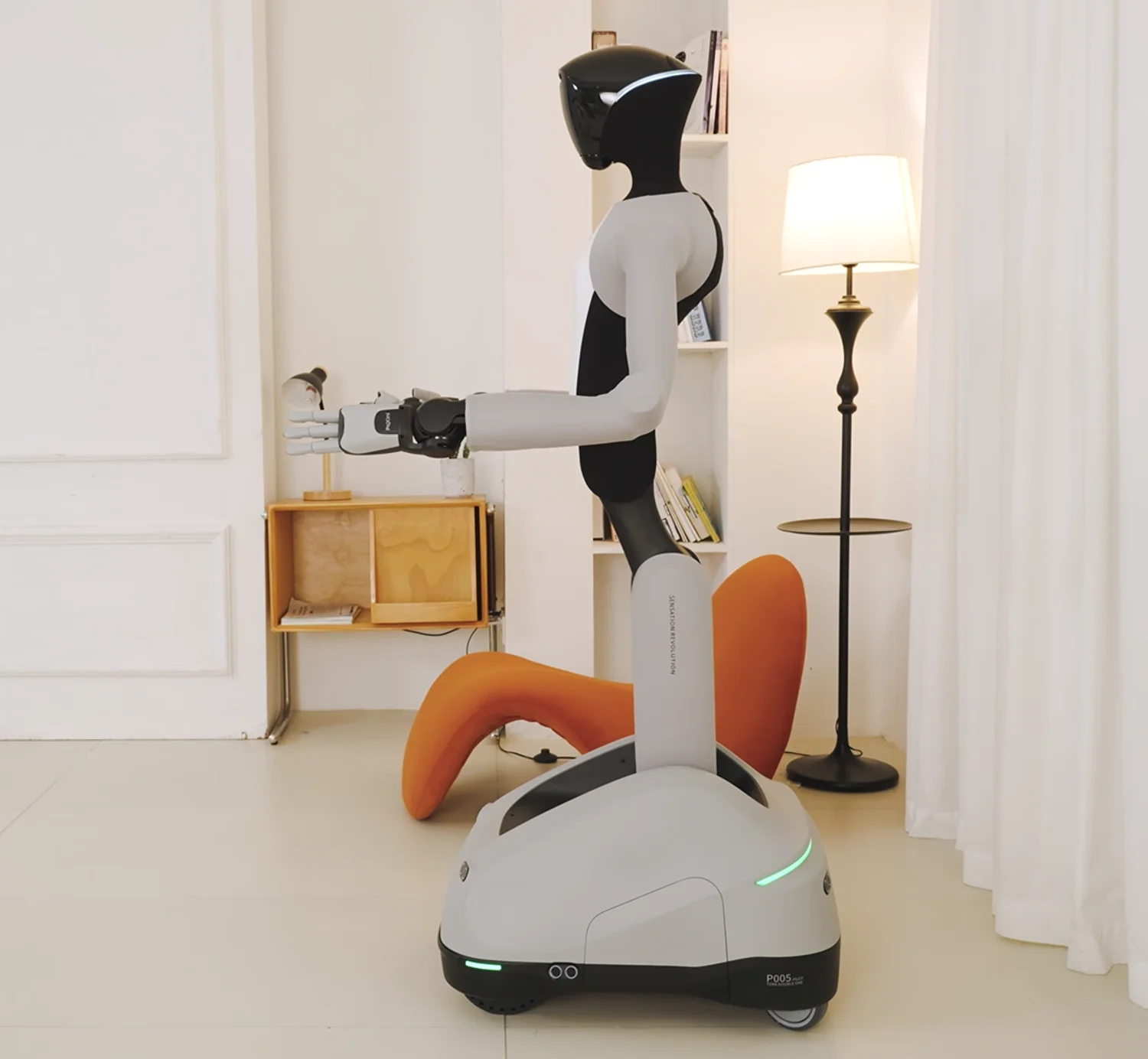
TORA DoubleOne stands out with its multimodal perception suite, blending 3D LiDAR, fisheye cameras, depth sensors, and multidimensional tactile units for human-like awareness. These enable seamless obstacle avoidance and adaptive responses, like gentle handshakes or evading bumps during motion. Fully foldable design adjusts operating heights for tight spaces, while modular hands swap for task-specific dexterity, redefining how humanoids engage dynamically without rigid programming.
Sensing Tech Leap
Engineers at PaXini integrated high-precision tactile sensors with 0.01 N resolution across 15 dimensions, including six-axis force, texture, and resilience, powering nuanced manipulation. NVIDIA Jetson AGX Orin drives onboard AI for low-latency decisions, paired with a Linux-based OS and ROS2 compatibility. This stack supports VTLA models for generalization, allowing the robot to learn from touches and visuals, conquering unpredictable terrains shown in CES obstacle courses.
Deployment Horizons Expand
Beyond demos, TORA DoubleOne targets logistics warehouses, automotive factories, elderly care, and food service, where upper-body precision handles packages or assists humans. In real trials, it sorts items, inspects goods, and supports medical tasks via safe, collaborative modes. Prioritizing seated or fixed-station work cuts costs on legged designs, focusing resources on interaction skills that boost efficiency in shared human-robot zones.
Dexterity Enablers Unpacked
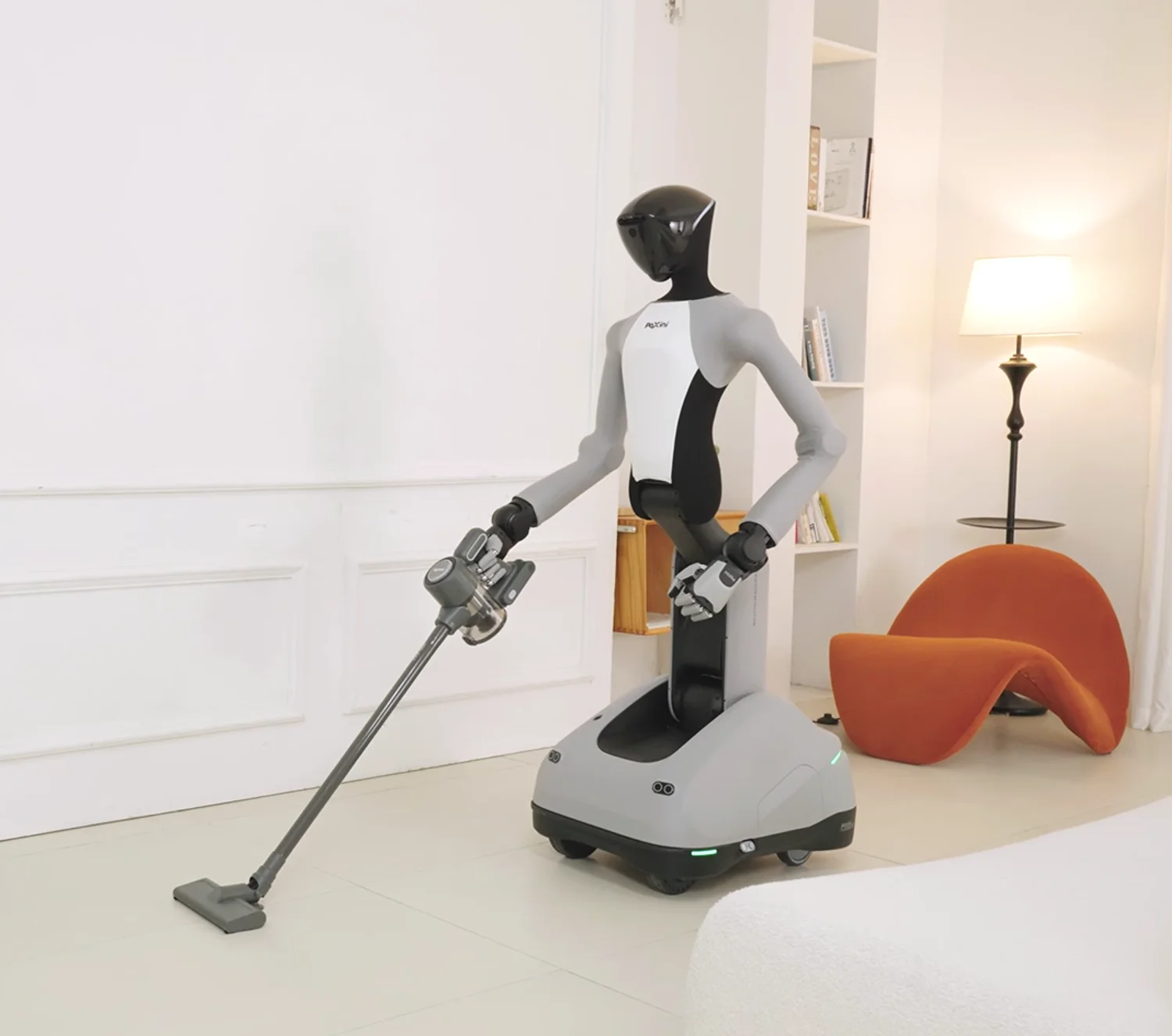
TORA DoubleOne's skill architecture shines through sensors like RGB-D cameras, 3D LiDAR, IMU, gyroscope, force, and tactile arrays, enabling precise people interactions and dexterous handling. Wheeled high-speed AGV-hybrid mobility hits 1.8 m/s for swift navigation via Laser-SLAM and visual mapping, while 3-5 year battery life sustains long assistance sessions. Model P (686 x 528 x 1671 mm, 70 kg) and X (774 x 502 x 1687 mm, 73 kg) frames carry tools, packages, or instruments, with force-limiting safety for collaborative fluidity.
Rivals Face-Off
| Robot | Strengths over TORA DoubleOne | TORA DoubleOne Advantages | Weaknesses vs. TORA DoubleOne |
|---|---|---|---|
| W1 Pro | Higher payload capacity | Superior tactile sensing, foldability | Less modular hands |
| Q5 | Faster top speed | Better obstacle navigation, AI integration | Bulkier frame |
| ALICE 4 | More DoF in arms | Longer battery, wheeled stability | Reduced upper-body precision |
| RB-Y1 | Lower cost entry | Advanced SLAM, human interaction | Shorter runtime per charge |
Explore Humanoids

Related Articles
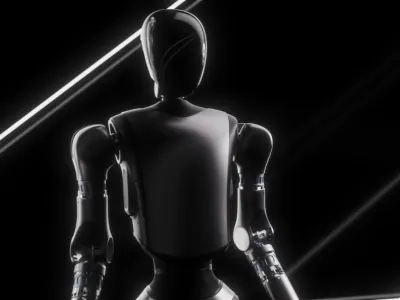
PHYBOT M1 Backflips to 530Nm Torque Glory
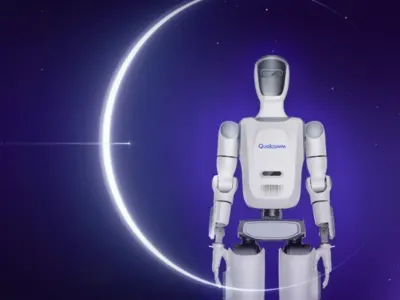
APLUX Ultra Magnus Directs Traffic in Chengdu Robot Push
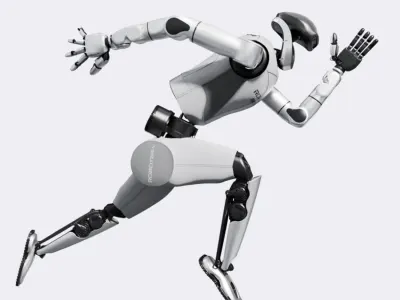
L7 Humanoid Masters Sword Dance at 4m/s Speed
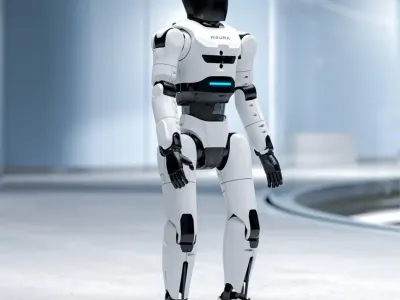
NEURA Opens 4NE1 Mini Reservations for April 2026
Related Comparisons
Compare TORA DoubleOne with similar robots

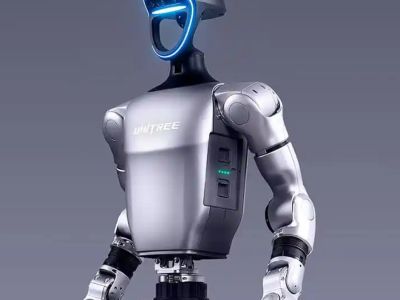
Optimus vs Unitree G1
Compare Optimus vs Unitree G1 for humanoid mobility, dexterity, autonomy, and payload capacity.
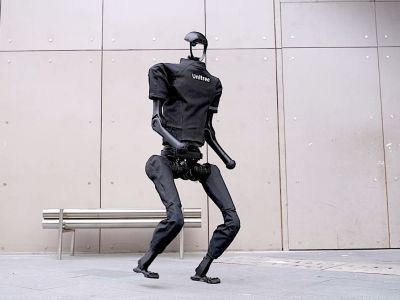
Unitree G1 vs Unitree H1
Head-to-head: Unitree G1 vs Unitree H1 compared on bipedal balance, AI learning, and real-world deployment.
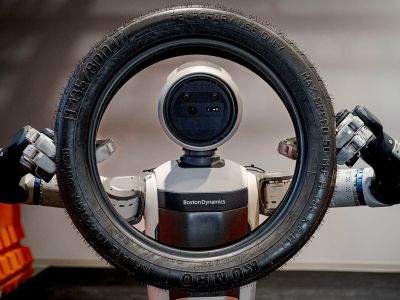
Optimus vs Atlas (Electric Atlas, 2025)
In-depth comparison of Optimus and Atlas (Electric Atlas, 2025), covering hardware capabilities, teleoperation, and enterprise readiness.
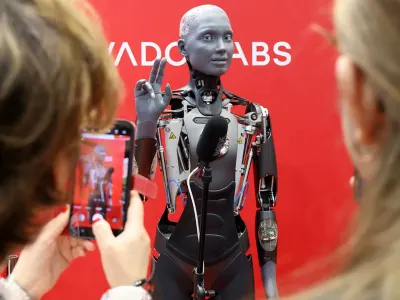

Ameca vs Moya
Which humanoid robot is better? Ameca vs Moya compared for dexterity, AI capabilities, and price.
Learn More About This Robot
Discover detailed specifications, reviews, and comparisons for TORA DoubleOne.
View Robot Details →