PHYBOT M1 Backflips to 530Nm Torque Glory
Robot Details
Phybot M1 • PhybotPublished
February 16, 2026
Reading Time
2 min read
Author
Origin Of Bots Editorial Team
Debut Flips Expectations
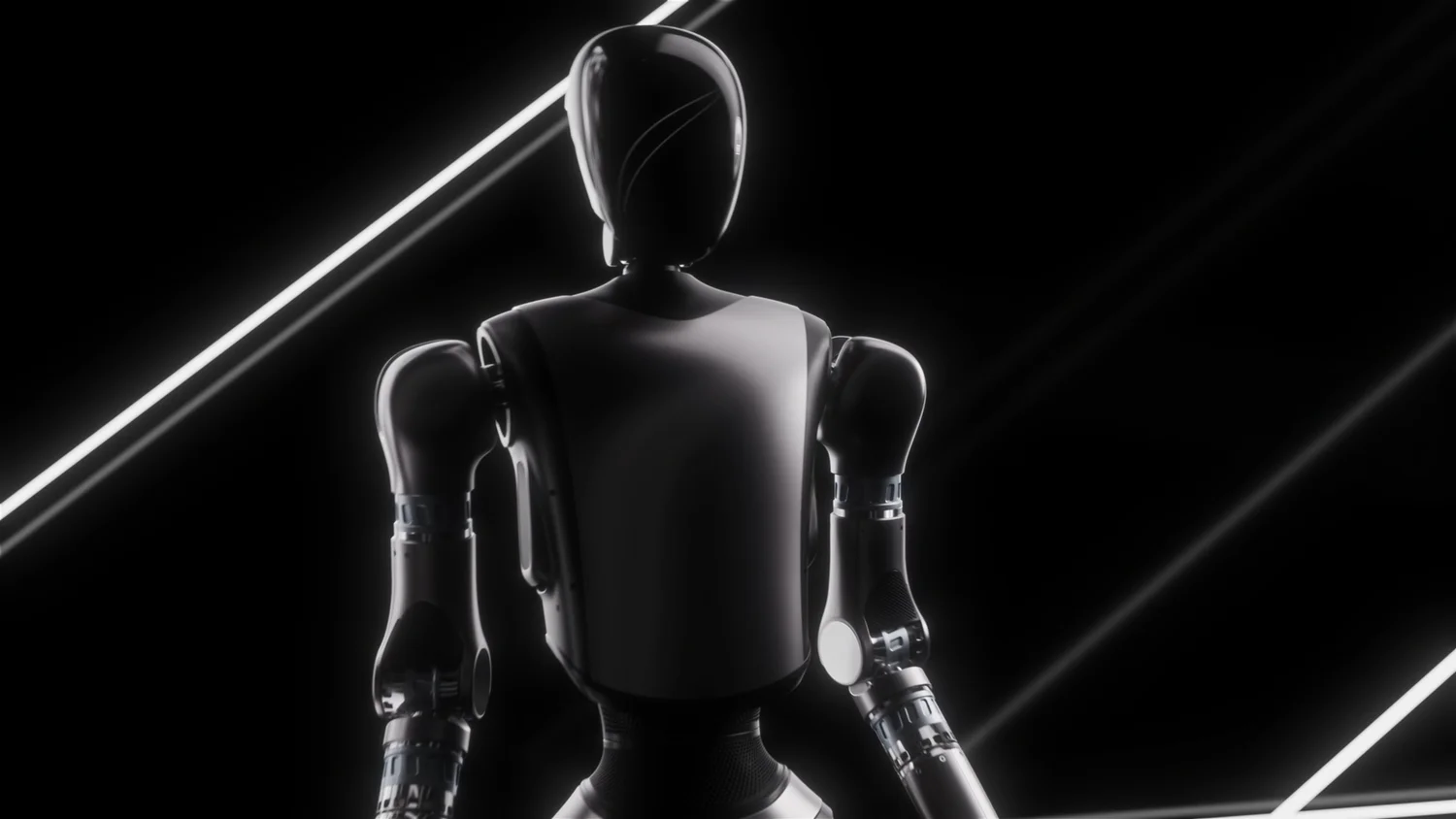
Phybot unveils the M1 humanoid robot in a stunning demonstration, executing a flawless standing backflip that underscores its claim to 530Nm peak joint torque. This full-sized electric machine, developed by the Chinese startup, positions itself as a torque powerhouse capable of superhuman feats, outpacing many rivals in dynamic power. Launched amid rising competition in humanoid robotics, the M1 arrives as factories and warehouses seek agile partners for complex tasks, promising to elevate electric designs beyond hydraulic limitations. Industry watchers hail the event as a pivotal moment, blending spectacle with substance for real deployment.
Acrobatic Prowess Unleashed
Engineers at Phybot engineered the M1's backflip through proprietary five-arc cycloidal drives, delivering explosive force in a lightweight frame. This innovation enables not just flips but sustained high-impact maneuvers, with instantaneous power exceeding 10kW and shock resistance five times overload capacity. Unlike static demos, the robot's torque density of 200Nm/kg mimics elite athleticism, allowing seamless transitions from jogs at 2m/s to aerial recoveries. Such capabilities transform routine interactions into fluid, human-like performances, opening doors to environments demanding unpredictability.
Torque Revolution Ignites
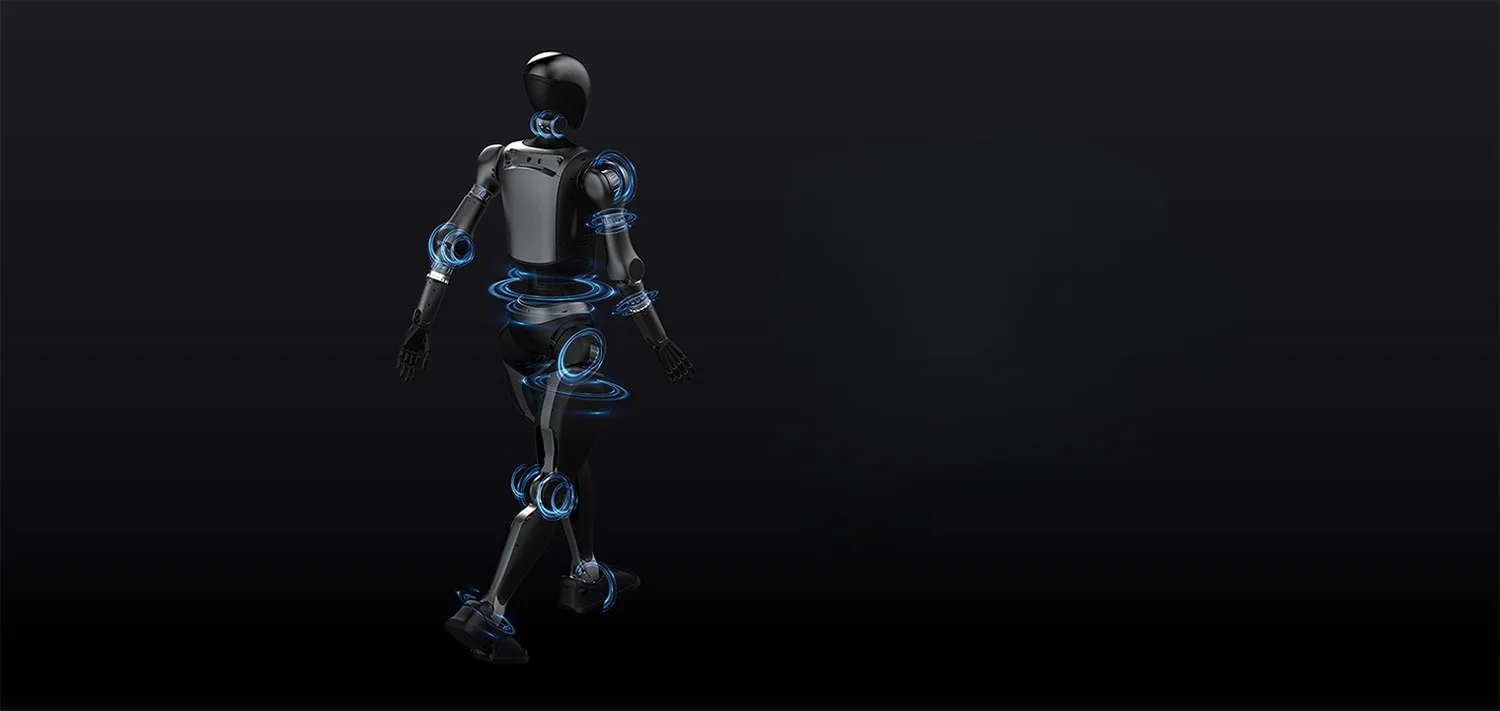
At the heart of M1's glory lies in-house actuation surpassing contemporaries, with 530Nm torque enabling precision under extreme loads. Acceleration-constrained trajectory retargeting refines motion data for physical realism, achieving 100% simulation success that translates to real-world stability. Hybrid Nvidia Jetson Orin and Intel Core i7 computing powers end-to-end AI for self-correction, while low back-drivability ensures responsive control. This electric supremacy disrupts hydraulics by matching power density at 10Nm/kg, all with superior efficiency and minimal maintenance.
Deployment Horizons Expand
Imagine M1 navigating chaotic warehouses, delicately handling precision instruments on assembly lines, or rushing into disaster zones for rapid assessments. Its bipedal agility shines in human-centric roles, from tool manipulation in tight spaces to collaborative emergency responses. By prioritizing dynamic stability, Phybot targets sectors where rigid wheeled bots falter, fostering safer human-robot teams. Early adopters eye logistics revolutions, where M1's endurance supports prolonged shifts without fatigue.
Skill-Enabling Architecture
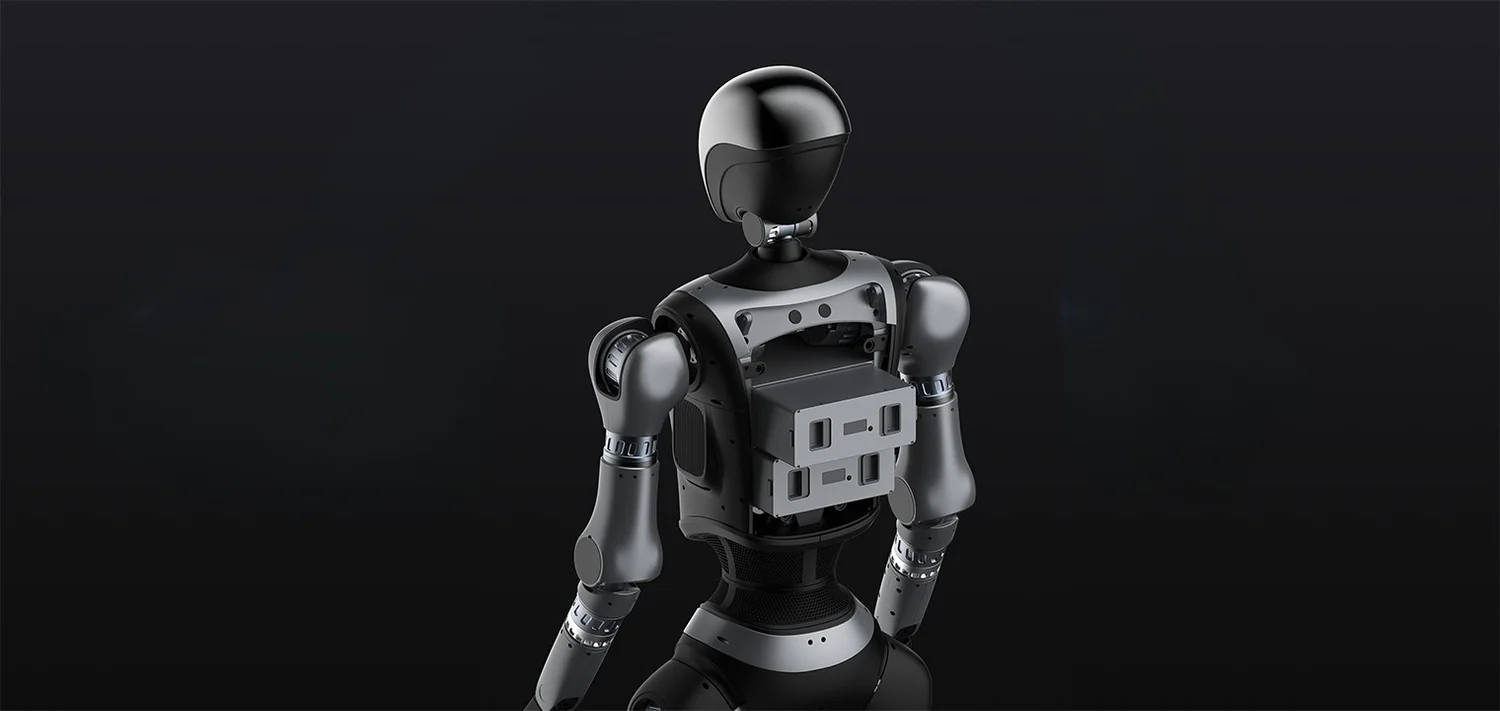
M1's 176cm stature and 67kg build empower natural bipedal strides at 7.2km/h, letting it mirror human paces in shared spaces. 3D LiDAR, stereo RGB cameras up to 5MP, 9-axis IMU, and cooling sensors fuel dexterous interactions, like grasping fragile packages or evading obstacles mid-task. Lidar-SLAM with visual odometry ensures unerring navigation, while force-limiting safety and collision detection build trust in crowded settings. Proprietary OS with ROS2 and Python APIs accelerates custom skills for assembly or response, backed by 3-5 year battery life for uninterrupted collaboration.
Rivals Face-Off
| Robot | Strengths over Phybot M1 | Phybot M1 Advantages | Weaknesses vs. Phybot M1 |
|---|---|---|---|
| RAISE A1 | Lighter frame aids portability | 530Nm torque crushes dynamic flips | Less proven in heavy payloads |
| Walker S1 | Mature production scaling | Superior electric torque density | Slower peak power bursts |
| Menteebot (V3.0 Production Prototype) | Advanced facial expressions | Backflip agility outpaces prototypes | Fewer industrial tool integrations |
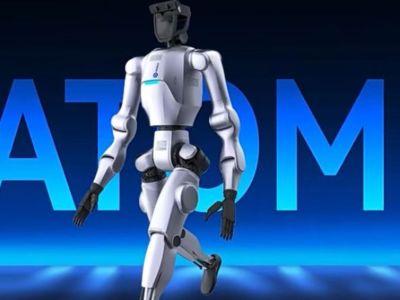
| Atom | Compact for tight spaces | Higher speed and endurance | Bulkier for broad navigation |
Explore Humanoids

Related Articles

DroidUp's Moya Heats Up Humanoids with 92% Human Gait
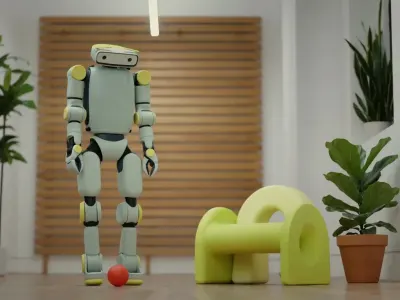
Fauna Emerges from Stealth, Ships Safe Sprout to Disney, Boston Dynamics
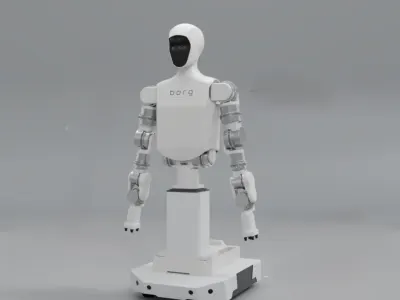
Detroit Startup's Three-Engineer Humanoid Dominates Industrial Automation

Phybot C1 Pioneers Multimodal Imaging in Humanoids
Related Comparisons
Compare Phybot M1 with similar robots

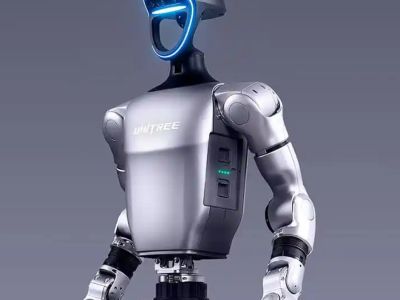
Optimus vs Unitree G1
Compare Optimus vs Unitree G1 for humanoid mobility, dexterity, autonomy, and payload capacity.
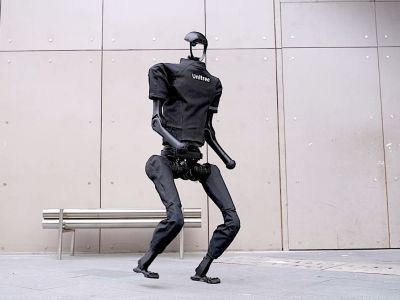
Unitree G1 vs Unitree H1
Head-to-head: Unitree G1 vs Unitree H1 compared on bipedal balance, AI learning, and real-world deployment.
Optimus vs Atlas (Electric Atlas, 2025)
In-depth comparison of Optimus and Atlas (Electric Atlas, 2025), covering hardware capabilities, teleoperation, and enterprise readiness.

Ameca vs Moya
Which humanoid robot is better? Ameca vs Moya compared for dexterity, AI capabilities, and price.
Learn More About This Robot
Discover detailed specifications, reviews, and comparisons for Phybot M1.
View Robot Details →