Chinese Robot Masters Hand Embroidery, Tackles Wire Harness Assembly
Robot Details
TARS • TARS RoboticsPublished
February 17, 2026
Reading Time
2 min read
Author
Origin Of Bots Editorial Team
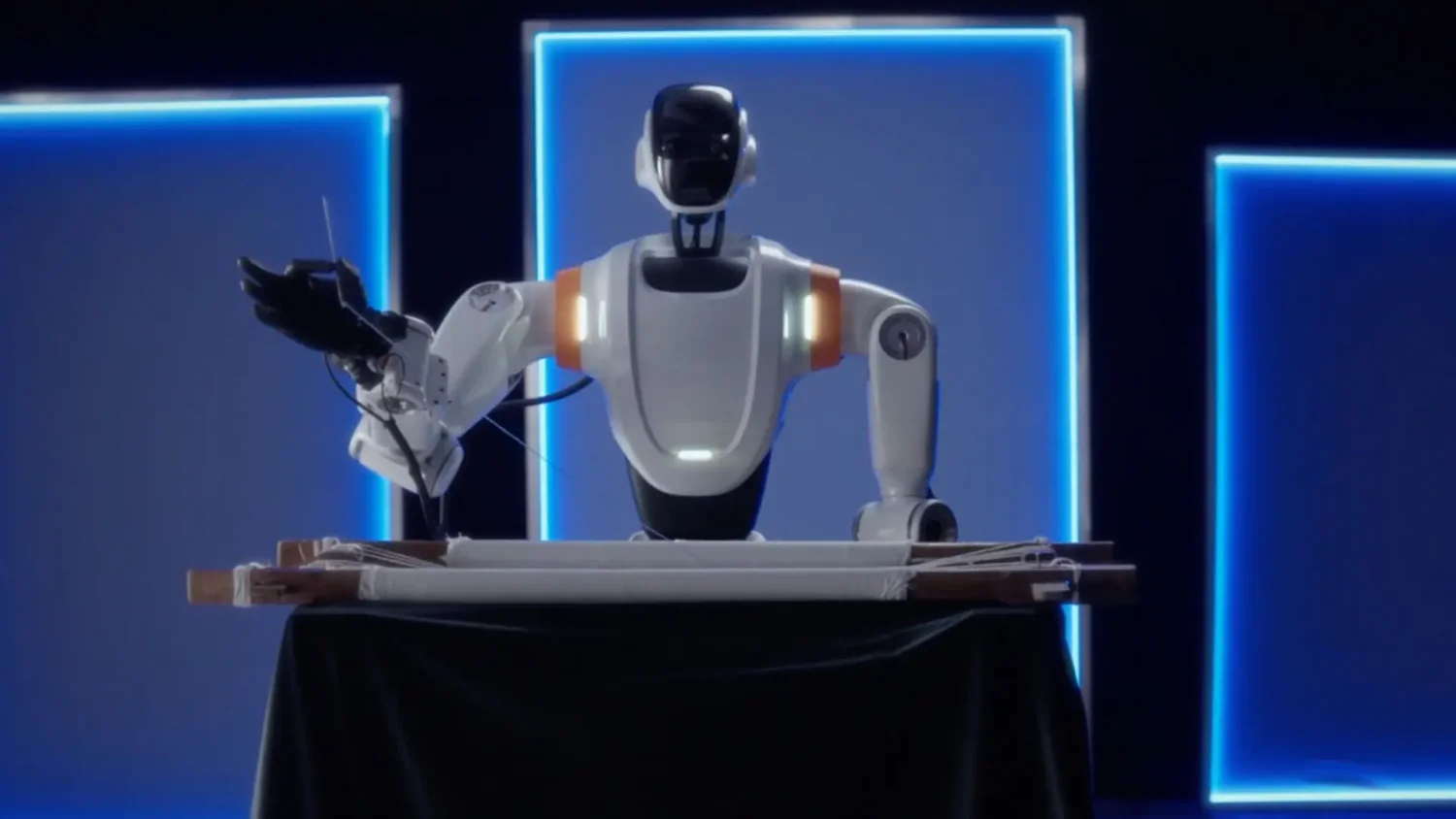
Embroidery Breakthrough Unveiled
TARS Robotics, a Shanghai-based innovator founded in early 2025, just shattered automation barriers with its humanoid robot executing flawless hand embroidery using both hands. This world-first demo, revealed in a recent press event, showcases sub-millimeter precision on flexible fabrics, a feat long deemed impossible for machines. Investors poured over $240 million into the startup, fueling rapid advances that position TARS to redefine flexible manufacturing. Meanwhile, the robot eyes wire harness assembly next, promising to streamline electronics production where human dexterity reigns supreme.
Dexterity Redefined
What sets TARS apart lies in its embodied AI prowess, blending real-time sensory feedback with coordinated bimanual control for tasks demanding adaptive finesse. Unlike rigid industrial arms, this humanoid intuitively handles thread tension and fabric shifts, learning generalized skills via the AWE 2.0 model. TARS Robotics engineers emphasize a "minimal digital-to-physical gap," ensuring AI decisions translate seamlessly into stable actions. Notably, the SenseHub platform captures vast real-world data, driving task success rates skyward across scenarios.
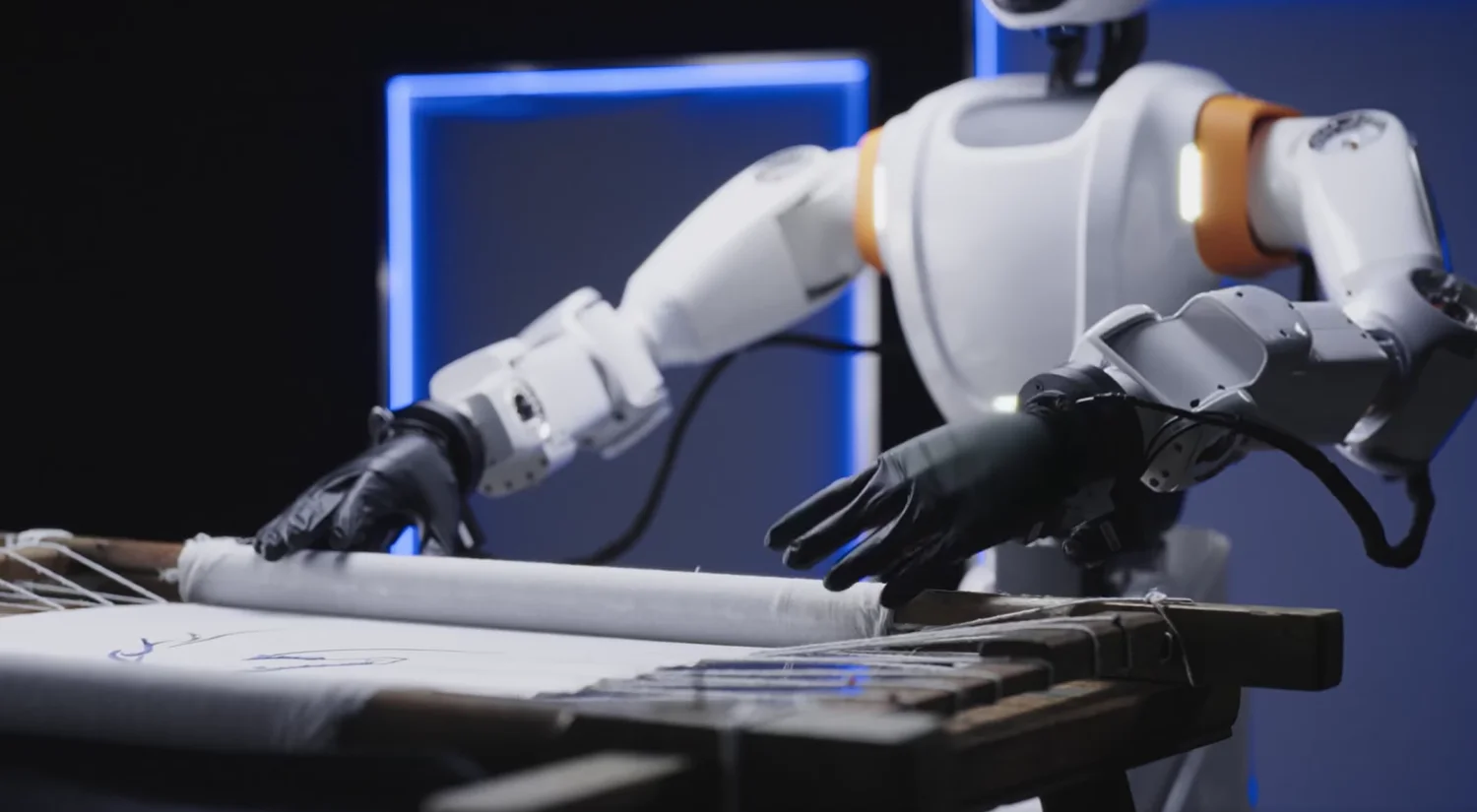
Sensing Revolutionized
At TARS's core, engineering marvels enable human-like intuition through stereoscopic RGBD cameras that "see" textures, paired with IMU, gyroscope, tactile matrices, and force sensors for instant balance and grip adjustments. Powered by a Linux-based ROS system with Python APIs, it processes depth maps and language inputs at lightning speed. Bipedal walking in the T-Series, or wheeled options in A-Series, delivers 3 km/h mobility indoors via Visual SLAM navigation. These integrations form a closed-loop intelligence pipeline, scaling from prototypes to production.
Factory Transformations Ahead
Imagine robots tackling hand embroidery in apparel lines or meticulously wiring aircraft harnesses without fatigue, slashing defects in high-mix factories. TARS targets precision automation, from delicate stitching to tool handling of flexible payloads like instruments. Collaborative safety modes with force limiting and collision detection let it work alongside humans, boosting output in electronics and textiles. Dr. Ding Wenchao, TARS Chief Scientist, envisions deployment across industries, turning bottlenecks into competitive edges.
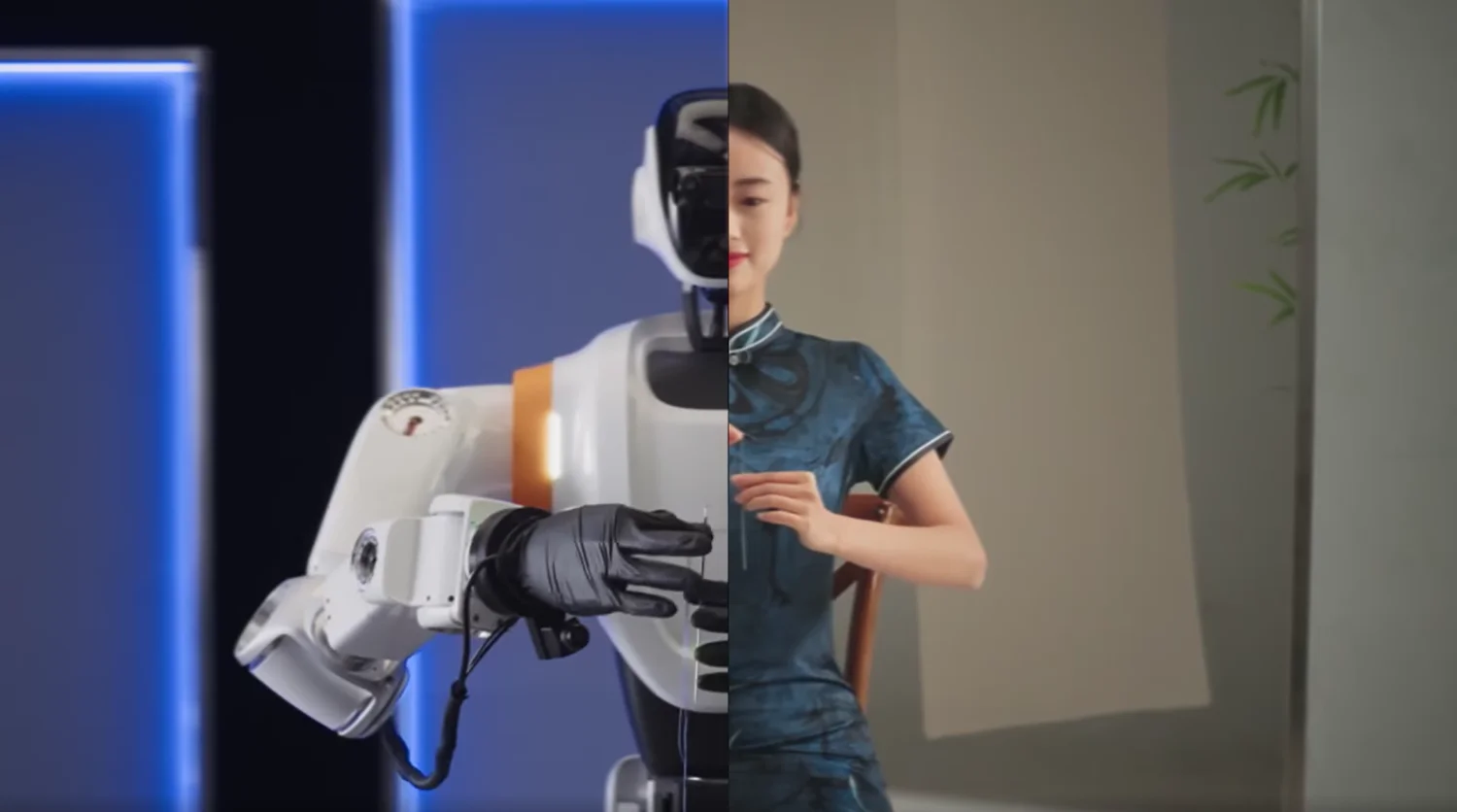
Skill-Enabling Framework
TARS's 160-175 cm frame and 80 kg build empower extended interaction sessions, with 3-5 year battery endurance supporting uninterrupted dexterity in human environments. RGBD stereoscopic cameras and tactile sensors unlock nuanced hand-eye coordination for embroidery finesse, while IMU/gyroscope ensure stable bipedal steps amid dynamic settings. Force sensors enable gentle payload handling of tools or materials, fostering collaborative precision. Linux/ROS software with Python APIs accelerates skill learning, making natural movements intuitive for operators.
Rivals Dissected
| Robot | Strengths over TARS | TARS Advantages | Weaknesses vs. TARS |
|---|---|---|---|
| LUS2 | Superior payload lift (25kg) | Excels in flexible manipulation like embroidery | Slower fine-motor adaptation |
| Agile ONE | Faster sprint speed (5km/h) | Unmatched bimanual precision for wiring | Less agile on uneven floors |
| Oli | Lower cost entry ($50k) | Longer battery for sustained tasks | Bulkier frame limits tight spaces |
| Martian | Advanced outdoor navigation | Indoor SLAM dominance in factories | Weaker tactile sensing depth |
Explore Humanoids

Sources
Related Articles
L7 Humanoid Masters Sword Dance at 4m/s Speed
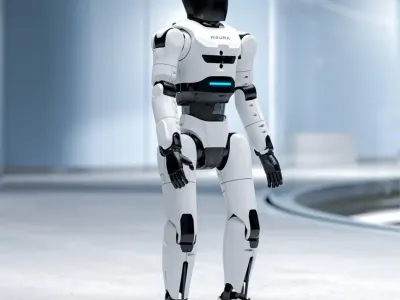
NEURA Opens 4NE1 Mini Reservations for April 2026
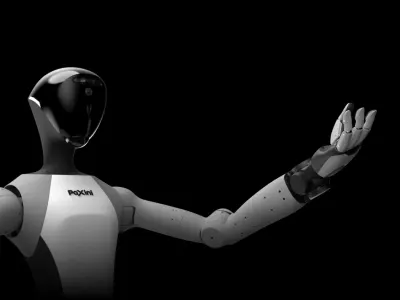
PaXini’s TORA DoubleOne Conquers Obstacles at CES 2026
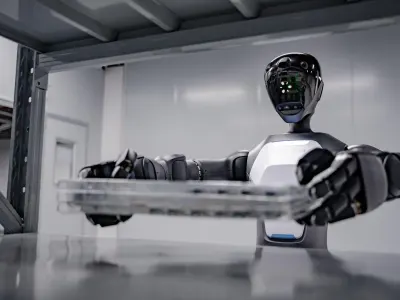
PaXini's Tora One Demonstrates Autonomous Mastery at CES 2026 with Ice Cream Service Task
Related Comparisons
Compare TARS with similar robots

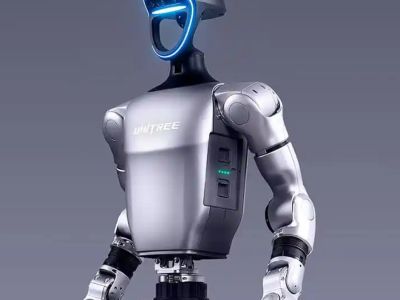
Optimus vs Unitree G1
Compare Optimus vs Unitree G1 for humanoid mobility, dexterity, autonomy, and payload capacity.
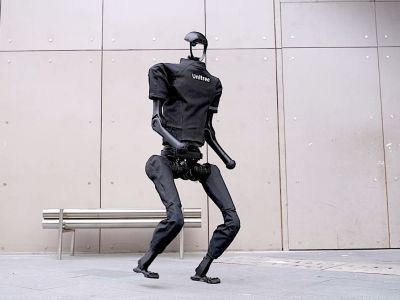
Unitree G1 vs Unitree H1
Head-to-head: Unitree G1 vs Unitree H1 compared on bipedal balance, AI learning, and real-world deployment.
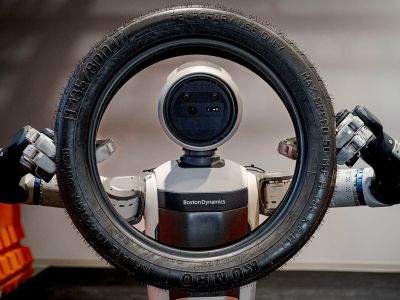
Optimus vs Atlas (Electric Atlas, 2025)
In-depth comparison of Optimus and Atlas (Electric Atlas, 2025), covering hardware capabilities, teleoperation, and enterprise readiness.
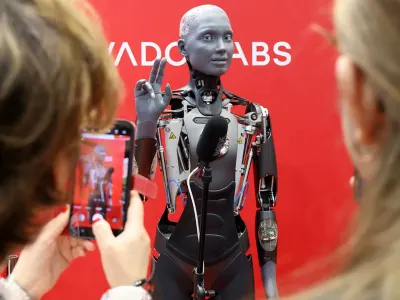

Ameca vs Moya
Which humanoid robot is better? Ameca vs Moya compared for dexterity, AI capabilities, and price.
Learn More About This Robot
Discover detailed specifications, reviews, and comparisons for TARS.
View Robot Details →