Kinisi Robotics’ Kinsi 01 pushes humanoids toward teleoperation-first warehouse work
Robot Details
Kinsi 01 • Kinsi RoboticsPublished
August 10, 2026
Reading Time
3 min read
Author
Origin Of Bots Editorial Team
A worksite problem
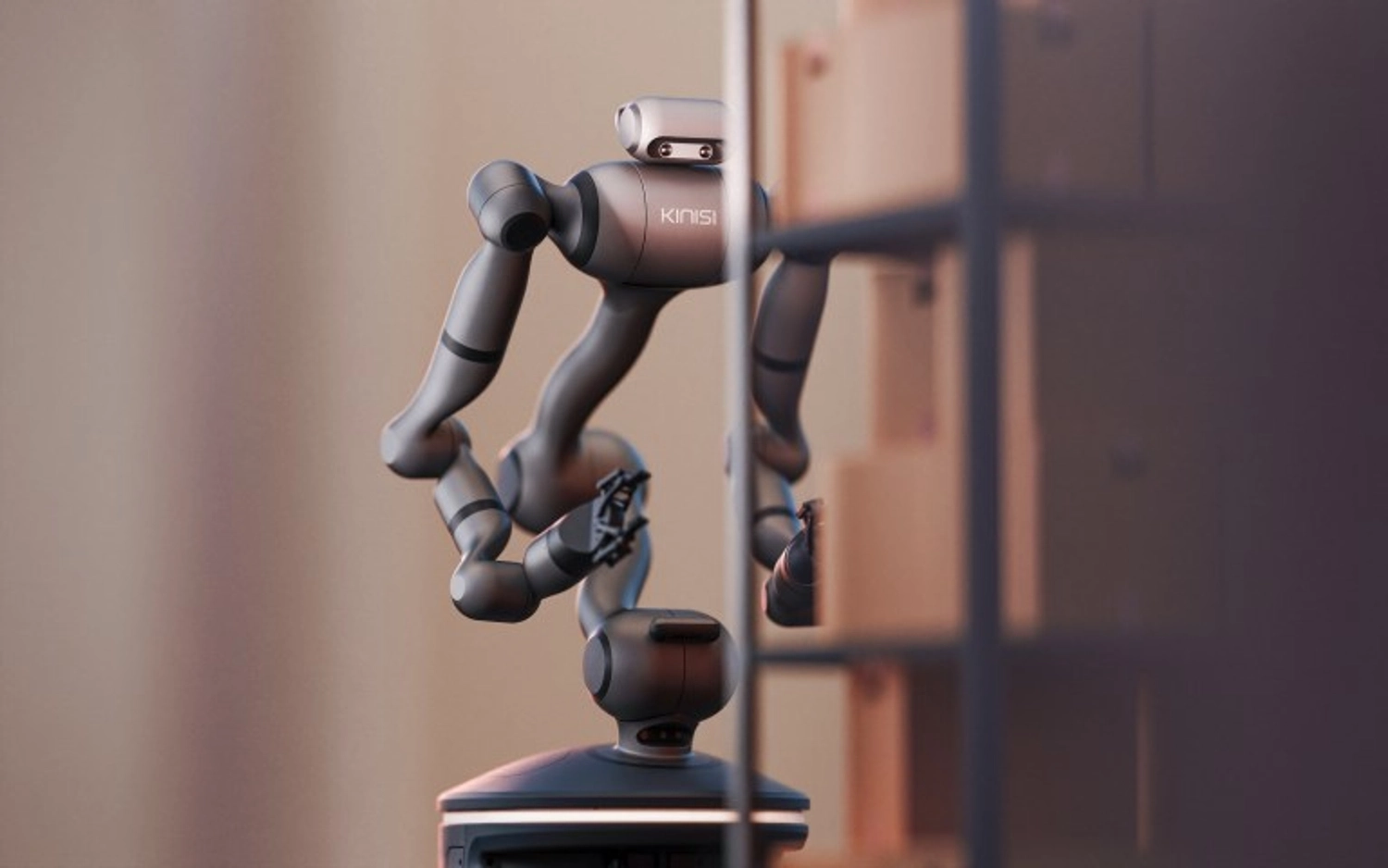
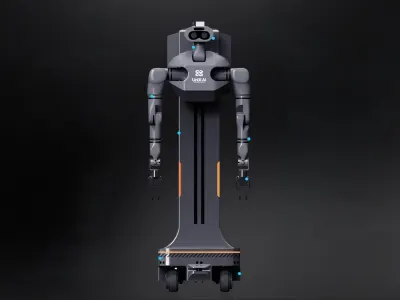
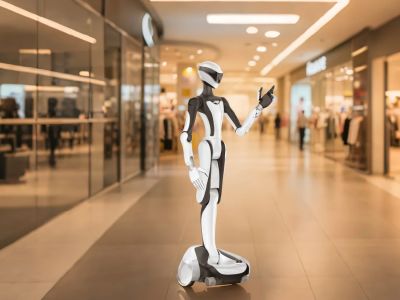
Humanoid robots are increasingly being built to handle the gap between human hands and messy, human-designed environments, where balance, dexterity, and reliable manipulation matter more than raw speed. Kinisi Robotics’ Kinsi 01 is being presented as a wheeled humanoid for that exact setting, with recent material highlighting a warehouse-focused machine built around pick-and-place, sorting, assembly, and loading tasks.
Why it stands out
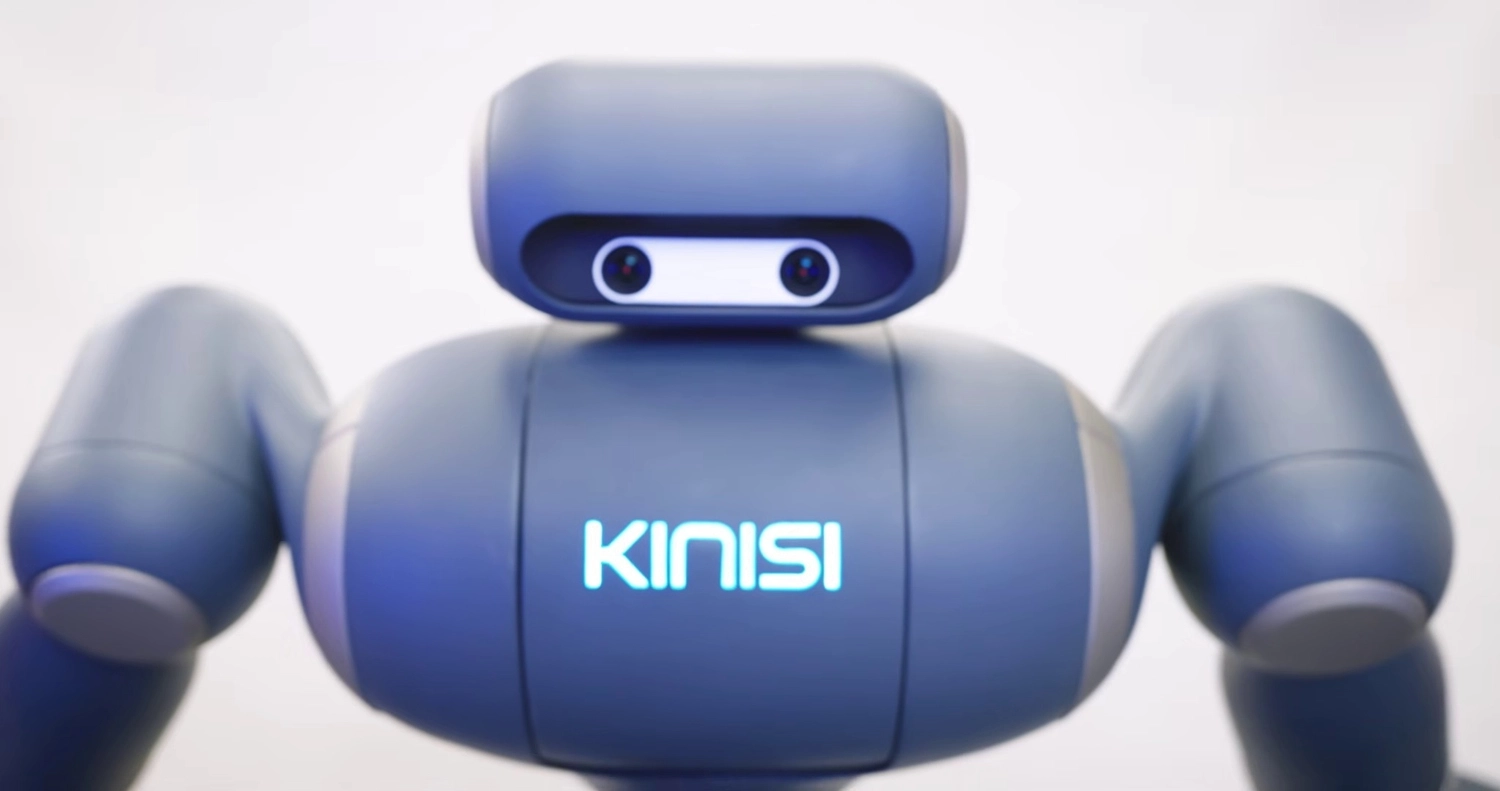
What makes Kinsi 01 notable is not a single spec but the combination of humanoid form factor, wheeled mobility, and manipulation-oriented software aimed at human-centric spaces. That mix is relevant because the category’s hardest problems are still full-body coordination, natural interaction, real-time imitation fidelity, and teleoperation that remains stable when the robot is moving and handling objects at the same time. In practice, that places Kinsi 01 in the middle of a broader industry shift away from scripted motion libraries and toward operator-guided robots that can work in closer proximity to people. Kinsi 01 is framed less as a standalone autonomous worker and more as a controlled extension of human labor.
How it works
The technical flow is straightforward for a humanoid platform: human motion input, either directly or through operator guidance, is processed by software that interprets the task and the robot’s environment, then the system drives joint actuation while continuously correcting balance and contact forces. For Kinsi 01, the reported stack combines Visual SLAM and LiDAR mapping with ROS2, proprietary software, and Python and C++ APIs, which suggests a system designed to translate spatial awareness into repeatable manipulation rather than free-roaming autonomy.
Warehouse handling
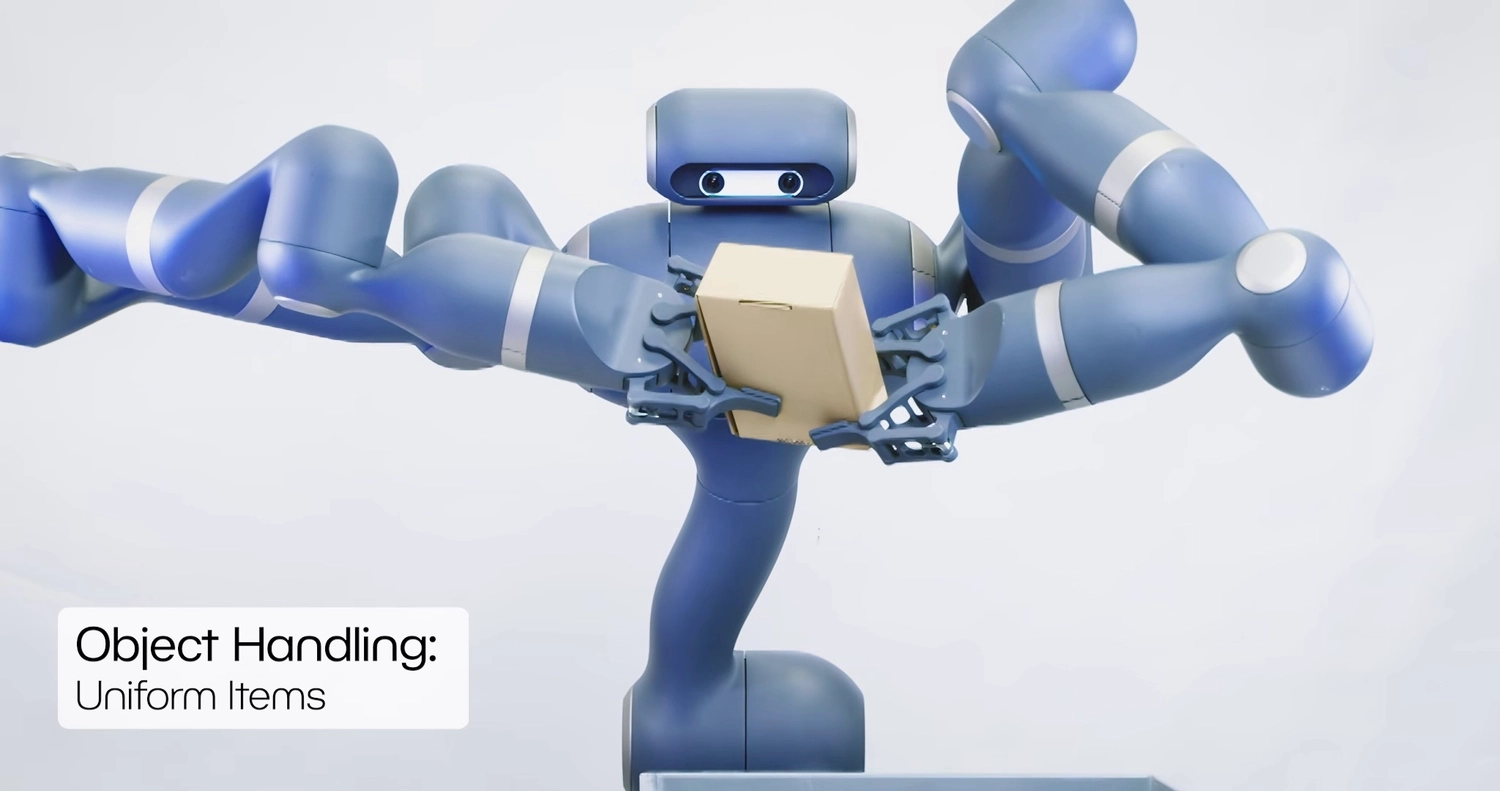
A realistic deployment scenario for Kinsi 01 is warehouse pick-and-place at a workstation where items vary in size, shape, and handling sensitivity. In that setting, the robot’s value comes from staying mobile in tight indoor aisles, reaching shared human work areas, and moving tools, packages, or precision instruments without requiring the facility to be rebuilt around a fixed industrial arm. That is the kind of task where teleoperation and assisted execution can matter more than fully autonomous decision-making.
Specs with purpose
The reported 162 x 65 x 45 cm frame and 100 kg weight point to a machine sized for indoor human spaces rather than open terrain, while the wheeled base is intended to support stable motion in those environments. The listed 14.4 km/h speed, or 4.0 m/s, suggests the platform is built to move quickly between tasks, and the battery life of 3-5 years total usable life indicates a long-service component profile rather than a disposable prototype cycle. Its sensor suite, including RGB cameras, stereo depth cameras, 180° LiDAR, ultrasonic sensors, IMU, gyroscope, force sensors, and temperature sensors, supports the kind of perception and force awareness needed for close-up manipulation and collision detection.
Rivals Edge Check
| Robot | Key Advantage | Where Kinsi 01 Wins | Target Use |
|---|---|---|---|
| Universal Wheeled Humanoid Robot | Broad wheeled humanoid positioning | More clearly focused on manipulation-heavy human-centric workflows | Teleoperation and assisted service |
| Panther | Strong mobility-centric humanoid profile | Kinsi 01 emphasizes warehouse handling and software integration | Indoor logistics and inspection |
| Q5 | Likely tuned for general humanoid flexibility | Kinsi 01 is more specific about tools, packages, and precision instruments | Pick-and-place and sorting |
| David | Likely positioned around general-purpose humanoid work | Kinsi 01’s wheeled base and sensor stack fit controlled indoor deployment | Loading and assembly |
Industry direction
Kinsi 01 points to a humanoid market that is becoming less theatrical and more operational, with wheeled bases and operator-in-the-loop control designed to improve uptime in real spaces. If that model holds, the near-term competition will not be about which robot looks most human, but which one can stay usable around people, survive repeated shifts, and make teleoperation feel dependable enough for daily work.
Explore Humanoids

Sources
Related Articles
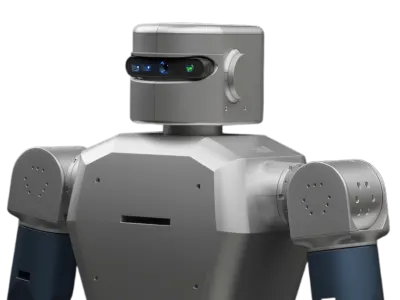
Rotaku’s Domo pushes teleoperation-first humanoid research into a smaller, cheaper platform

Galaxea Dynamics’ Kengo brings bipedal humanoid teleoperation into sharper focus
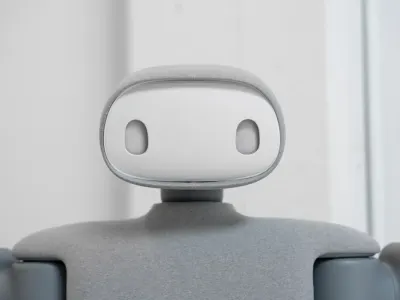
Weave Robotics launches Isaac 1, a wheeled humanoid designed for home manipulation and remote operation
Eden Robotics unveils Eden-1 as a humanoid work robot for warehouses and factories
Related Comparisons
Compare Kinsi 01 with similar robots

Optimus vs Unitree G1
Compare Optimus vs Unitree G1 for humanoid mobility, dexterity, autonomy, and payload capacity.
Unitree G1 vs Unitree H1
Head-to-head: Unitree G1 vs Unitree H1 compared on bipedal balance, AI learning, and real-world deployment.
Optimus vs Atlas (Electric Atlas, 2025)
In-depth comparison of Optimus and Atlas (Electric Atlas, 2025), covering hardware capabilities, teleoperation, and enterprise readiness.
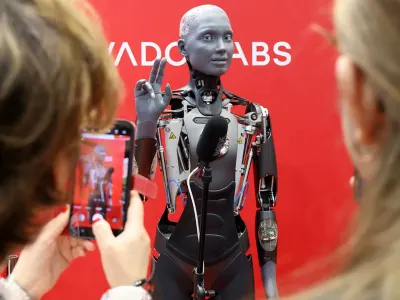

Ameca vs Moya
Which humanoid robot is better? Ameca vs Moya compared for dexterity, AI capabilities, and price.
Learn More About This Robot
Discover detailed specifications, reviews, and comparisons for Kinsi 01.
View Robot Details →