Weave Robotics launches Isaac 1, a wheeled humanoid designed for home manipulation and remote operation
Robot Details
Isssac 1 • Weave RoboticsPublished
August 10, 2026
Reading Time
3 min read
Author
Origin Of Bots Editorial Team
A humanoid bet
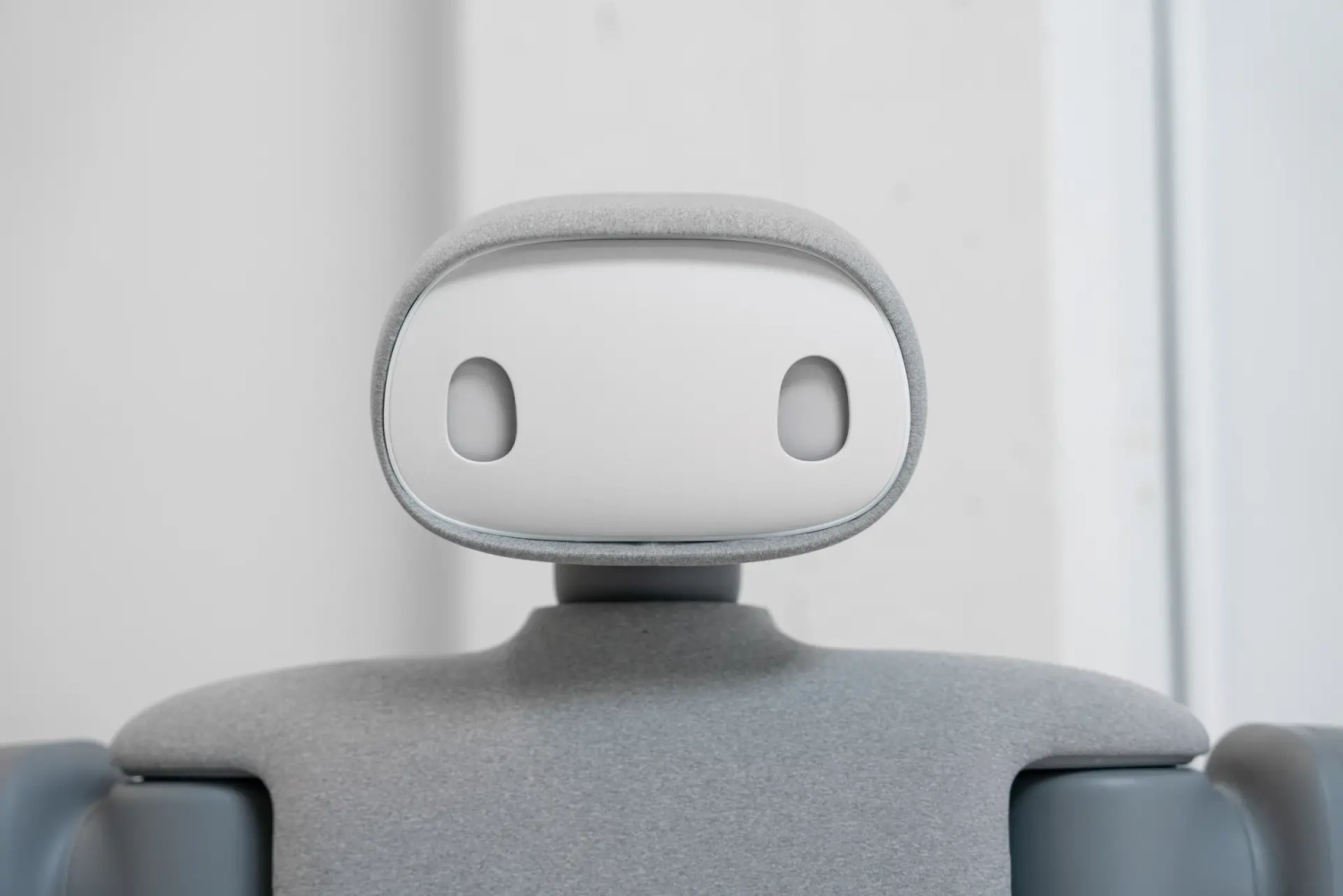
The humanoid category exists to solve a hard problem: how to translate human motion, balance, and manipulation into a machine that can work in human spaces. Weave Robotics has now launched Isaac 1, a wheeled humanoid-style robot built around that challenge, with official materials and launch coverage describing a machine aimed at household manipulation rather than walking on legs.
Why it stands out
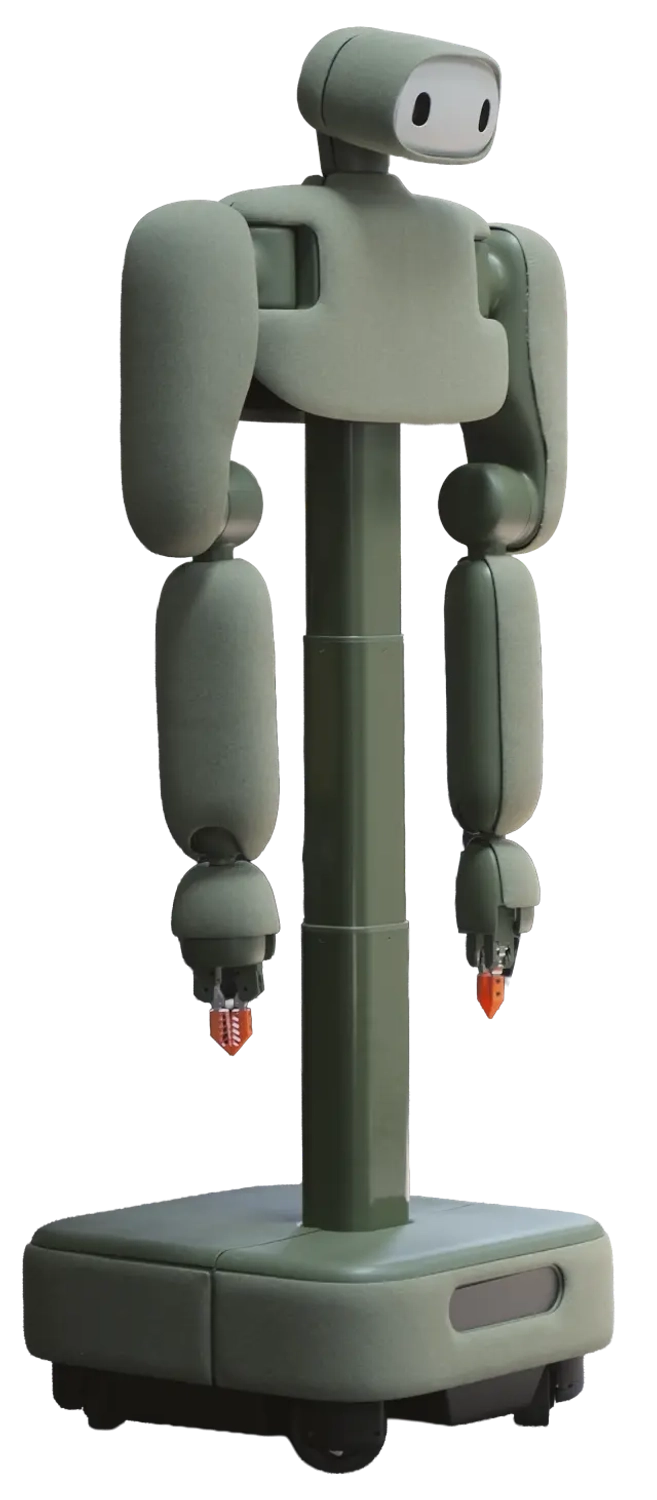
What separates Isaac 1 from many robot concepts is the design choice to prioritize teleoperation-friendly upper-body work over bipedal mobility, with a telescoping body, dual arms, and a wheeled base that keeps the platform stable in tighter indoor environments. That approach is notable because it focuses on full-body coordination, natural interaction at human scale, and practical task execution in rooms, corridors, and kitchens where wheel-based navigation is simpler than legged balance. It also aligns with a broader industry shift toward humanoids that can be supervised, assisted, and remotely directed rather than depending on long sequences of pre-scripted motion. Isaac 1 is less about copying human walking and more about making human-scale manipulation usable indoors.
How it works
The system flow is straightforward: human motion input or remote task control is processed by software, then converted into coordinated arm, torso, and base movements that keep the robot balanced while it acts. Available reporting points to ROS2, a proprietary operating system, and Python APIs as part of that control stack, with visual SLAM and Wi-Fi-based mapping supporting indoor navigation. In practice, that means Isaac 1 is designed to receive instructions, interpret its position in the home or workspace, and then execute manipulation with force awareness and collision checking rather than freeform autonomy.
Laundry at home
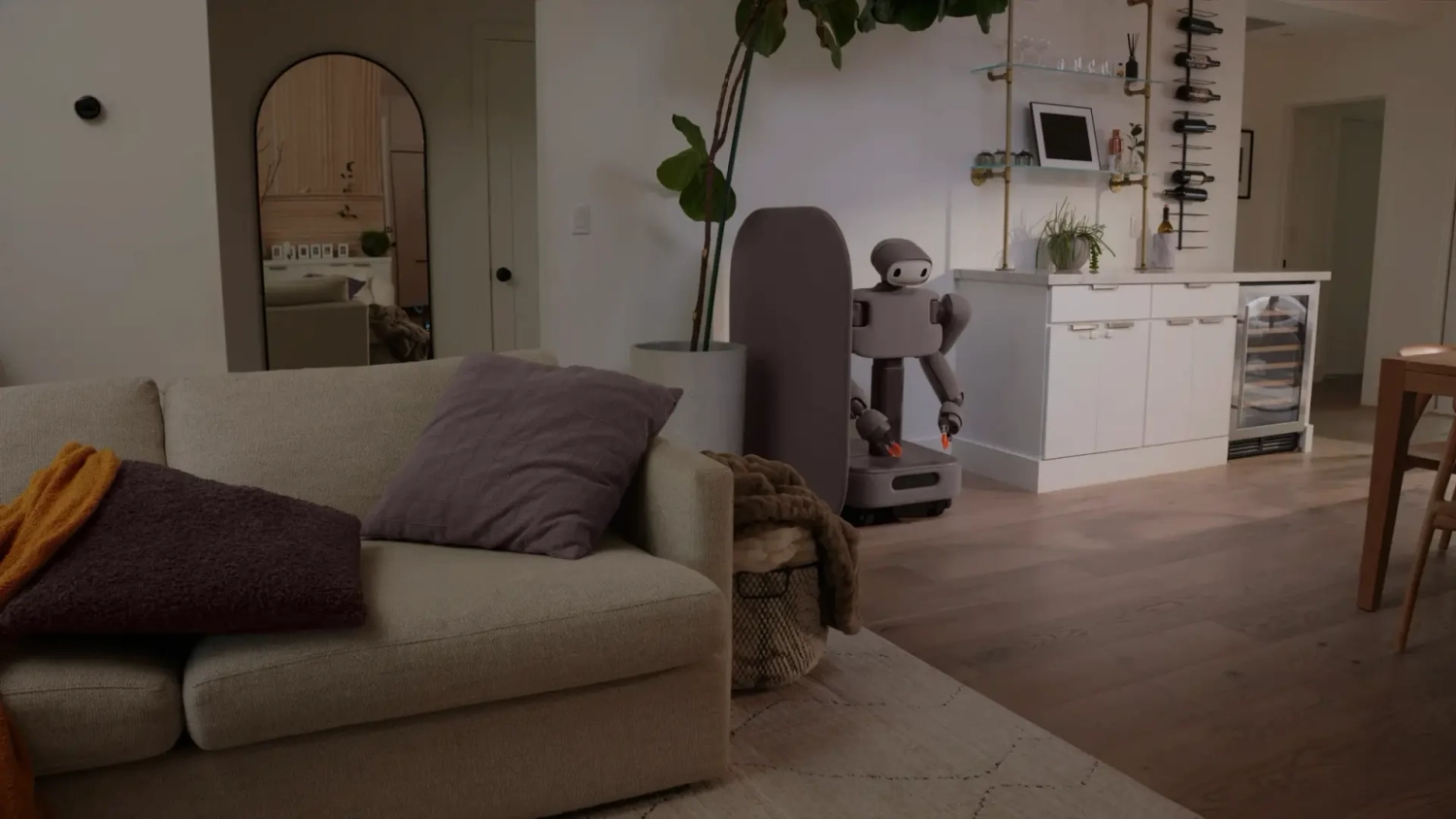
The clearest deployment scenario is assisted home service, especially laundry handling and room reset tasks in lived-in spaces. In that setting, a wheeled humanoid can move to a hamper, lift soft goods, and place items on counters or shelves without requiring the complex foot placement and balance recovery that a legged robot would need in the same room. That makes the platform most relevant where the task is repetitive, space-constrained, and centered on careful interaction with household objects rather than speed.
Capabilities in numbers
The reported 91 x 48 x 48 cm dimensions suggest a compact footprint when the robot is not actively extending for a task, while the 45 kg weight indicates a platform built for stability rather than portability. Its wheeled mobility is paired with RGB cameras, stereo cameras, an IMU, gyroscope, force sensors, and ultrasonic sensors, which are the kinds of inputs a humanoid needs to track its body, detect contact, and move safely near people. Reported software support for ROS2 and Python APIs also suggests it is aimed at developer workflows and integration-heavy deployments, not just consumer-style use.
Rivals Edge Check
| Robot | Key Advantage | Where Isssac 1 Wins | Target Use |
|---|---|---|---|
| Tron 2 | Strong general-purpose humanoid positioning | More compact indoor form factor and wheeled stability for home-centric work | Service and manipulation |
| Spaceo M1 | Broader mobility-first design | Better fit for human-centric indoor tasks that favor controlled upper-body action | Inspection and remote handling |
| Panther | Strong locomotion and field-oriented presence | Simpler deployment in indoor spaces where wheels reduce balance complexity | Assisted service |
| Universal Wheeled Humanoid Robot | Emphasis on wheel-based humanoid operation | Reported home-service orientation and developer-facing software stack | Teleoperation and manipulation |
Industry direction
Isaac 1 signals that the humanoid market is moving toward task-first systems that can be supervised in real environments instead of waiting for fully autonomous generality. That matters because it reframes success around reliable manipulation, remote operation, and safe interaction in homes and other human-centric spaces, not around whether a robot can imitate walking as closely as possible. If that approach holds, the near-term competition will be less about dramatic motion demos and more about which platforms can repeatedly do useful work with the fewest operational frictions.
Explore Humanoids
Sources
Related Articles
Zurich Startup Orbit Robotics Unveils Four-Armed HELIOS Humanoid for Space Station Maintenance
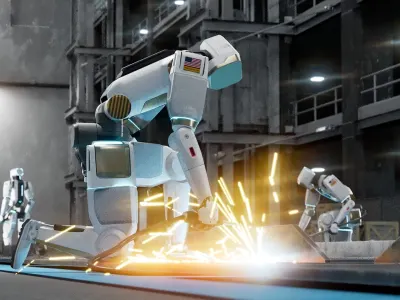
Persona AI Unveils Persona Humanoid for Shipyard Welding and Industrial Tasks
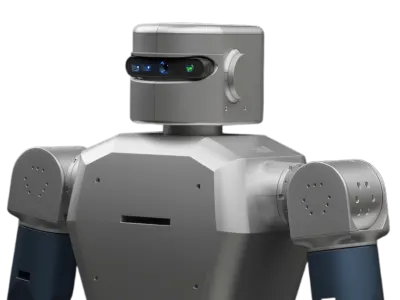
Rotaku’s Domo pushes teleoperation-first humanoid research into a smaller, cheaper platform

Galaxea Dynamics’ Kengo brings bipedal humanoid teleoperation into sharper focus
Related Comparisons
Compare Isssac 1 with similar robots

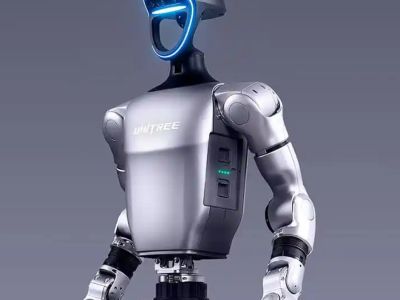
Optimus vs Unitree G1
Compare Optimus vs Unitree G1 for humanoid mobility, dexterity, autonomy, and payload capacity.
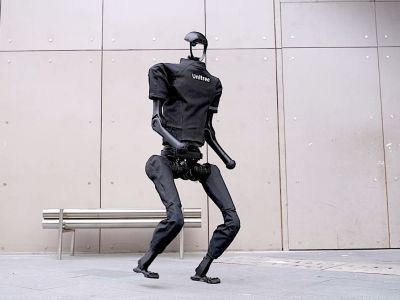
Unitree G1 vs Unitree H1
Head-to-head: Unitree G1 vs Unitree H1 compared on bipedal balance, AI learning, and real-world deployment.
Optimus vs Atlas (Electric Atlas, 2025)
In-depth comparison of Optimus and Atlas (Electric Atlas, 2025), covering hardware capabilities, teleoperation, and enterprise readiness.

Ameca vs Moya
Which humanoid robot is better? Ameca vs Moya compared for dexterity, AI capabilities, and price.
Learn More About This Robot
Discover detailed specifications, reviews, and comparisons for Isssac 1.
View Robot Details →