Galaxea Dynamics’ Kengo brings bipedal humanoid teleoperation into sharper focus
Robot Details
Kengo • Galaxea DynamicsPublished
August 5, 2026
Reading Time
3 min read
Author
Origin Of Bots Editorial Team
A humanoid milestone
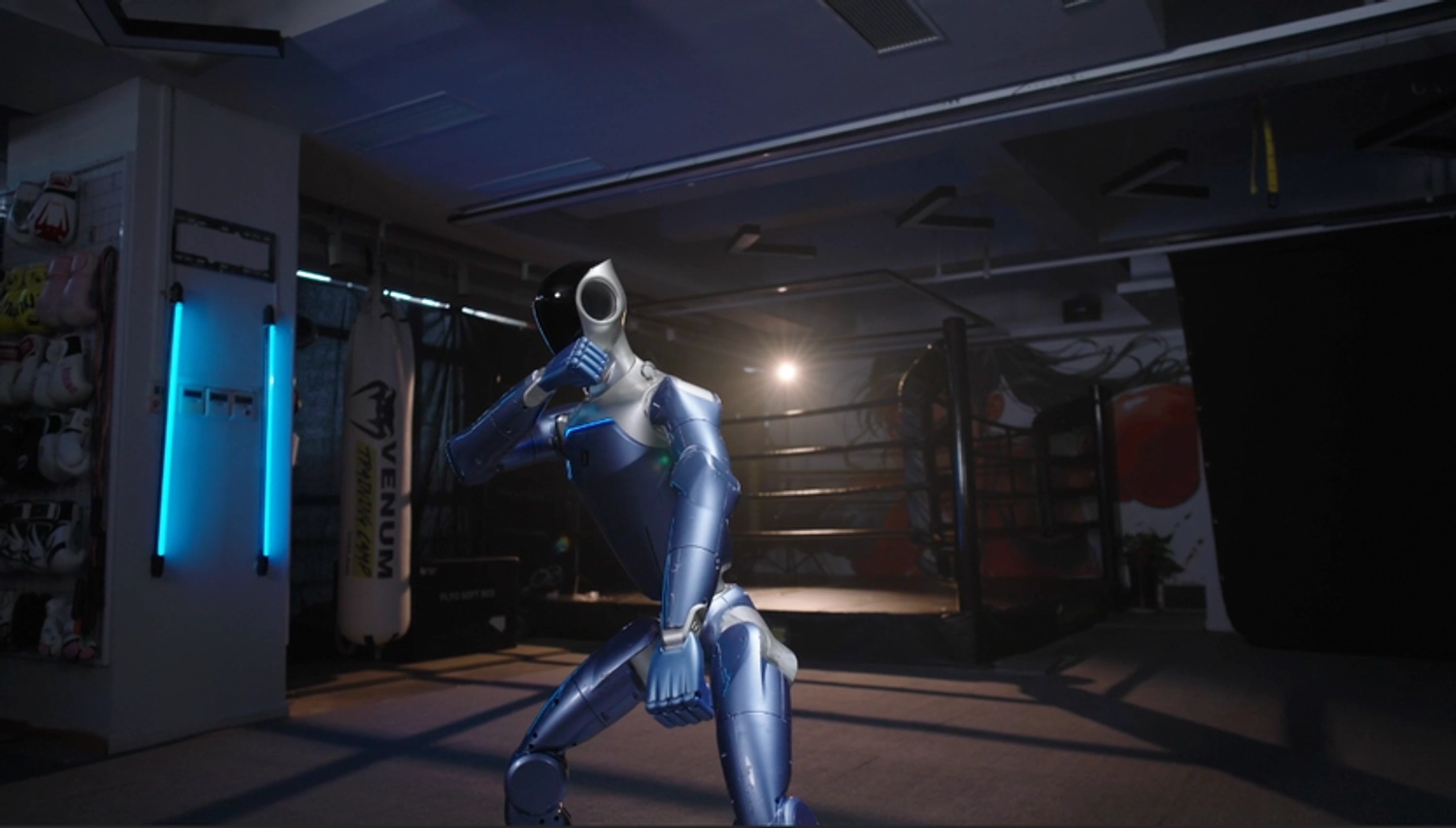
Humanoid robots are now being judged less on scripted demos and more on whether they can support real-time human control, balance correction, and usable manipulation in human spaces. Galaxea Dynamics has unveiled Kengo, its first fully bipedal humanoid robot, positioning it as a platform for embodied AI, service work, and research rather than a fixed-motion showcase.
Why Kengo stands out
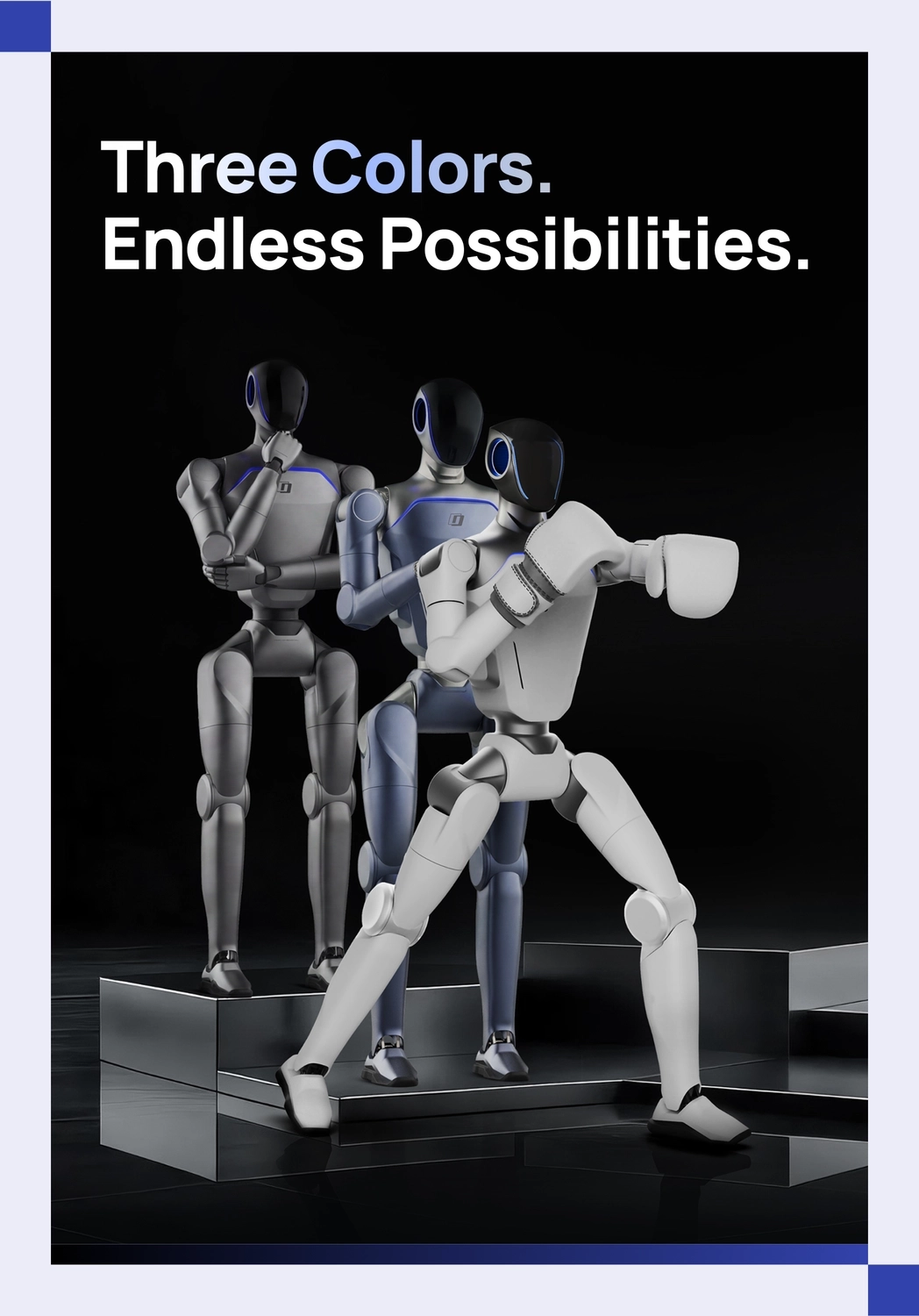
Kengo matters because its design centers on full-body coordination rather than isolated arm work, with bipedal walking, dexterous hands, and a software stack built around ROS and a proprietary embodied-AI layer. That combination points to the industry’s shift toward teleoperation-first humanoids that can mirror human motion with enough fidelity to be useful in service tasks and remote inspection. Its reported ability to handle interaction-focused payloads, along with stair-climbing and fall-recovery claims, suggests the robot is aimed at practical motion continuity rather than stage-only agility. Kengo is less about single-task automation and more about making human control feel physically present.
Input to motion
In category terms, the technical flow is straightforward: human motion input goes into AI model processing, which then drives joint actuation and balance correction across the body. Kengo’s published stack points to that pattern, with a Linux and ROS-based base layer, a proprietary embodied-AI layer, and a sensor set that includes an RGB camera, IMU, gyroscope, force sensors, and visual SLAM with LiDAR mapping support. For a humanoid, that matters because the robot has to turn human intent into stable movement while continuously correcting posture in real time.
Remote handling work
A realistic deployment scenario for Kengo is remote inspection and assisted handling inside a factory or service facility, where a human operator can guide the robot through narrow spaces, stairs, and cluttered work areas. In that setting, the value is not full autonomy but preserving the natural timing of human hands and feet while the robot handles balance and force control. That makes Kengo more relevant to environments where direct human presence is costly or inconvenient, but tasks still require judgment and fine manipulation.
Form supports function
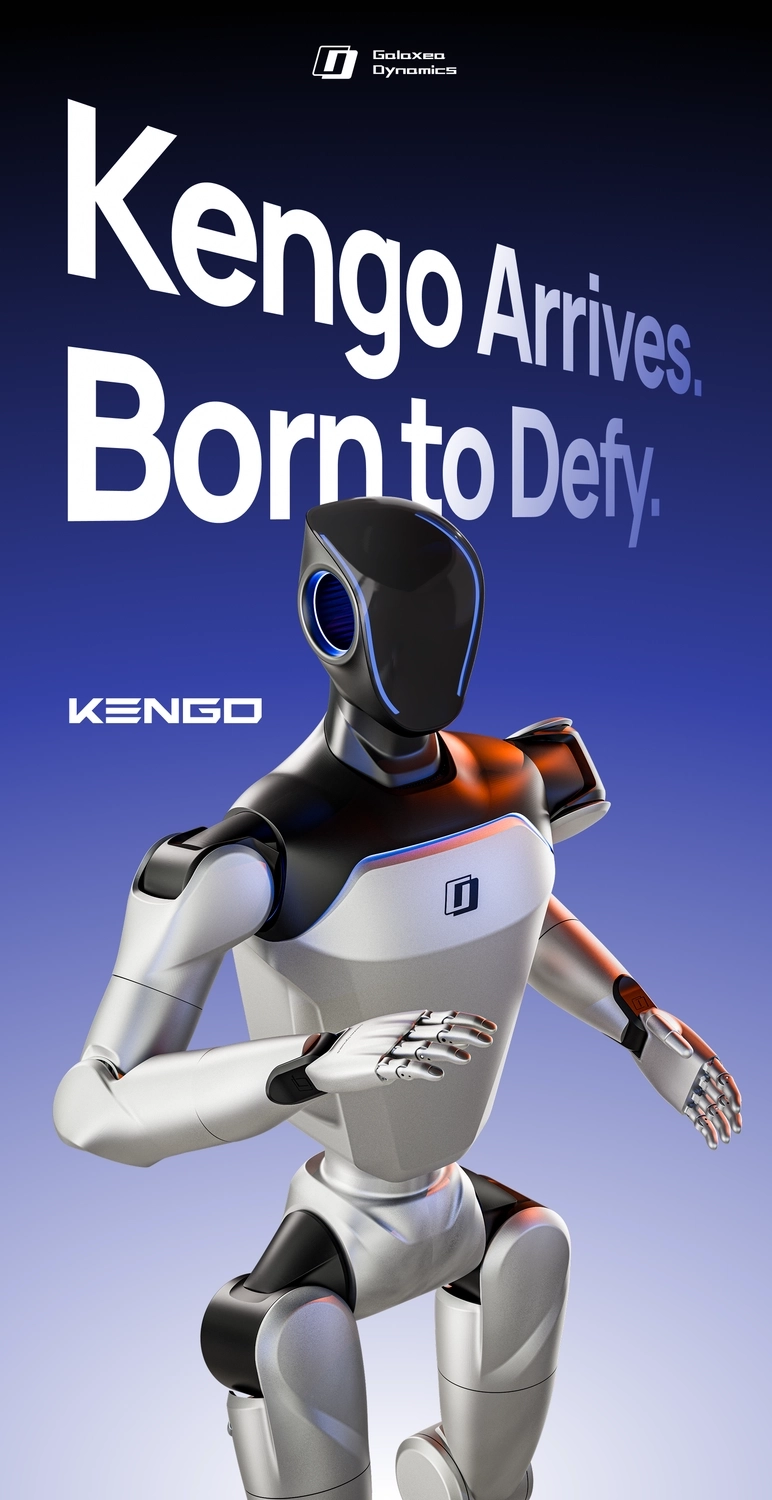
The reported 140 x 44 x 22.5 cm footprint and 40 kg weight suggest a compact humanoid form that is easier to place in indoor environments than larger, heavier machines. Its 5 km/h / 1.4 m/s speed, along with legged bipedal mobility, points to a platform built for human-scale movement rather than warehouse-style transport. The listed 3- to 5-year battery life and safety features such as force limiting, collision detection, and emergency stop further frame Kengo as a system intended for repeated human interaction, not just isolated lab testing.
Rivals Edge Check
| Robot | Key Advantage | Where Kengo Wins | Target Use |
|---|---|---|---|
| Embodied Tien Kung 3.0 | Strong full-body locomotion emphasis | More explicit teleoperation and human-interaction framing | Research, mobility demos |
| AI Sapiens K0 | Likely AI-first embodiment focus | Broader reported task mix and humanoid service positioning | Assisted service, manipulation |
| Domo | Longstanding humanoid research lineage | Newer embodied-AI stack and contemporary ROS-based integration | Academic robotics, manipulation |
| CyberOne 2026 Version | Advanced social-interaction positioning | Stronger balance of mobility, tools, and practical indoor use cases | Human-facing assistance |
The market signal
Kengo’s arrival signals that humanoid competition is increasingly about control architecture and deployment realism, not just height, speed, or acrobatics. If teleoperation becomes the dominant bridge to useful humanoid labor, the winners may be the robots that make human intent easier to translate into stable motion inside buildings where people already work.
Explore Humanoids
Related Articles
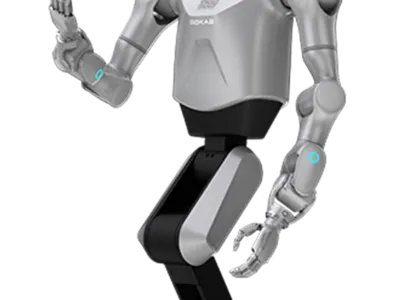
ROKAE Unveils Helios Wheeled Humanoid Robot for Real-World Industrial Automation
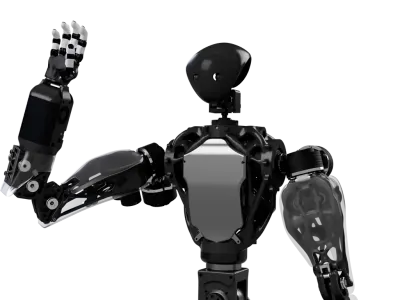
Zurich Startup Orbit Robotics Unveils Four-Armed HELIOS Humanoid for Space Station Maintenance
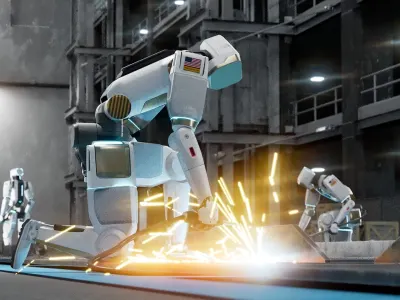
Persona AI Unveils Persona Humanoid for Shipyard Welding and Industrial Tasks
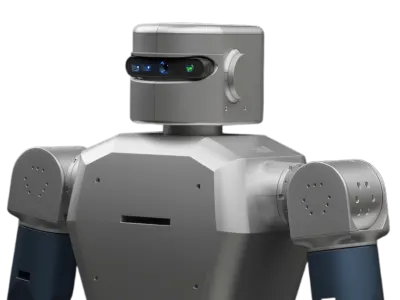
Rotaku’s Domo pushes teleoperation-first humanoid research into a smaller, cheaper platform
Related Comparisons
Compare Kengo with similar robots

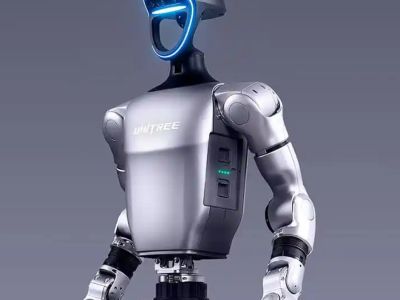
Optimus vs Unitree G1
Compare Optimus vs Unitree G1 for humanoid mobility, dexterity, autonomy, and payload capacity.
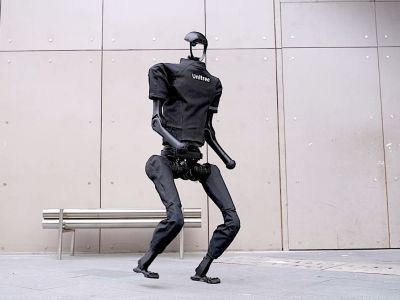
Unitree G1 vs Unitree H1
Head-to-head: Unitree G1 vs Unitree H1 compared on bipedal balance, AI learning, and real-world deployment.
Optimus vs Atlas (Electric Atlas, 2025)
In-depth comparison of Optimus and Atlas (Electric Atlas, 2025), covering hardware capabilities, teleoperation, and enterprise readiness.

Ameca vs Moya
Which humanoid robot is better? Ameca vs Moya compared for dexterity, AI capabilities, and price.
Learn More About This Robot
Discover detailed specifications, reviews, and comparisons for Kengo.
View Robot Details →