Zurich Startup Orbit Robotics Unveils Four-Armed HELIOS Humanoid for Space Station Maintenance
Robot Details
HELIOS • Orbit RoboticsPublished
July 8, 2026
Reading Time
3 min read
Author
Origin Of Bots Editorial Team
A New Space Tool
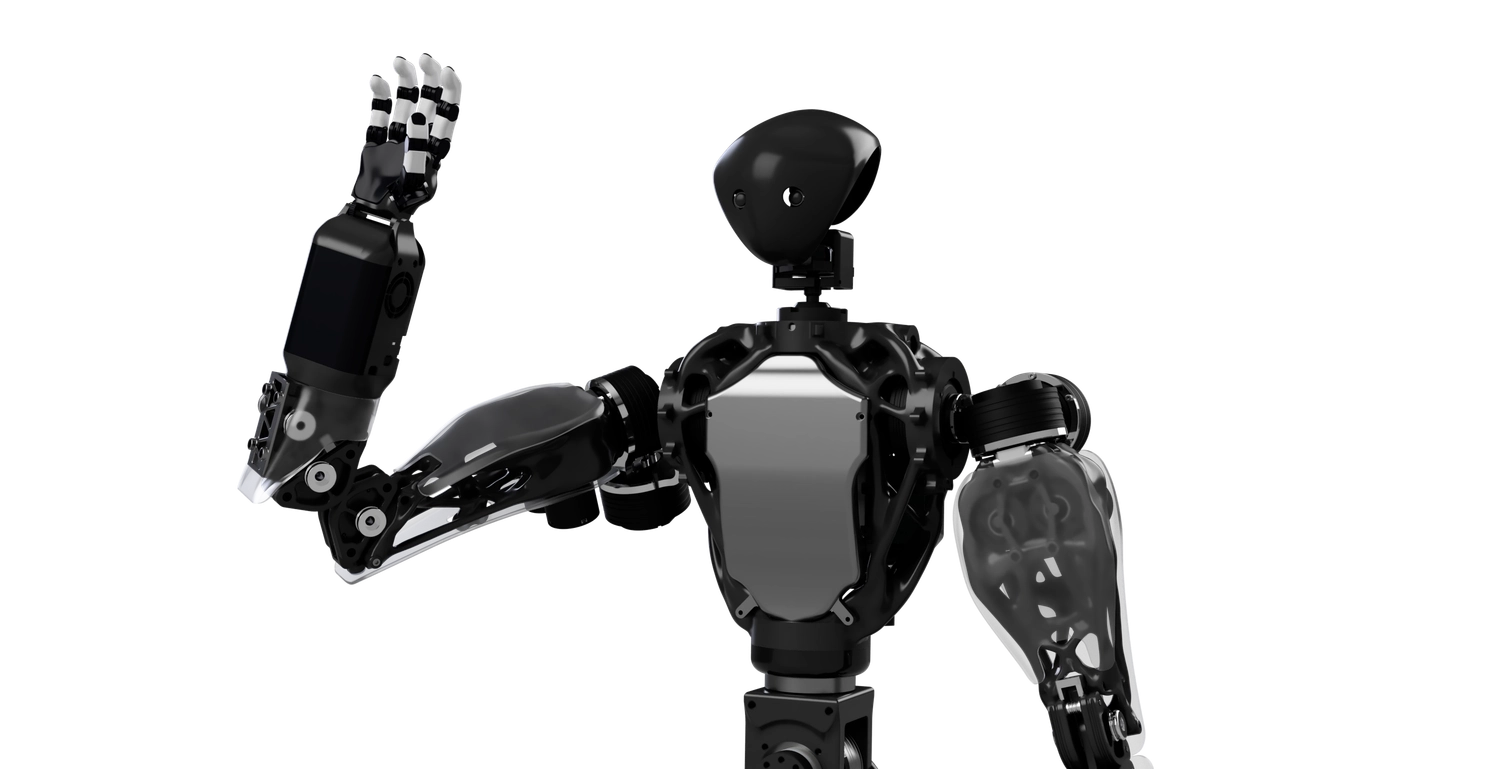
Space stations demand constant maintenance that steals valuable time from scientific research, prompting the need for specialized robotic assistants. Orbit Robotics, a Swiss startup based in Zurich, has unveiled HELIOS, a four-armed humanoid robot designed specifically to operate inside space stations and handle repetitive cargo and maintenance tasks. The robot was revealed in coverage published on May 21, 2026, with reports describing it as a space-focused machine built to move, stabilize, and work without relying on legs for navigation in microgravity.
Why HELIOS Stands Out
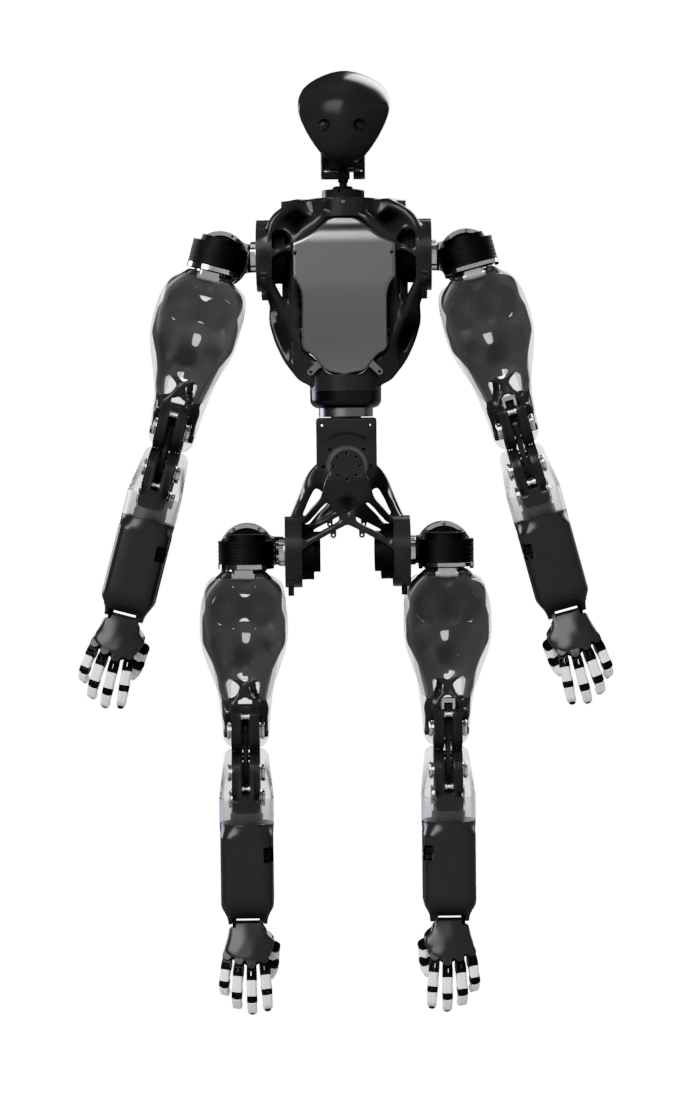
HELIOS addresses the core challenge of real-time full-body motion imitation and balance in microgravity by utilizing four arms to hold position and manipulate objects simultaneously. Its key differentiators include full-body coordination for advanced multi-tasking, natural interaction with human crew members, high-fidelity real-time imitation, and robust teleoperation capability via the IKARUS platform. This design shifts the industry focus from pre-programmed motion libraries to teleoperation-first humanoids that can adapt instantly to complex station interiors. HELIOS is less about hardware and more about redefining how humans control robots at scale in space environments.
How It Works
The technical system flow follows a clear path where human motion input is captured and sent to an AI model for processing, which then directs joint actuation and balance correction. Visual SLAM navigation allows the robot to map its surroundings dynamically, while the IKARUS teleoperation platform enables remote operators to guide the robot with precision. This input-to-processing-to-output architecture ensures the robot can stabilize itself against station walls and perform delicate tasks like satellite servicing without drifting away in zero gravity.
Station Maintenance Focus
A primary deployment scenario for HELIOS is space station maintenance, where it targets the 35% of crew time currently spent on repetitive upkeep tasks that cost approximately $140,000 per hour. The robot uses its four arms to navigate station interiors, hold position against walls, and handle tools or precision instruments without relying on legs for mobility. This capability allows astronauts to focus on science while HELIOS manages cargo handling and routine repairs in the microgravity environment.
Specs That Enable Space Tasks
The robot is designed with dimensions of 160 x 60 x 40 cm and a weight of 85 kg, making it compact enough for tight station corridors yet robust for heavy lifting. It operates at a speed of 2 km/h (0.56 m/s) and features a battery life of 4 to 5 years total usable life, ensuring long-term reliability for extended missions. Equipped with RGB cameras, stereo cameras, IMU, gyroscope, force sensors, and ultrasonic sensors, HELIOS can detect collisions and limit force to ensure safety during close interactions with crew members.
Rivals Edge Check
| Robot | Key Advantage | Where HELIOS Wins | Target Use |
|---|---|---|---|
| Titan 01 | Strong bipedal mobility on Earth | Four-armed stability in microgravity | Space station maintenance |
| Bolt | High-speed terrestrial navigation | Precision multi-tasking in zero gravity | Satellite servicing |
| CyberOne 2026 Version | Advanced AI interaction on Earth | Teleoperation capability for remote inspection | Cargo handling |
| Jupiter | Robust industrial payload handling | Compact design for tight station interiors | Space research operations |
Industry Direction Signal
This development signals a decisive shift in the humanoid industry toward teleoperation-first systems that prioritize human-assisted service over fully autonomous pre-programmed actions. Orbit Robotics, an academic spinout from ETH Zurich, chose a different approach by focusing on four arms rather than legs, highlighting that the future of space robotics requires specialized tools for specific environments. The market is moving away from trying to replicate human walking in space and toward leveraging human-like dexterity for tasks that astronauts cannot perform efficiently.
Explore Humanoids

Related Articles

Donut Robotics Unveils Cinnamon 1, the First Mass-Produced Gesture-Controlled Humanoid from a Japanese Brand
Turkey Unveils AKINCI-5, Its First Industrial Humanoid Robot Targeting Factories and Mines
ROKAE Launches Human.X Bipedal Humanoid Robot for Industrial Applications
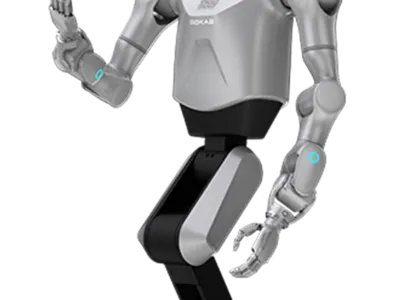
ROKAE Unveils Helios Wheeled Humanoid Robot for Real-World Industrial Automation
Related Comparisons
Compare HELIOS with similar robots

Optimus vs Unitree G1
Compare Optimus vs Unitree G1 for humanoid mobility, dexterity, autonomy, and payload capacity.
Unitree G1 vs Unitree H1
Head-to-head: Unitree G1 vs Unitree H1 compared on bipedal balance, AI learning, and real-world deployment.
Optimus vs Atlas (Electric Atlas, 2025)
In-depth comparison of Optimus and Atlas (Electric Atlas, 2025), covering hardware capabilities, teleoperation, and enterprise readiness.

Ameca vs Moya
Which humanoid robot is better? Ameca vs Moya compared for dexterity, AI capabilities, and price.
Learn More About This Robot
Discover detailed specifications, reviews, and comparisons for HELIOS.
View Robot Details →