Rotaku’s Domo pushes teleoperation-first humanoid research into a smaller, cheaper platform
Robot Details
Domo • ROTAKUPublished
August 4, 2026
Reading Time
3 min read
Author
Origin Of Bots Editorial Team
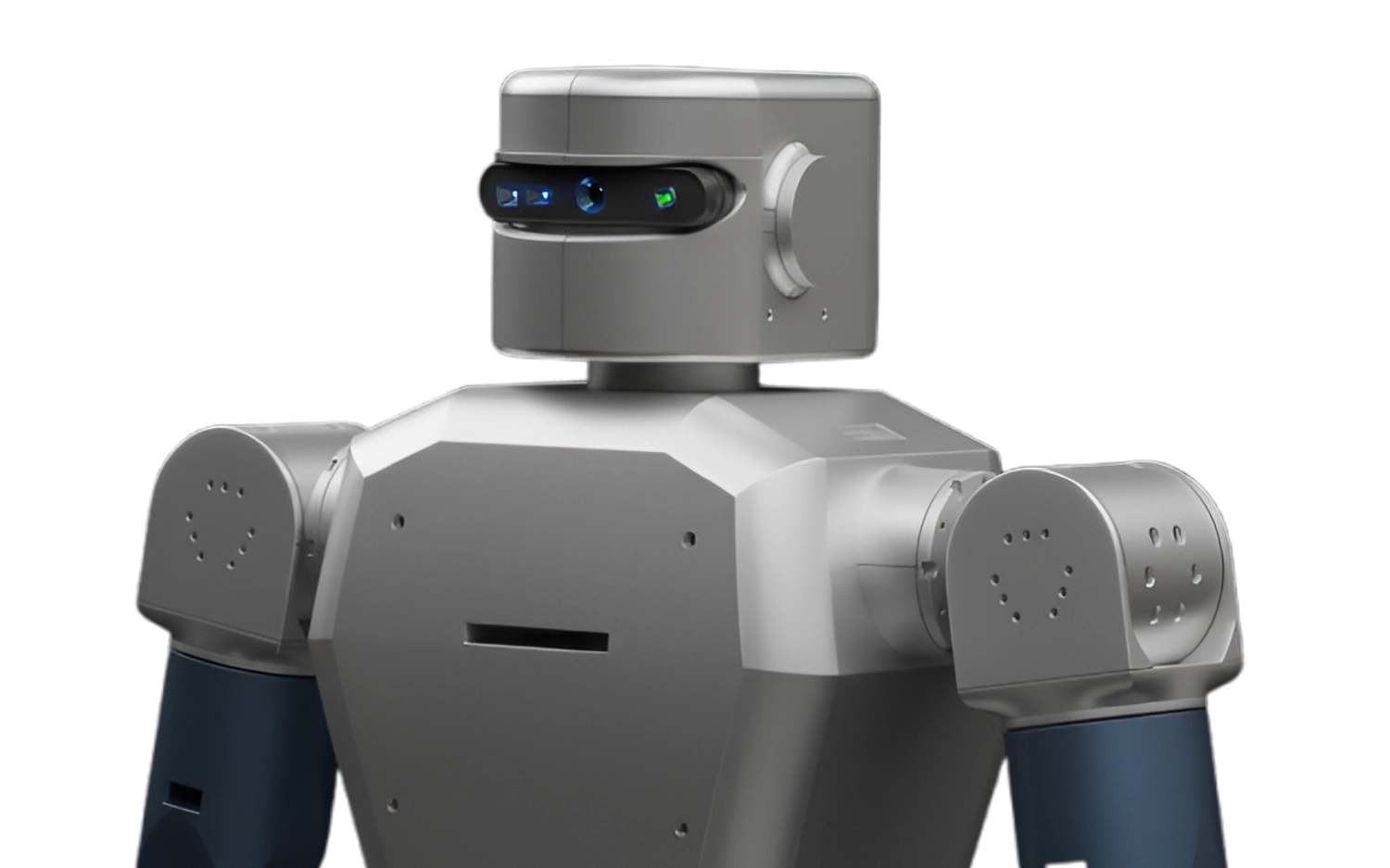
Compact humanoid push
Humanoid robots are increasingly being designed around a harder problem than simple walking: how to keep balance while imitating human motion and handling objects in real time. Rotaku’s Domo is the latest example, with the company unveiling a compact bipedal humanoid platform aimed at research, teleoperation, and embodied AI development.
Why Domo stands out
What makes Domo notable is not just its size, but the way the platform is framed for human-centered control workflows rather than pre-scripted motion. Rotaku positions it around full-body control, teleoperation, locomotion research, and manipulation work, with a software stack that includes ROS2, Python, C++, and APIs for developers. The category’s real differentiator is that Domo is built to capture motion fidelity, balance correction, and operator responsiveness in one system instead of treating them as separate problems. Domo is less about static demos and more about making human motion usable as robot input.
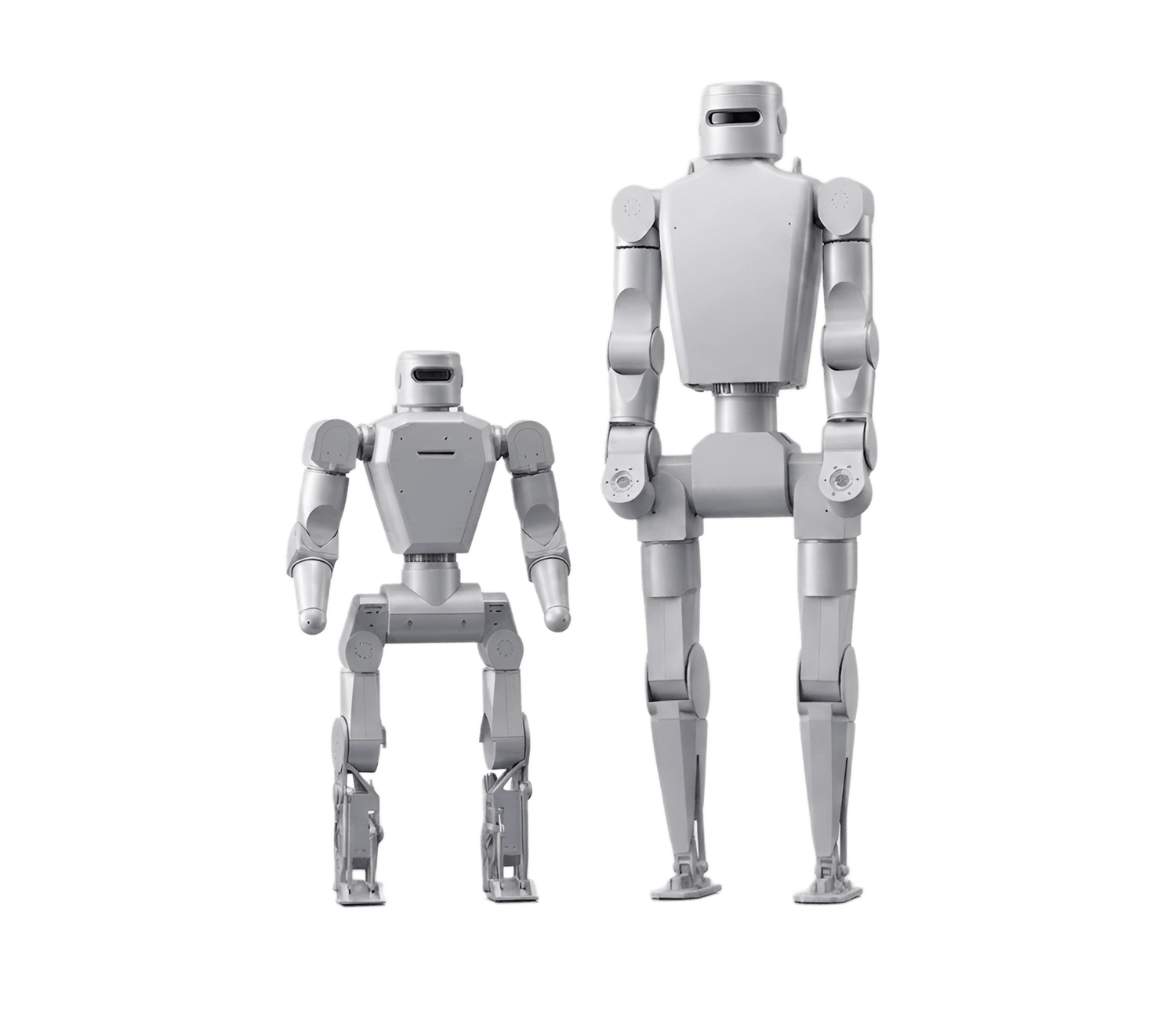
Motion to motion
The system flow is straightforward: human motion input goes into AI model processing, and the robot then converts that into joint actuation with balance correction. In practical terms, that means a teleoperation setup or learned policy can guide the robot’s body while onboard sensing helps it stay upright and react to disturbances. Rotaku’s stated sensor suite, including RGB and stereo cameras, optional LiDAR, IMU, gyroscope, force sensors, and ultrasonic sensors, supports that loop by feeding perception and stability data back into control.
A lab teleoperation tool
A realistic deployment scenario for Domo is remote inspection or assisted service inside human-centric spaces where a person can guide the robot from a distance. In that setting, the value is not full autonomy but the ability to send a humanoid body through tight, familiar environments while preserving human judgment for the hardest parts of the task. That fits the product’s stated focus on teleoperation and interaction-heavy work better than large-scale outdoor deployment.
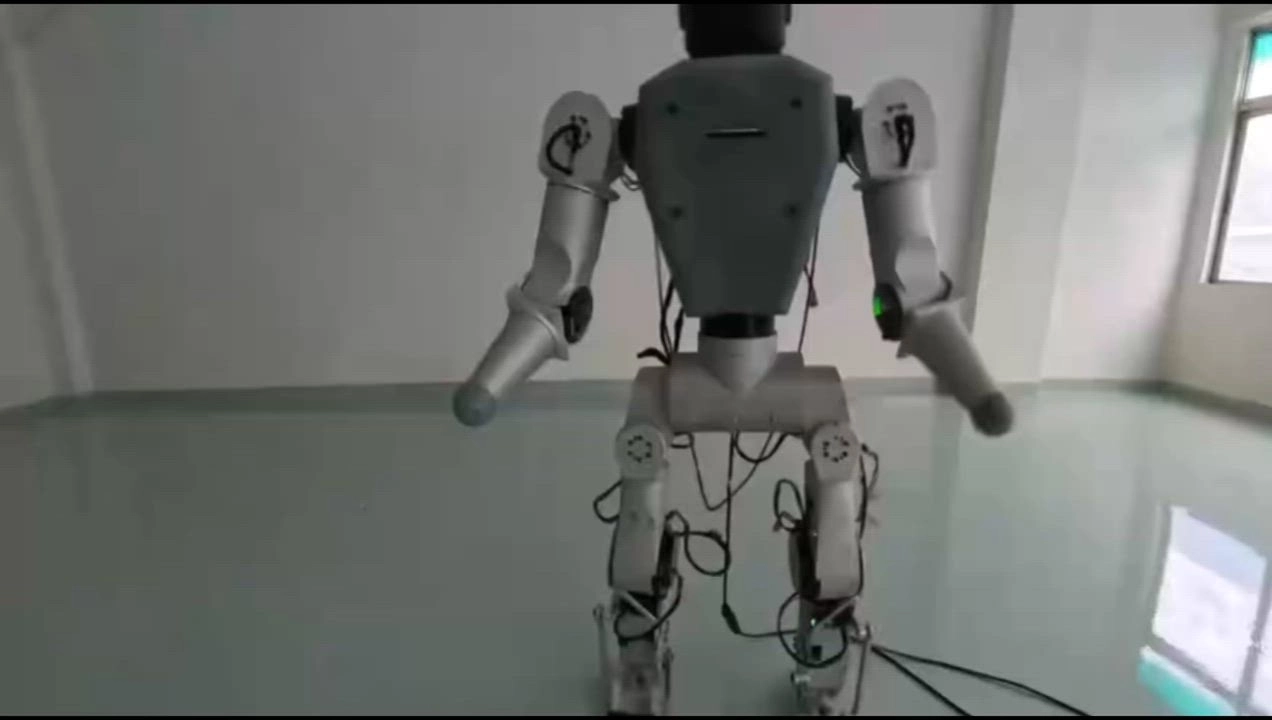
Specs that enable use
Rotaku says Domo measures 90 x 30 x 25 cm and weighs 20 kg, a compact form factor that makes the platform easier to place in labs and indoor environments. The robot is reported to move at 1.5 km/h / 0.42 m/s, which is enough for measured human-guided trials rather than fast traversal, and it is described as having a 3 to 5 year battery life, force limiting, collision detection, emergency stop, and collaborative mode. Its bipedal legged design, plus visual SLAM and LiDAR mapping, points to a system intended for controlled indoor locomotion and research use.
Rivals Edge Check
| Robot | Key Advantage | Where Domo Wins | Target Use |
|---|---|---|---|
| AI Sapiens K0 | Larger-body dynamics and broader embodied AI positioning | Smaller footprint and lower barrier for indoor teleoperation research | Research and operator-in-the-loop control |
| N2 (Athlete) | Athletic motion emphasis and motion-rich movement demos | More compact platform for lab workflows and manipulation studies | Locomotion and imitation learning |
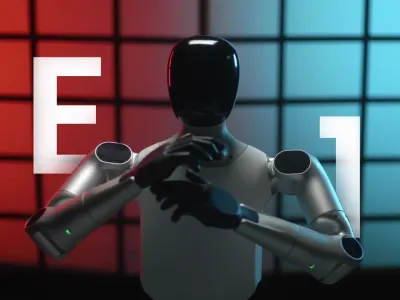
| E1 | General humanoid platform breadth | More explicit teleoperation and developer-facing tooling focus | Human-guided service tasks |
| Embodied Tien Kung 3.0 | Stronger emphasis on embodied intelligence at scale | Smaller size and easier indoor deployment | Full-body control and policy training |
Industry shift
Domo also points to a broader shift in humanoids away from fully scripted motion libraries and toward systems that learn from humans in real time. That matters because teleoperation-first platforms can generate training data, expose control failures earlier, and give labs a clearer path from demonstration to policy learning. If this category keeps moving in that direction, the winning robots will likely be the ones that make human guidance feel immediate, repeatable, and safe rather than merely impressive in a demo.
Explore Humanoids
Related Articles
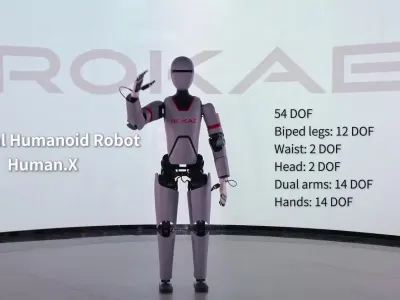
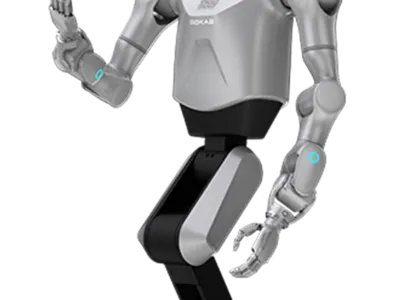
ROKAE Launches Human.X Bipedal Humanoid Robot for Industrial Applications
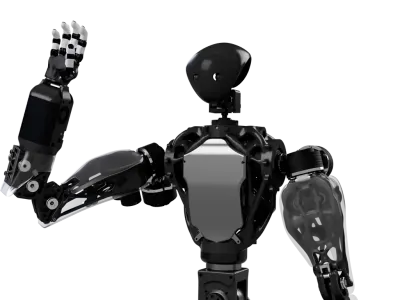
ROKAE Unveils Helios Wheeled Humanoid Robot for Real-World Industrial Automation
Zurich Startup Orbit Robotics Unveils Four-Armed HELIOS Humanoid for Space Station Maintenance
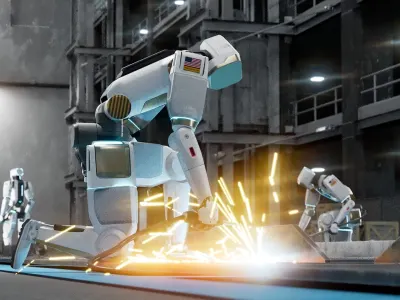
Persona AI Unveils Persona Humanoid for Shipyard Welding and Industrial Tasks
Related Comparisons
Compare Domo with similar robots

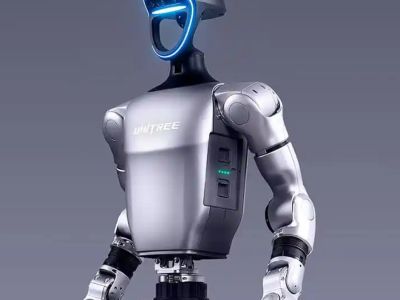
Optimus vs Unitree G1
Compare Optimus vs Unitree G1 for humanoid mobility, dexterity, autonomy, and payload capacity.
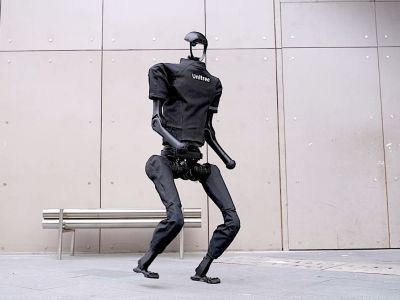
Unitree G1 vs Unitree H1
Head-to-head: Unitree G1 vs Unitree H1 compared on bipedal balance, AI learning, and real-world deployment.
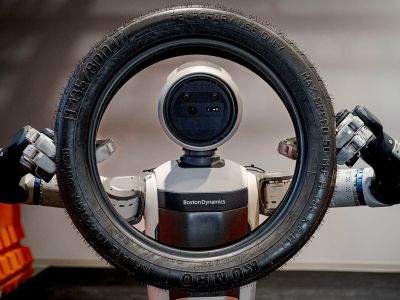
Optimus vs Atlas (Electric Atlas, 2025)
In-depth comparison of Optimus and Atlas (Electric Atlas, 2025), covering hardware capabilities, teleoperation, and enterprise readiness.
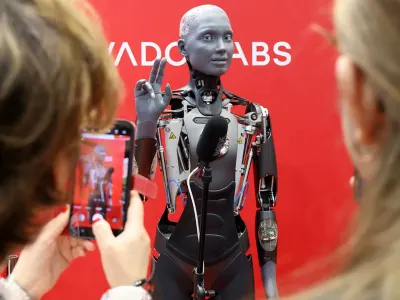

Ameca vs Moya
Which humanoid robot is better? Ameca vs Moya compared for dexterity, AI capabilities, and price.
Learn More About This Robot
Discover detailed specifications, reviews, and comparisons for Domo.
View Robot Details →