Flexiv’s MICO Plus pushes humanoid robotics toward teleoperation-first industrial work
Robot Details
MICO Plus • FLEXIVPublished
August 10, 2026
Reading Time
3 min read
Author
Origin Of Bots Editorial Team
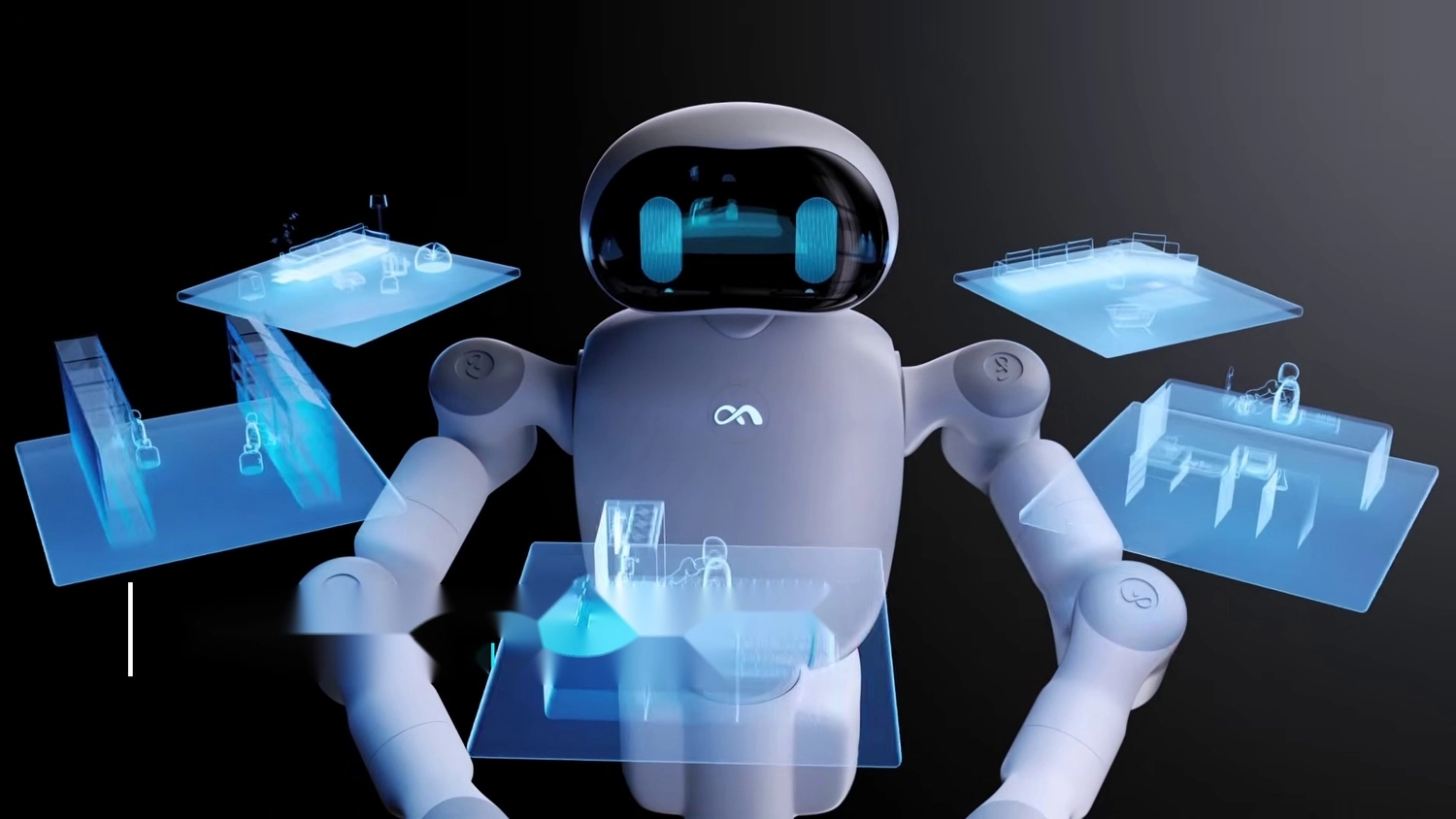
A compact humanoid platform
Humanoid robots are still being pushed hardest where balance, coordination, and dexterous manipulation matter more than raw autonomy, especially in factories and human-centric workspaces. Flexiv’s MICO Plus, a dual-arm humanoid platform built on the company’s Enlight architecture, was demonstrated as part of its MICO system push, with the Plus configuration presented as a scalable option for coordinated manipulation tasks.
Why this matters
What makes MICO Plus notable is not just that it can move objects, but that it is built around force-sensitive, dual-arm coordination with 14 degrees of freedom, sub-newton touch sensing, and a control stack designed for synchronized motion. That combination is more relevant to teleoperation and assisted service than to fully autonomous walking robots, because it prioritizes natural handover, careful contact, and repeatable manipulation over open-world mobility. Flexiv is also positioning the platform as modular, which matters in an industry where buyers want robots that can be configured for specific tasks instead of rewritten from scratch. MICO Plus is a bet on controllable dexterity, not theatrical humanoid motion.
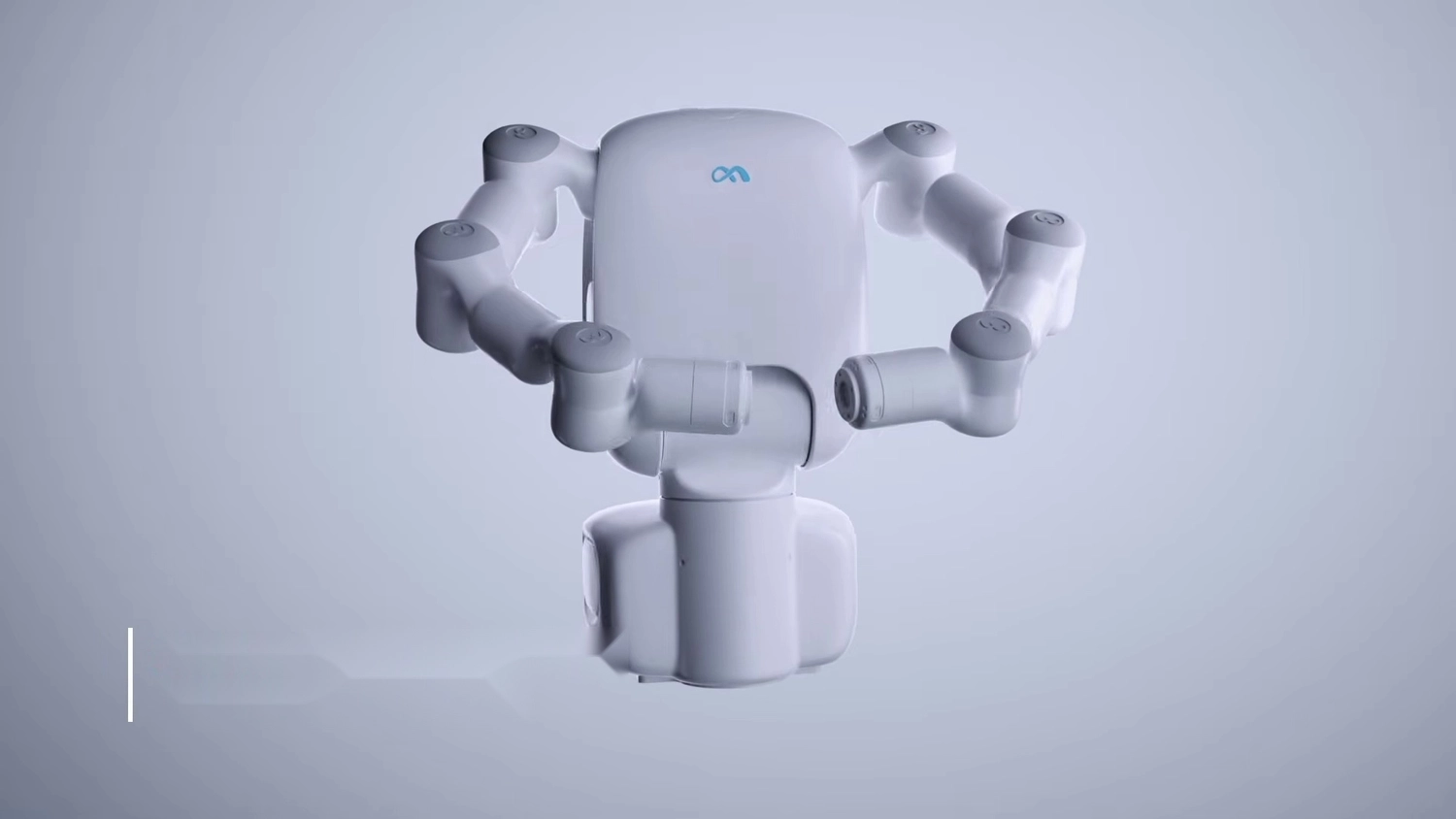
How it works
The system flow is straightforward: human motion input goes into the control system, AI-style processing coordinates the two arms, and the robot outputs joint actuation with balance and force correction to keep movements precise and stable. Flexiv’s materials describe a central control architecture for synchronized dual-arm planning and motion-and-force control across multiple sensors, which fits a humanoid use case centered on imitation and task execution rather than free-roaming behavior.
Assembly under pressure
A realistic deployment scenario for MICO Plus is precision assembly in a manufacturing cell, where an operator can guide the robot through delicate tasks involving thin components, packaged parts, or tools. In that setting, the value is not speed alone but the ability to feel resistance, correct contact in real time, and repeat movements with enough consistency to reduce damage during insertion, alignment, or handoff.
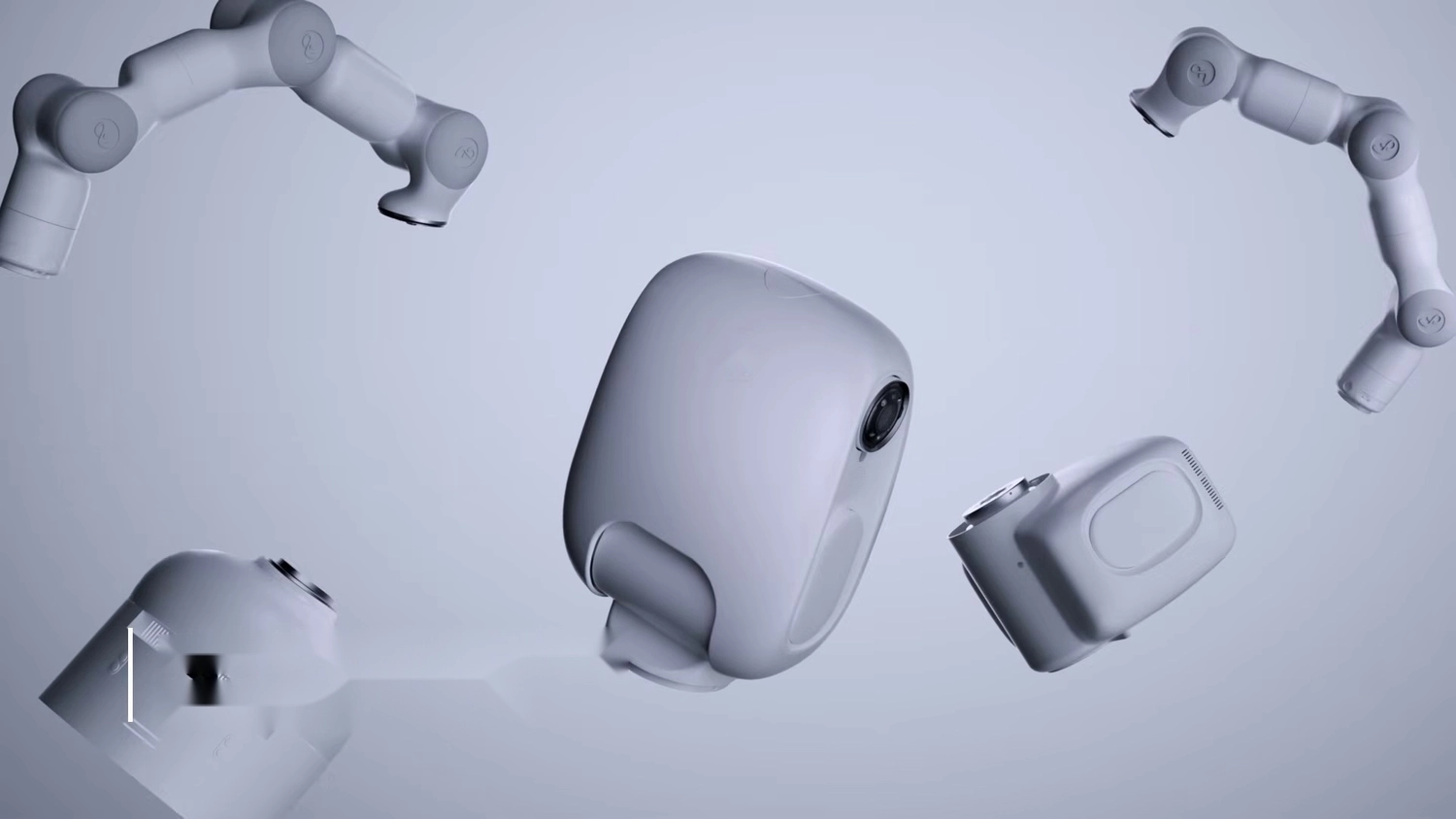
Specs as capability
Flexiv’s published MICO Plus specifications show a compact dual-arm system measuring 120 cm by 60 cm by 45 cm and weighing 65 kg, a footprint that supports deployment in tight indoor spaces. The platform is reported with RGB and stereo cameras, an IMU, a gyroscope, 0.1N force sensors, ultrasonic sensors, visual SLAM, and LiDAR mapping, which together suggest a design aimed at sensing contact, localizing itself, and handling tools, packages, or precision instruments in structured environments. Its ROS2 support, proprietary software stack, and Python and C++ APIs also indicate that it is meant to be integrated into existing robotics workflows rather than treated as a sealed appliance.
Rivals Edge Check
| Robot | Key Advantage | Where MICO Plus Wins | Target Use |
|---|---|---|---|
| Elf V1 Series | Broader humanoid framing and general motion emphasis | Stronger force-sensitive dual-arm manipulation and factory-ready tooling | Human-centric workspaces |
| Elf-Xuan 2.0 | Agility-focused humanoid movement | More mature control for precise contact and synchronized dual-arm tasks | Assisted manipulation |
| Melody (M-Series Robot) | Service-style humanoid presentation | Better fit for industrial teleoperation and precision handling | Remote operation |
| Kinsi 01 | Compact humanoid platform for interaction | More explicit tooling support and industrial integration | Inspection and assembly |
What the market signals
The broader signal is that humanoid robotics is moving toward teleoperation-first systems that can be inserted into real workflows before they can fully navigate the world on their own. That shift is especially important in factories and inspection environments, where human guidance, force feedback, and software integration can deliver usable value sooner than promises of fully autonomous humanoids. Flexiv’s approach suggests the category may be judged less by full-body spectacle and more by how convincingly a robot can extend human hands at scale.
Explore Humanoids



Related Articles
Eden Robotics unveils Eden-1 as a humanoid work robot for warehouses and factories
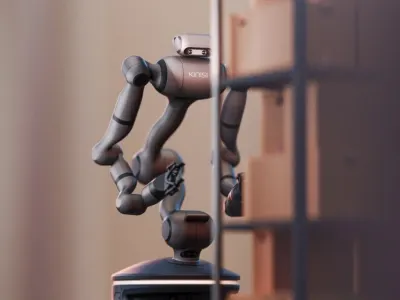
Kinisi Robotics’ Kinsi 01 pushes humanoids toward teleoperation-first warehouse work
Faraday Future’s FF Master enters the humanoid race with a compact teleoperation-first design
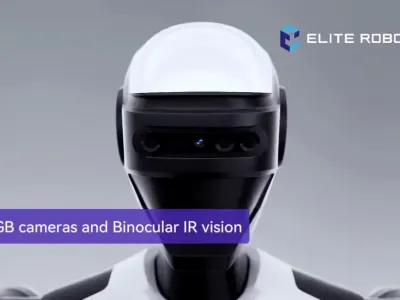
Elite Robots’ Centaur G1 brings wheeled humanoid teleoperation into precision industrial work
Related Comparisons
Compare MICO Plus with similar robots

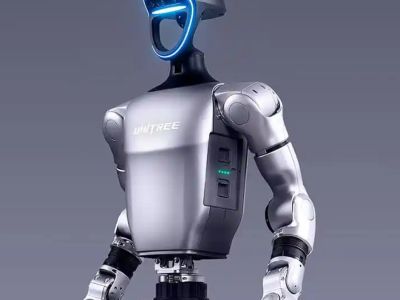
Optimus vs Unitree G1
Compare Optimus vs Unitree G1 for humanoid mobility, dexterity, autonomy, and payload capacity.
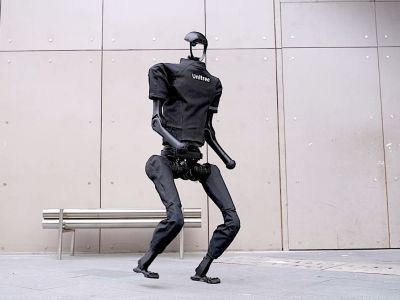
Unitree G1 vs Unitree H1
Head-to-head: Unitree G1 vs Unitree H1 compared on bipedal balance, AI learning, and real-world deployment.
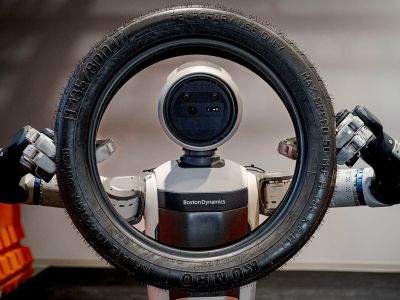
Optimus vs Atlas (Electric Atlas, 2025)
In-depth comparison of Optimus and Atlas (Electric Atlas, 2025), covering hardware capabilities, teleoperation, and enterprise readiness.
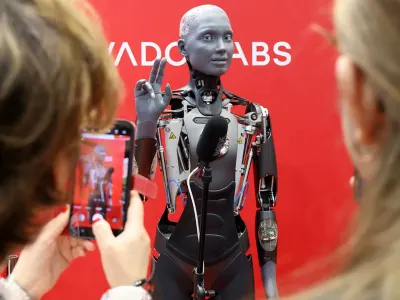

Ameca vs Moya
Which humanoid robot is better? Ameca vs Moya compared for dexterity, AI capabilities, and price.
Learn More About This Robot
Discover detailed specifications, reviews, and comparisons for MICO Plus.
View Robot Details →