Elite Robots’ Centaur G1 brings wheeled humanoid teleoperation into precision industrial work
Robot Details
Centaur G1 • Elite RobotsPublished
August 10, 2026
Reading Time
3 min read
Author
Origin Of Bots Editorial Team
A New Motion Form
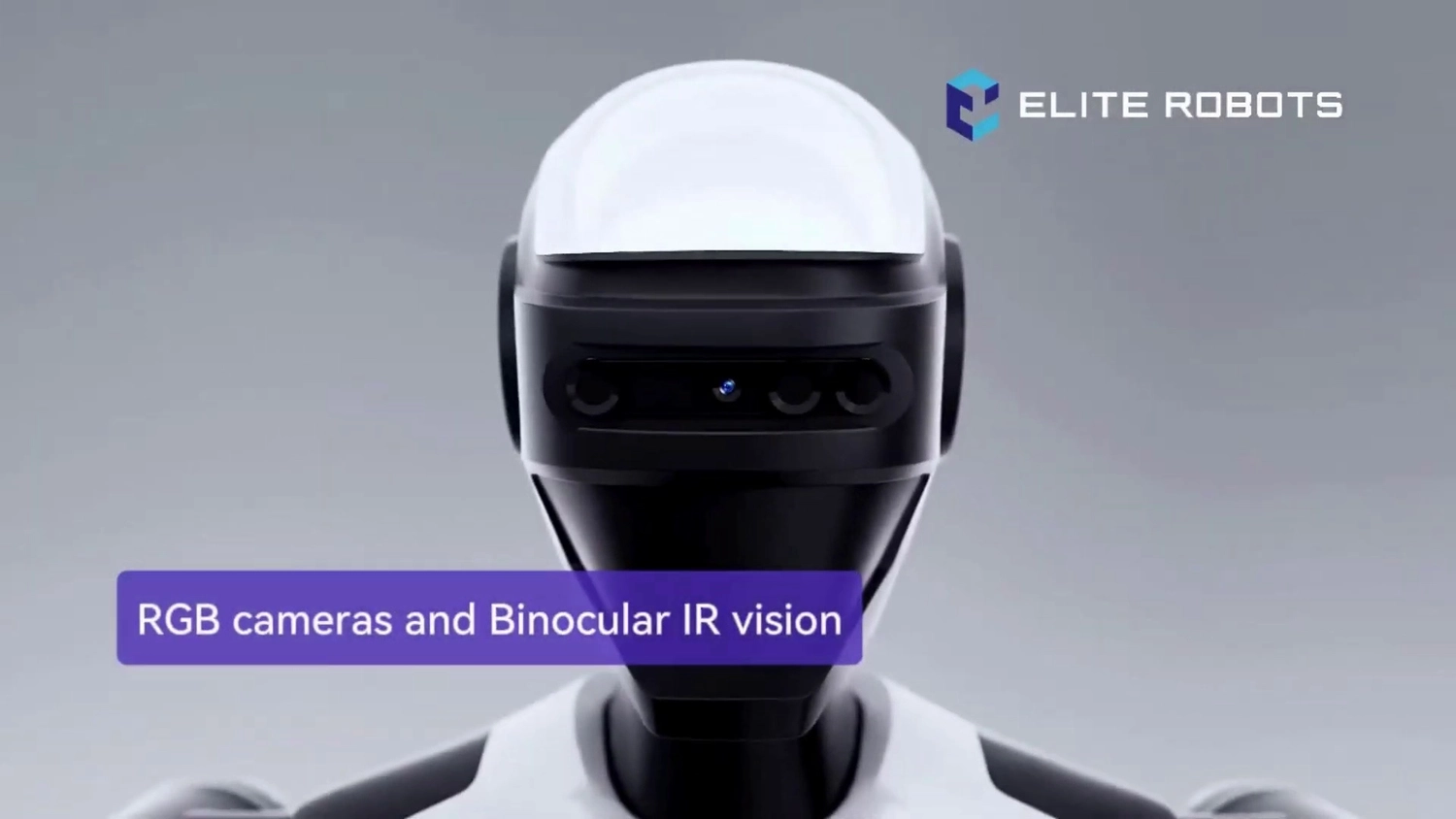
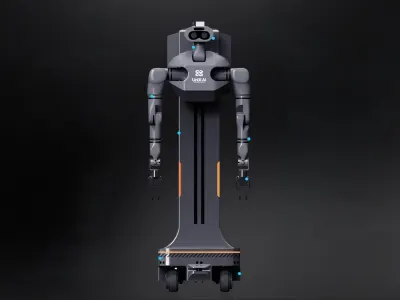
Elite Robots’ Centaur G1 is being positioned as a wheeled humanoid robot built to combine humanlike upper-body manipulation with mobile navigation, and its debut centers on precision work in industrial environments. The company has shown the system around optical module assembly, AI server maintenance, and laboratory sample handling, signaling a push toward teleoperation-first humanoids rather than pre-scripted motion alone.
Why It Stands Out
What makes Centaur G1 notable is not just that it moves on wheels, but that its body plan is tuned for full-body coordination: a mobile base for reach and positioning, dual 7-DoF arms for dexterous manipulation, and sensing meant to support close-range work. The category’s value lies in natural human-to-robot interaction, real-time imitation fidelity, and the ability to keep an operator in control while the robot handles balance correction and actuation. That matters in human-centric spaces where robots need to work near people, racks, benches, and tools without relying on outdoor-style locomotion. Centaur G1 is less about autonomous roaming than about making remote physical work feel locally precise.
Input To Output
In simple terms, the workflow is human motion input, AI model processing, and then joint actuation with balance correction. For a teleoperated humanoid, that means an operator’s actions are interpreted by the system software, translated into arm and base movement, and then stabilized so the robot can execute tasks while preserving accuracy. Elite Robots says the system is built around its Primo platform and ROS 2 support, which suggests it is intended to fit into both proprietary control and broader robotics software stacks.
Server Room Work
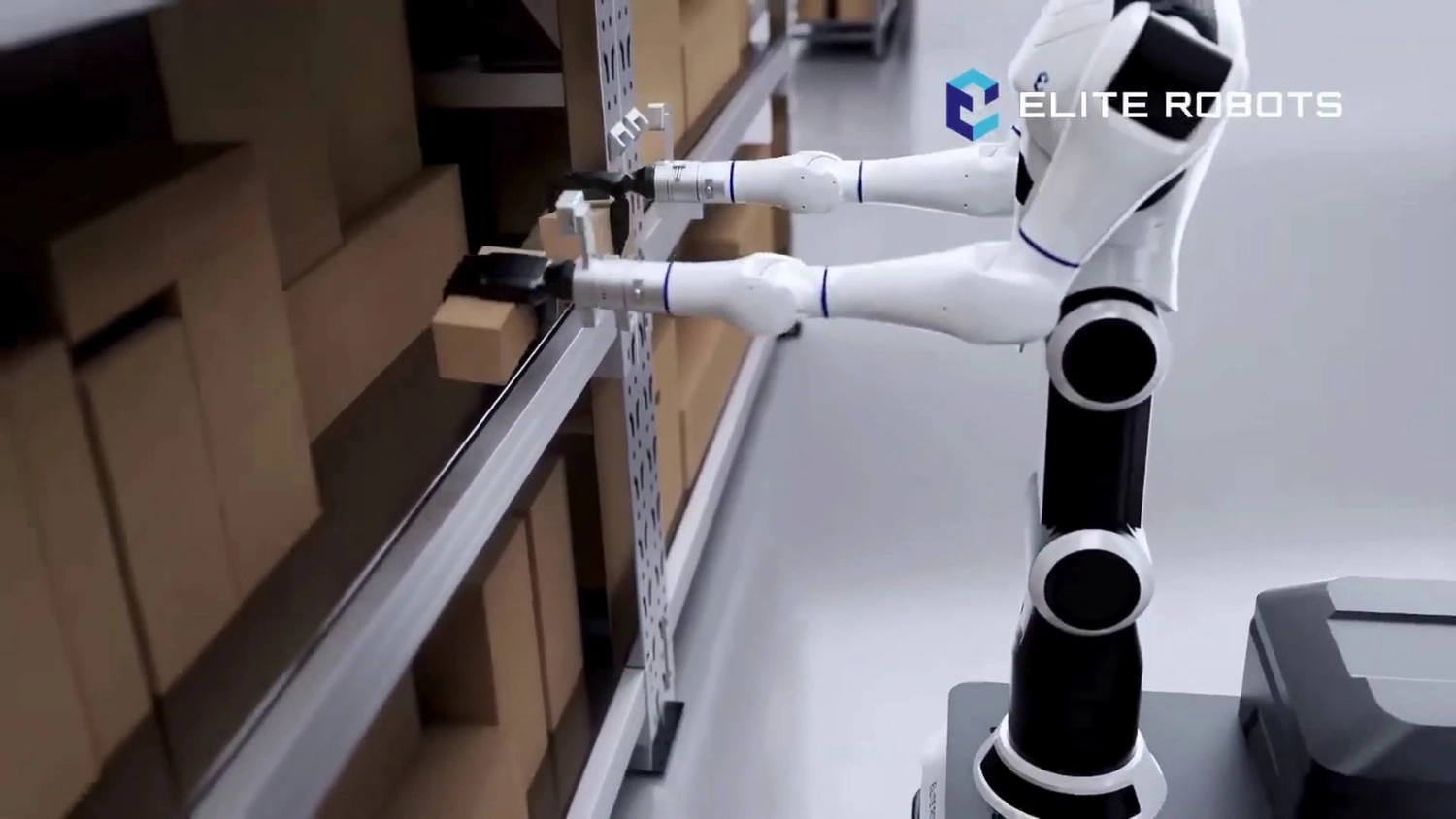
A concrete deployment scenario is AI server maintenance, where the robot’s mobility and manipulation can be used together inside narrow equipment aisles. In that setting, the wheeled base is meant to place the robot precisely in front of racks, while the arms handle tools, packages, and precision instruments without forcing a human to enter every confined space. That is a practical fit for teleoperation, because the operator can keep oversight while the robot performs repetitive or physically awkward checks at machine level.
Specs That Matter
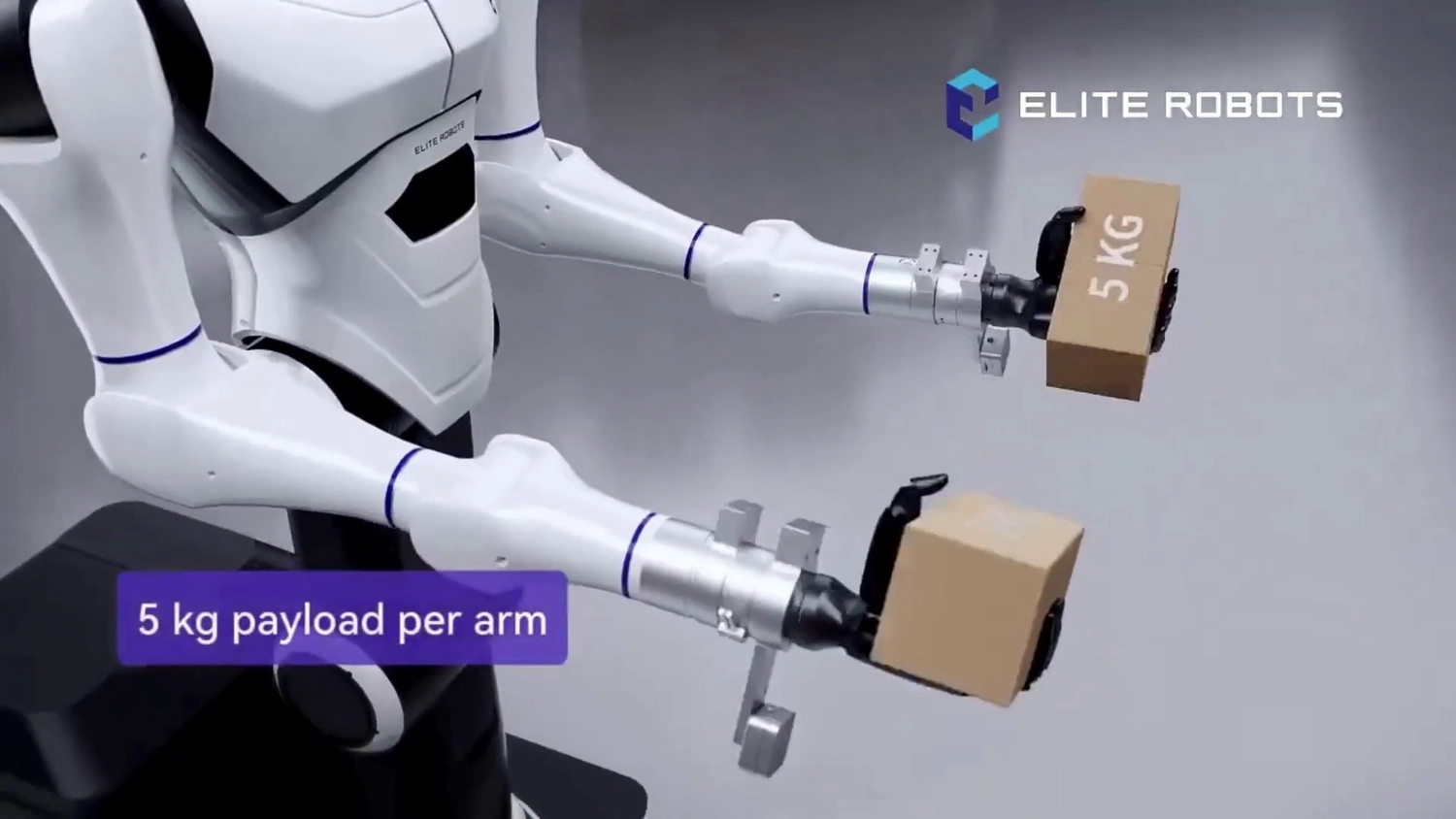
Centaur G1 is reported to measure 150 x 65 x 45 cm and weigh 85 kg, which points to a compact form factor for indoor work rather than large-area autonomy. Its wheeled mobility is paired with RGB cameras, stereo cameras, force sensors, an IMU, gyroscope, ultrasonic sensors, visual SLAM, and LiDAR mapping, a sensor mix designed to support both navigation and close-in manipulation. The listed payload types, tools, packages, and precision instruments fit the robot’s target role in controlled workspaces, while ROS 2 and Elite Robots’ Yuanqi Primo software indicate an attempt to bridge research-style integration and industrial deployment.
Rivals Edge Check
| Robot | Key Advantage | Where Centaur G1 Wins | Target Use |
|---|---|---|---|
| Kinsi 01 | Presumed humanoid mobility focus | More explicit precision manipulation and industrial task framing | Assisted industrial work |
| Universal Wheeled Humanoid Robot | Broad wheeled humanoid concept | Stronger emphasis on documented sensing and precision assembly use | General-purpose humanoid mobility |
| Panther | Likely higher-speed or agile mobility focus | Better fit for close-range tool handling and controlled indoor precision | Mobile manipulation |
| David | Likely service-oriented humanoid profile | More clearly tied to industrial maintenance and sample handling | Human-centric service tasks |
Teleoperation First
The broader industry signal is that humanoids are increasingly being judged by how well they extend human labor, not by how independently they can wander. Centaur G1 fits that shift by emphasizing precision tasks in structured indoor environments, where operator-in-the-loop control can be more commercially realistic than full autonomy. If that pattern continues, the next competitive frontier will be less about dramatic walking demos and more about who can make remote work feel dependable at industrial speed.
Explore Humanoids
Related Articles
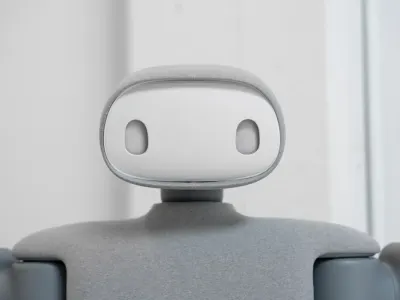
Weave Robotics launches Isaac 1, a wheeled humanoid designed for home manipulation and remote operation
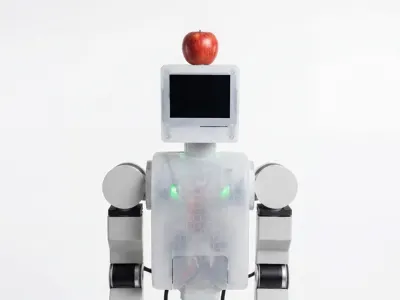
Eden Robotics unveils Eden-1 as a humanoid work robot for warehouses and factories
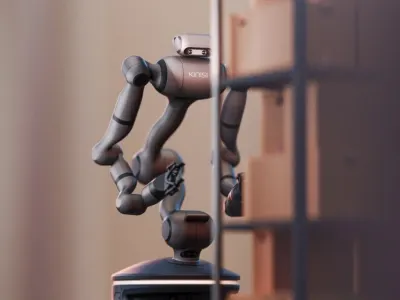
Kinisi Robotics’ Kinsi 01 pushes humanoids toward teleoperation-first warehouse work

Faraday Future’s FF Master enters the humanoid race with a compact teleoperation-first design
Related Comparisons
Compare Centaur G1 with similar robots

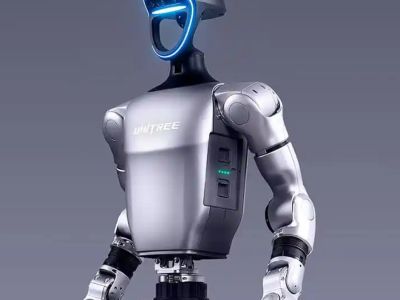
Optimus vs Unitree G1
Compare Optimus vs Unitree G1 for humanoid mobility, dexterity, autonomy, and payload capacity.
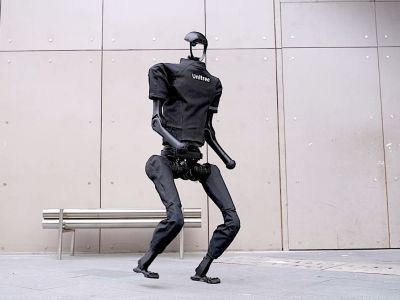
Unitree G1 vs Unitree H1
Head-to-head: Unitree G1 vs Unitree H1 compared on bipedal balance, AI learning, and real-world deployment.
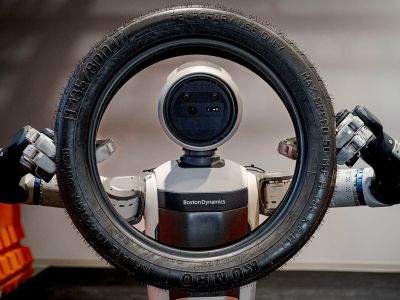
Optimus vs Atlas (Electric Atlas, 2025)
In-depth comparison of Optimus and Atlas (Electric Atlas, 2025), covering hardware capabilities, teleoperation, and enterprise readiness.

Ameca vs Moya
Which humanoid robot is better? Ameca vs Moya compared for dexterity, AI capabilities, and price.
Learn More About This Robot
Discover detailed specifications, reviews, and comparisons for Centaur G1.
View Robot Details →