UBTECH’s UWORLD U1 Pro arrives as a full-size humanoid built for teleoperation and human-centered service
Robot Details
UWORLD U1 Pro • UBTECH RoboticsPublished
August 10, 2026
Reading Time
3 min read
Author
Origin Of Bots Editorial Team
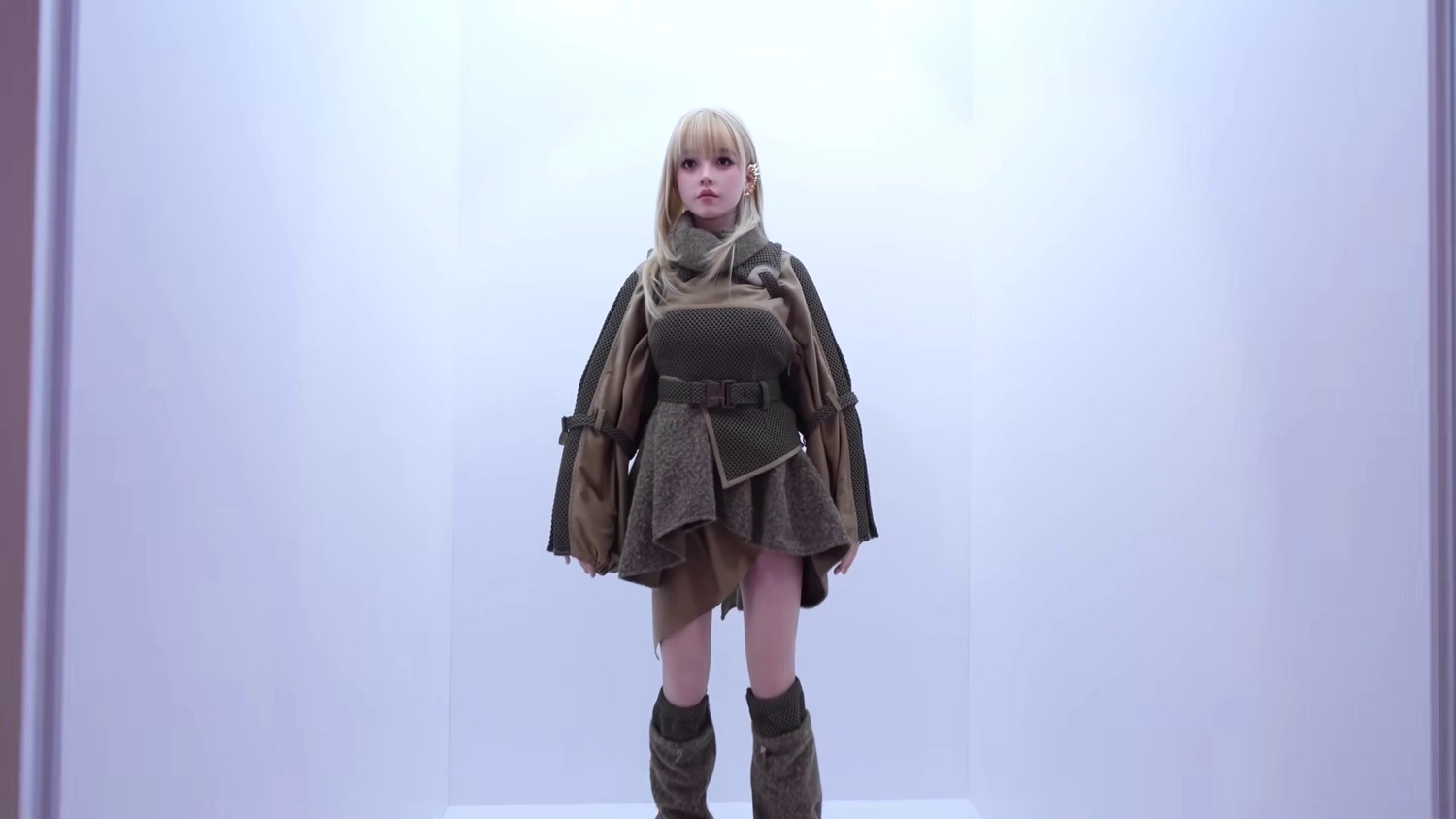
A New Humanoid Push
Humanoid robots are increasingly being pushed toward tasks that require balance, full-body coordination, and natural interaction in spaces built for people. UBTECH Robotics has unveiled and positioned the UWORLD U1 Pro as a full-size humanoid for human-centric environments, with the launch emphasizing a lifelike form factor and a service-oriented role.
Why It Stands Out
The U1 Pro’s main differentiator is not raw autonomy but the combination of full-body motion, teleoperation-ready interaction, and a humanoid shape meant to feel socially legible in reception, care, and guided-service settings. Its reported design also centers on real-time imitation fidelity, collaborative safety features, and a software stack built around ROS2 with Python and C++ access, which matters for developers trying to choreograph complex motions rather than simple wheeled navigation. That combination positions the robot as a test case for a broader industry shift: humanoids that are easier to operate than they are to fully automate. U1 Pro’s value lies in controlled human-like motion, not in pretending to be independent.
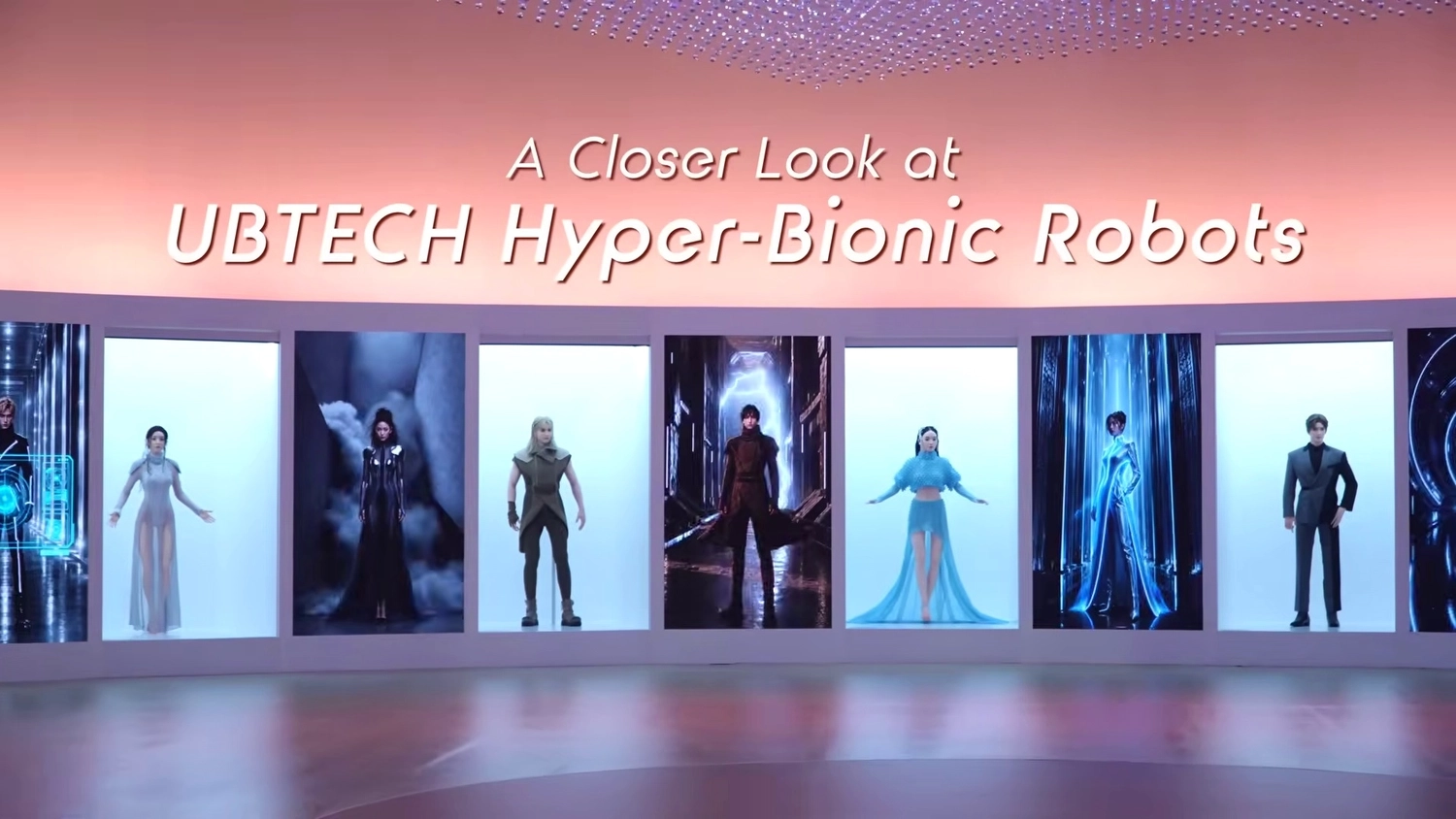
Motion To Action
The technical flow is straightforward for a humanoid: human motion input, AI model processing, then joint actuation with balance correction. In practical terms, the U1 Pro’s visual and inertial sensors feed its motion and navigation stack, the onboard software interprets what the robot should do next, and the legged body then executes the movement while correcting posture and stability in real time.
Reception At Scale
One realistic deployment scenario is reception support in a corporate lobby or exhibition hall, where the robot’s job is to greet visitors, guide them, and handle structured human interaction rather than unscripted labor. In that setting, the appeal of a humanoid is not speed or strength but the ability to stand at human eye level, use body language, and maintain a stable presence while responding to people in a space designed for walking humans.
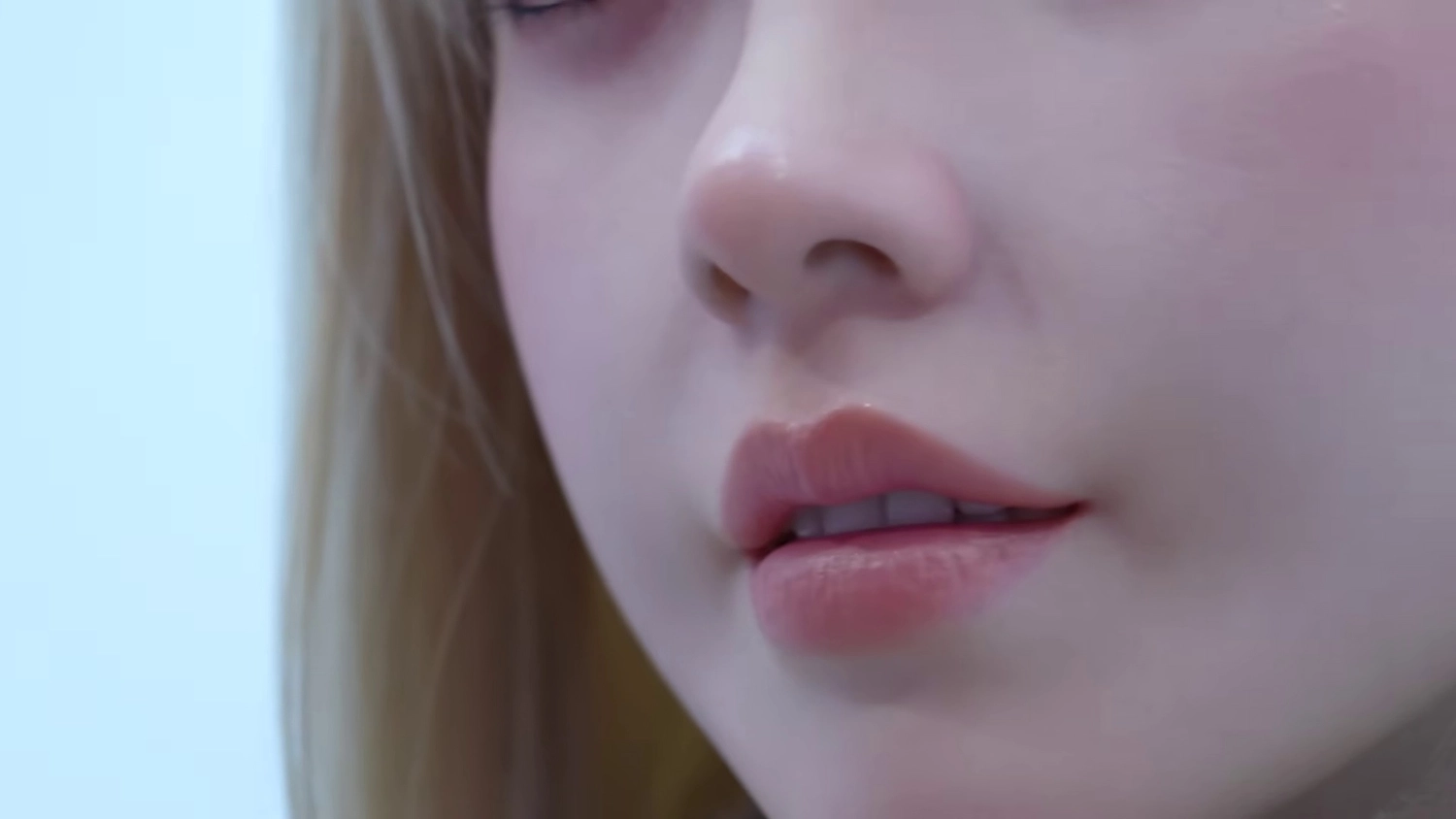
What The Specs Enable
The reported male and female sizes, 183 x 48 x 32 cm and 168 x 45 x 30 cm, and weights of 42 kg and 35.2 kg, frame the U1 Pro as a full-scale platform that can physically occupy human environments without being oversized. Its dual RGB eye cameras, stereo vision, IMU, gyroscope, force sensors, ultrasonic sensors, and temperature sensors support perception and body awareness, while visual SLAM with RGB-D mapping and a ROS2-based proprietary OS point to a robot meant to move through indoor spaces with developer-accessible control. Other listed capabilities, including a claimed 3 to 5 year battery life, safety systems such as force limiting and collision detection, and payloads aimed at packages, precision instruments, and educational materials, suggest a platform intended for structured service tasks rather than heavy-duty fieldwork. The stated bipedal mobility reinforces that this is a humanoid built around human-like movement, not wheeled shortcuts or industrial fixed-base manipulation.
Rivals Edge Check
| Robot | Key Advantage | Where UWORLD U1 Pro Wins | Target Use |
|---|---|---|---|
| KaiBot | Likely lower-complexity service or learning focus | Full-size humanoid form and richer human interaction presence | Educational or service-facing interaction |
| Eggie | Compact, approachable companion-style design | More natural full-body coordination and human-scale staging | Companion and reception settings |
| Unitree H2 Plus | Stronger emphasis on dynamic locomotion | More service-oriented interaction and teleoperation-friendly use in people-centric spaces | General-purpose humanoid mobility |
| Embodied Tien Kung 2.0 Plus | More advanced physical dynamism | Stronger emphasis on socially legible service roles and developer-oriented control | Human-centered service and guided interaction |
Industry Direction Shift
The broader signal is that humanoid commercialization is moving from spectacle toward operational usefulness, especially in roles where people want a robot that looks and moves credibly in front of them. That favors systems with safe human proximity, quick response loops, and software tools that let operators and developers shape behavior without rebuilding the robot from scratch.
Explore Humanoids
Related Articles
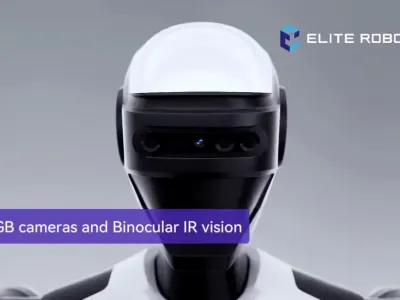
Elite Robots’ Centaur G1 brings wheeled humanoid teleoperation into precision industrial work
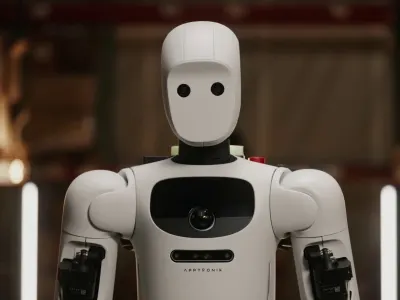
Apptronik’s Apollo 2 targets teleoperation-first humanoid work as industrial pilots expand
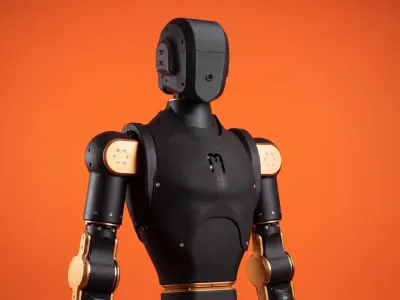
Menlo Research’s Asimov v1 pushes humanoid teleoperation into open-source territory
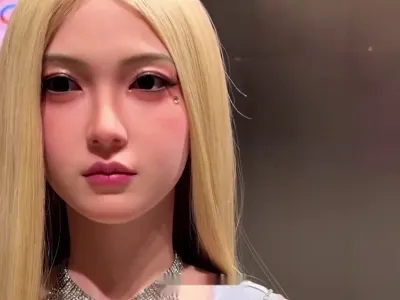
UBTECH’s UWORLD U1 Lite puts humanoid interaction on a fixed base, not a walking frame
Related Comparisons
Compare UWORLD U1 Pro with similar robots
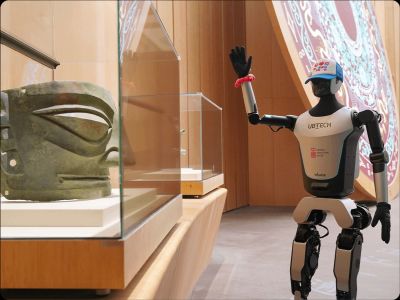
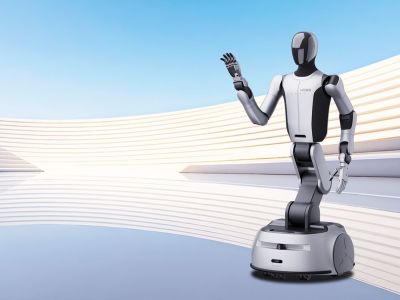
Walker C vs Cruzr S2
In-depth comparison of Walker C and Cruzr S2, covering hardware capabilities, teleoperation, and enterprise readiness.
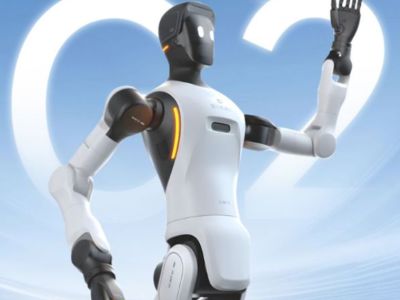
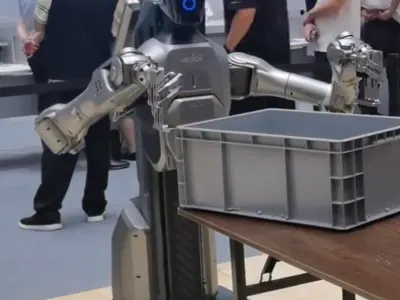
AgiBot G2 vs Cruzr Y1
Compare AgiBot G2 vs Cruzr Y1 for humanoid mobility, dexterity, autonomy, and payload capacity.
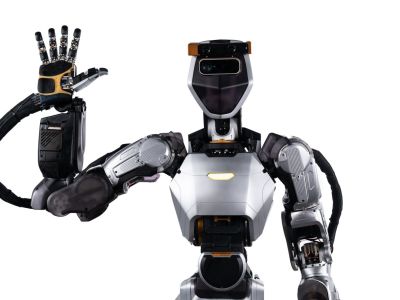
Phoenix vs Walker Tienkung
Compare Phoenix and Walker Tienkung. Detailed analysis of navigation, sensors, and speed.
Walker S1 vs Kaleido 8.0
Compare Walker S1 and Kaleido 8.0. Detailed analysis of navigation, battery, sensors, and mobility.
Learn More About This Robot
Discover detailed specifications, reviews, and comparisons for UWORLD U1 Pro.
View Robot Details →