
KaiBot
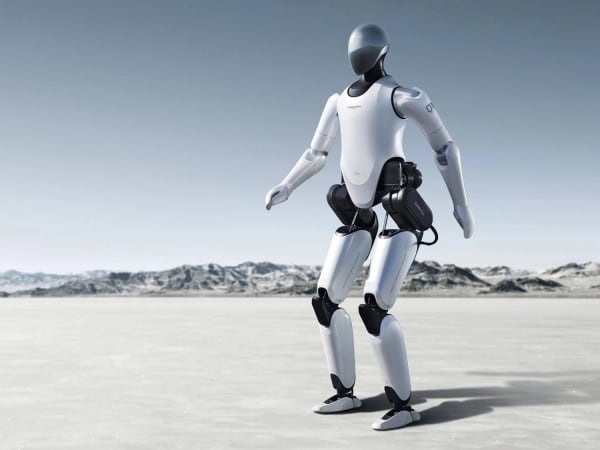
KaiBot by Kinetix AI is a full-size humanoid robot standing 173 cm tall, engineered for household services, light industrial tasks, and research with human-like dexterity and safety. Featuring 115 degrees of freedom—including 36 per hand (22 active, 14 compliant)—it excels in fine grasping, pinching, and compliant interactions mimicking human motion ranges like shoulder lift (-20° to 0°), torso flexion (-15° to 75°), and neck rotation (-15° to 50°). Covered in full-body tactile skin with 18,000 sensing points detecting 0.1N forces, it enables haptic-aware manipulation for safe close-range collaboration. Powered by a 1.7 kWh semi-solid-state battery, it supports 3-4 hours of dual-arm operation at up to 20 kg payload, reaching 5 km/h speeds. The KAI World Model with base-action-evaluation layers predicts environments via simulation-first training, integrating LLMs for intelligent, low-latency responses in dynamic settings.
Quick Overview & Key Facts
KaiBot is a humanoid system developed by Kinetix AI in China and launched in 2026. Starting price is estimated at $40,000. It is currently ranked #28 in most-viewed humanoid robots on Origin of Bots. It supports Packages, precision instruments, people interaction. Operating battery runtime is rated at 4 hours. Primary applications include Home assistance, dexterous manipulation, human-robot collaboration in labs/light manufacturing. Featured in editorial articles including “Top 7 Latest Humanoid Robots Launched in 2026”, “Top 10 Humanoid Robot Launches of 2026 So Far”.
What Can KaiBot Do?
Core operational tasks and activities demonstrated or performed by KaiBot.
Real-World Applications of KaiBot
Industries, working environments, and deployment suitability for KaiBot.
KaiBot Capabilities
Inherent physical, perceptual, and cognitive abilities built into KaiBot.
Download Media Cards
Story CardExport high-resolution story cards summarizing KaiBot's operational tasks, real-world applications, and capabilities.
Image Gallery
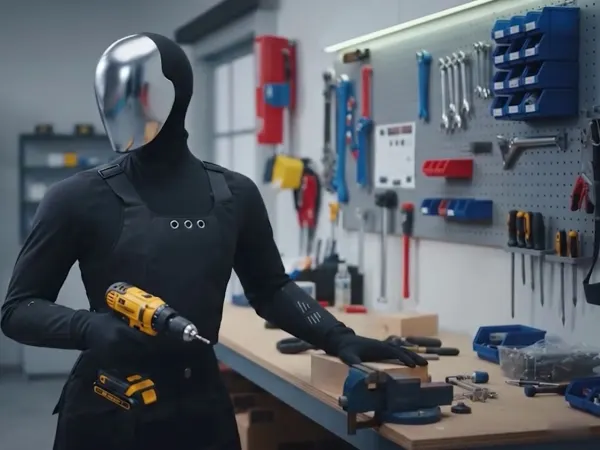
Below images are from Kinetix AI's official sources







Review Videos
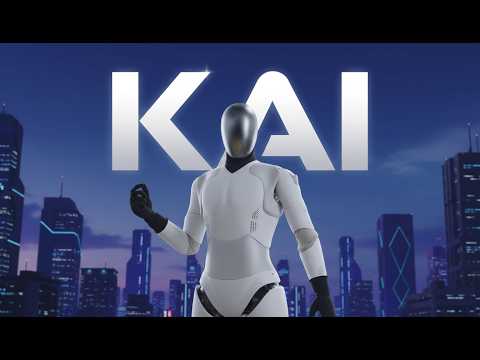
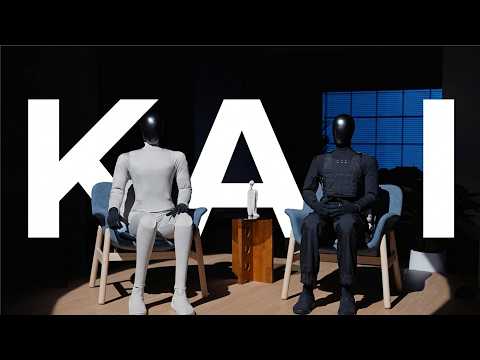
Watch expert reviews and demonstrations of this robot


Robot Specifications
Latest News About KaiBot
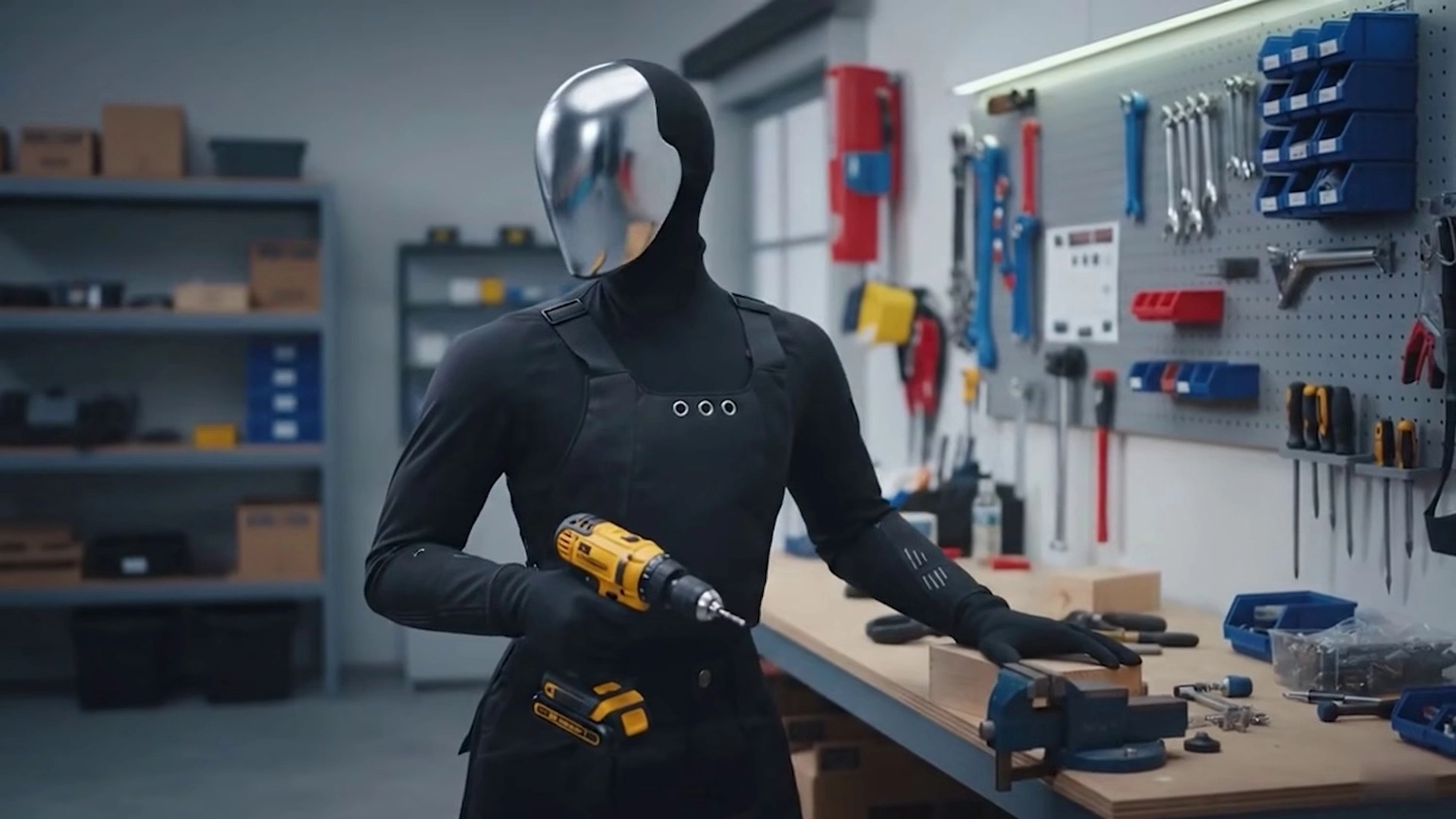
Stay updated with the latest articles and developments
KaiBot Also Mentioned in Below Articles
Find out how this model stacks up against the world's best robots
More Humanoid Robots
Discover more robots in the same category

Robots From Other Categories
Discover complementary robots from different categories that work well together

Frequently Asked Questions
Get answers to common questions about this robot
Q1. What is KAI, and what problem is it designed to solve?
KAI is a full-sized humanoid robot developed by Kinetix AI, a Shenzhen-based startup, designed to perform service and assistance tasks in household, retail, and light industrial environments. The platform addresses manipulation and force-aware interaction challenges in robotics.
Q2. What are the main capabilities and key features of KAI?
KAI features 115 degrees of freedom, dexterous hands with 36 degrees of freedom per unit combining active and passive joints, and a full-body tactile skin system with 18,000 sensors capable of detecting forces as low as 0.1 Newtons. The robot integrates large language models and operates on electric servo motors.
Q3. Who is KAI built for, and which industries can benefit from it?
According to the manufacturer, KAI targets household services, light industrial applications, and research environments. The platform is positioned for retail, concierge, and home-assistance tasks rather than heavy industrial work.
Q4. Is KAI a commercial product or still a research prototype?
As of May 2026, KAI remains in prototype status. Kinetix AI has announced plans for mass production in late 2026 and targets a sub-$40,000 price point for commercial availability.
Q5. Is KAI currently available for purchase, and when is it expected to ship?
KAI is not currently available for purchase. The company announced plans to begin mass production in late 2026, with commercial availability expected to follow that timeline.
Q6. How does KAI work in real-world environments?
KAI uses a three-module world model system—Base, Action, and Evaluation—that verifies movement safety before execution. The robot learns from human demonstrations captured via the KAI Halo, a head-mounted device that records first-person video, body movement, and spatial data during real-world tasks.
Q7. When was KAI announced or officially launched?
Kinetix AI unveiled KAI on April 26, 2026, at its GIFTED press conference in Shenzhen. The announcement introduced the platform's technical specifications and intended market applications.
Q8. How is KAI different from other robots in the same category?
KAI emphasizes dexterous manipulation and tactile sensing, with 72 degrees of freedom concentrated in its hands and 18,000 tactile sensors throughout its body. The passive joint design in its hands provides mechanical damping for safe handling of fragile objects without computational correction.
Q9. Does KAI require additional development or customization after purchase?
The sources do not specify post-purchase customization requirements. KAI integrates large language models and supports Ethernet and Wi-Fi connectivity, suggesting potential for task-specific configuration by end users.
Q10. What is the future roadmap or planned upgrades for KAI?
Kinetix AI has announced plans for mass production in late 2026 and targets initial commercial deployment in service and household environments. The company has not publicly detailed specific feature upgrades or roadmap milestones beyond production scaling.
Rating and Reviews
Share your experience and help others decide!
Loading...
User Reviews
No user reviews. Be the first one to review!
User Comments (No Login needed)
Share your thoughts, experiences, or questions about this robot.
Comments are reviewed before posting.