Booster Robotics K1 targets teleoperation-first humanoids with compact 95 cm body and 22-DoF platform
Robot Details
K1 Humanoid • Booster RoboticsPublished
August 10, 2026
Reading Time
3 min read
Author
Origin Of Bots Editorial Team
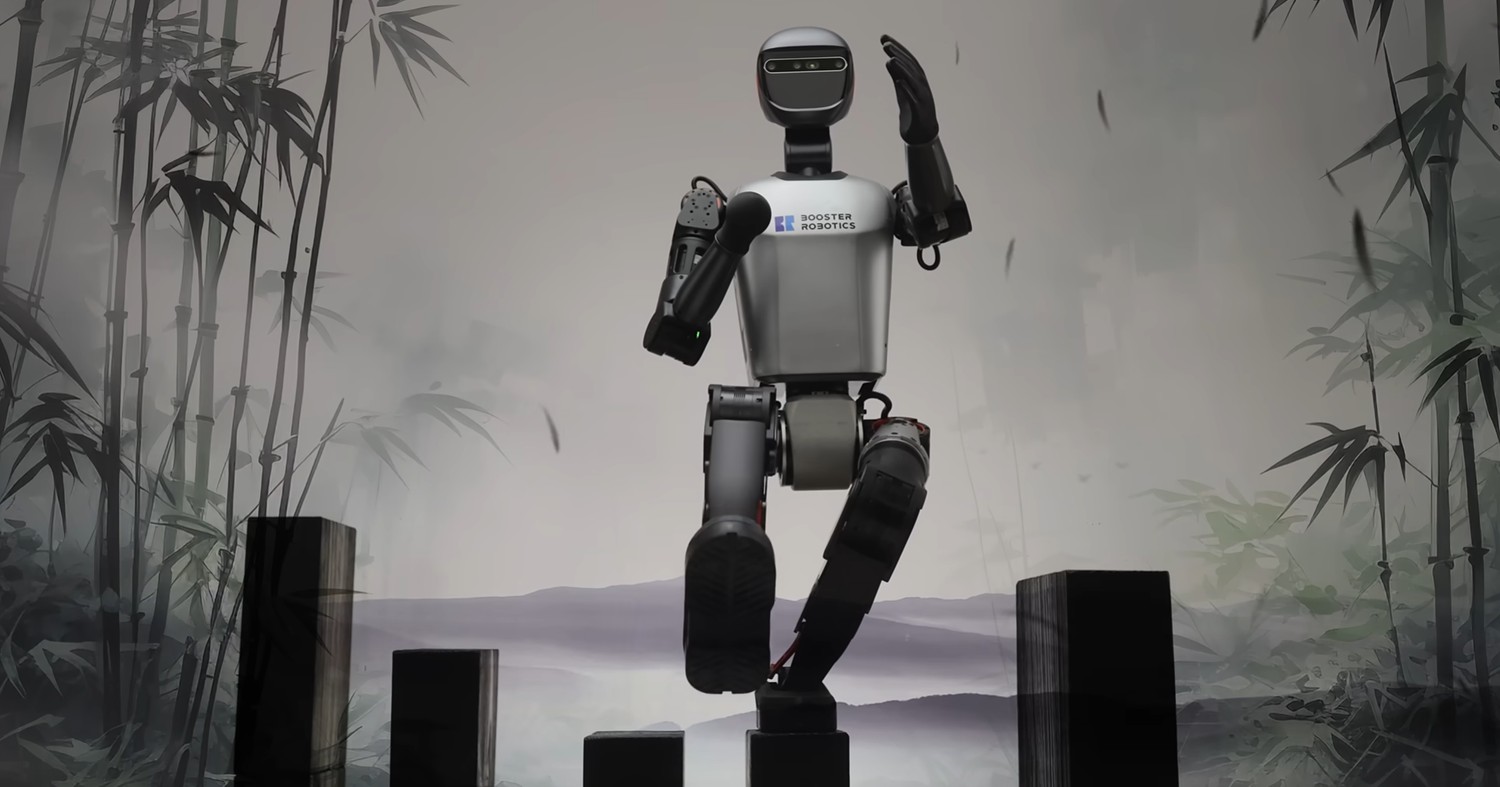
Small body, big task
Humanoid robots are being pushed toward one hard problem: moving through human spaces with enough balance, coordination, and manipulation skill to be useful outside the lab. Booster Robotics’ K1 is a compact humanoid platform that has been shown as a developer-focused system, with a 95 cm frame, 19.5 kg weight, 22 degrees of freedom, and ROS-oriented software support aimed at education, research, exhibitions, and competitions. The news matters because the K1 is positioned less as a general-purpose worker and more as a teleoperation-ready humanoid that can be carried, deployed, and iterated on quickly.
Why this footprint matters
For humanoids, the meaningful competition is not just size or spec sheets, but how naturally the body can imitate human motion while staying balanced and responsive under operator control. The K1’s compact build, 22-DoF layout, 3D depth sensing, 9-axis IMU, and microphone array point to a platform designed for full-body coordination rather than isolated gestures. Its software stack, which is described as Linux-based and ROS-compatible, also fits the broader shift toward teleoperation and rapid prototyping instead of static motion libraries. K1’s core advantage is not autonomy, but making humanoid motion easier to develop, test, and control in real time.
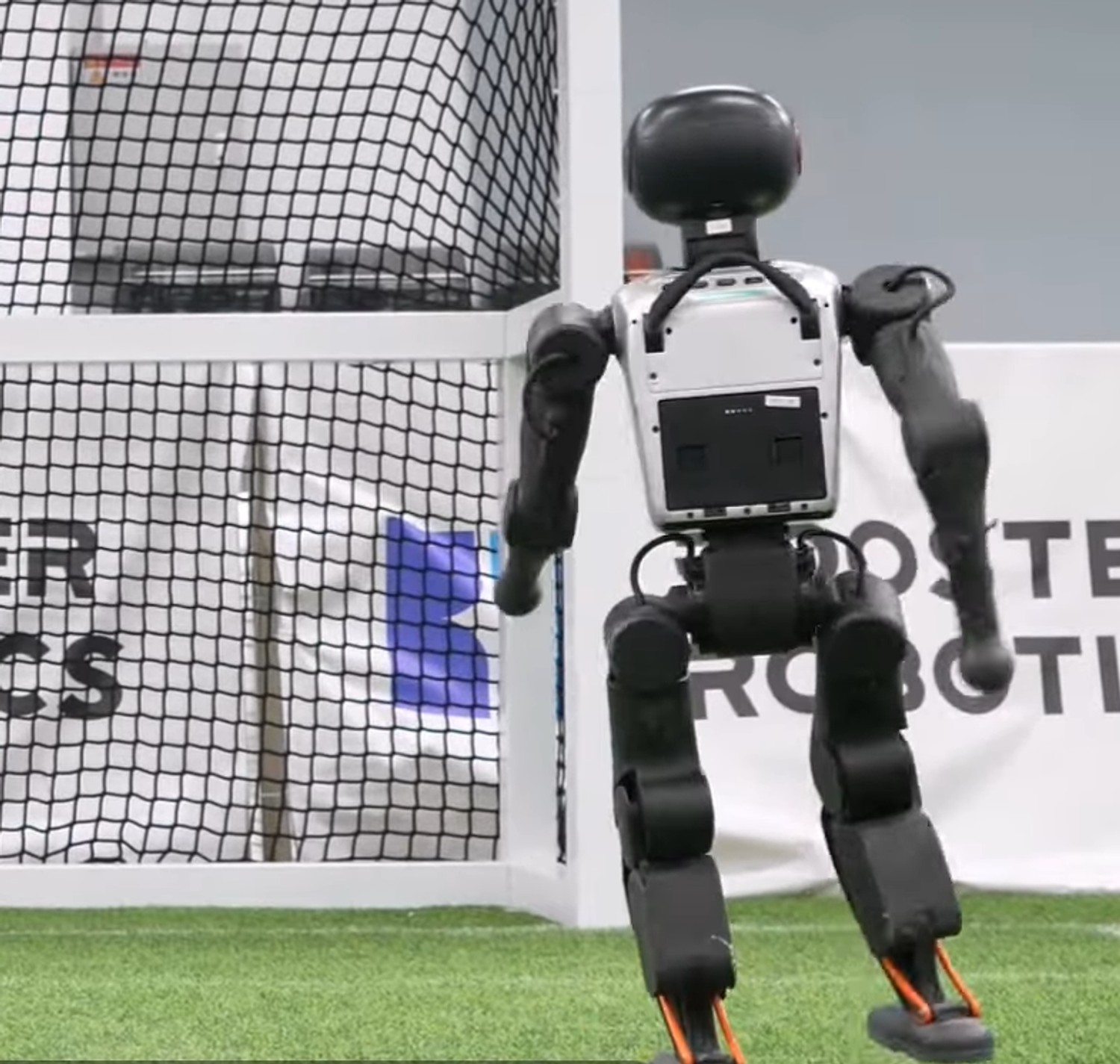
Motion in, balance out
The technical flow is straightforward: human motion input goes into an AI model, the system processes body position and intent, and the robot responds through joint actuation and balance correction. In practice, that means the K1’s sensors help it track orientation and depth while its actuators and control software work to keep walking, reaching, and turning stable during movement. That pipeline fits the category’s biggest challenge, which is not simply making a robot move, but making it move like a human without falling over.
Classroom-to-lab use
The clearest deployment scenario for K1 is a robotics lab or classroom where students need a humanoid that can be transported, set up quickly, and used for controlled experiments. Its relatively small size and 19.5 kg weight make it practical for indoor human-centric spaces, while the reported support for tools and educational materials matches hands-on teaching and prototype work. In that setting, the robot’s value is in repeatable testing of walking, balance, and manipulation routines rather than long-duration field operation.
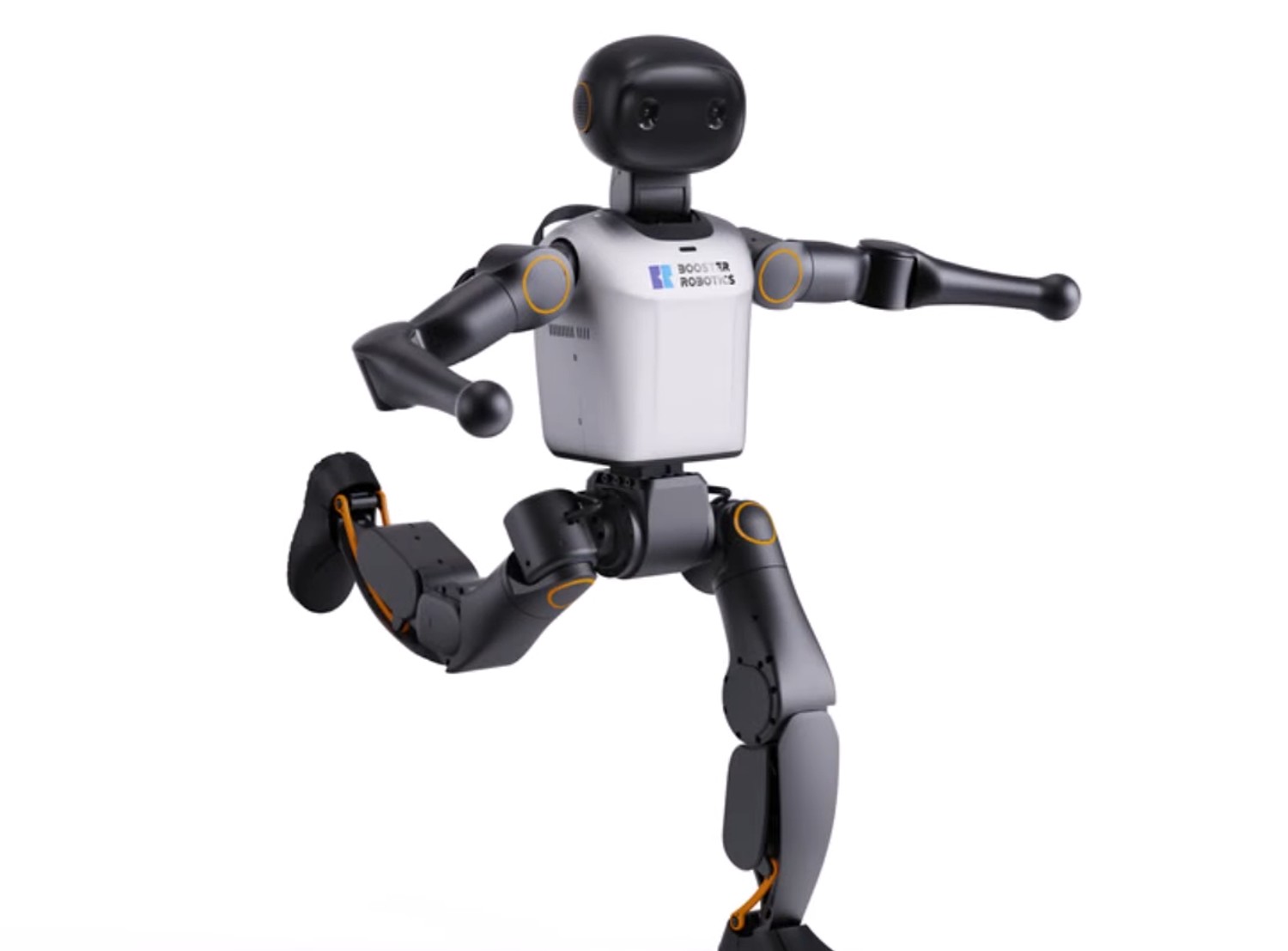
Capability, not just size
The reported 95 x 40 x 18 cm dimensions and 19.5 kg weight make K1 compact enough for indoor deployment and easier handling than larger humanoids. Its 3D depth camera, 9-axis IMU, and microphone array provide the sensing stack needed for navigation, orientation, and human interaction, while the Linux and ROS software environment lowers the barrier for development. The verified hardware picture is a mobile research platform built around perception, balance, and developer access rather than raw payload or outdoor endurance.
Rivals Edge Check
| Robot | Key Advantage | Where K1 Humanoid Wins | Target Use |
|---|---|---|---|
| Unitree G1 | More established humanoid brand and broader market visibility | Smaller, easier-to-transport footprint for classroom and lab use | Research and demos |
| T1 Humanoid | Stronger association with general humanoid motion and platform breadth | More accessible compact form factor for rapid development | Education and prototyping |
| Apollo | Service-oriented humanoid positioning | Better fit for teleoperation-focused indoor experimentation | Assisted service research |
| Unitree H2 | Larger-body humanoid platform with ambitious mobility goals | Lower-weight platform for controlled human-space testing | Advanced robotics R&D |
Industry direction
K1 also reflects a wider market shift: humanoids are being evaluated less as autonomous generalists and more as teleoperated systems that can safely mimic human motion in constrained spaces. That matters because real-world deployment is still limited by balance, cost, and scaling, so the near-term value is often in remote operation, assisted tasks, and controlled demonstrations rather than open-ended autonomy. In that sense, K1 signals a practical phase for the sector, where the next breakthrough may be smoother human-robot coordination instead of bigger promises.
Explore Humanoids
Related Articles

UBTECH’s UWORLD U1 Ultra marks a mass-production push into full-size humanoid companionship
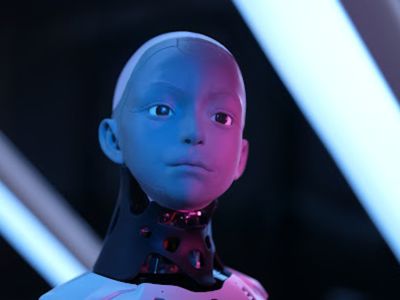
AnyWit’s Annie puts the spotlight on expressive humanoid heads, not full-body autonomy
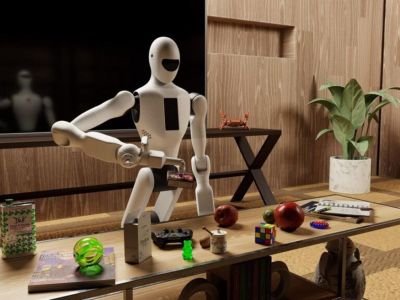
Galbot G1 pushes teleoperation-first humanoids toward retail, pharmacy, and warehouse work
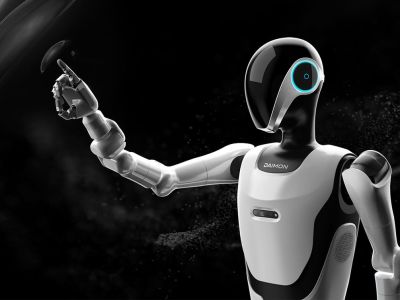
Daimon One Pushes Humanoid Teleoperation Toward Human-Centric Workspaces
Related Comparisons
Compare K1 Humanoid with similar robots

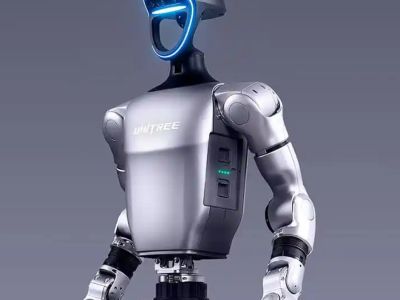
Optimus vs Unitree G1
Compare Optimus vs Unitree G1 for humanoid mobility, dexterity, autonomy, and payload capacity.
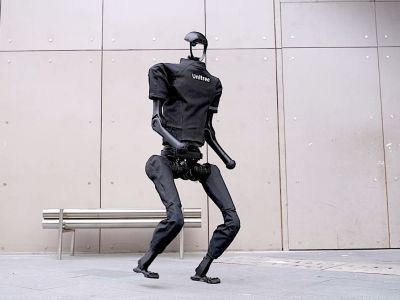
Unitree G1 vs Unitree H1
Head-to-head: Unitree G1 vs Unitree H1 compared on bipedal balance, AI learning, and real-world deployment.
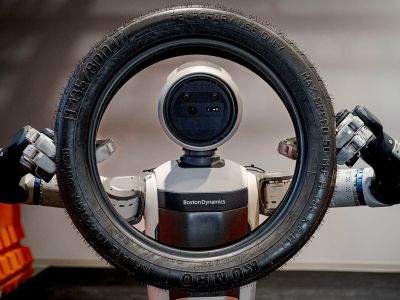
Optimus vs Atlas (Electric Atlas, 2025)
In-depth comparison of Optimus and Atlas (Electric Atlas, 2025), covering hardware capabilities, teleoperation, and enterprise readiness.

Ameca vs Moya
Which humanoid robot is better? Ameca vs Moya compared for dexterity, AI capabilities, and price.
Learn More About This Robot
Discover detailed specifications, reviews, and comparisons for K1 Humanoid.
View Robot Details →