Unitree’s Superman humanoid puts speed first as China’s robotics race accelerates
Robot Details
Superman • Unitree RoboticsPublished
August 30, 2026
Reading Time
3 min read
Author
Origin Of Bots Editorial Team
A fast-moving debut
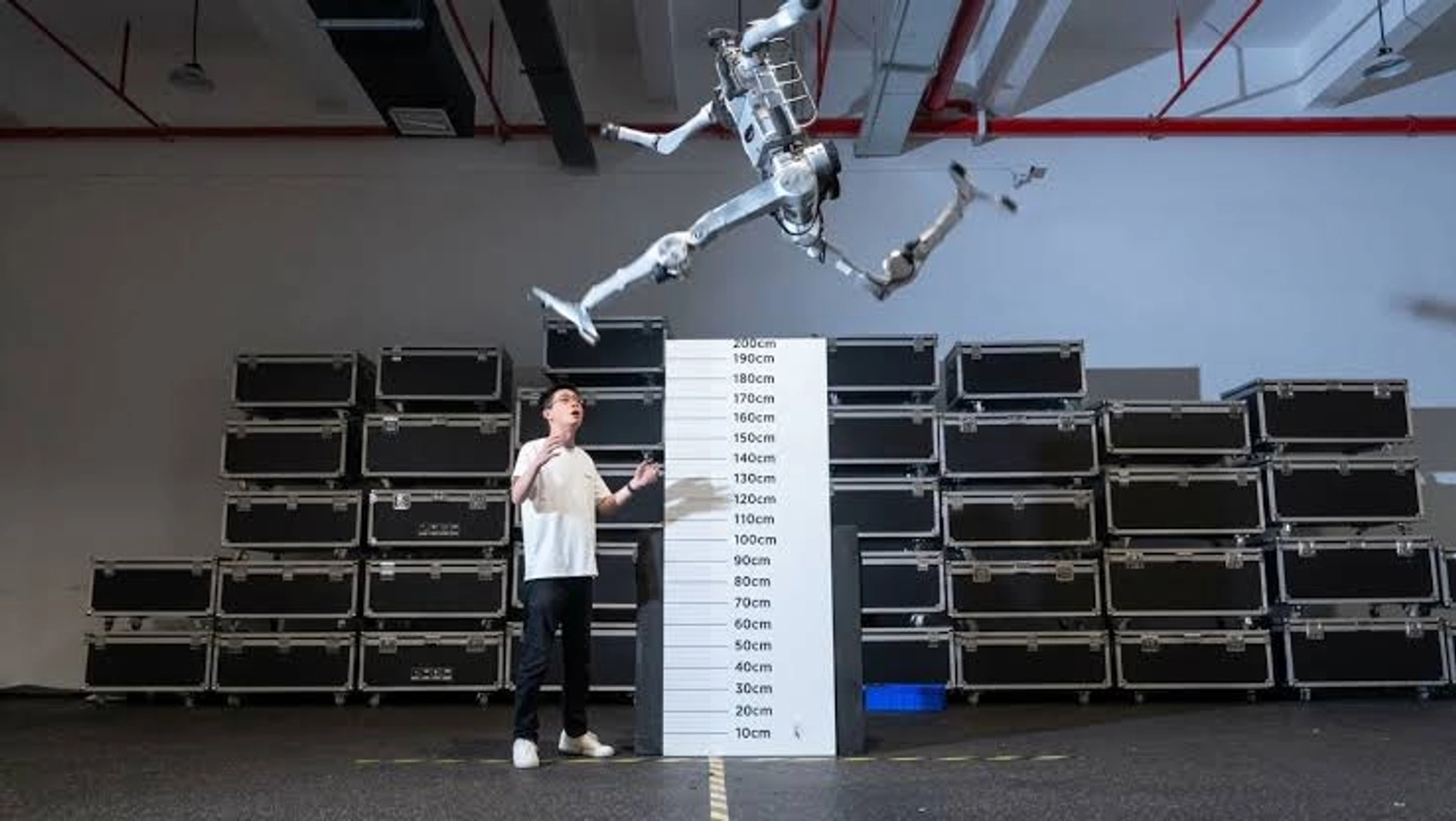
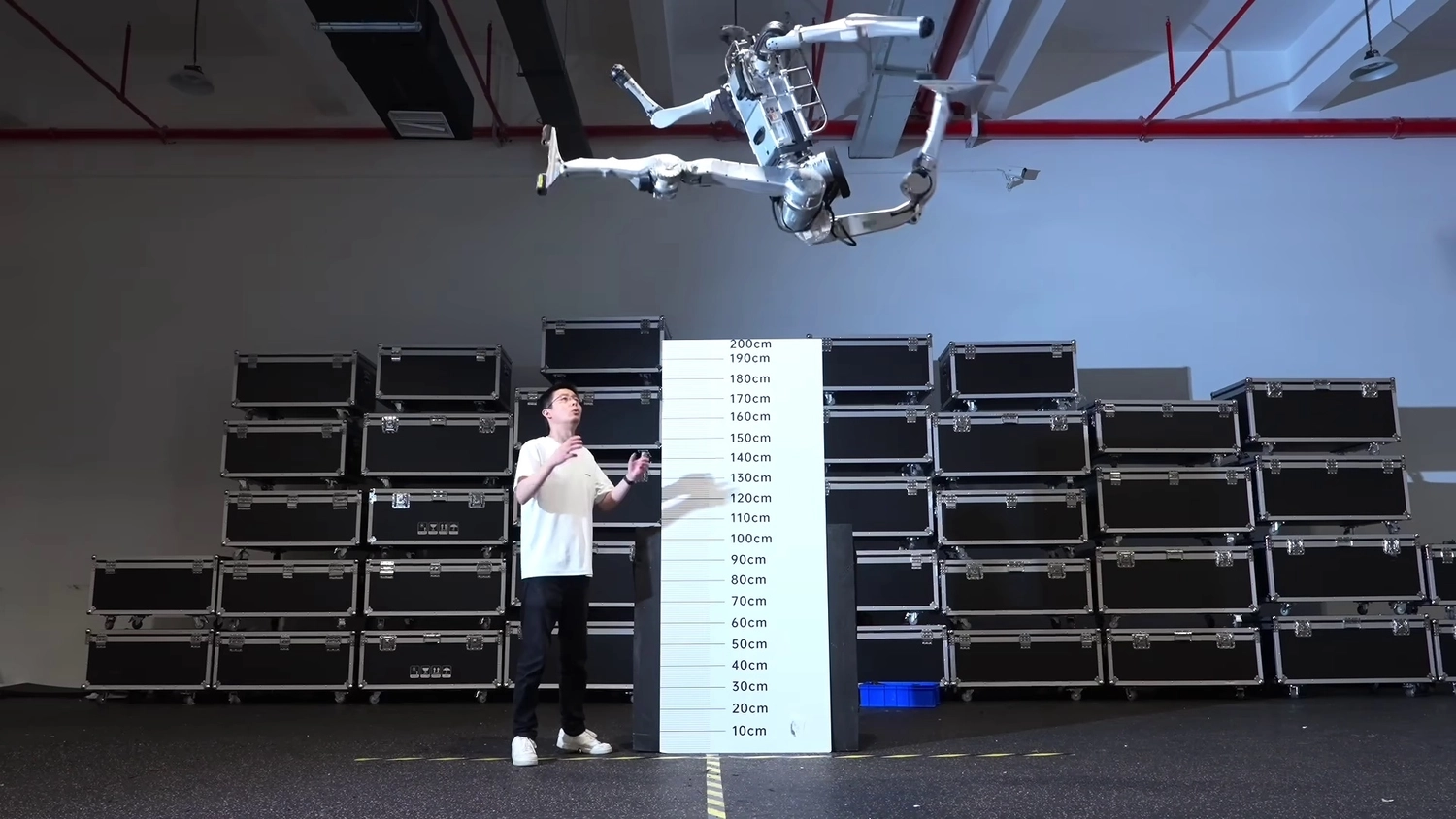
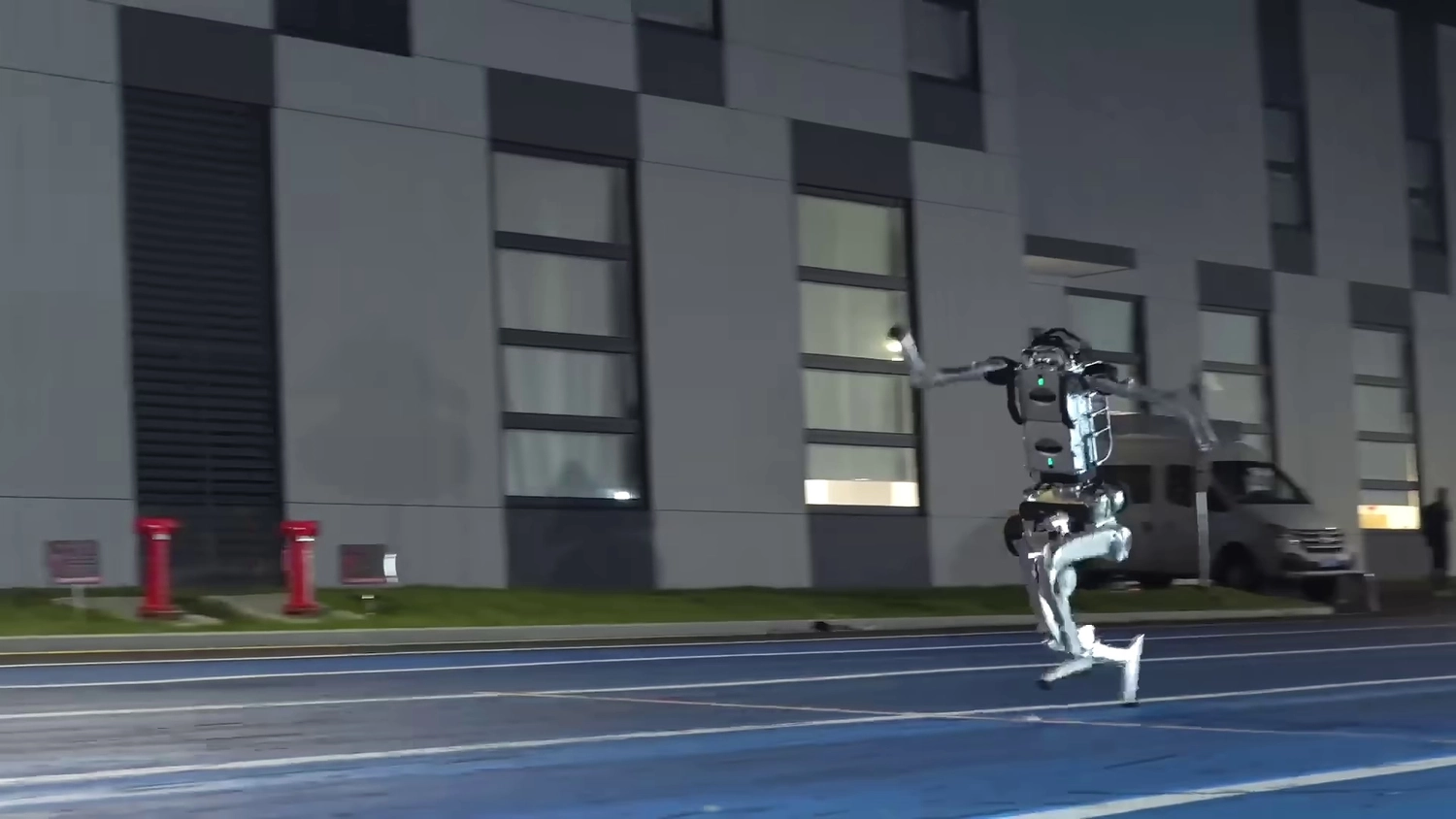
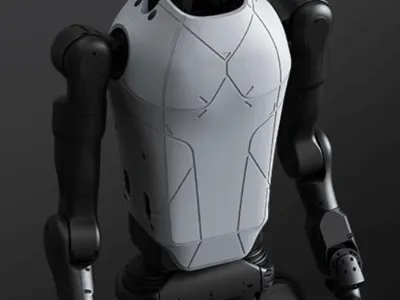
Unitree Robotics unveiled Superman, a humanoid robot designed to push dynamic locomotion, balance, and full-body motion imitation into a more aggressive performance class, with demos centered on high-speed running and standing jumps. The robot was shown by the Chinese company in mid-August, and the launch mattered because it positioned humanoid robotics less as a future service platform and more as a testbed for real-time motion control at the edge of what bipedal systems can do.
Why this launch matters
Superman stands out because it is built around the hardest problems in humanoids: keeping balance while moving fast, coordinating the whole body in motion, and translating human-like movement into a machine that can recover in real time. That makes it different from slower, task-first machines that prioritize manipulation over locomotion, and it also reflects a wider shift toward teleoperation-first humanoids for controlled environments rather than fully autonomous generalists. The robot’s significance is not just in the headline speed figures, but in how it spotlights fidelity of imitation and operator-to-robot responsiveness as competitive advantages. Unitree is betting that motion quality itself is the product.
How it works
Human motion input feeds into AI model processing, which interprets the movement and converts it into joint-level commands. Those commands are then corrected by balance control systems during legged actuation, so the robot can keep upright while moving, absorbing shifts in momentum and terrain changes. In practical terms, Superman’s value lies in the loop from human intent to robot response, not in static programmed poses.
Remote work in human spaces
The most realistic near-term use case is remote inspection in human-centric environments where a person can guide the robot through spaces that are unsafe, repetitive, or awkward for people to enter directly. In that setting, a humanoid like Superman can carry packages, tools, or inspection accessories while using visual and depth sensing to stay oriented indoors. The appeal is not full autonomy, but the ability to extend a human operator’s reach into places where legged balance and quick recovery matter.
Built for control
Unitree’s reported specifications frame Superman as a compact, performance-focused humanoid at about 180 cm by 40 cm by 35 cm and 47 kg, which helps explain why it can be moved and stabilized as a research platform rather than a heavy industrial machine. Its 45.6 km/h / 28.3 mph top speed and 3 to 5 year battery life are presented as capability enablers for dynamic locomotion research, while the sensor stack of RGB cameras, depth camera, 3D LiDAR, IMU, gyroscope, joint encoders, force and torque sensing, and temperature sensing supports both navigation and safety monitoring. The software stack is described as proprietary but ROS-compatible, with C/C++ and Python interfaces that make it more accessible to robotics developers.
Rivals Edge Check
| Robot | Key Advantage | Where Superman Wins | Target Use |
|---|---|---|---|
| Asimov v1 | Likely broader manipulation focus | Faster dynamic locomotion and balance work | Humanoid benchmarking |
| TP-01 | Likely service-oriented humanoid design | Higher-speed motion and athletic control | Demonstration and research |
| FF Master | Likely inspection or factory deployment emphasis | Stronger teleoperation-style mobility dynamics | Remote inspection |
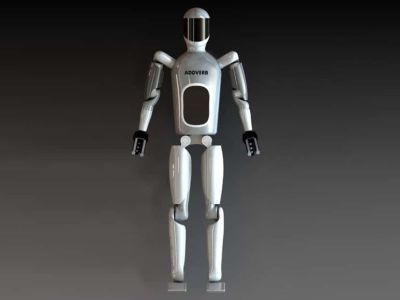
| Addverb Humanoid | Likely warehouse or enterprise integration | More extreme locomotion performance | Assisted service in human spaces |
What the market signals
Superman signals that humanoid robotics is moving toward teleoperation and motion fidelity as the shortest path to practical deployment, rather than waiting for fully autonomous general-purpose machines. It also suggests that benchmark performance, public demonstrations, and developer-friendly software access are becoming as important as task execution in winning attention from researchers and operators. For the broader category, the message is clear: control quality is now a market signal, not just an engineering detail.
Explore Humanoids
Related Articles
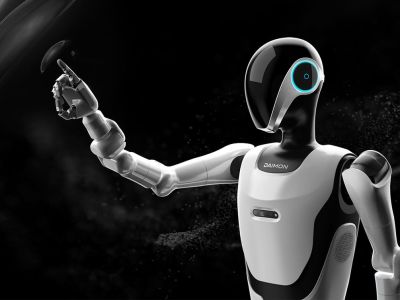
Daimon One Pushes Humanoid Teleoperation Toward Human-Centric Workspaces
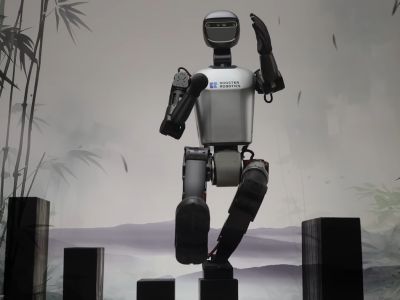
Booster Robotics K1 targets teleoperation-first humanoids with compact 95 cm body and 22-DoF platform
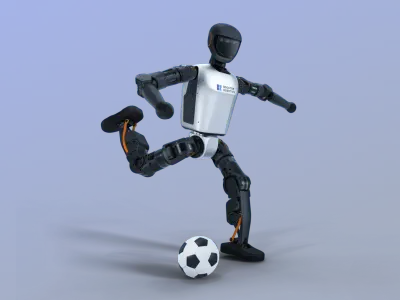
Booster Robotics’ T1 Humanoid Targets Teleoperation and Human-Centric Research
Unitree’s H2 pushes humanoids toward teleoperation-first service work
Related Comparisons
Compare Superman with similar robots
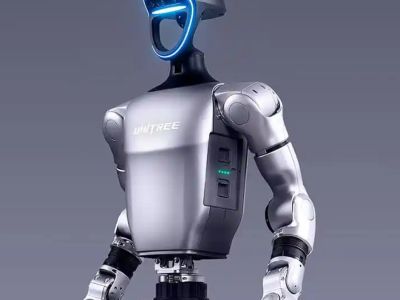
Optimus vs Unitree G1
Compare Optimus vs Unitree G1 for humanoid mobility, dexterity, autonomy, and payload capacity.
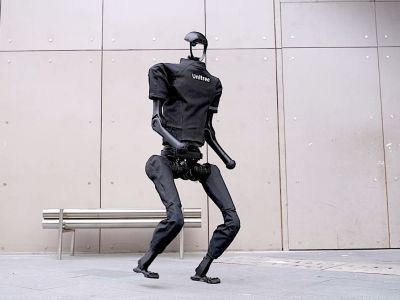
Unitree G1 vs Unitree H1
Head-to-head: Unitree G1 vs Unitree H1 compared on bipedal balance, AI learning, and real-world deployment.
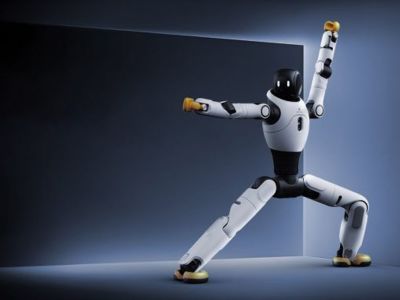
Unitree G1 vs AgiBot X2-N
Compare Unitree G1 vs AgiBot X2 for humanoid mobility, dexterity, autonomy, and payload capacity.
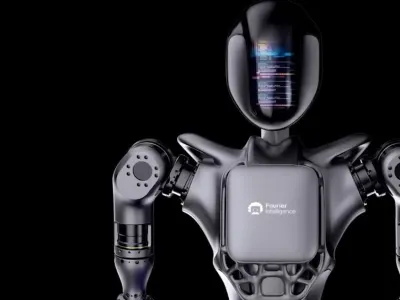
GR-1 vs Unitree H1-2
Head-to-head: GR-1 vs Unitree H1-2 compared on bipedal balance, AI learning, and real-world deployment for research and care.
Learn More About This Robot
Discover detailed specifications, reviews, and comparisons for Superman.
View Robot Details →