Tesla Optimus Scales Internal Gigafactory Operations and Reaffirms 2027 Consumer Target
Robot Details
Optimus • TeslaPublished
September 11, 2026
Reading Time
4 min read
Author
Origin Of Bots Editorial Team
Operational Ramping Across Gigafactory Battery Production Cells
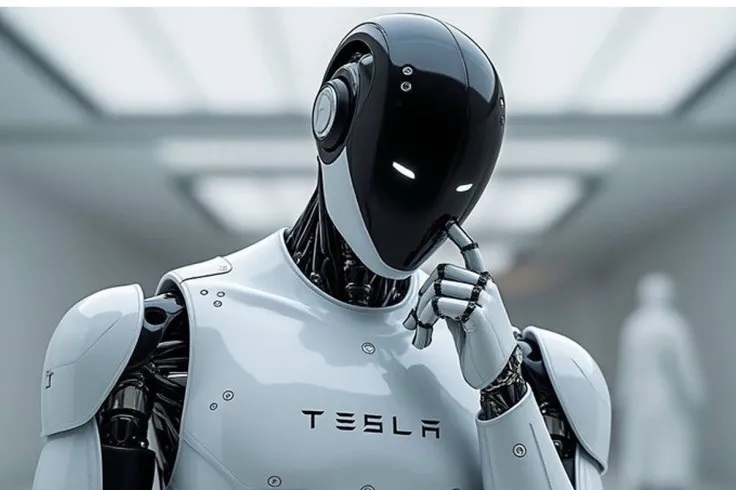
Tesla provided significant technical updates regarding its internal Optimus humanoid robot fleet operating within active manufacturing facilities. Dozens of low-volume production Gen 3 units are now permanently stationed inside Gigafactory Texas and Fremont battery manufacturing cells. Operating under strict twenty-four-hour industrial schedules, the humanoids are responsible for autonomous 4680 battery cell tray transfers and material kitting.
Continuous deployment on live automotive lines has yielded invaluable empirical reliability data that laboratory simulations cannot replicate. Engineers reported that the fleet has achieved unprecedented operational uptime, handling thousands of repetitive parts transfers without requiring human manual intervention.
End-to-End Neural Policy Evolution from Autonomous Vehicle Stacks
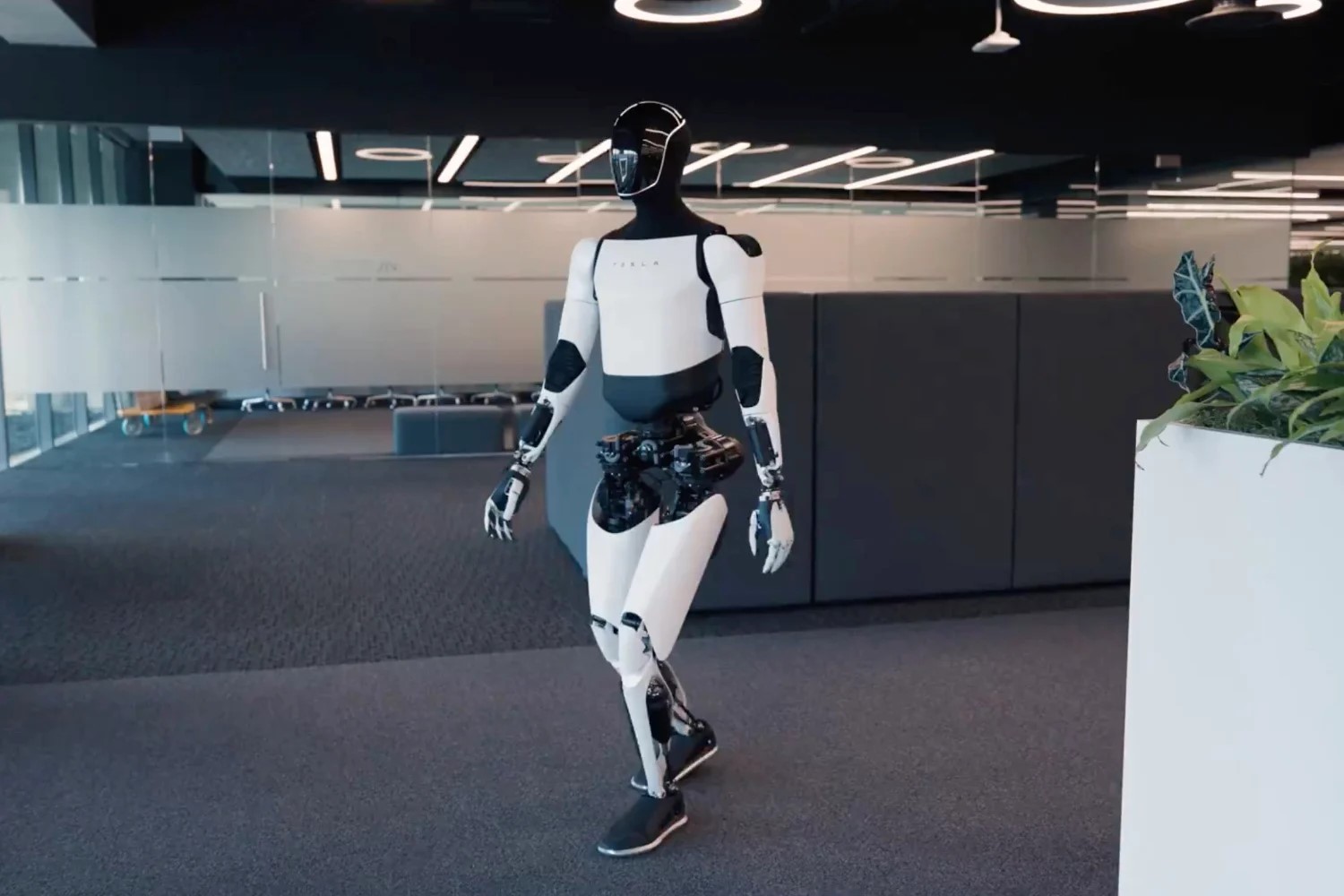
A core factor driving Optimus’s operational progress is the seamless adaptation of Tesla’s Full Self-Driving (FSD) neural network architecture. Rather than using separate handcrafted software modules for vision, depth estimation, and limb trajectories, Optimus processes visual photons directly into joint torques. The occupancy network builds a continuous, millisecond-accurate 3D voxel representation of the robot's immediate workspace.
This unified foundation architecture allows the humanoid to dynamically avoid moving transport carts, human technicians, and overhead cranes. When an unexpected obstacle blocks its designated path, Optimus re-routes its steps in real time without pausing its physical workflow.
Human-Grade Dexterity with 22-Degree-of-Freedom Hands
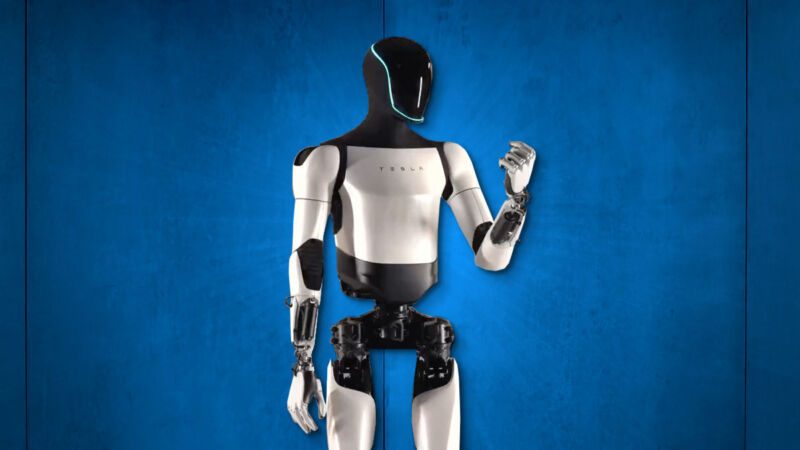
The latest Gen 3 builds feature Tesla’s overhauled five-fingered robotic hands, incorporating twenty-two degrees of freedom and tactile fingertip sensors. Moving drive motors directly into the hand structure eliminates bulky forearm tendon cables, drastically improving mechanical compliance and grip sensitivity. The fingers can grasp fragile cylindrical battery cells firmly without deforming the thin metal casing or losing grip during rapid transit.
This fine-grained tactile feedback loop enables the robot to orient components by feel rather than relying solely on line-of-sight vision. Mastering delicate part alignment overcomes one of the most stubborn manual labor barriers in automotive battery assembly.
Retooling Gigafactory Texas for High-Volume Cleanroom Assembly
To prepare for commercial scale, Tesla is completing dedicated manufacturing cleanroom lines inside Gigafactory Texas in Austin. These high-speed lines will utilize automated die-casting, automated motor winding, and robotic chassis riveting to produce thousands of Optimus units annually. Applying Tesla’s proven automotive high-volume manufacturing playbook is expected to drive per-unit production costs down dramatically.
The company aims to achieve an initial commercial build rate of several thousand units per month by mid-2027. Scaling production capacity positions Tesla to satisfy massive pent-up demand from external enterprise industrial and logistics clients.
Reaffirming the 2027 Timeline for Consumer Home Delivery
In accompanying investor briefings, Tesla leadership reaffirmed its strategic timeline targeting external commercial sales in late 2026 and consumer availability by 2027. The initial consumer rollout will focus on structured domestic assistance, including tidying living spaces, carrying groceries, and managing home chores. Operating humanoids safely in private homes requires extreme mechanical compliance and whisper-quiet actuator acoustics.
Tesla is conducting extensive simulated household testing to ensure compliant interaction around children, pets, and delicate home furniture. Establishing rigorous domestic safety standards is critical for unlocking broad consumer trust and widespread household adoption.
Disrupting Consumer Economics with a Sub-$25,000 Price Point
A foundational pillar of Tesla's consumer strategy is its long-term commitment to a retail price point below $25,000. By sharing structural castings, battery chemistries, and AI chips with its mass-market electric vehicles, Tesla achieves unmatched component cost efficiencies. Pricing an autonomous humanoid lower than the average new automobile makes household robotic assistance accessible to millions of middle-class families.
Financial analysts project that achieving this aggressive price target will trigger unprecedented consumer demand worldwide. At a $25,000 price point, the utility value of an autonomous household helper creates a compelling economic justification for mass ownership.
The Strategic Keystone of Tesla's Autonomous Vision
Optimus represents the definitive linchpin in Tesla’s transition from a premium electric car maker into a multi-trillion-dollar AI robotics enterprise. CEO Elon Musk has repeatedly stated that humanoid robotics will ultimately generate greater long-term economic value than Tesla's automotive operations combined. As factory fleets expand and consumer timelines solidify, the boundary between speculative technology and commercial execution is vanishing.
The disciplined progression of Optimus inside Gigafactories validates that general-purpose humanoid labor is viable at industrial scale. The journey toward everyday physical artificial intelligence is accelerating rapidly, laying the foundation for a profoundly transformed global economy.
Explore Humanoids
Sources
Related Articles
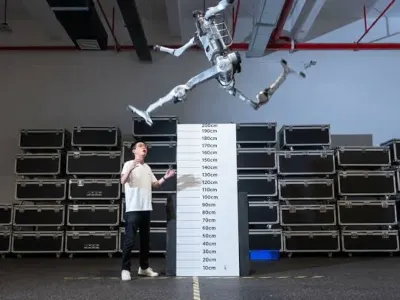
Unitree’s Superman humanoid puts speed first as China’s robotics race accelerates
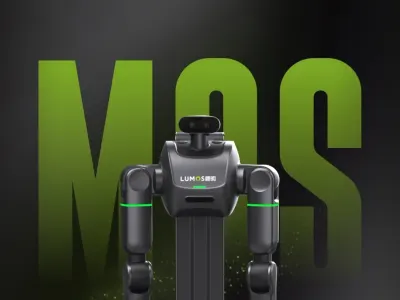
Lumos Robotics positions MOS 2 as a factory-ready humanoid built for teleoperation and heavy handling
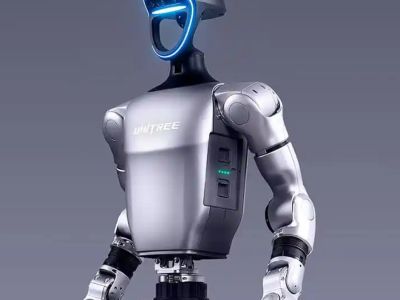
Unitree Expands Commercial Footprint with G1 Mass Deployments and Shanghai Market Momentum
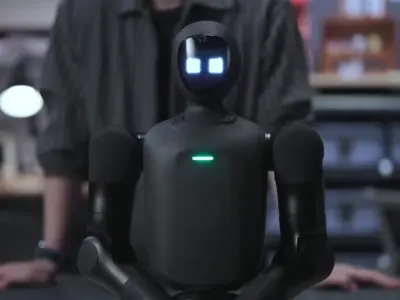
World's First Humanoid Robot Sports League 'CyberHero' Launches in Riyadh with Eight-City Global Tour
Related Comparisons
Compare Optimus with similar robots
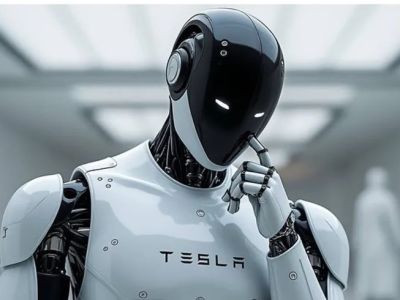
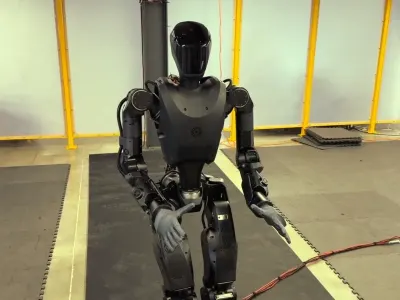
Optimus vs Phantom MK1
Optimus or Phantom MK1? See which humanoid robot performs better for manufacturing, logistics, defense, dexterity, autonomy, and payload in enterprise deployments.
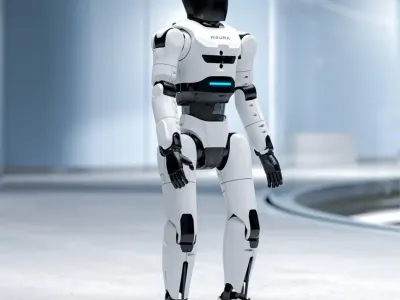
Optimus vs 4NE-1 Mini
Which humanoid robot is better? Optimus vs 4NE-1 Mini compared for dexterity, AI capabilities, payload, and industrial vs research use cases.
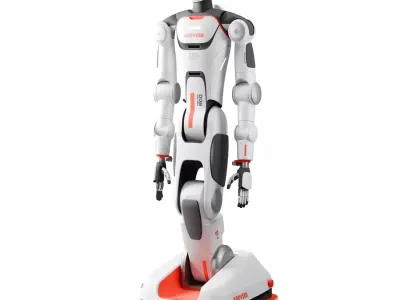
Optimus vs ELIXIS W
Which robot wins? Optimus vs ELIXIS W compared across sensors, battery, navigation, speed, and price for industrial applications.
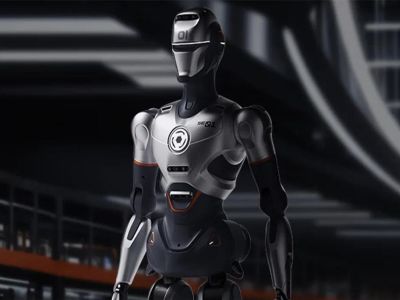
Optimus vs SE01
Head-to-head: Optimus vs SE01. Explore differences in sensors, battery, navigation, speed, and AI capabilities.
Learn More About This Robot
Discover detailed specifications, reviews, and comparisons for Optimus.
View Robot Details →