Unitree Expands Commercial Footprint with G1 Mass Deployments and Shanghai Market Momentum
Robot Details
Unitree G1 • Unitree RoboticsPublished
August 24, 2026
Reading Time
2 min read
Author
Origin Of Bots Editorial Team
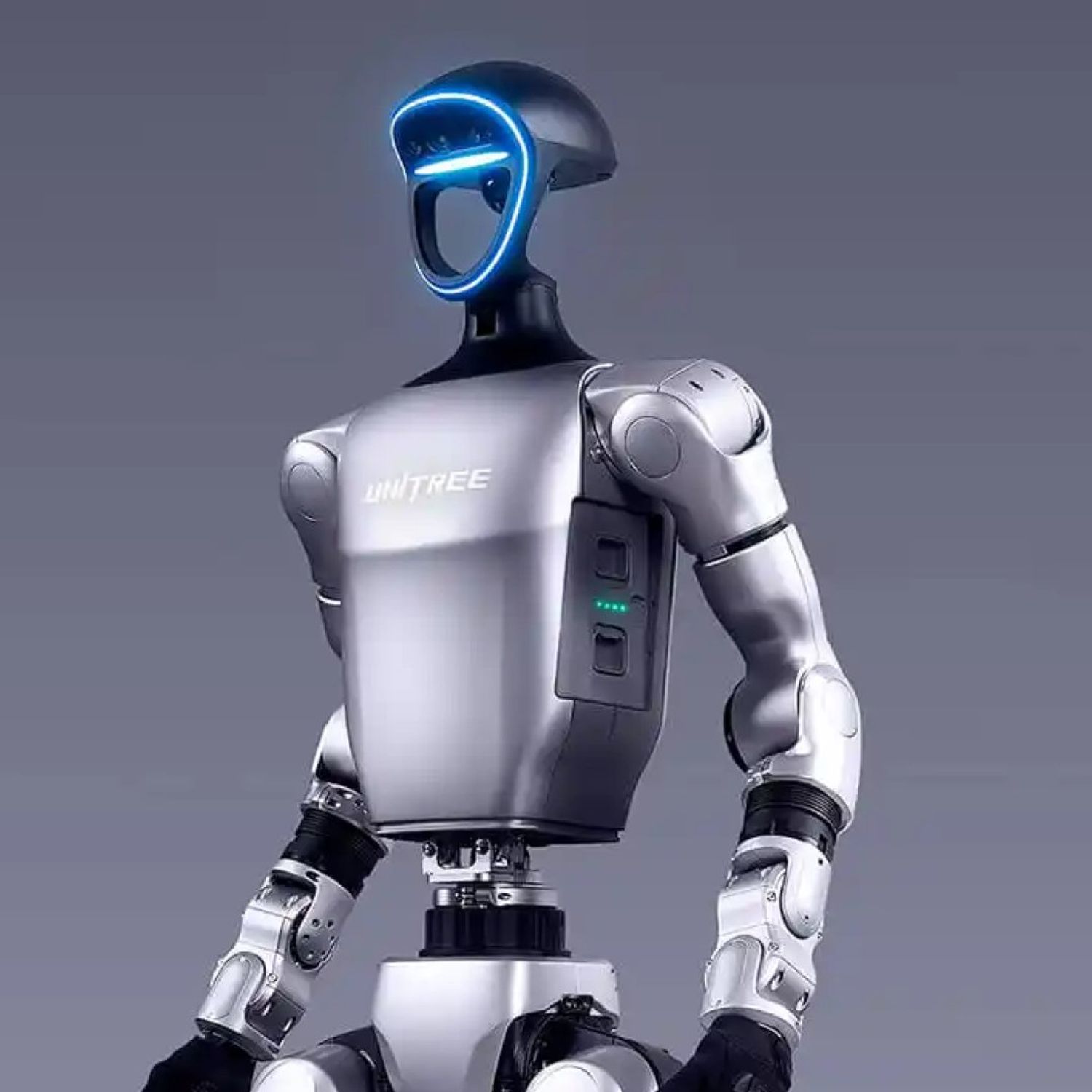
Accelerated Market Momentum and Shanghai Presence
Unitree Robotics gained major market traction in late August 2026 following high-profile demonstrations at the World Robot Conference and subsequent corporate expansion in Shanghai. The company highlighted surging enterprise demand for its compact humanoid form factors.
Disruptive Sub-$20,000 Pricing Strategy
Unitree’s G1 humanoid continues to reshape industry economics with base pricing starting at $13,500, making embodied robotics accessible to academic laboratories, secondary education institutions, and small-scale automation integrators that were previously priced out of the humanoid market.
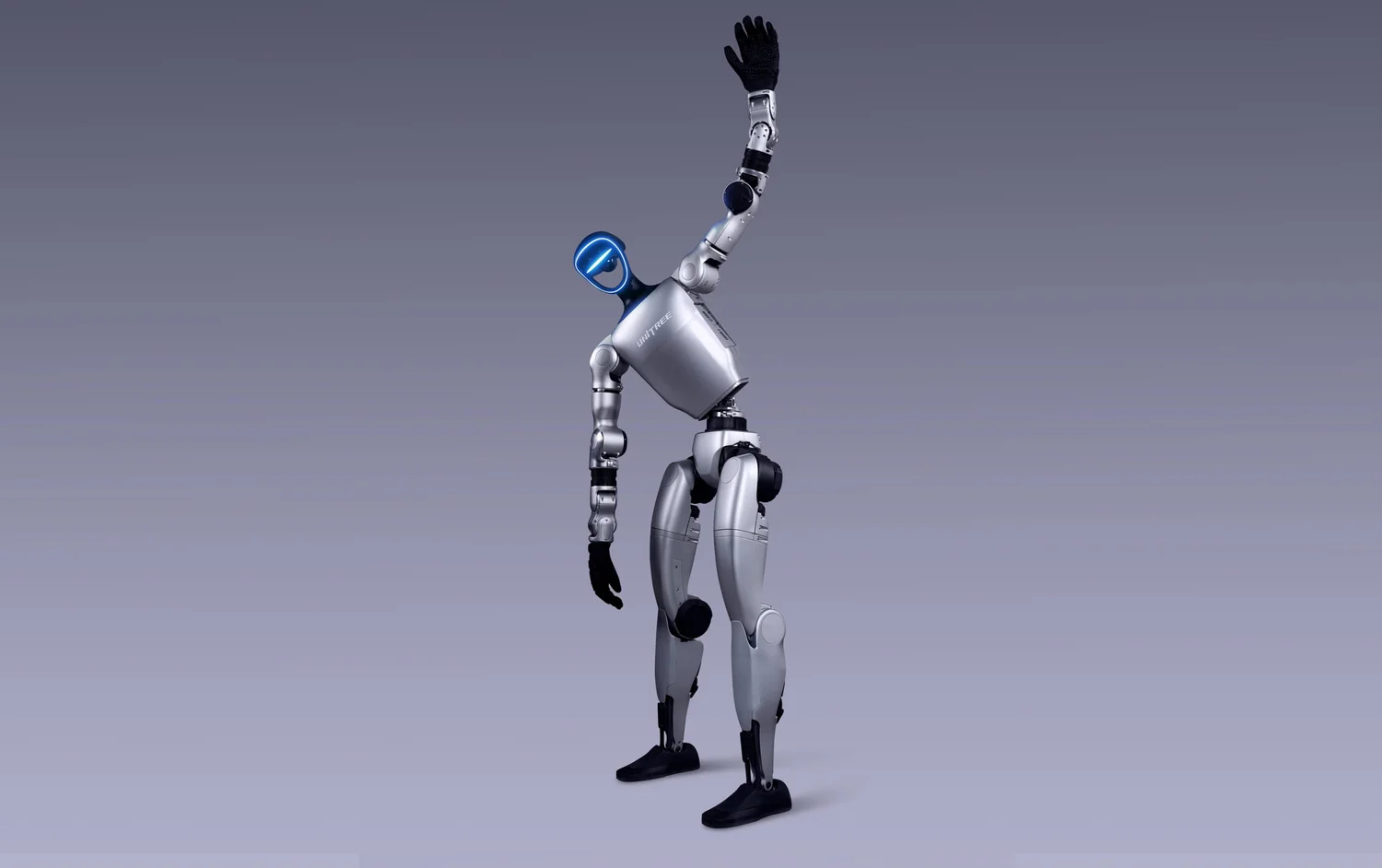
Nvidia Jetson Orin Computing and 43 Degrees of Freedom
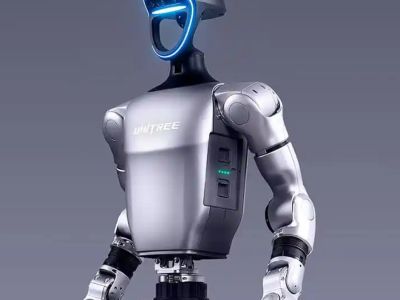
Weighing roughly 35 kilograms and standing 1.32 meters tall, the Unitree G1 incorporates up to 43 degrees of freedom powered by an onboard Nvidia Jetson Orin module. The high torque-density actuators allow the robot to execute dynamic balance recovery, deep squats, and 2 m/s locomotion.
Proliferation in Research Labs and Academic Curriculums
Universities and R&D labs worldwide are standardizing on the G1 platform as an affordable testbed for reinforcement learning, sim-to-real locomotion policies, and teleoperation experiments, dramatically lowering the capital threshold for physical AI research.
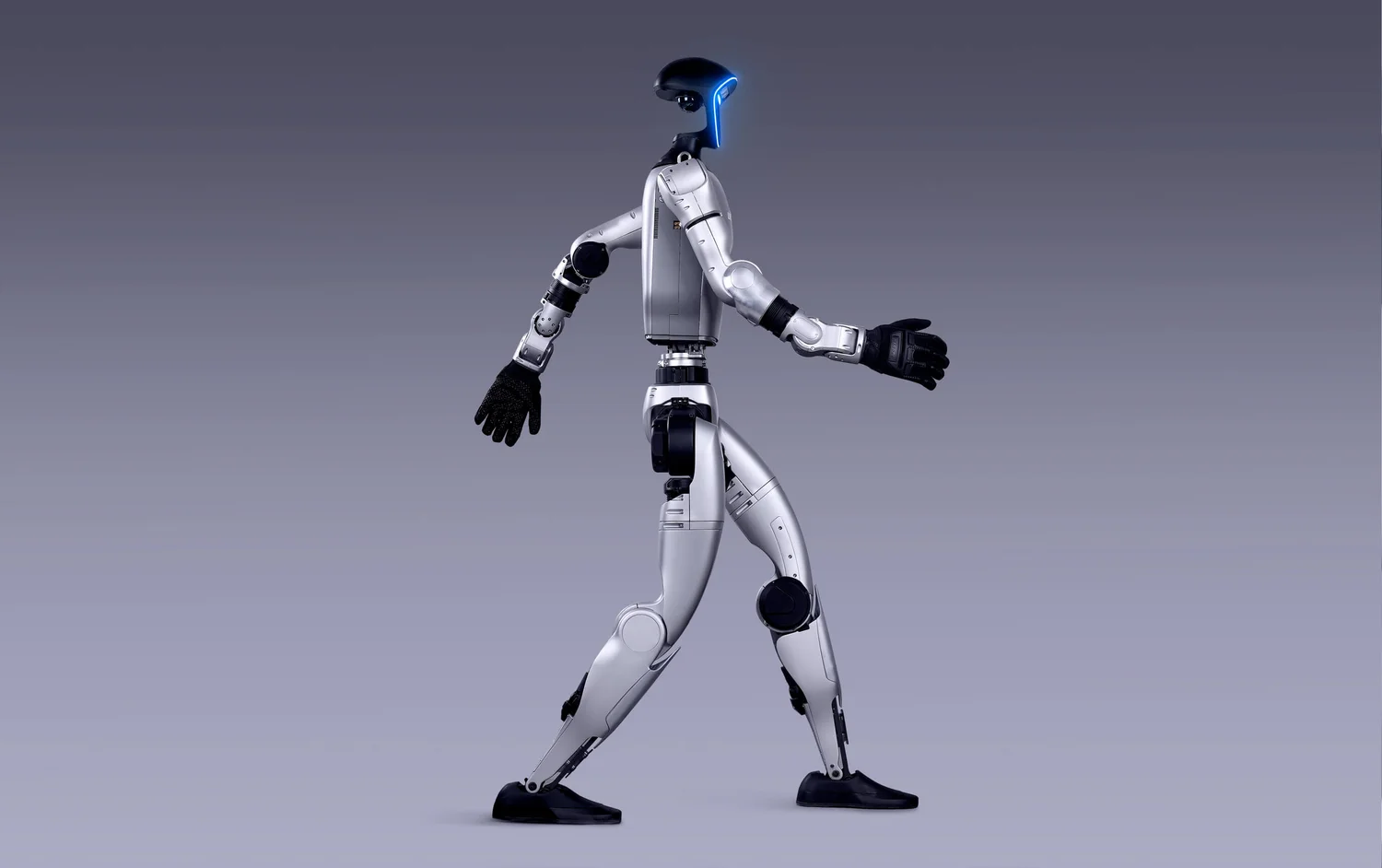
Proactive Firmware Security and Cloud Integrity Updates
In response to responsible vulnerability disclosures regarding cloud-to-robot authentication, Unitree deployed security patches in its fleet management software to enforce strict hardware-bound cryptographic verification and mitigate remote execution risks on educational units.
Force-Position Hybrid Control for Fine Manipulation
The G1’s three-finger dexterous end-effectors leverage force-position hybrid sensing, allowing the robot to manipulate objects such as test tubes, screwdrivers, and electronic components without crushing delicate materials or losing grip pressure.
Rapid Sim-to-Real Deployment Pipelines
Unitree demonstrated an automated workflow enabling researchers to train complex motor behaviors in Isaac Gym and deploy zero-shot neural policies directly to physical G1 hardware in under 24 hours, significantly accelerating the research-to-deployment loop.
Industry Impact and Future Consumer Trajectory
Industry analysts point to Unitree’s high-volume manufacturing capabilities as a template for mass-market consumer humanoid adoption. As component costs fall, the boundary between research prototype and general domestic assistant continues to narrow rapidly.
Explore Humanoids
Related Comparisons
Compare Unitree G1 with similar robots

Optimus vs Unitree G1
Compare Optimus vs Unitree G1 for humanoid mobility, dexterity, autonomy, and payload capacity.
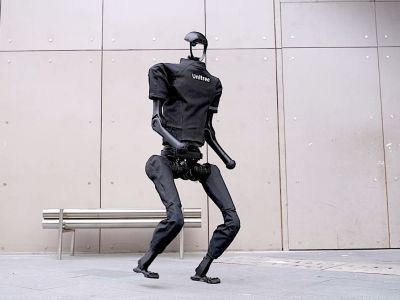
Unitree G1 vs Unitree H1
Head-to-head: Unitree G1 vs Unitree H1 compared on bipedal balance, AI learning, and real-world deployment.
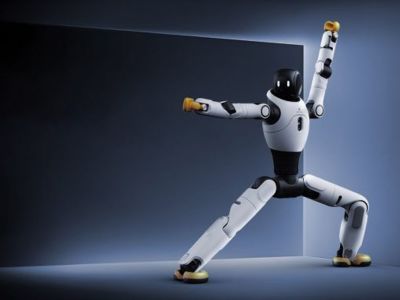
Unitree G1 vs AgiBot X2
Compare Unitree G1 vs AgiBot X2 for humanoid mobility, dexterity, autonomy, and payload capacity.
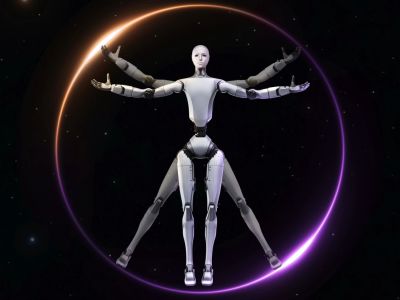
Unitree G1 vs Unitree H2
In-depth comparison of Unitree G1 and Unitree H2, covering hardware capabilities, teleoperation, and enterprise readiness.
Learn More About This Robot
Discover detailed specifications, reviews, and comparisons for Unitree G1.
View Robot Details →