Tesla’s Optimus Gen 3 points to teleoperation-first humanoids as production nears
Robot Details
Optimus Gen 3 • TeslaPublished
May 25, 2026
Reading Time
3 min read
Author
Origin Of Bots Editorial Team
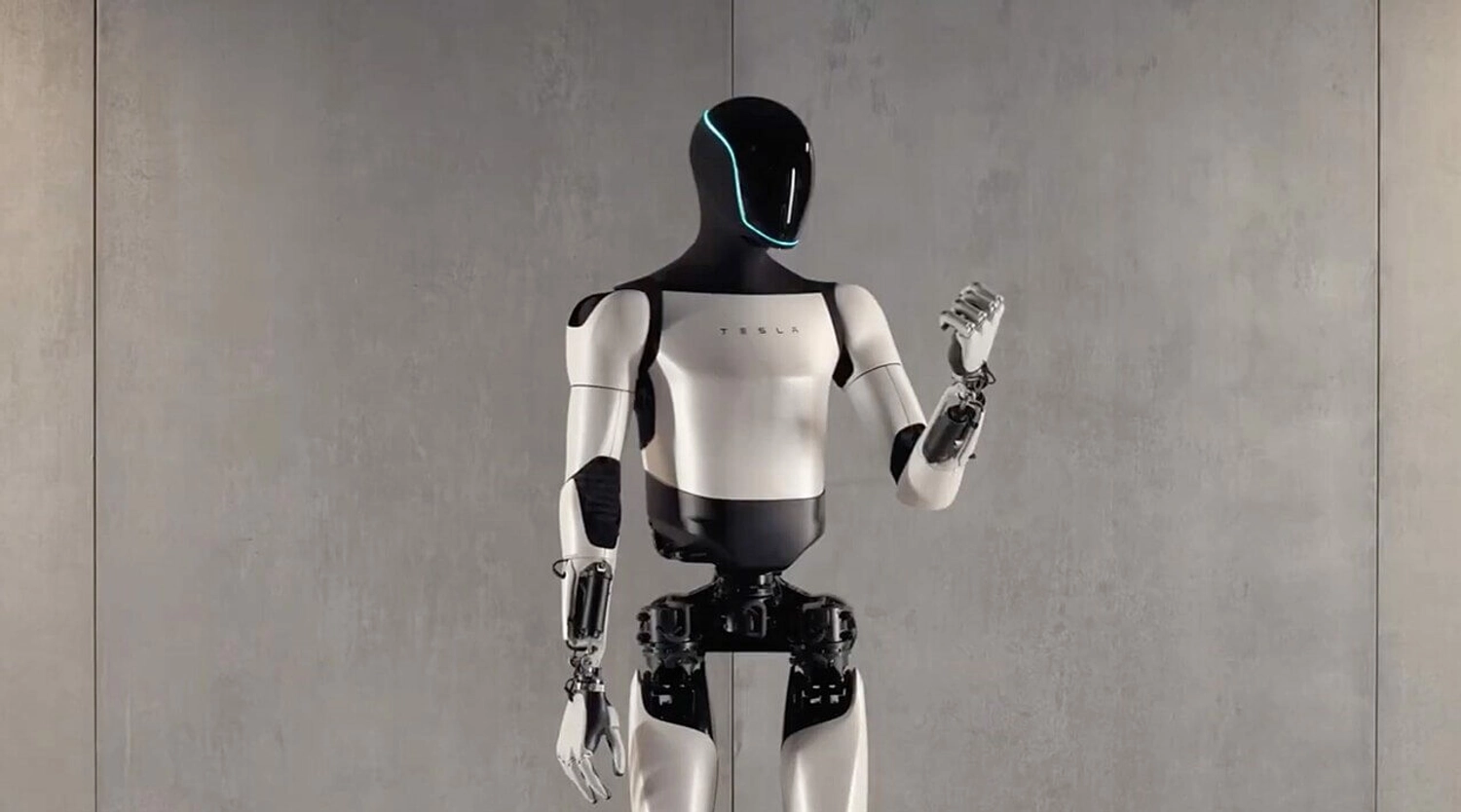
Factory-first debut
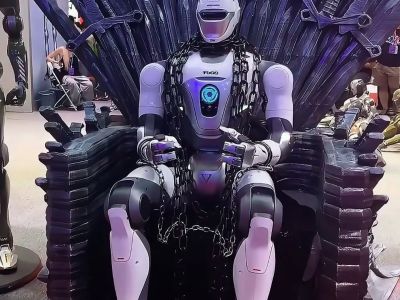
Tesla’s Optimus Gen 3 has emerged as the company’s latest humanoid milestone, with reports and official materials indicating a production-intent push aimed first at factory use rather than consumer deployment. The broader challenge remains familiar for humanoids: making a two-legged robot move, balance, and manipulate objects in human spaces without losing precision or safety.
Why it matters
What makes Optimus Gen 3 notable is not just the robot’s shape, but the way Tesla is framing the system around human-centric work: teleoperation support, collaborative mode, and task handling that spans tools, packages, and close interaction with people. That matters because the humanoid category is increasingly being judged on natural full-body coordination, not just whether a robot can walk. It also reflects an industry shift from scripted motion libraries toward operator-guided systems that can learn from real-world labor environments. Optimus Gen 3 is less about a robot acting alone than about making human control practical at scale.
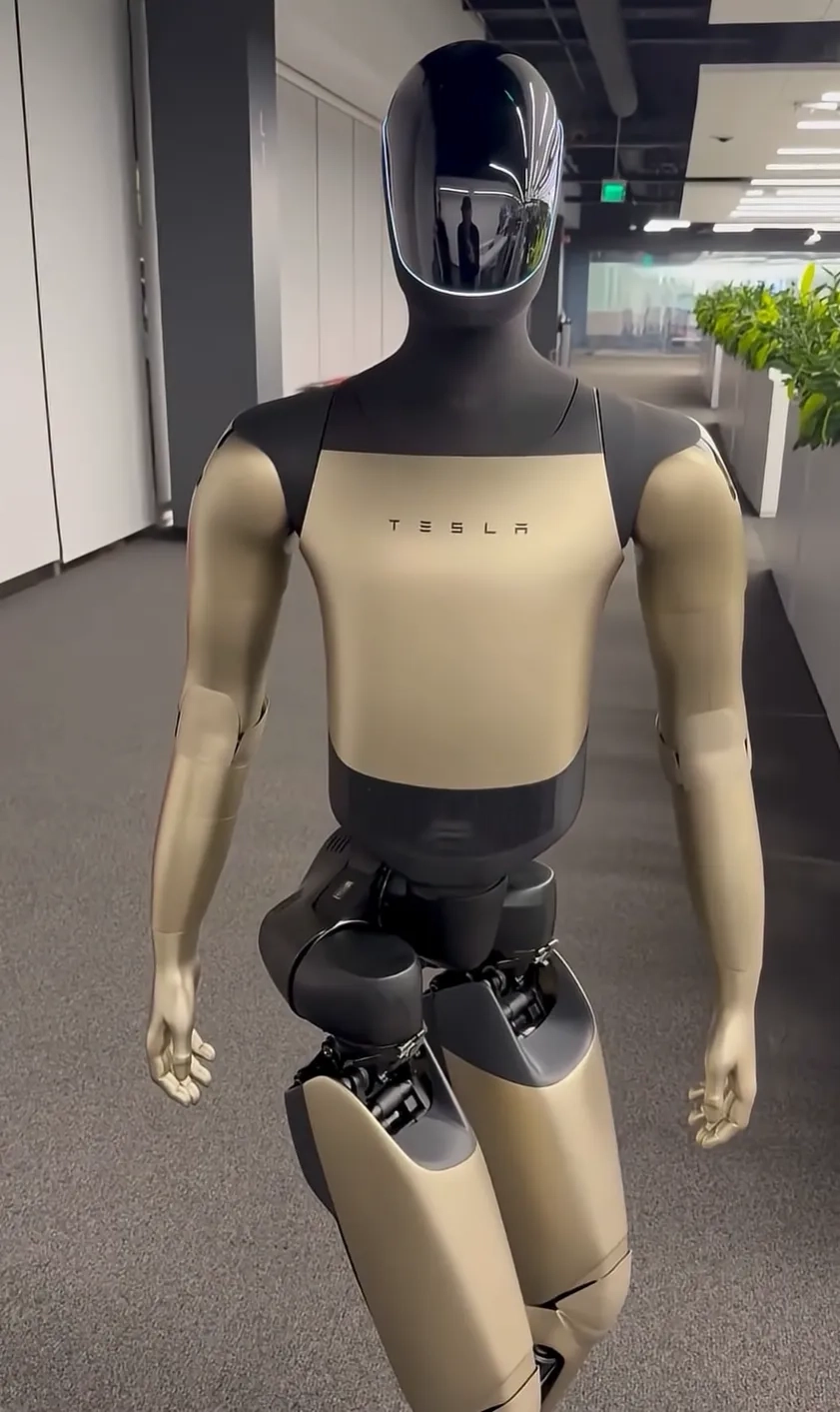
How it works
The core flow for a humanoid like Optimus is straightforward: human motion input, AI model processing, then joint actuation with balance correction. In practice, the robot uses visual input from its camera array and other sensors to build a model of the environment, while a neural-net navigation stack and Tesla FSD Robot OS coordinate movement and task execution. The output is a bipedal system designed to move through space, grasp objects, and adjust force in real time when conditions change.
Factory floor test
The clearest near-term deployment for Optimus Gen 3 is internal factory work, especially repetitive handling tasks where human oversight still matters. In that setting, a teleoperation-capable humanoid can help with assembly support, palletizing, and picking without requiring a facility to be rebuilt around the robot. That is a narrower goal than full autonomy, but it is also the most realistic route to proving whether humanoids can earn a place in everyday industrial operations.
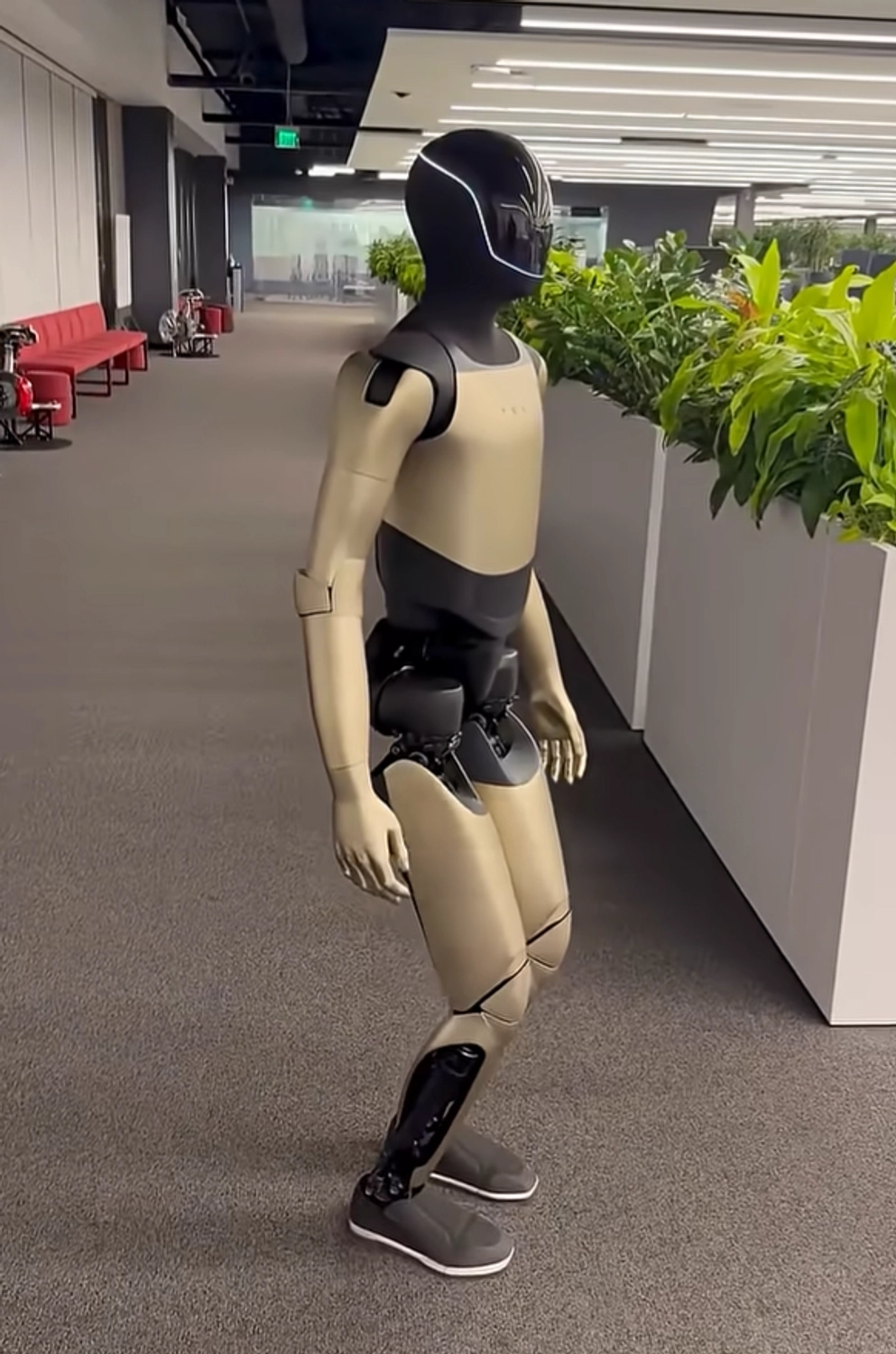
Reported capability set
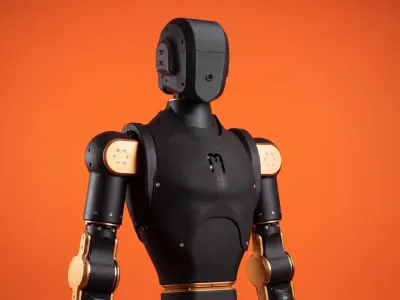
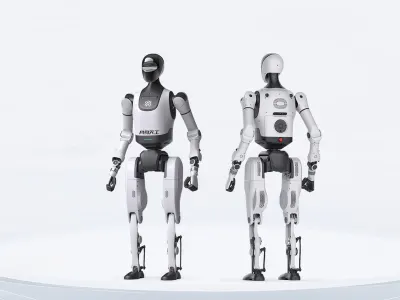
The reported design places Optimus at 173 cm tall, 50 cm wide, and 30 cm deep, with a weight of 57 kg, which is compact enough for human-centric aisles while still carrying a full humanoid frame. Tesla’s published and reported specs also point to 8x 8MP RGB cameras with 360-degree coverage, stereo vision, and force, temperature, IMU, and gyroscope sensing, all of which support safe movement and object handling. The robot is said to use Visual SLAM with neural-net-based navigation, run Tesla FSD Robot OS with Python APIs, and target tasks such as factory assembly, domestic chores, folding laundry, and people interaction.
Rivals Edge Check
| Robot | Key Advantage | Where Optimus Gen 3 Wins | Target Use |
|---|---|---|---|
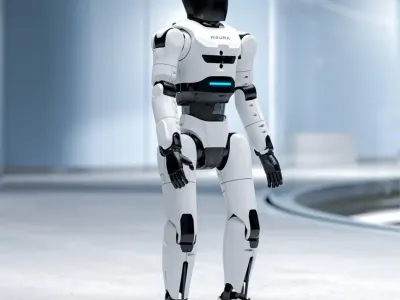
| 4NE-1 Mini | Compact humanoid form for close indoor work | Broader sensor stack and clearer factory-to-home task roadmap | Tight-space assistance |
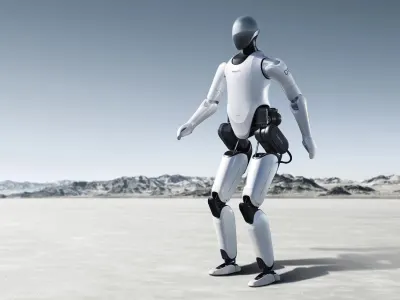
| Embodied Tien Kung 2.0 Plus | Heavy-duty humanoid mobility focus | Stronger emphasis on interaction safety and software ecosystem | Industrial service |
| T800 | Strong physical task orientation | More explicit collaborative and teleoperation-oriented positioning | Repetitive labor |
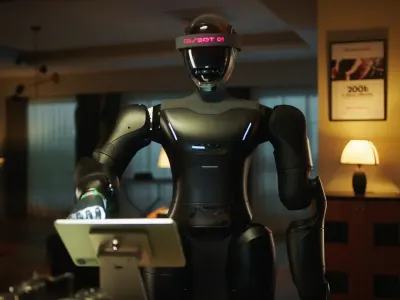
| CASBOT 01 | General-purpose humanoid positioning | More detailed perception and control architecture | Human-centric spaces |
Industry direction
For the humanoid industry, the bigger signal is that usefulness is starting to outrank spectacle. Companies are now trying to prove that a bipedal robot can be introduced into existing spaces, managed by humans when needed, and gradually expanded into more tasks without requiring a perfect autonomy breakthrough first. If that approach holds, the early winners may be the systems that make teleoperation reliable enough to scale, not the ones promising the most independence.
Explore Humanoids
Related Articles
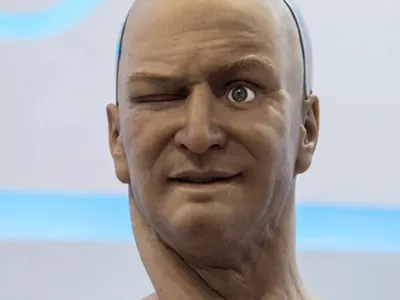
Hanson Robotics’ Han remains a study in expressive humanoid teleoperation and social interaction
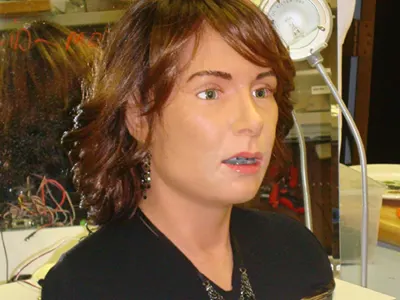
Hanson Robotics’ Eva remains a research humanoid built for interaction, not autonomy

Hanson Robotics’ Bina48 remains the company’s most unusual face-to-face AI experiment
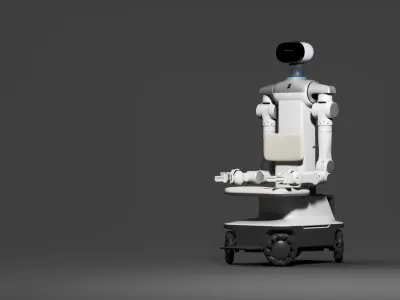
RobotGym’s Qijia Q1 pushes eldercare humanoids toward teleoperation-first service
Related Comparisons
Compare Optimus Gen 3 with similar robots
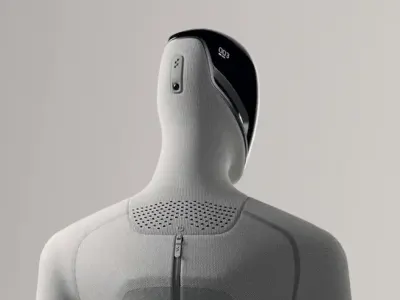
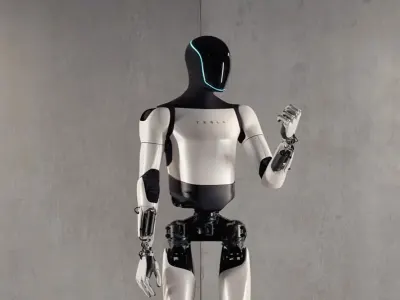
Figure 03 vs Optimus Gen 3
In-depth comparison of Figure 03 and Optimus Gen 3, covering hardware capabilities, teleoperation, and enterprise readiness.
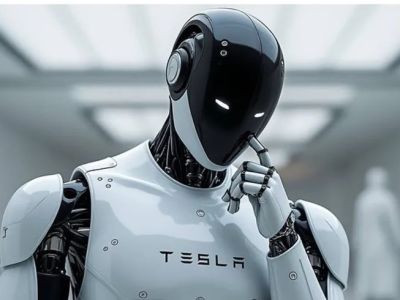
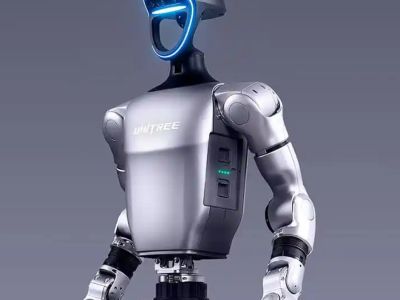
Optimus vs Unitree G1
Compare Optimus vs Unitree G1 for humanoid mobility, dexterity, autonomy, and payload capacity.
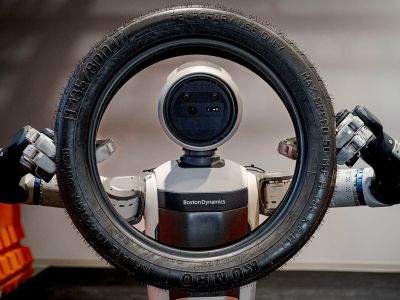
Optimus vs Atlas (Electric Atlas, 2025)
In-depth comparison of Optimus and Atlas (Electric Atlas, 2025), covering hardware capabilities, teleoperation, and enterprise readiness.
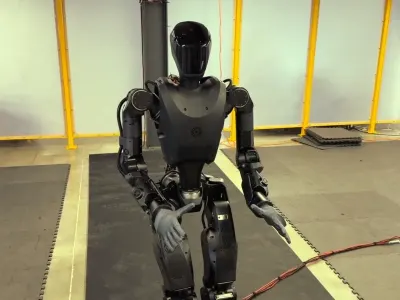
Optimus vs Phantom MK1
Optimus or Phantom MK1? See which humanoid robot performs better for manufacturing, logistics, defense, dexterity, autonomy, and payload in enterprise deployments.
Learn More About This Robot
Discover detailed specifications, reviews, and comparisons for Optimus Gen 3.
View Robot Details →