RobotGym’s Qijia Q1 pushes eldercare humanoids toward teleoperation-first service
Robot Details
Qijia Q1 • RobotGymPublished
May 25, 2026
Reading Time
3 min read
Author
Origin Of Bots Editorial Team
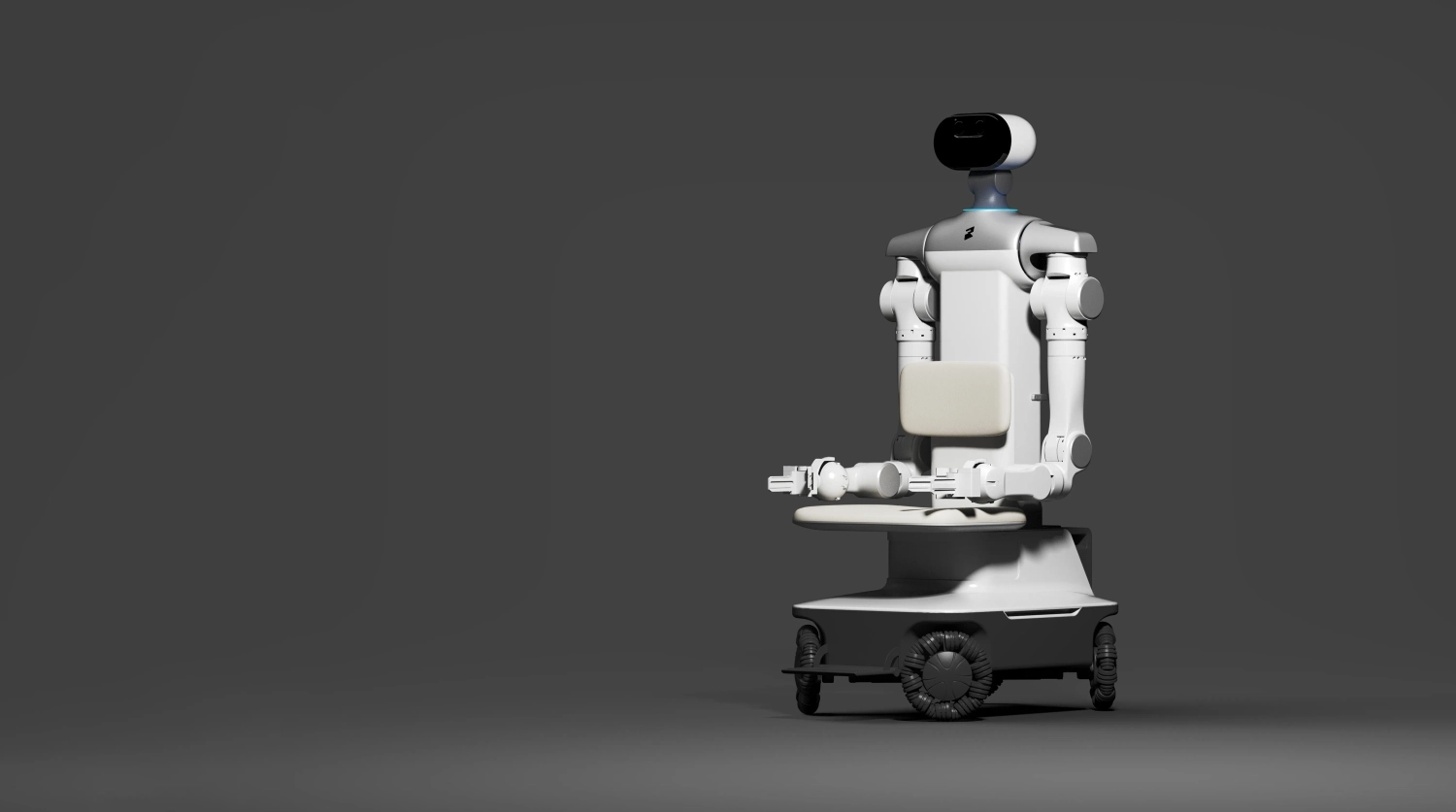
Eldercare, made mobile
Humanoid robots are being shaped around one of robotics’ hardest problems: operating safely in human spaces while coordinating full-body motion, balance, and manipulation. RobotGym, the Shanghai-based embodied AI company founded in 2023, recently said its Qijia Q1 eldercare robot has reached multiple iterations and pilot cooperation intentions with senior-care institutions, positioning the system as a home-oriented caregiving platform for assistance, companionship, and monitoring.
Why it stands out
What makes Qijia Q1 notable is not just that it is a humanoid, but that it is being framed around service continuity: it is designed to switch between operational and wheelchair modes, and to support repetitive care tasks with a mix of autonomy and remote operation. That matters in eldercare, where interaction naturalness, gentle force control, and real-time response often matter more than speed alone. It also reflects a broader humanoid trend toward teleoperation-first systems that can work in cluttered, emotionally sensitive environments before full autonomy arrives. Qijia Q1 is best read as a caregiving interface, not a standalone caregiver.
How it works
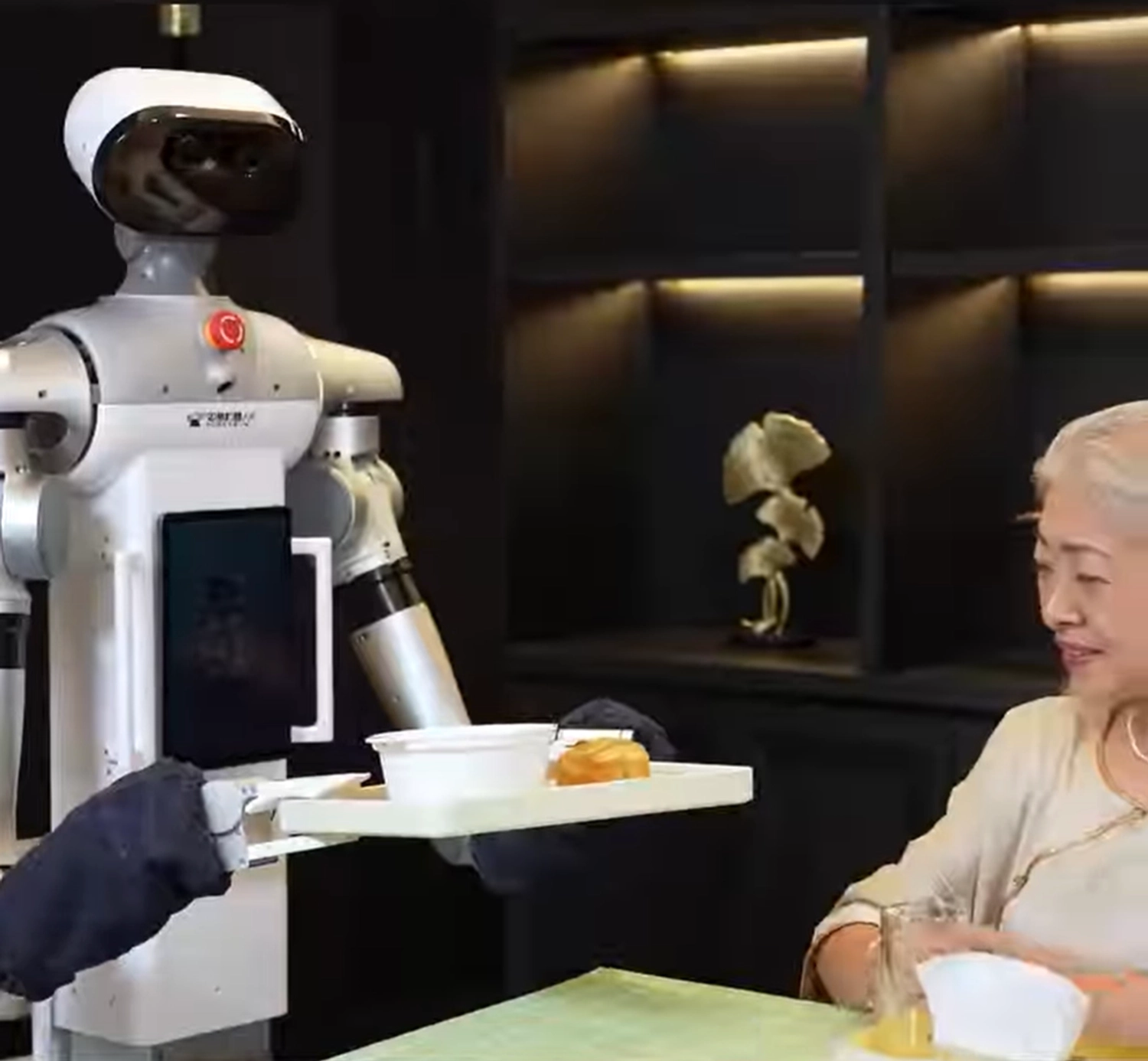
For a humanoid like Qijia Q1, the technical flow is straightforward in concept even if difficult in practice: human motion input or task intent goes into AI processing, and the system then converts that into joint actuation with balance correction. RobotGym says the robot uses multimodal recognition and remote-operation support, which suggests a loop where vision and force feedback help the machine adapt its movements in real time. In other words, the value is not a pre-scripted motion library, but a robot that can interpret a care task, move safely, and adjust when the environment changes.
Care at bedside
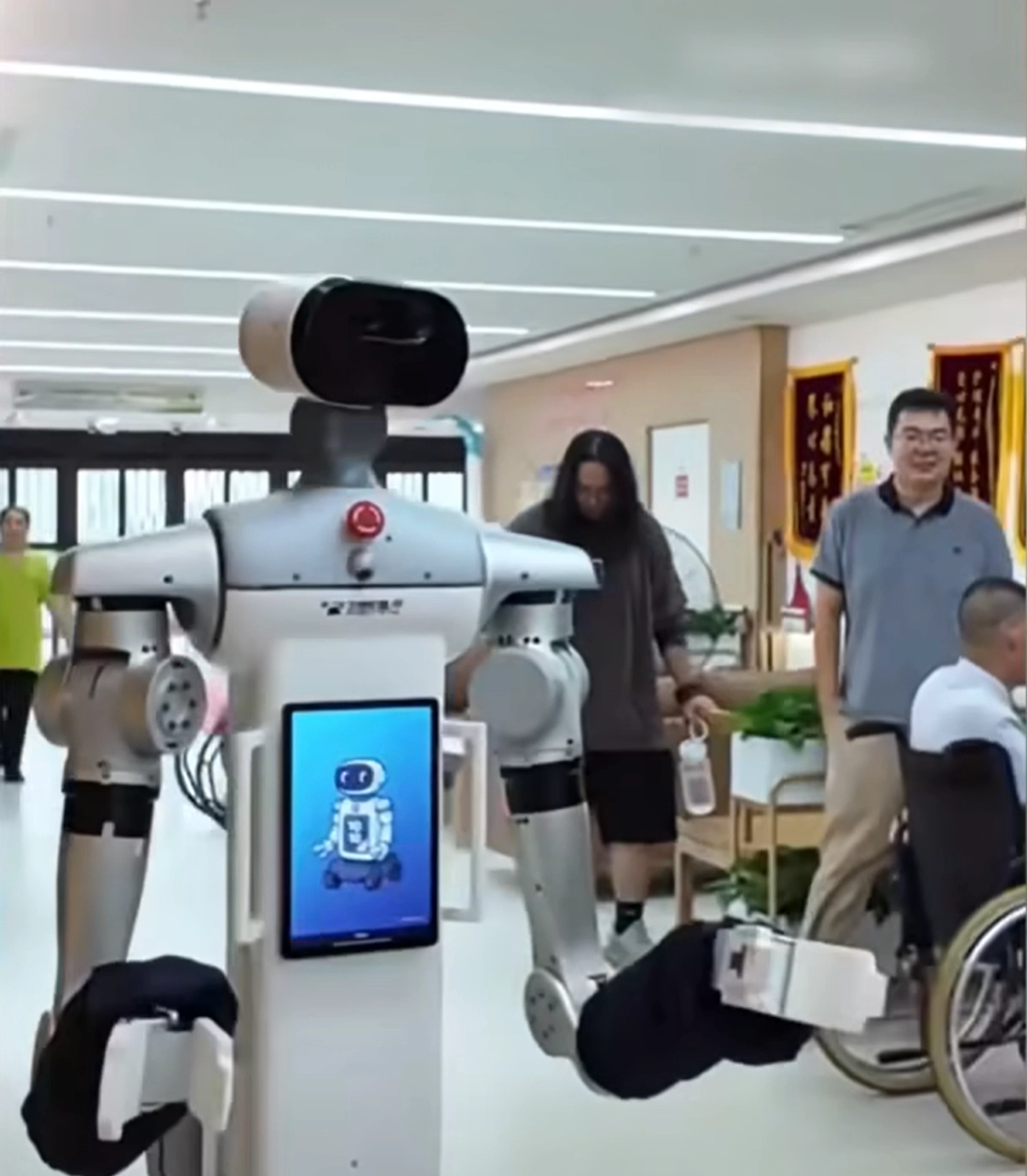
The most concrete deployment scenario is bedside and room-to-room assistance in home or institutional eldercare, where a robot must move close to people, respond to commands, and perform simple physical support tasks without startling the user. Qijia Q1 is described as handling feeding, turning, handing over water, and wheelchair mobility, which makes it relevant for the high-frequency routines that consume caregiver time. The practical test for this kind of humanoid is whether it can stay useful in cramped bedrooms and bathrooms, where humans do not move like factory environments and every correction has to be gentle.
Reported hardware clues
RobotGym describes Qijia Q1 as measuring 85 x 59 x 103-173 cm, weighing 50 kg, and moving at up to 1.5 m/s / 5.4 km/h. The company also points to RGB and stereo vision, force sensing, IMU, gyroscope input, and indoor SLAM, which together indicate a robot built to navigate visual clutter and maintain balance while interacting with people and objects. Reported safety features such as force limiting, collision detection via vision, and an emergency stop fit the use case, since caregiving robots need to reduce risk before they can gain trust.
Rivals Edge Check
| Robot | Key Advantage | Where Qijia Q1 Wins | Target Use |
|---|---|---|---|
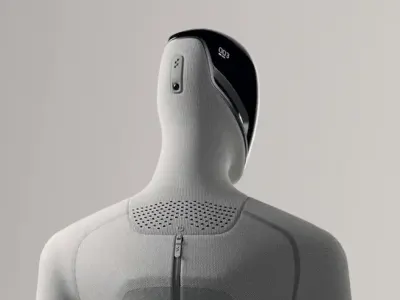
| ALICE 3 | Stronger emphasis on general-purpose humanoid mobility and interaction | More focused eldercare workflows and wheelchair-style assistance | Service robotics in human-centered spaces |
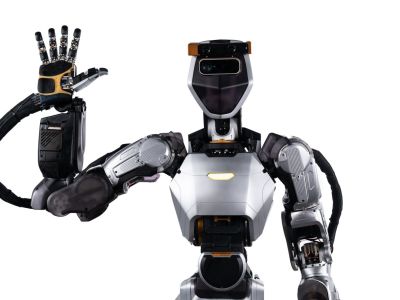
| Figure 03 | Advanced general humanoid task execution and dexterity focus | More explicit caregiving scenarios and teleoperation support | General labor and service tasks |
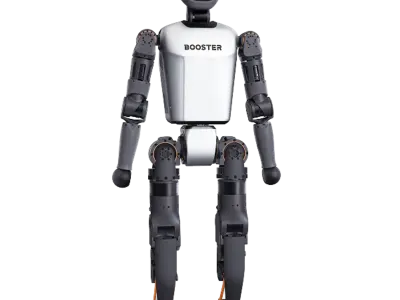
| Walker II (02) | Mature humanoid balance and walking platform | Better alignment with bedside care and assisted living use cases | Research and service robotics |
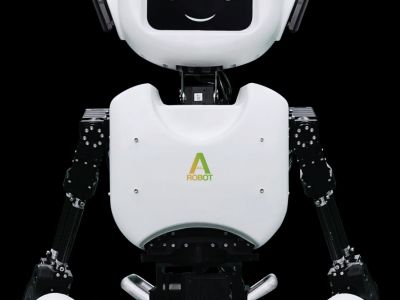
| T1 Basic Humanoid | Broad humanoid development baseline | More specific eldercare positioning and home-care narrative | Entry-level humanoid deployment |
Market direction shifts
For the humanoid market, Qijia Q1 also highlights a practical sequencing strategy: solve service reliability in one high-value environment first, then expand capability over time. Eldercare is a strong proving ground because it demands safe proximity, emotional sensitivity, and frequent low-force manipulation, all of which expose weaknesses in balance control and perception quickly. If that model works, the broader sector may see more robots sold as supervised care systems rather than as autonomous all-purpose machines.
Explore Humanoids

Related Articles

Hanson Robotics’ Grace remains a landmark humanoid nursing robot as healthcare adoption stays uneven

Hanson Robotics’ Han remains a study in expressive humanoid teleoperation and social interaction

Hanson Robotics’ Eva remains a research humanoid built for interaction, not autonomy

Hanson Robotics’ Bina48 remains the company’s most unusual face-to-face AI experiment
Related Comparisons
Compare Qijia Q1 with similar robots

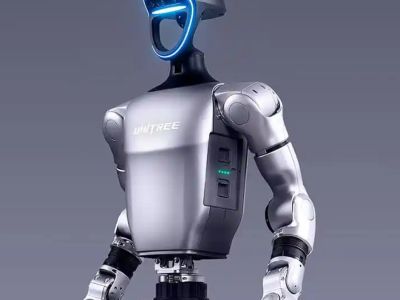
Optimus vs Unitree G1
Compare Optimus vs Unitree G1 for humanoid mobility, dexterity, autonomy, and payload capacity.
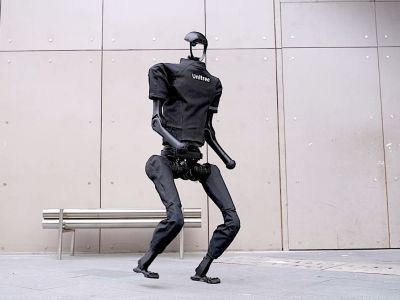
Unitree G1 vs Unitree H1
Head-to-head: Unitree G1 vs Unitree H1 compared on bipedal balance, AI learning, and real-world deployment.
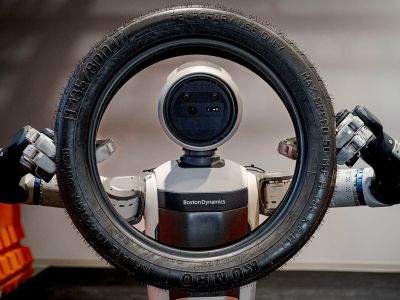
Optimus vs Atlas (Electric Atlas, 2025)
In-depth comparison of Optimus and Atlas (Electric Atlas, 2025), covering hardware capabilities, teleoperation, and enterprise readiness.
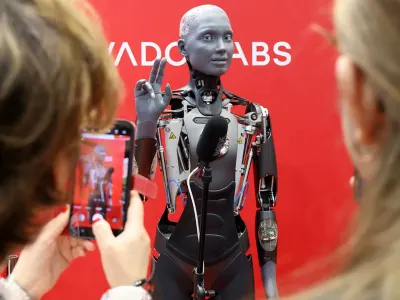

Ameca vs Moya
Which humanoid robot is better? Ameca vs Moya compared for dexterity, AI capabilities, and price.
Learn More About This Robot
Discover detailed specifications, reviews, and comparisons for Qijia Q1.
View Robot Details →