Hanson Robotics’ Grace remains a landmark humanoid nursing robot as healthcare adoption stays uneven
Robot Details
Grace • Hanson RoboticsPublished
May 17, 2026
Reading Time
3 min read
Author
Origin Of Bots Editorial Team
From demo to deployment
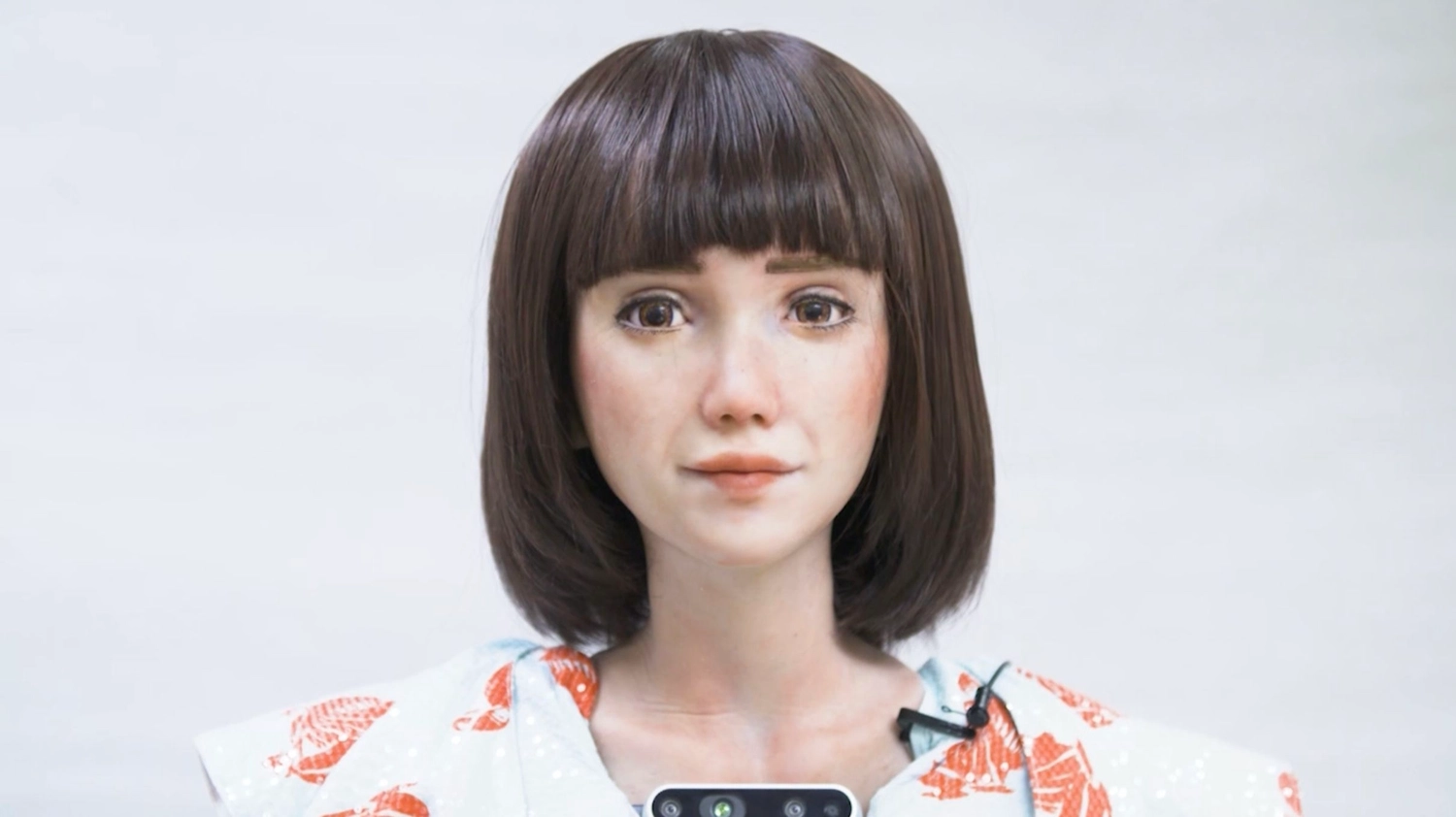
Humanoid robots are still wrestling with the hardest robotics problems: stable full-body motion, safe interaction, and useful work in human spaces. Hanson Robotics’ Grace, developed with SingularityNET through the Awakening Health joint venture, was demonstrated as a healthcare-focused humanoid designed to support older adults, patients, and frontline staff with conversation, monitoring, and social stimulation.
Why Grace stood out
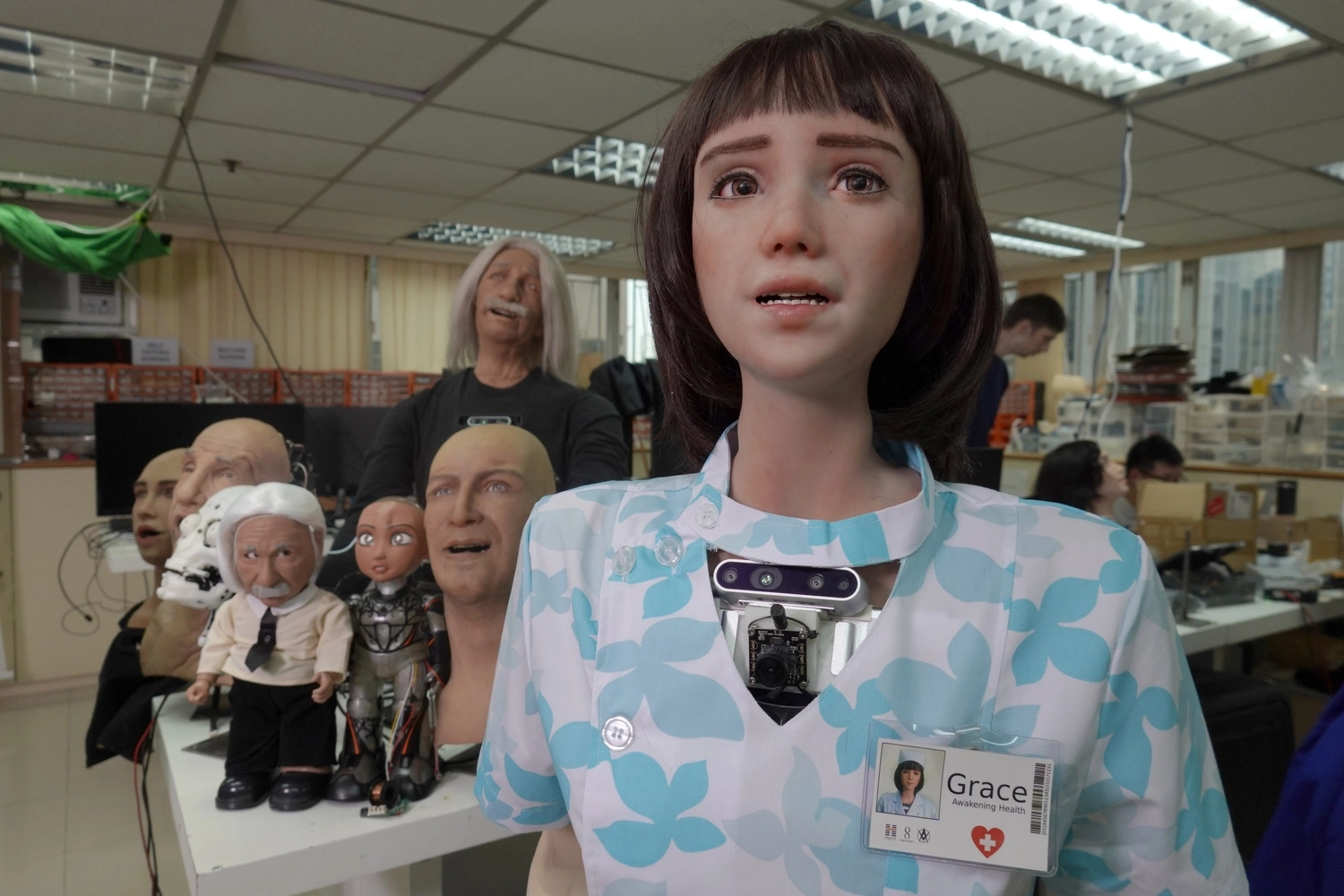
Grace matters because it was positioned not as a factory machine, but as a socially oriented humanoid built for trust, face-to-face interaction, and bedside-style engagement. Its design combined a humanlike face, multilingual conversation, thermal sensing, and healthcare-oriented dialogue, which made the robot more suitable for assisted service than a screen-based assistant. That mix also highlighted a broader robotics shift: humanoids are being judged less by novelty and more by whether they can create natural, low-friction interactions in care settings. Grace is a test of whether humanoid form can lower the social barrier to robotic assistance.
How it works
Input comes from the person in front of Grace, plus sensor data from its cameras, thermal camera, and motion sensors. Processing is handled by the robot’s AI software, which is designed to interpret speech, context, and basic health cues before coordinating movement and responses. Output is the humanoid’s physical reply: conversation, guided interaction, facial expression, and limited movement for service tasks or bedside engagement.
Bedside support focus
The clearest deployment scenario for Grace is social and monitoring support in eldercare or hospital rooms, where staff time is limited and patients may be isolated. In that setting, the robot’s value is not replacing clinicians, but helping with conversation, temperature screening, and routine engagement that can be repeated consistently. That makes Grace most relevant in environments where a human-like presence may encourage cooperation and reduce the burden of repetitive face-to-face check-ins.
Reported build profile
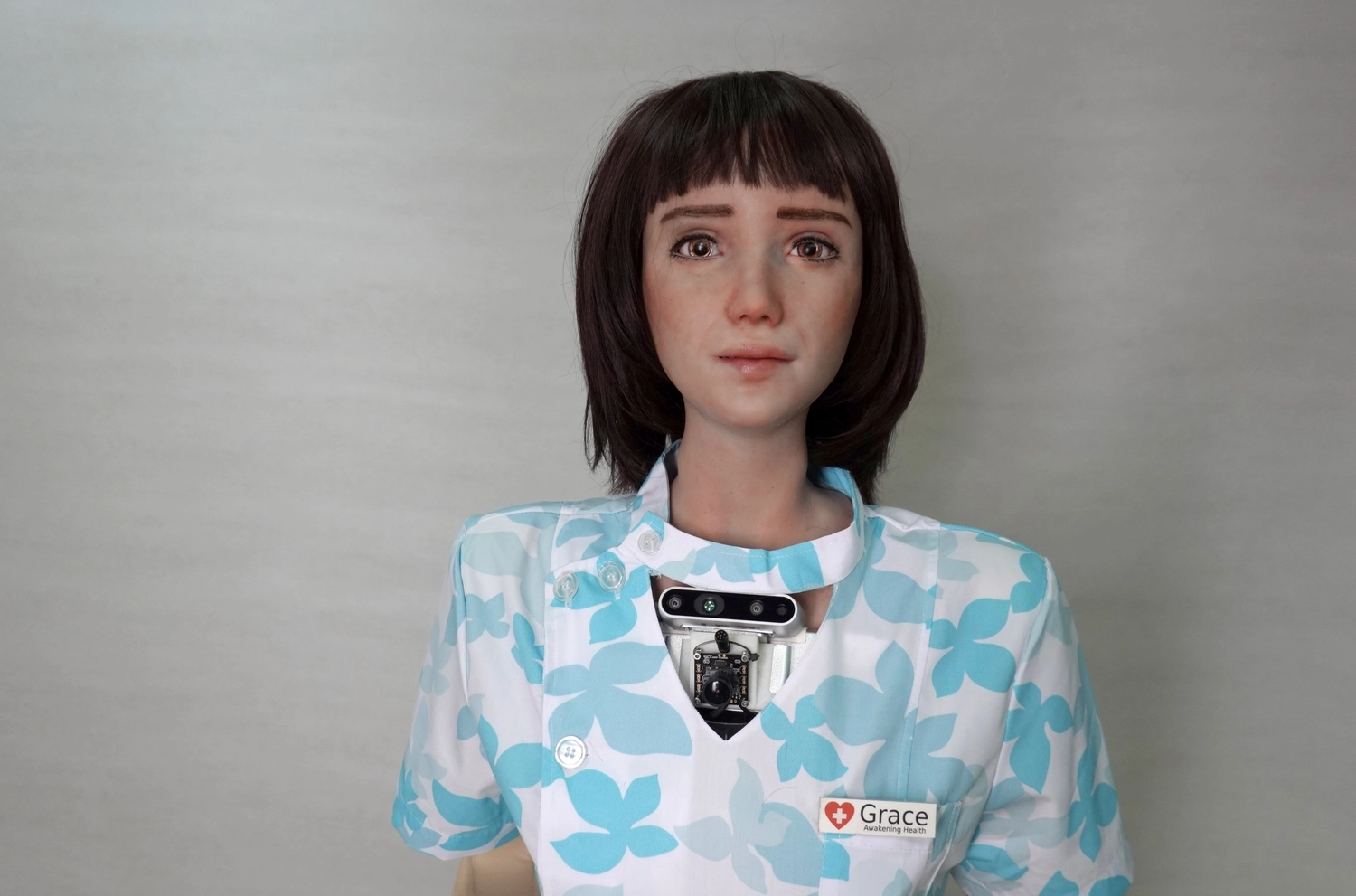
Grace is reported to measure 165 x 50 x 40 cm and weigh about 30 kg, a size that keeps it human-scaled enough for close-contact settings. The robot is also described with a chest-mounted thermal camera, RGB eye cameras, IMU, gyroscope, and force sensors, features that support awareness, balance, and safer interaction in tight indoor spaces. Its software stack is said to include a proprietary operating system with ROS compatibility and Python APIs, which points to a system intended for integration and controlled customization rather than general-purpose autonomy.
Rivals Edge Check
| Robot | Key Advantage | Where Grace Wins | Target Use |
|---|---|---|---|
| Robo-C2 | Emphasis on compact humanoid operation and task repetition | More explicitly tuned for social interaction, eldercare, and patient-facing engagement | Assisted service and care support |
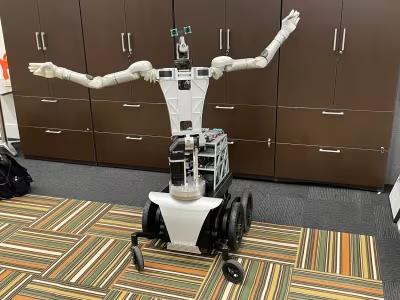
| AIREC | Broader research focus on human-like interaction and embodied AI | Grace is more clearly packaged for healthcare use and bedside communication | Human-robot interaction research |
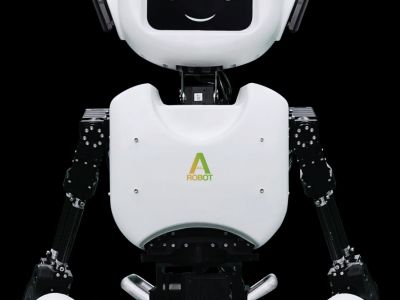
| MH1 | Likely optimized for humanoid movement and service scenarios | Grace has a clearer healthcare narrative and sensor set for monitoring | Service and care assistance |
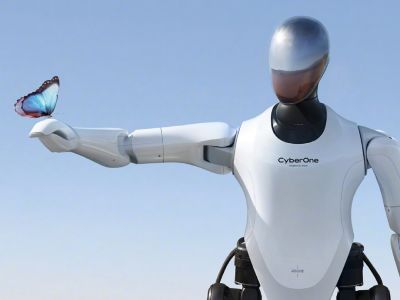
| CyberOne | Strong branding around expressive humanoid behavior | Grace is centered on practical nursing-assistant use rather than general showcase demos | Patient support and social interaction |
What the market signals
Grace also reflects a wider industry change: humanoid robotics is moving from scripted demo motion toward teleoperation-first and task-specific systems that can work around current autonomy limits. That is important because healthcare places a premium on safety, predictability, and communication, all of which are harder to deliver than a staged walking demonstration. For now, Grace is best read as a sign that the humanoid market is looking for practical service roles before fully autonomous general-purpose robots arrive.
Explore Humanoids

Sources
Related Articles
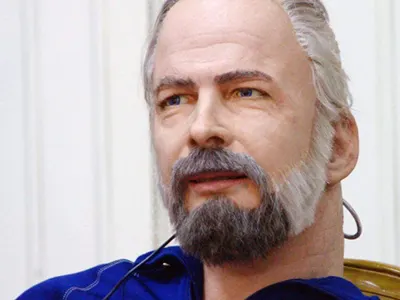
Hanson Robotics’ Philip K. Dick Android shows how teleoperated humanoids can turn author likeness into a conversational machine
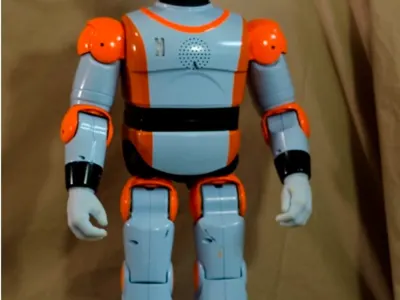
Hanson Robotics’ Zeno returns as a social humanoid built for interaction, therapy studies and classroom use

Hanson Robotics’ Professor Einstein shows how desktop humanoids are being packaged for education and interaction
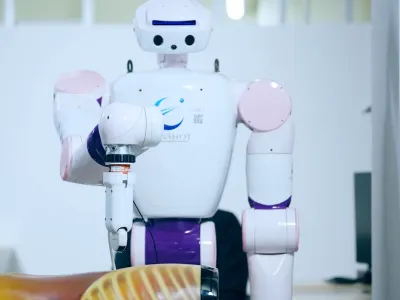
Waseda’s AIREC pushes humanoid care robots toward teleoperation-first nursing tasks
Related Comparisons
Compare Grace with similar robots
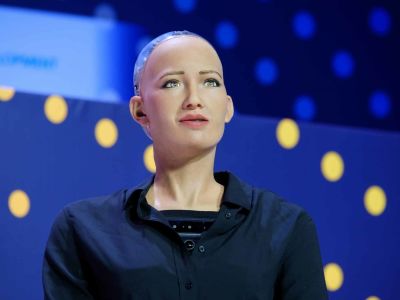

Sophia vs Aria - Robot Girlfriend
Head-to-head: Sophia vs Aria - Robot Girlfriend compared on bipedal balance, AI learning, and real-world deployment.

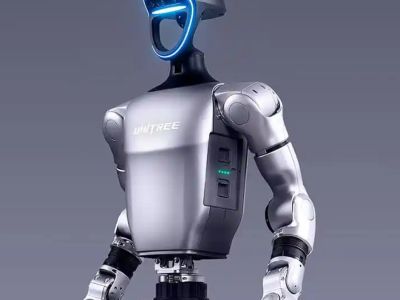
Optimus vs Unitree G1
Compare Optimus vs Unitree G1 for humanoid mobility, dexterity, autonomy, and payload capacity.
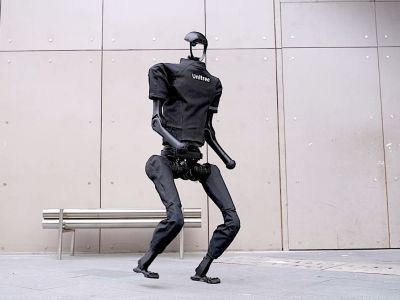
Unitree G1 vs Unitree H1
Head-to-head: Unitree G1 vs Unitree H1 compared on bipedal balance, AI learning, and real-world deployment.
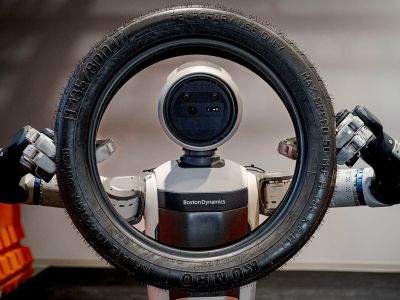
Optimus vs Atlas (Electric Atlas, 2025)
In-depth comparison of Optimus and Atlas (Electric Atlas, 2025), covering hardware capabilities, teleoperation, and enterprise readiness.
Learn More About This Robot
Discover detailed specifications, reviews, and comparisons for Grace.
View Robot Details →