Hanson Robotics’ Professor Einstein shows how desktop humanoids are being packaged for education and interaction
Robot Details
Professor Einstein • Hanson RoboticsPublished
May 17, 2026
Reading Time
3 min read
Author
Origin Of Bots Editorial Team
A Learning Bot
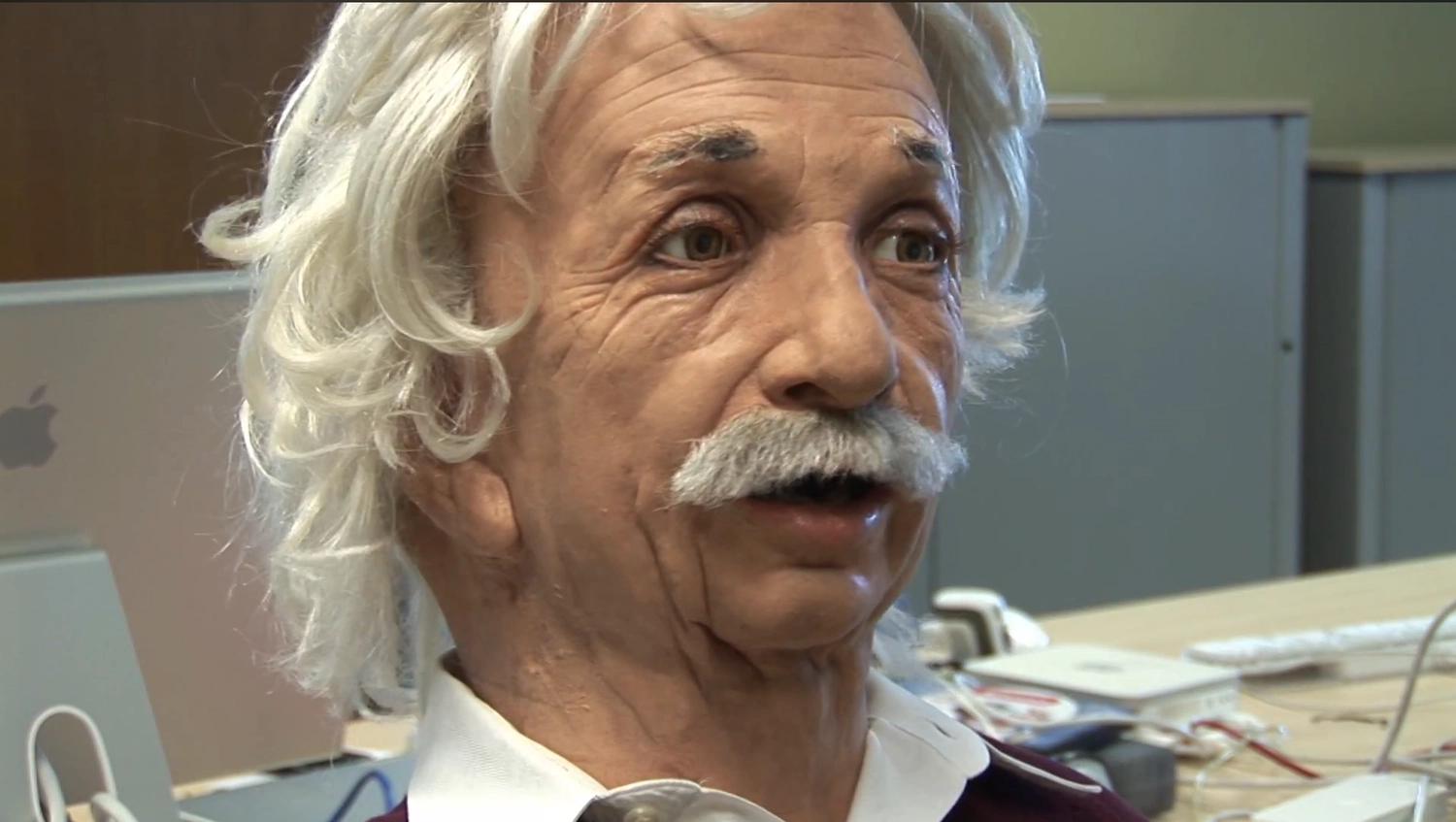
Professor Einstein, built by Hanson Robotics, was presented as a compact humanoid designed to talk, gesture, and support science learning through interactive games and app-linked conversations. The robot sits within a broader push to make humanoids useful in everyday human-centered settings, and its debut framed a familiar challenge for the field: how to turn expressive robots into practical learning companions rather than display pieces.
Why It Matters
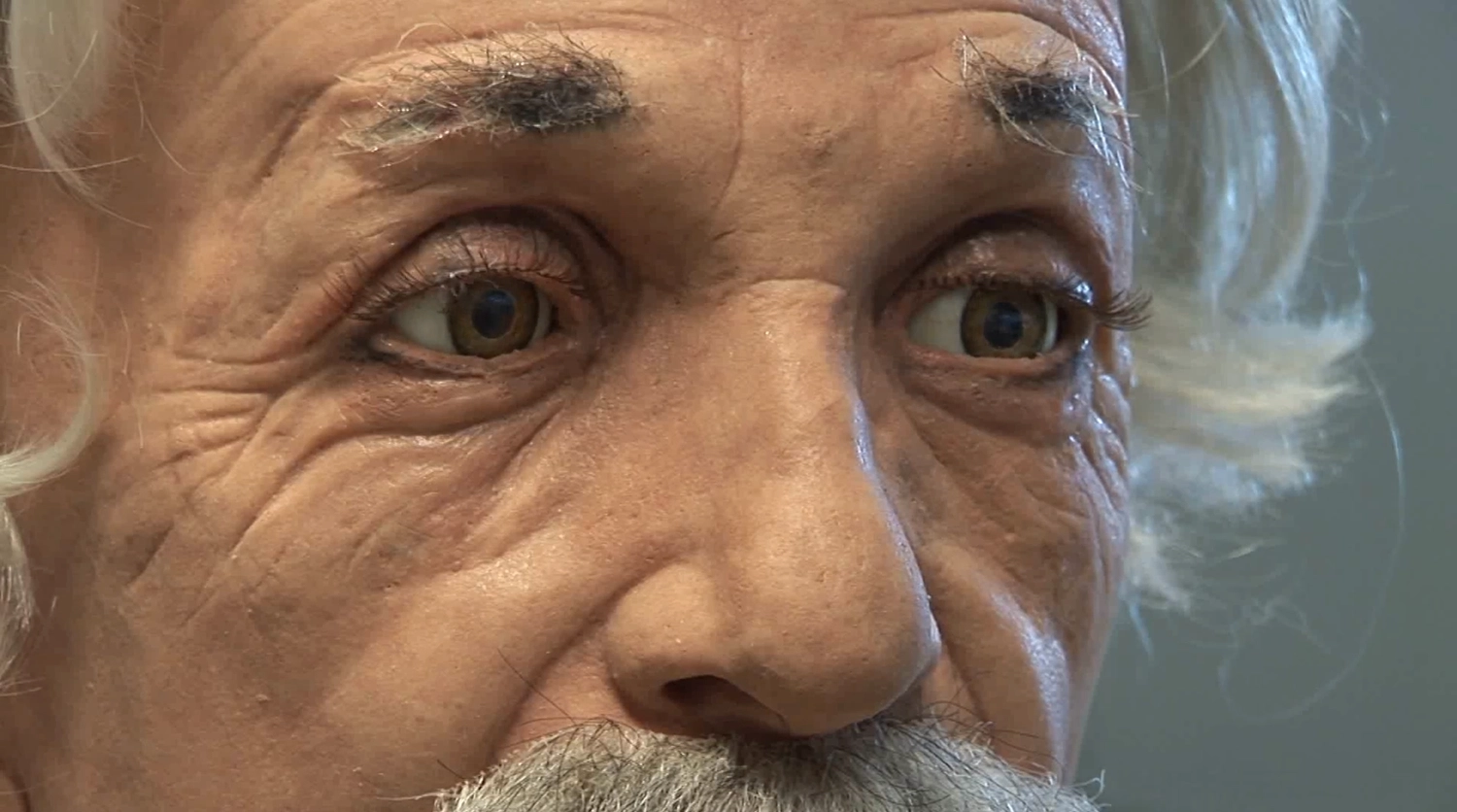
What made Professor Einstein notable was not raw autonomy, but the way Hanson Robotics packaged interaction around a recognizable human figure, voice recognition, and educational content. Reported features such as facial expressiveness, cloud-connected answers, and tablet-based lessons were aimed at making the robot feel approachable for children while keeping the experience structured and task-focused. That matters because the humanoid market is still searching for products that can sustain engagement without demanding advanced robotics expertise from the user. Professor Einstein’s real innovation is turning humanoid presence into an education product, not a lab demo.
How It Works
The system flow is straightforward for a humanoid of this kind: human speech or motion input goes into onboard sensors and the companion app, the software interprets the request through cloud AI and proprietary mobile integration, and the robot responds through facial movement, voice, and body gestures. In practical terms, that means the experience depends less on navigation and more on responsive interaction, which fits its role as a desktop companion rather than a roaming machine. For a user, the result is a robot that can answer questions, play games, and react in ways that reinforce conversation.
Classroom Use
The most concrete deployment scenario is science education at home or in a classroom, where the robot can anchor short lessons, quizzes, and brain teasers around a child’s attention span. Hanson Robotics positioned it as a personal genius for kids, which suggests a workflow built around guided prompts rather than open-ended autonomy. That kind of use case is important because it asks humanoids to serve as engagement tools first, and general-purpose helpers second.
Compact Interaction
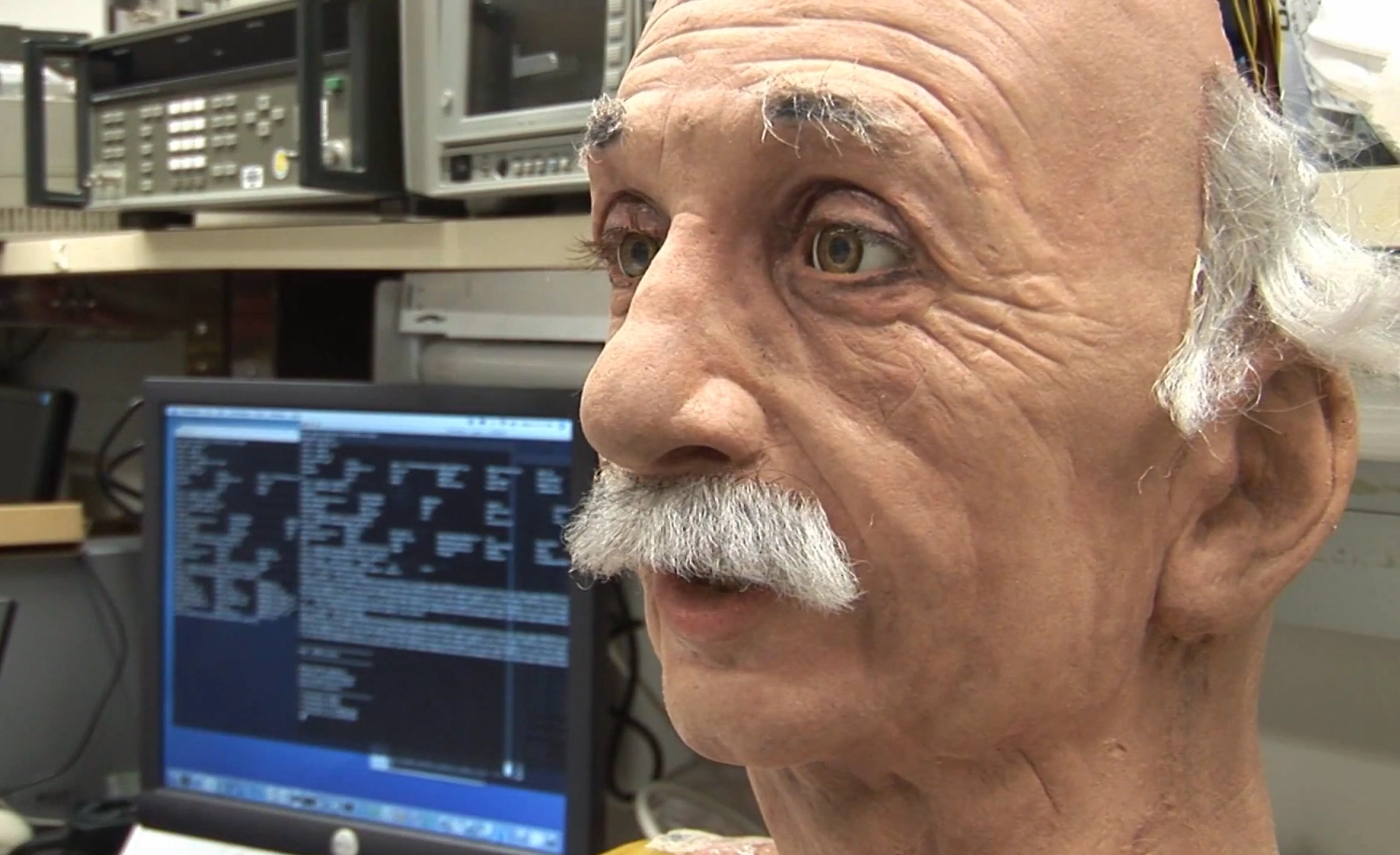
Reported specifications point to a small humanoid form factor around 35 x 20 x 15 cm, which is closer to a shelf-top learning device than a full-size robot. A weight of about 1.5 kg and a wheeled shuffling style would help keep it portable, while microphone, RGB camera, and IMU sensing support basic interaction and body awareness. The stated 3 to 5 year battery-life range and app-driven software stack indicate a product designed for repeated household use rather than heavy-duty mobility.
Rivals Edge Check
| Robot | Key Advantage | Where Professor Einstein Wins | Target Use |
|---|---|---|---|
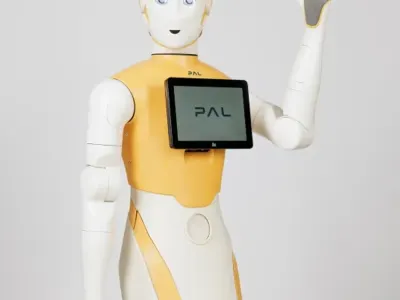
| ARI | Social interaction and service-oriented design | Smaller, more explicitly educational, and easier to frame as a learning companion | Assisted service and education |
| MH2 | Full-body humanoid research platform | More approachable consumer packaging and app-linked interaction for children | Research and human interaction |
| TITAN | Industrial-scale humanoid ambition | Lower complexity and a clearer role in structured learning environments | Service and inspection |
| Sophia | Public-facing expressive humanoid identity | More task-focused for science learning and child-friendly interaction | Social engagement and education |
Market Direction
Professor Einstein also reflects an industry pattern that remains easy to miss in larger humanoid headlines: many early products are being designed around teleoperation-adjacent or interaction-first behavior, not fully independent decision-making. For the category, that means the commercial test is shifting toward whether a robot can reliably hold attention, guide a lesson, or support a remote human-led experience in a controlled setting. In that sense, Hanson Robotics’ desktop humanoid points to a market where usefulness is measured by repeatable human engagement, not just mechanical ambition.
Explore Humanoids
Sources
Related Articles
Booster Robotics Launches T1 Gripper Humanoid for Research Manipulation
Booster T1 Dexterous Humanoid Wins RoboCup 2025, Signals Shift Toward Research-Grade Teleoperation Platforms
Hanson Robotics’ Philip K. Dick Android shows how teleoperated humanoids can turn author likeness into a conversational machine
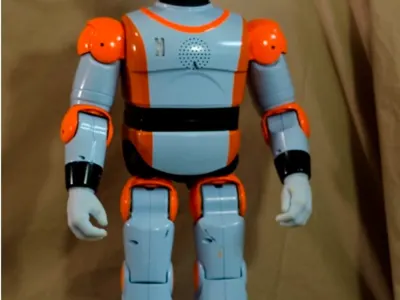
Hanson Robotics’ Zeno returns as a social humanoid built for interaction, therapy studies and classroom use
Related Comparisons
Compare Professor Einstein with similar robots
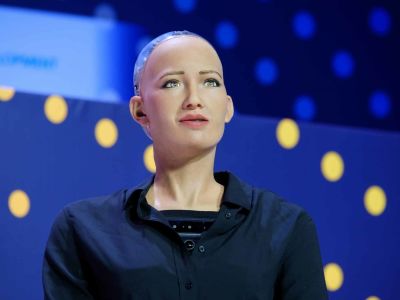

Sophia vs Aria - Robot Girlfriend
Head-to-head: Sophia vs Aria - Robot Girlfriend compared on bipedal balance, AI learning, and real-world deployment.
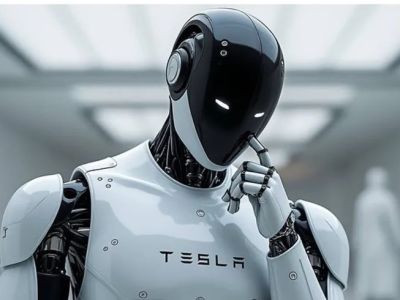
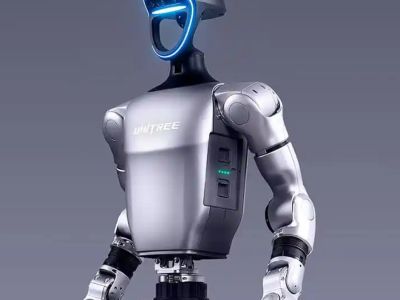
Optimus vs Unitree G1
Compare Optimus vs Unitree G1 for humanoid mobility, dexterity, autonomy, and payload capacity.
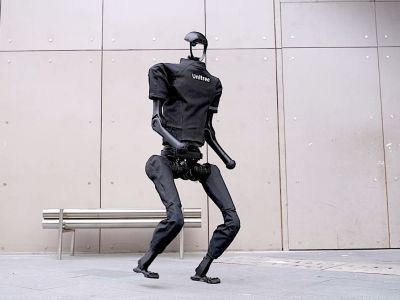
Unitree G1 vs Unitree H1
Head-to-head: Unitree G1 vs Unitree H1 compared on bipedal balance, AI learning, and real-world deployment.
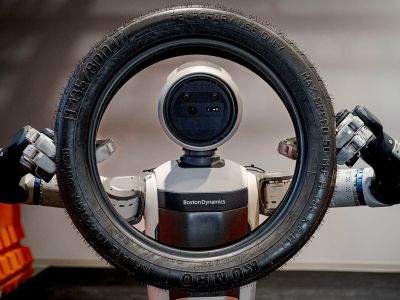
Optimus vs Atlas (Electric Atlas, 2025)
In-depth comparison of Optimus and Atlas (Electric Atlas, 2025), covering hardware capabilities, teleoperation, and enterprise readiness.
Learn More About This Robot
Discover detailed specifications, reviews, and comparisons for Professor Einstein.
View Robot Details →