Hanson Robotics’ Zeno returns as a social humanoid built for interaction, therapy studies and classroom use
Robot Details
Zeno • Hanson RoboticsPublished
May 17, 2026
Reading Time
3 min read
Author
Origin Of Bots Editorial Team
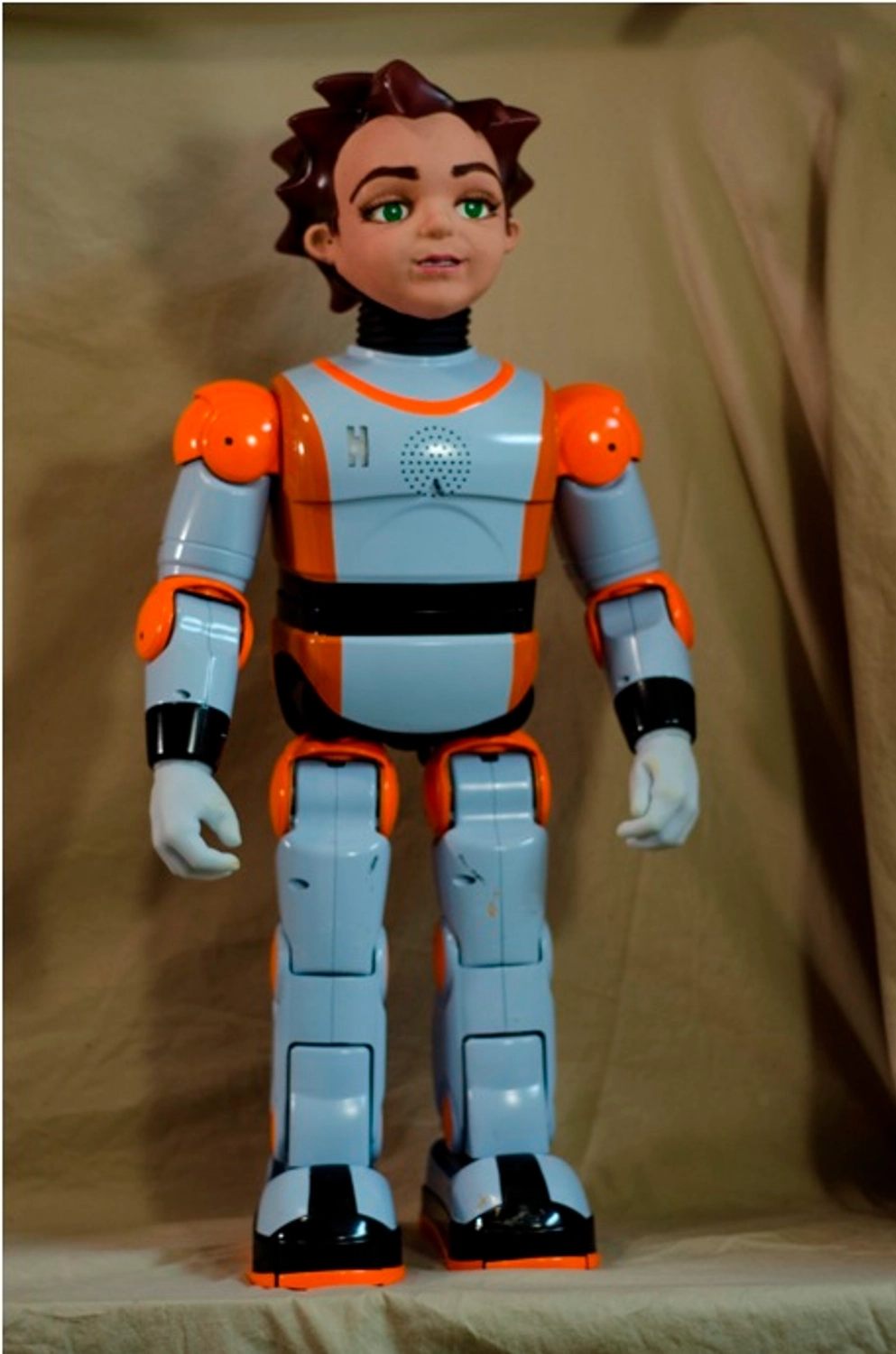
A familiar humanoid
Zeno, the humanoid robot from Hanson Robotics, is being presented as a compact social machine designed to interact naturally with people, with demonstrations and product materials highlighting conversational behavior, facial expression, and human-robot interaction. The robot has long been associated with autism research and educational use, and recent descriptions emphasize its role as a platform for social interaction studies rather than a general-purpose household assistant.
Why it stands out
What sets Zeno apart is not raw strength or speed, but the way it combines expressive facial motion, stereo vision, multi-microphone audio capture, and programmable behavior in a body small enough for close human environments. That makes it relevant to researchers who care about how people respond to humanoid presence, not just whether a robot can move from point A to point B. Its value is in the interaction layer: eye contact, speech, and motion cues that are closer to social signaling than industrial automation. Zeno is a testbed for making humanoids readable to people.
How it works
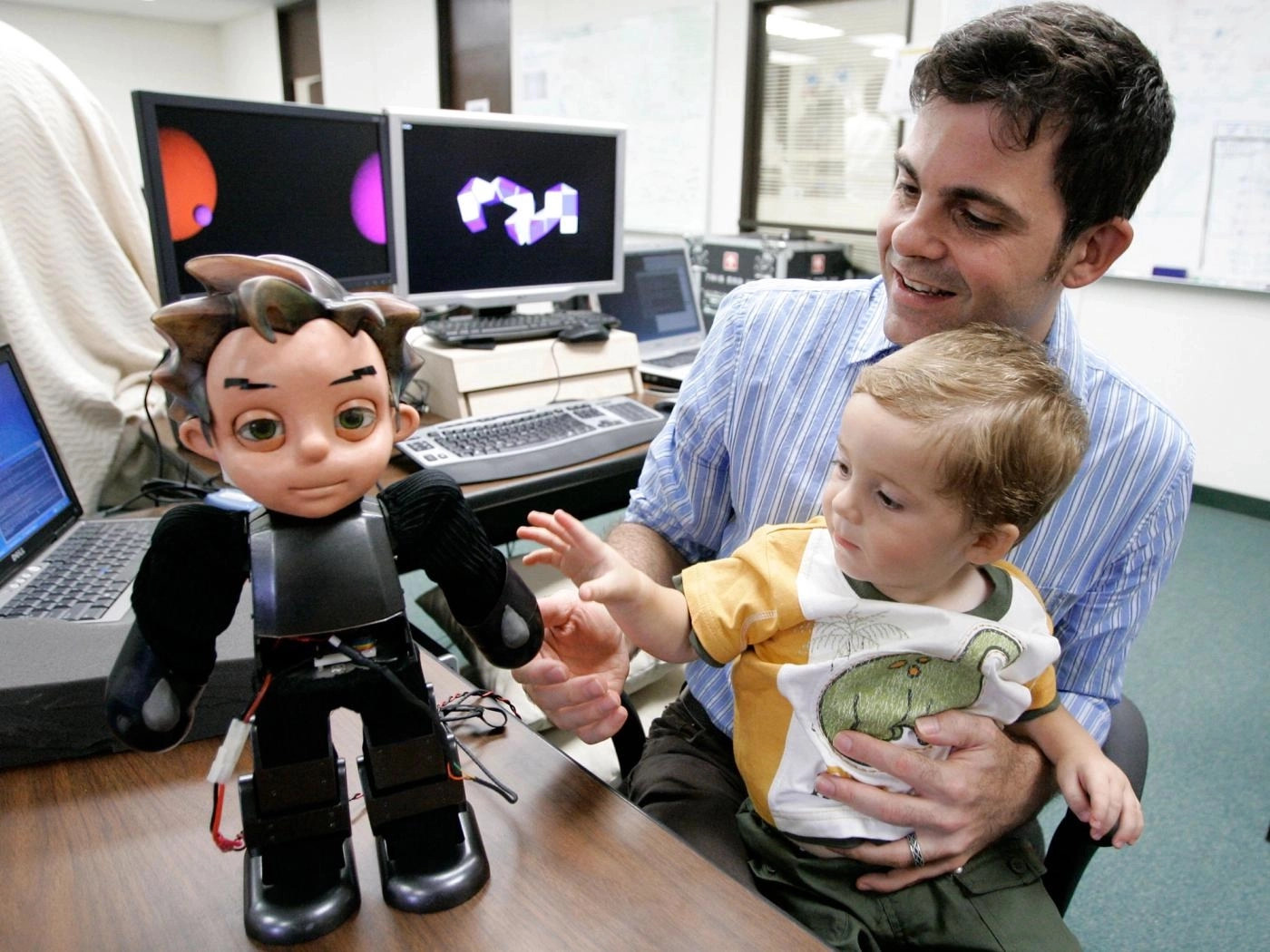
The basic system flow is human motion or speech input, then onboard processing through Hanson’s software stack, then output through coordinated facial movement, legged motion, and voice-based responses. In practice, that means cameras and microphones help the robot interpret a person nearby, the software organizes the interaction, and the actuators and facial mechanisms deliver the visible response. The result is a humanoid that is meant to respond socially as much as mechanically.
Classroom and clinic
The most realistic deployment scenario for Zeno is a supervised therapy or classroom setting, where the robot can be used to support social interaction studies and structured learning exercises. In that environment, the robot’s small size, expressive face, and programmable behaviors matter more than autonomy, because an instructor or therapist can guide the session while the robot provides a consistent social cue. That makes Zeno better suited to controlled human-centric spaces than to open-world deployment.

Capabilities in context
Reported specifications place Zeno at roughly 56 x 30 x 25 cm, giving it a compact footprint for tabletop or floor-level interaction, while its small weight and slow walking pace suggest it is built for safe proximity rather than fast movement. The sensor package is described as including binocular 720p stereo cameras, eight microphones, a speedometer, a compass and an IMU, which together support face-aware interaction and navigation in structured environments. Software support for RoboWorkshop, Java and C++ suggests the platform is intended for custom behavior development rather than fixed demo scripts.
Rivals Edge Check
| Robot | Key Advantage | Where Zeno Wins | Target Use |
|---|---|---|---|
| NAO | Broad adoption in education and research | More lifelike facial expression and social presence | Human-robot interaction and therapy studies |
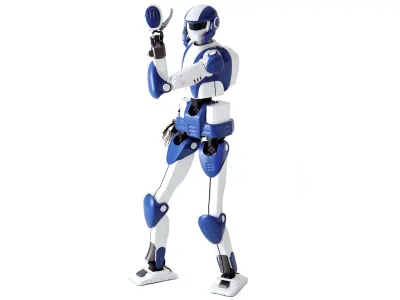
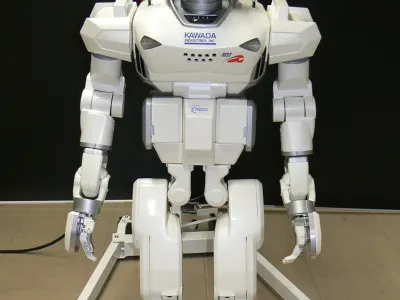
| HRP-3 | Advanced whole-body humanoid research | Smaller, friendlier interaction format | Social robotics research |
| HRP-4 | Improved humanoid mobility research | Stronger focus on expressive engagement | Human-centered laboratory work |
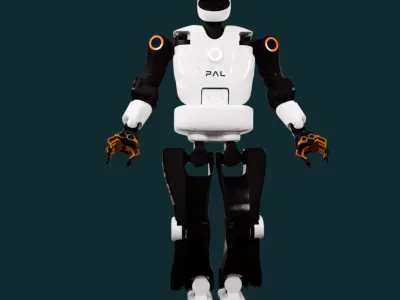
| Talos | Full-size torque-heavy manipulation platform | Lower complexity for close-range social interaction | Advanced robotics research and manipulation |
What it signals
Zeno points to a broader industry shift in humanoids: the market is no longer only chasing robots that can walk, but robots that can be understood by people in real rooms. That favors teleoperation-friendly and interaction-first designs, especially in therapy, education, and supervised service contexts where consistency and social cues matter. For Hanson Robotics, the strategic message is clear: the next phase of humanoids may be judged as much by how naturally they fit into human routines as by how well they move.
Explore Humanoids


Related Articles
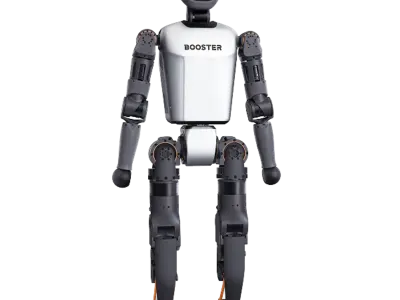
Booster Robotics Unveils T1 Basic Humanoid for Research and Development
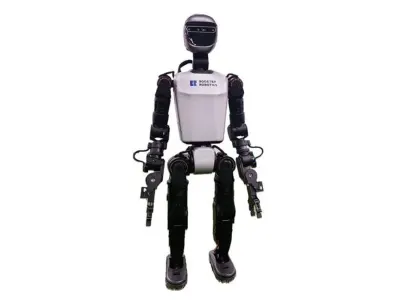
Booster Robotics Launches T1 Gripper Humanoid for Research Manipulation
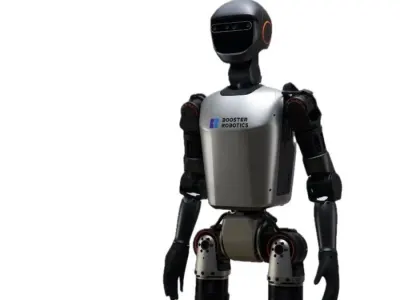
Booster T1 Dexterous Humanoid Wins RoboCup 2025, Signals Shift Toward Research-Grade Teleoperation Platforms

Hanson Robotics’ Philip K. Dick Android shows how teleoperated humanoids can turn author likeness into a conversational machine
Related Comparisons
Compare Zeno with similar robots


Sophia vs Aria - Robot Girlfriend
Head-to-head: Sophia vs Aria - Robot Girlfriend compared on bipedal balance, AI learning, and real-world deployment.

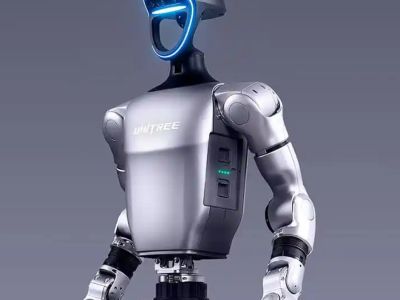
Optimus vs Unitree G1
Compare Optimus vs Unitree G1 for humanoid mobility, dexterity, autonomy, and payload capacity.

Unitree G1 vs Unitree H1
Head-to-head: Unitree G1 vs Unitree H1 compared on bipedal balance, AI learning, and real-world deployment.
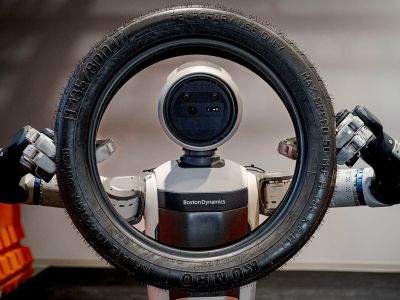
Optimus vs Atlas (Electric Atlas, 2025)
In-depth comparison of Optimus and Atlas (Electric Atlas, 2025), covering hardware capabilities, teleoperation, and enterprise readiness.
Learn More About This Robot
Discover detailed specifications, reviews, and comparisons for Zeno.
View Robot Details →