Hanson Robotics’ Philip K. Dick Android shows how teleoperated humanoids can turn author likeness into a conversational machine
Robot Details
Philip K. Dick Android • Hanson RoboticsPublished
May 17, 2026
Reading Time
3 min read
Author
Origin Of Bots Editorial Team
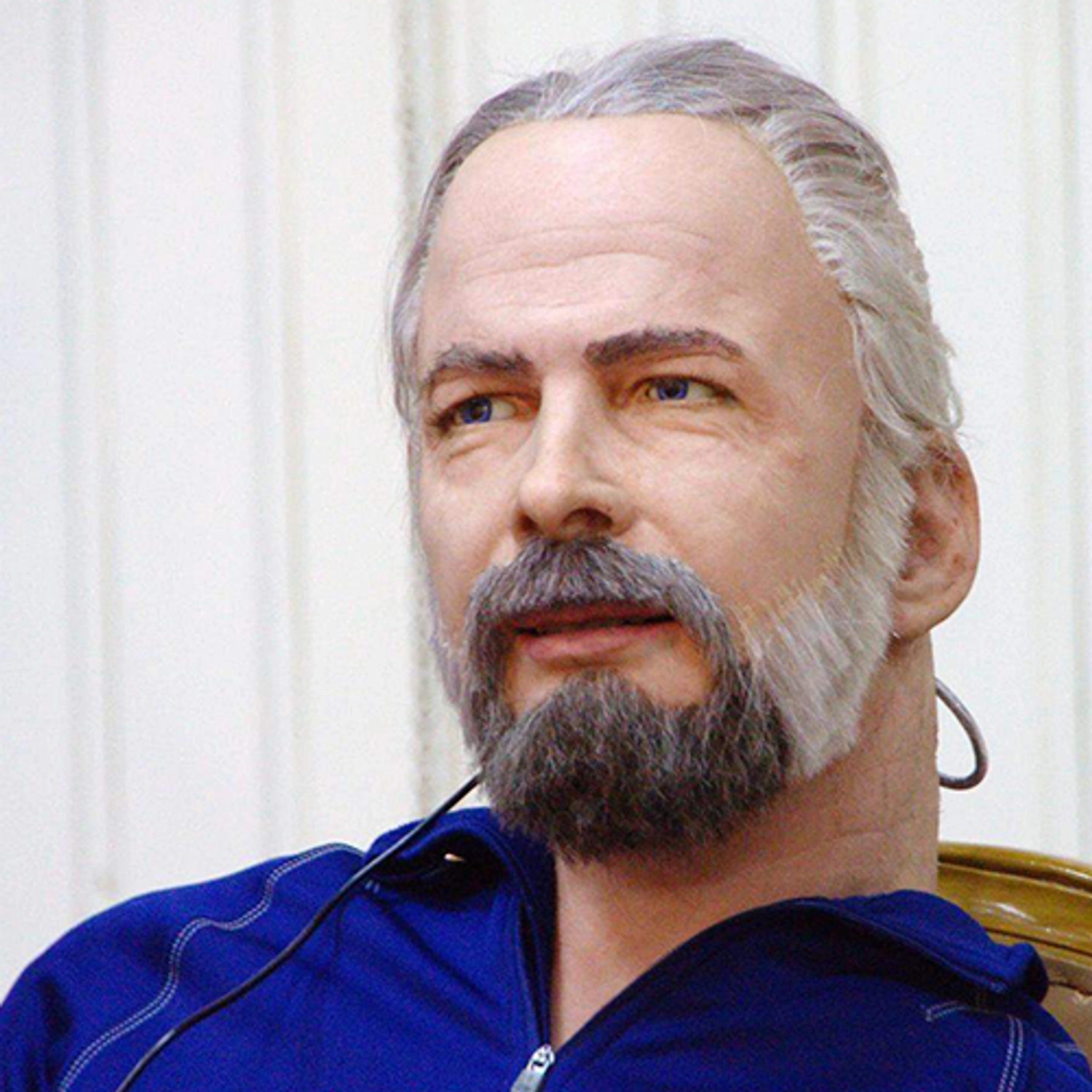
A literary body returns
The Philip K. Dick Android, built by Hanson Robotics with collaborators including the FedEx Institute of Technology team, the University of Texas at Arlington, and later rebuilt with VPRO support, was demonstrated as a lifelike humanoid bust designed to recreate the science-fiction writer’s voice and presence. The project mattered because it tackled a hard humanoid problem that is still central today: how to combine human motion input, speech, and facial expression into a believable social robot.
Why this robot matters
What made the android notable was not raw mobility, but the attempt to fuse identity, language, and responsive facial behavior into one platform. Reports on the project describe speech recognition, conversational software trained on Dick’s books and interviews, and facial robotics that could show emotion-like expressions, all in a form factor aimed at human interaction rather than warehouse work. That puts it in the same lineage as today’s teleoperation-first humanoids: systems judged less by autonomy claims than by how naturally they can mirror human behavior in real time. The lesson is simple: Philip K. Dick Android is about making a machine feel socially present, not mechanically busy.

How it worked
Input came from human speech and live interaction, then AI software processed the language using Dick’s writings, recorded material, and dialogue patterns to generate responses. Output was delivered through the bust’s facial actuation and voice system, while the underlying control loop adjusted expressions and conversational timing to keep the illusion of presence coherent. In humanoid terms, the project’s core flow was human motion input → AI model processing → joint actuation and balance correction, although this robot was shown as a stationary bust rather than a walking body.
A museum-like use case
The most realistic deployment scenario is a human-centric exhibition or cultural installation where the robot acts as a remote, interactive surrogate for a historical figure. In that setting, the value is not autonomy but consistency: the system can answer questions, react to visitors, and present a curated persona without the unpredictability of a fully open-ended general-purpose robot. That makes it a useful testbed for telepresence-style service in spaces where conversation matters more than locomotion.
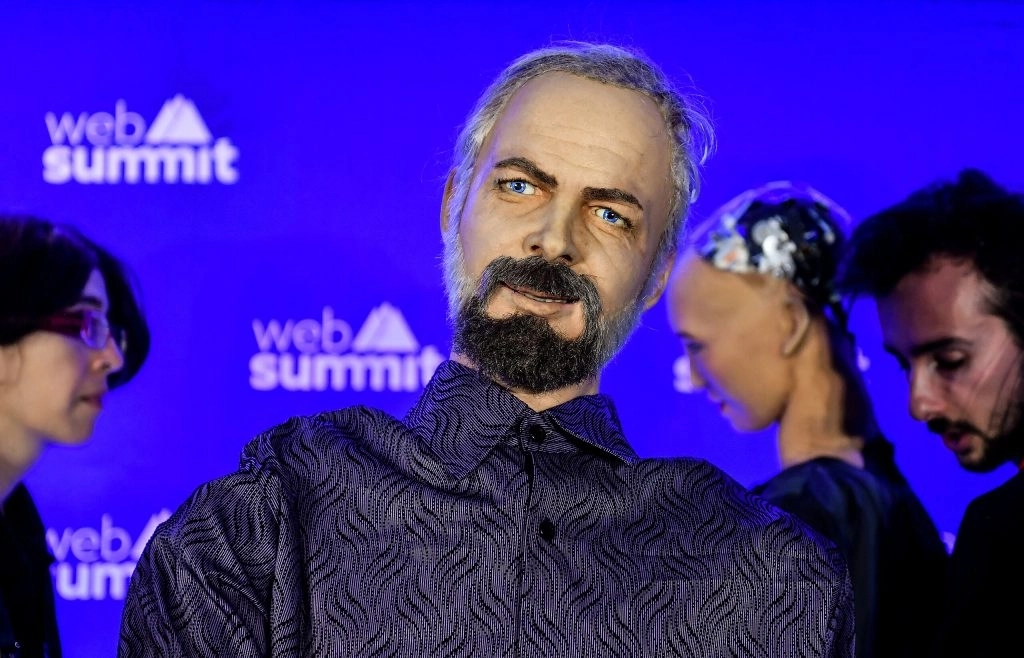
What is known
Available reports describe the robot as a stationary bust, so its practical strength was social interaction rather than walking or manipulation. The verified story also shows that the system depended on speech recognition, conversational learning, and facial robotics, with later rebuilds intended to improve realism and responsiveness. For a humanoid platform, that means the important capability was not speed or payload, but the ability to hold attention in face-to-face dialogue.
Rivals Edge Check
| Robot | Key Advantage | Where Philip K. Dick Android Wins | Target Use |
|---|---|---|---|
| B Series Robot | Broader humanoid research focus and body control | More convincing conversational persona and human-likeness in a socially staged demo | Research and human-robot interaction |
| Elf V1 Series | Compact service-oriented design for indoor interactions | Stronger narrative identity and facial storytelling in face-to-face engagement | Service and reception |
| Cruzr S2 | Commercial service navigation and customer-facing utility | More ambitious attempt at expressive personification and voice-driven character interaction | Retail and guided assistance |
| Kaleido 8.0 | Humanlike interaction platform for research and social presence | Earlier proof that emotion-like facial robotics and language can anchor a compelling humanoid demo | Social robotics and experiments |
Industry direction
The broader signal is that humanoid robotics is moving away from scripted motion libraries as the only measure of progress and toward systems that can sustain believable real-time interaction. Philip K. Dick Android anticipated that shift by making dialogue, facial response, and operator-like presence the center of the product story, not just the chassis. That same emphasis is now shaping how researchers think about teleoperation, assisted service, and remote presence in human spaces.
Explore Humanoids


Sources
Related Articles
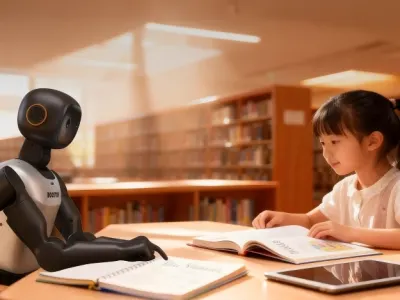
Booster Robotics Unveils K1 Educational Humanoid for Classrooms and Labs
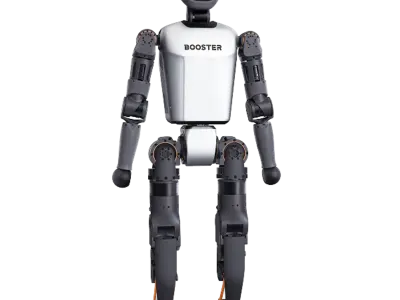
Booster Robotics Unveils T1 Basic Humanoid for Research and Development
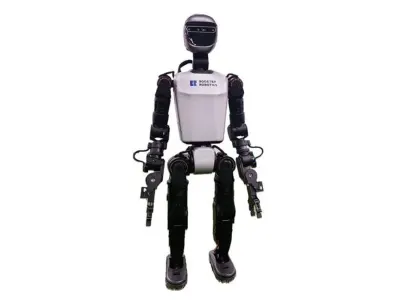
Booster Robotics Launches T1 Gripper Humanoid for Research Manipulation
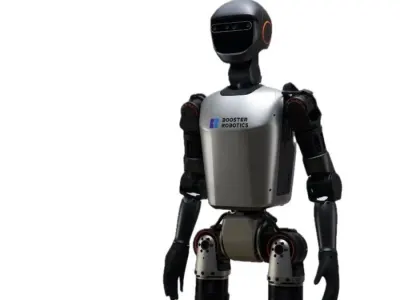
Booster T1 Dexterous Humanoid Wins RoboCup 2025, Signals Shift Toward Research-Grade Teleoperation Platforms
Related Comparisons
Compare Philip K. Dick Android with similar robots
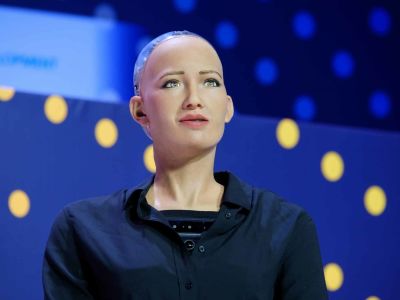

Sophia vs Aria - Robot Girlfriend
Head-to-head: Sophia vs Aria - Robot Girlfriend compared on bipedal balance, AI learning, and real-world deployment.

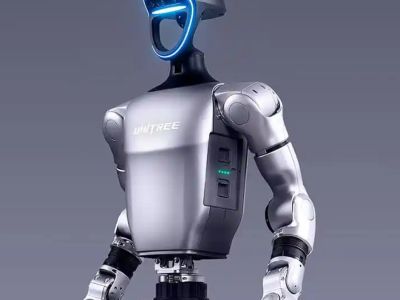
Optimus vs Unitree G1
Compare Optimus vs Unitree G1 for humanoid mobility, dexterity, autonomy, and payload capacity.
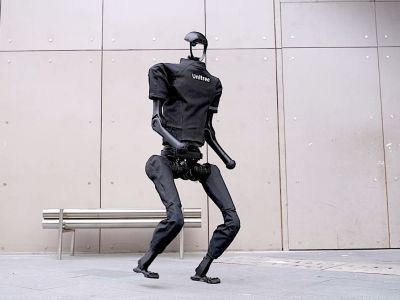
Unitree G1 vs Unitree H1
Head-to-head: Unitree G1 vs Unitree H1 compared on bipedal balance, AI learning, and real-world deployment.
Optimus vs Atlas (Electric Atlas, 2025)
In-depth comparison of Optimus and Atlas (Electric Atlas, 2025), covering hardware capabilities, teleoperation, and enterprise readiness.
Learn More About This Robot
Discover detailed specifications, reviews, and comparisons for Philip K. Dick Android.
View Robot Details →