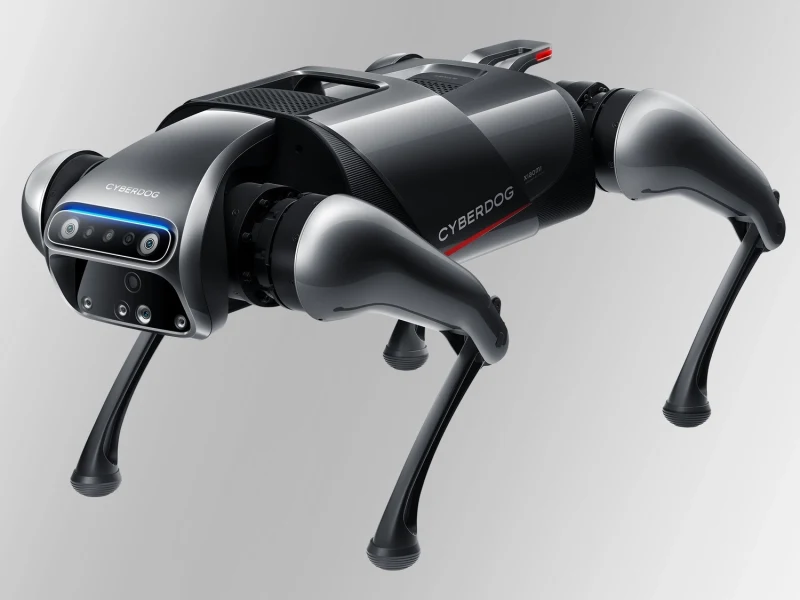
CyberDog
by Xiaomi
ChinaReleased: 2021
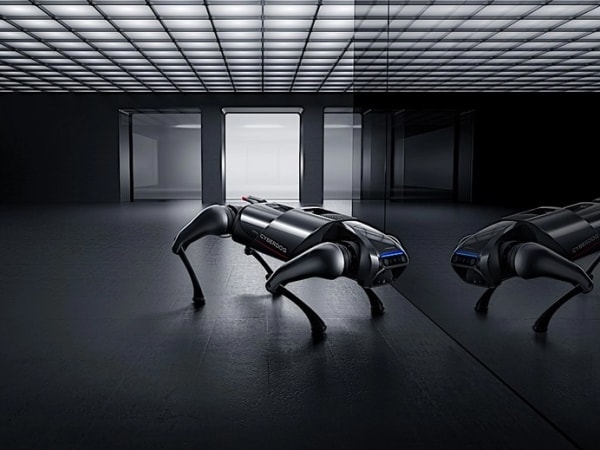
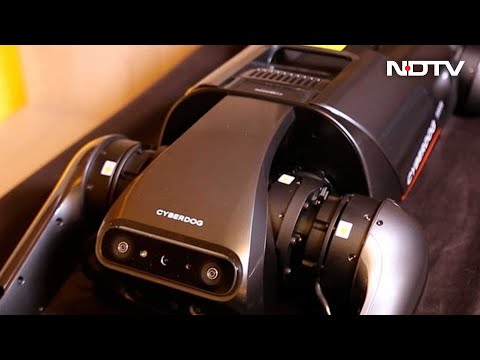
Xiaomi CyberDog is a bio-inspired quadruped robot designed to mimic a Doberman, targeting developers, researchers, and robotics enthusiasts. It features 11 high-precision sensors, including the Intel RealSense D450 depth camera, LiDAR (optional expansion), and binocular fisheye lenses for comprehensive environmental perception. Powered by the NVIDIA Jetson Xavier NX, it supports ROS 2 and Ubuntu, allowing for autonomous navigation and object tracking. It performs dynamic gaits like backflips and high-speed running using 12 in-house developed high-torque servo motors.
What Can CyberDog Do?
Core operational tasks and activities demonstrated or performed by CyberDog.
Real-World Applications of CyberDog
Industries, working environments, and deployment suitability for CyberDog.
CyberDog Capabilities
Inherent physical, perceptual, and cognitive abilities built into CyberDog.
Image Gallery
Below images are from Xiaomi's official sources
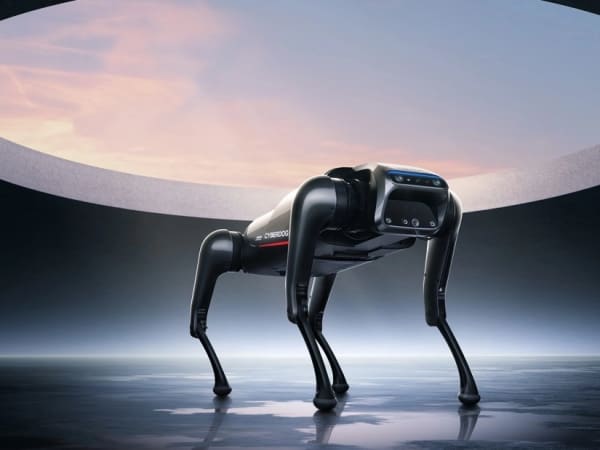
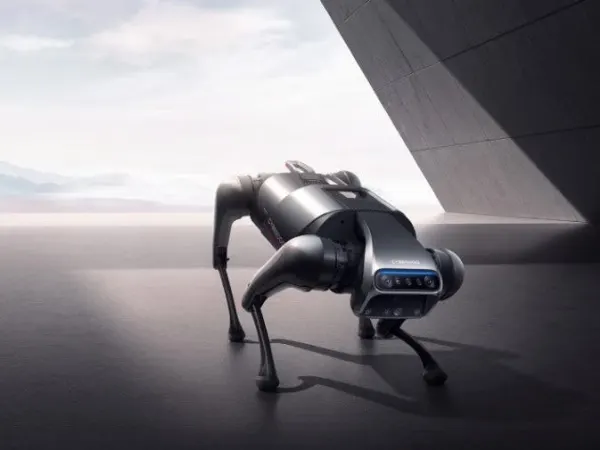
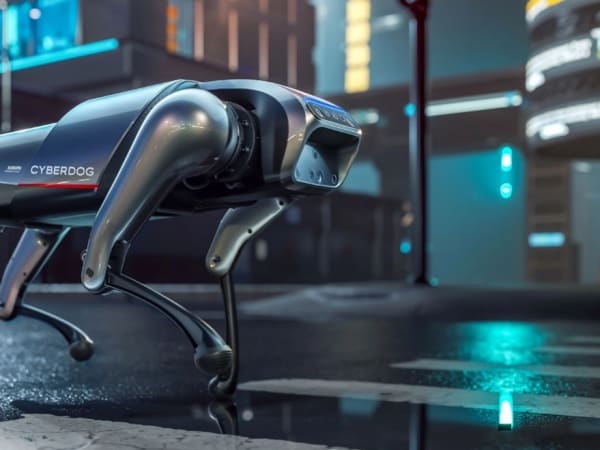
Review Videos
Watch expert reviews and demonstrations of this robot dog

Full Specifications
Other Notable Features
AI reinforcement learning, 19 sensors, voice/gesture control, open-source platform, backflips and advanced maneuvers
More Robots from Xiaomi
Explore other robots and developments from this manufacturer
Xiaomi Mi Robot Vacuum-Mop 2 Ultra
By: Xiaomi
Launched: 2023
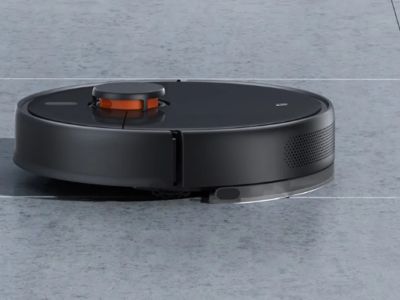
The Xiaomi Mi Robot Vacuum-Mop 2 Ultra is a high-performance robotic vacuum cleaner featuring 4,000 Pa powerful suction for deep cleaning and an all-new LDS laser navigation system for precise mapping and navigation. It incorporates advanced 3D obstacle avoidance technology to prevent collisions and falls. Equipped with a large 5,200 mAh battery, it can clean up to 240 square meters on a single charge. The vacuum supports wet mopping with a dedicated water tank and mop pads. It offers multiple cleaning modes and smart app control with Wi-Fi connectivity, enabling scheduling and remote operation. The device supports an optional auto-empty station that can hold up to 4 liters of dust, enhancing convenience by automatically emptying the dustbin. Its design includes a round shape, HEPA filtration, and compatibility with voice assistants for seamless integration into smart homes.
Xiaomi Robot Vacuum Cleaner X10
By: Xiaomi
Launched: 2024
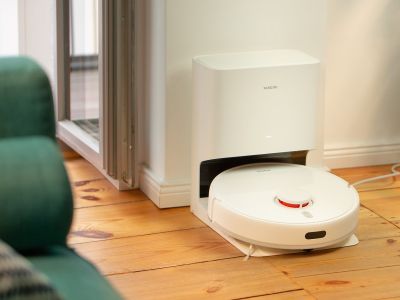
The Xiaomi Robot Vacuum Cleaner X10 is a versatile home cleaning device that combines powerful suction with advanced navigation technology. Equipped with both vacuuming and mopping capabilities, it ensures comprehensive cleaning of various floor types. Its advanced laser sensors facilitate precise mapping and navigation, allowing it to clean efficiently without missing spots. With a substantial runtime of up to 240 minutes, it can handle extensive cleaning tasks on a single charge. The device also features auto-emptying functionality, providing up to 60 days of hands-free cleaning. Integration with smart home systems enables remote control and scheduling, enhancing user convenience.
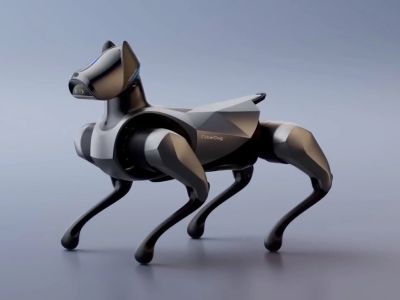
Xiaomi CyberDog 2
By: Xiaomi
Launched: 2023
The Xiaomi CyberDog 2 is a bio-inspired quadruped robot designed to resemble a Doberman, featuring a compact and lightweight build at 8.9 kg. It serves as a consumer-grade robotics platform for entertainment, smart home integration, research, and education, showcasing advanced biomimetic movements like continuous backflips, fall recovery, brisk walking to match owners, and dynamic balance. Powered by NVIDIA Jetson Xavier NX with 6-core CPU, 384-core GPU, 8GB RAM, and 48GB storage, it integrates 19 high-precision sensors including LiDAR, Intel RealSense D430 depth camera, RGB camera, AI camera, 4 ToF sensors, ultrasonic, fisheye, force, touch, and acoustic sensors for superior environmental perception, obstacle avoidance, and navigation. Proprietary CyberGear micro-actuators enable agile mobility with max speed of 1.6 m/s and 1kg payload. It supports voice control, app control, remote operation, and XiaoAI smart home integration, running Ubuntu 18.04 with ROS 2 for developer accessibility. Target markets include robotics enthusiasts, researchers, and smart home users seeking interactive companions with AI-driven tricks and autonomy.
Frequently Asked Questions
Get answers to common questions about this robot