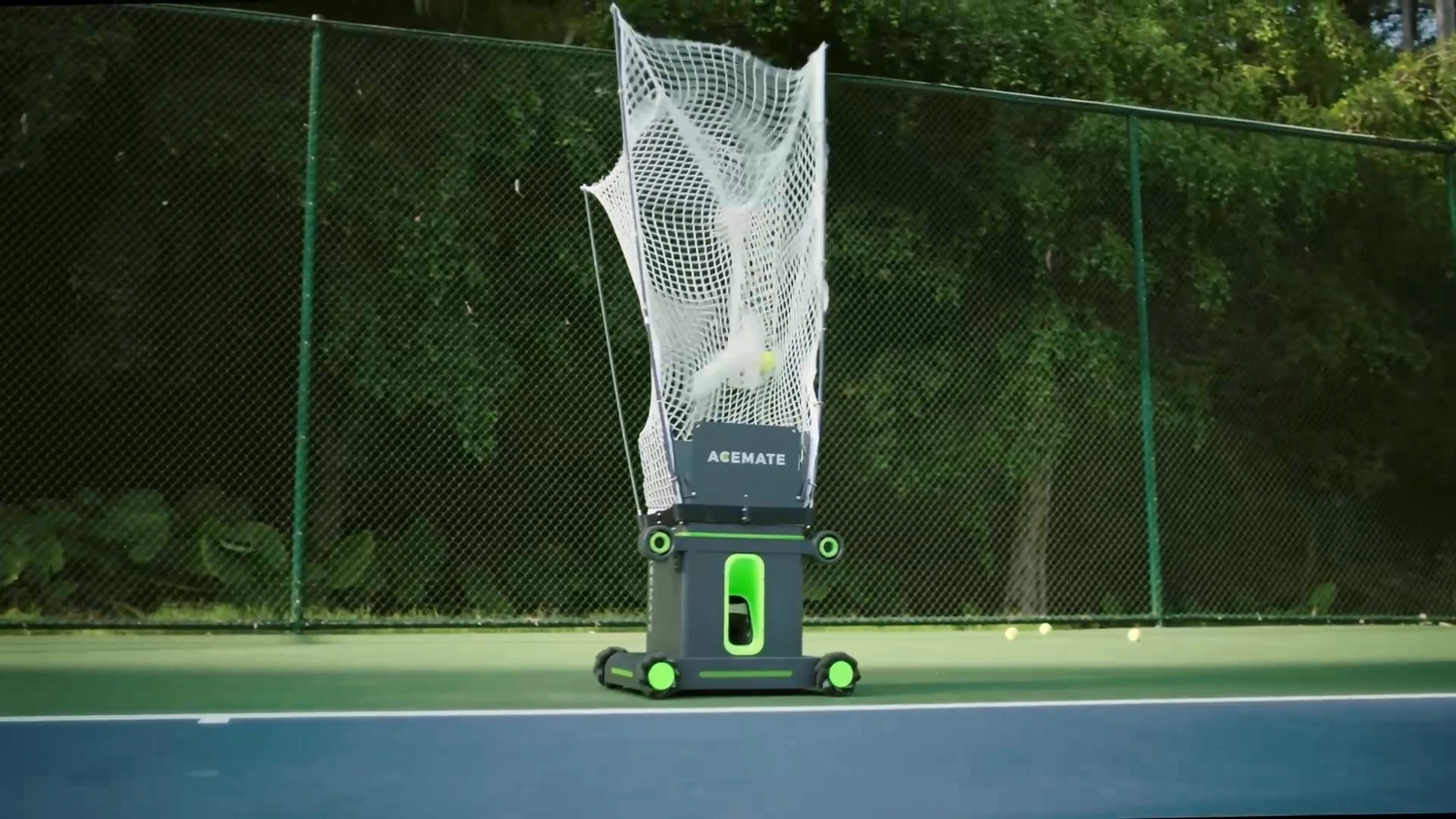
Acemate
AI ChatLast updated:
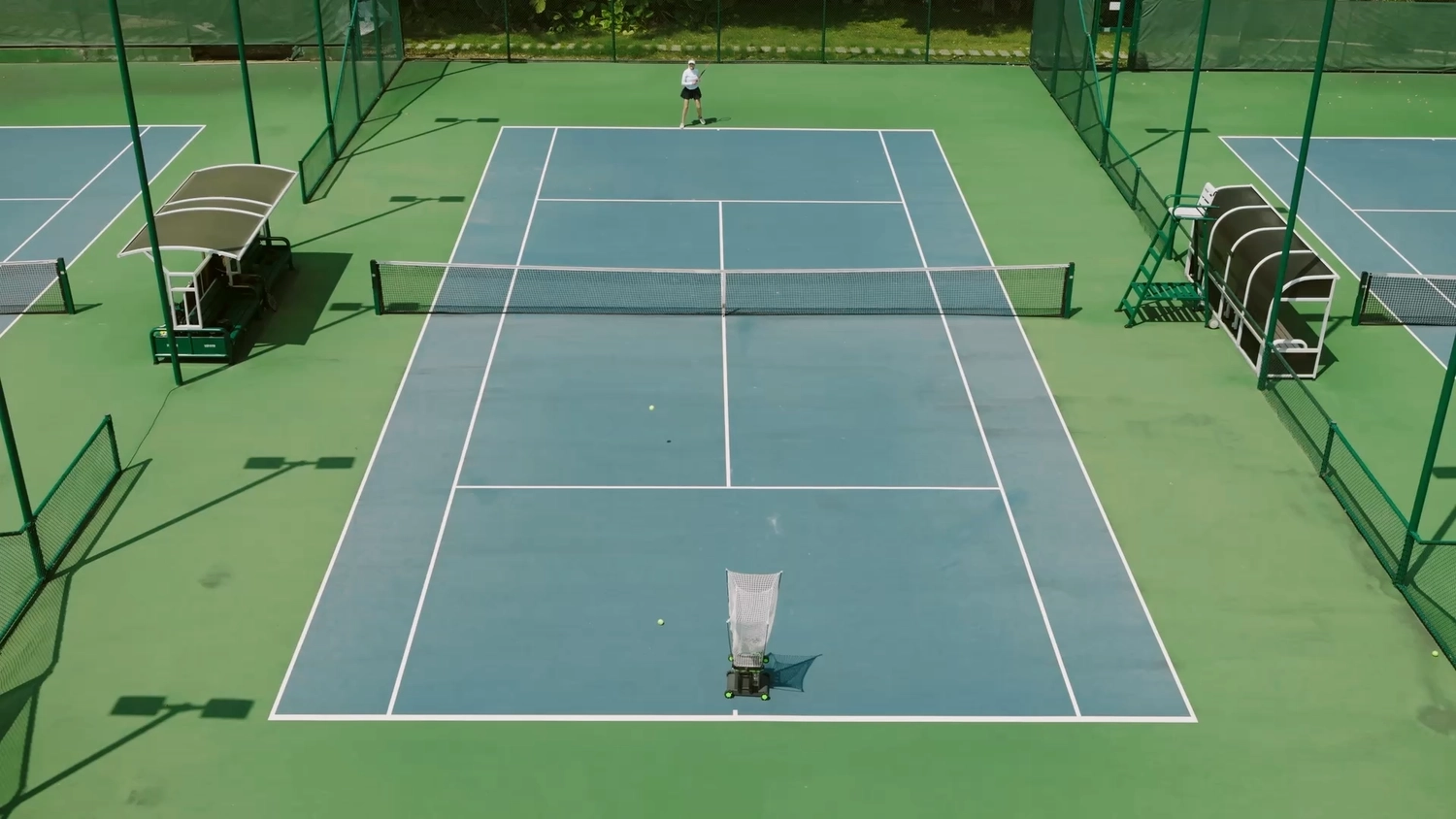
The Acemate is a specialized tennis training robot designed for real rally play, functioning as an autonomous practice partner on tennis courts. It uses dual 4K binocular cameras and onboard AI to track ball trajectories in 3D with centimeter-level accuracy, predict landing points, and dynamically position itself to catch and return shots. Mounted on four omnidirectional Mecanum wheels, it moves at up to 5 m/s with 0.15-second reaction time for full-court coverage. It launches balls up to 80 mph with spins up to 60 RPS (topspin, backspin, slice, flat, lobs to 8m), holds 130 balls, and offers traditional ball machine modes plus AI coaching via a companion app with drills, shot maps, and performance stats. Ideal for solo players seeking immersive rallies without a human partner, enhancing skills in consistency, accuracy, and endurance on various court surfaces.
Quick Overview & Key Facts
Acemate is a robot made by Acemate in United States, launched in 2025 and built for solo tennis rally training, skill drills (topspin/backspin practice), and performance analysis. Its estimated price is USD 3,000 - 5,000. Featured in “Acemate Launches AI Tennis Robot for Solo Rally Training”.
- Dimensions
- 45 x 55 x 50 cm (Folded)
- Weight
- 17.8 kg
- Mobility
- Wheeled (4x omnidirectional Mecanum wheels with rubber treads)
- Top speed
- 5 m/s (18 km/h)
- Handles
- Tennis balls (130-ball capacity in net hopper)
- Battery runtime
- 4-6 hours per charge
- Charging time
- 2-3 hours
- Sensors
- Dual 4K binocular cameras, IMU (for positioning and agility)
- Operating environment
- Outdoor/indoor tennis courts, all surface types
Image Gallery
Below images are from Acemate's official sources


Review Videos
Watch expert reviews and demonstrations of this robot
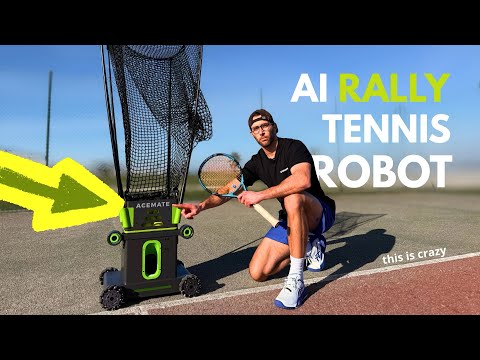
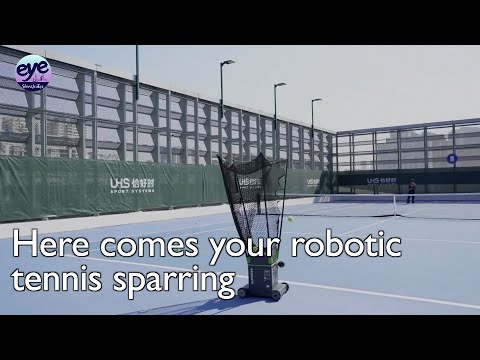
Robot Specifications
Values without a Confirmed badge are compiled from public sources and may not be manufacturer-verified.
Not yet published by Acemate: pet safety.
Latest News About Acemate
Stay updated with the latest articles and developments
More Robots
Discover more robots in the same category


Robots From Other Categories
Discover complementary robots from different categories that work well together
Frequently Asked Questions
Get answers to common questions about this robot
Q1. What is Acemate and what specific problem or task is it designed to solve?
Acemate is an AI-powered tennis robot designed to provide interactive rally practice and automated coaching. Unlike traditional ball machines that only fire shots on command, it tracks player movements and adjusts its responses to simulate realistic match conditions.
Q2. What are the core capabilities and standout features of Acemate?
Acemate features dual 4K binocular cameras with onboard AI processing, omnidirectional Mecanum wheels for court mobility up to five meters per second, shot production at speeds up to 80 mph with various spin types, a 130-ball capacity, and a companion app delivering customizable drills, shot maps, and performance statistics.
Q3. Who uses Acemate, and which industries or sectors benefit from it?
Acemate is marketed for tennis players of all skill levels seeking solo practice and training. The primary users are individual players and coaches looking for interactive training solutions beyond conventional ball machines.
Q4. Is Acemate a commercially available product, or is it still a research prototype?
Acemate is a commercially available product that successfully completed a Kickstarter campaign and is currently available for preorder and retail purchase. It has been demonstrated at major tech shows including IFA Berlin.
Q5. How does Acemate operate autonomously, and what level of human oversight is required?
Acemate operates in two modes
Q6. What sensors, AI, and navigation technology does Acemate use?
Acemate uses dual 4K binocular cameras for ball and player tracking, onboard AI processing for trajectory prediction and landing point calculation, and four omnidirectional Mecanum wheels for autonomous court positioning and movement.
Q7. How does Acemate compare to similar robots or competing solutions in its category?
Acemate distinguishes itself from traditional ball machines through its mobility, real-time responsiveness to player actions, and AI-powered coaching features. However, direct comparative performance data against other interactive tennis robots is limited in available sources.
Q8. What are the known limitations, trade-offs, or challenges of using Acemate?
Early reviews have raised questions about long-term durability and real-world consistency. The robot requires adequate court space for mobility and may have limitations in replicating the full complexity of human opponent play.
Q9. What does it cost to acquire or deploy Acemate, and what is the expected ROI?
Acemate has a retail price of approximately 2,499 USD with a discounted preorder price of 1,599 USD. Expected return on investment depends on individual training frequency and goals, though specific ROI metrics are not provided by the manufacturer.
Q10. What is the future roadmap or planned improvements for Acemate?
Available sources do not specify detailed future roadmap or planned improvements for Acemate beyond current capabilities. The manufacturer indicates ongoing development of smart tennis training technology.
Rating and Reviews
Share your experience and help others decide!
Loading...
User Reviews
No user reviews. Be the first one to review!
User Comments (No Login needed)
Share your thoughts, experiences, or questions about this robot.
Comments appear after moderator review.