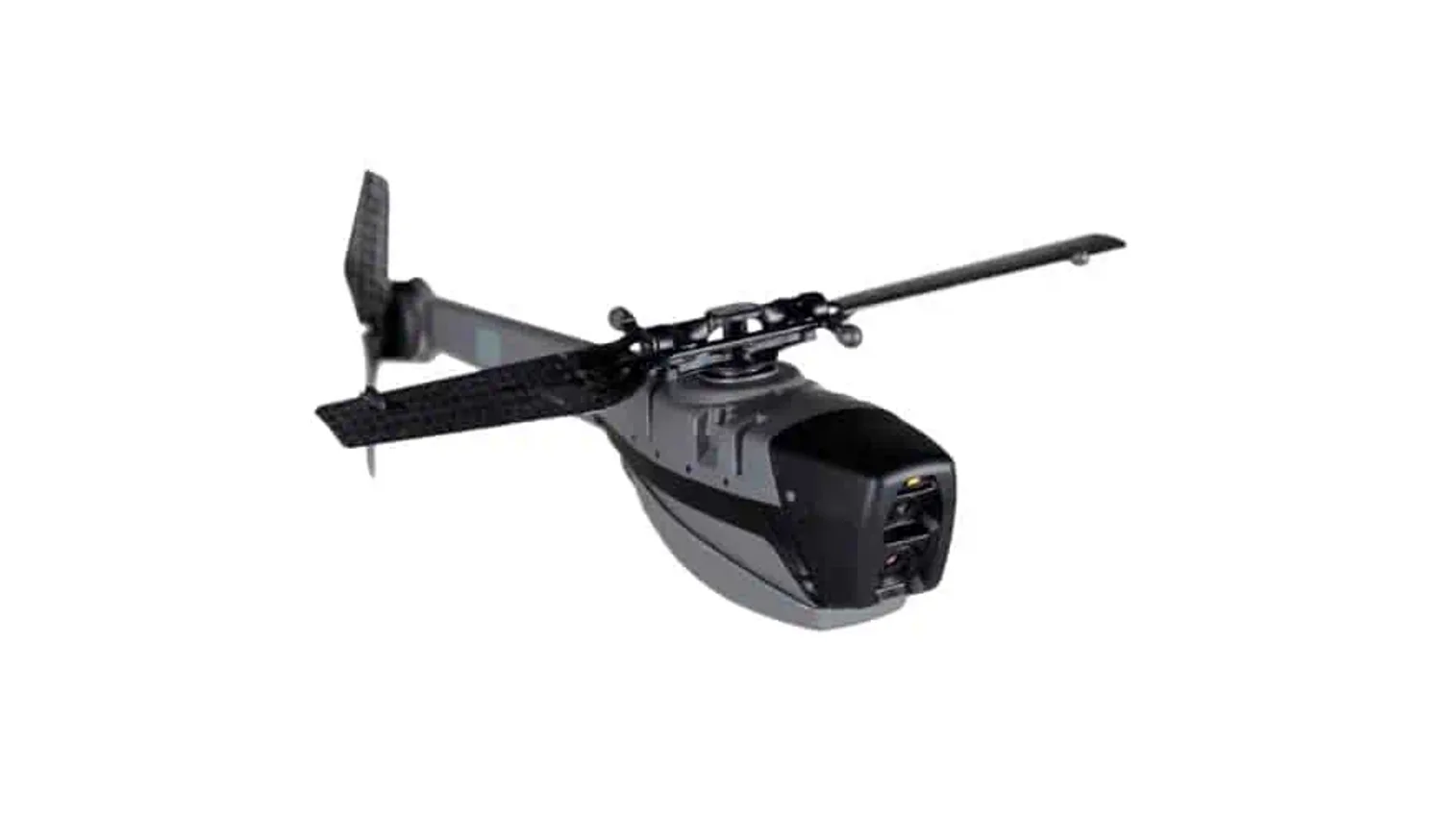
Black Hornet
Last updated:
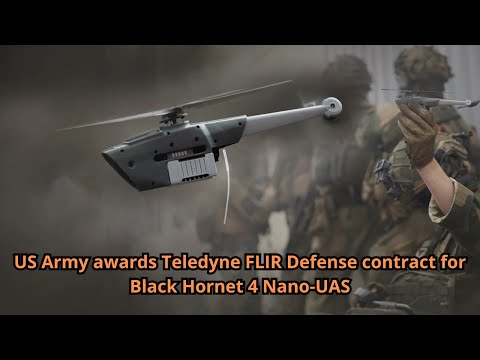
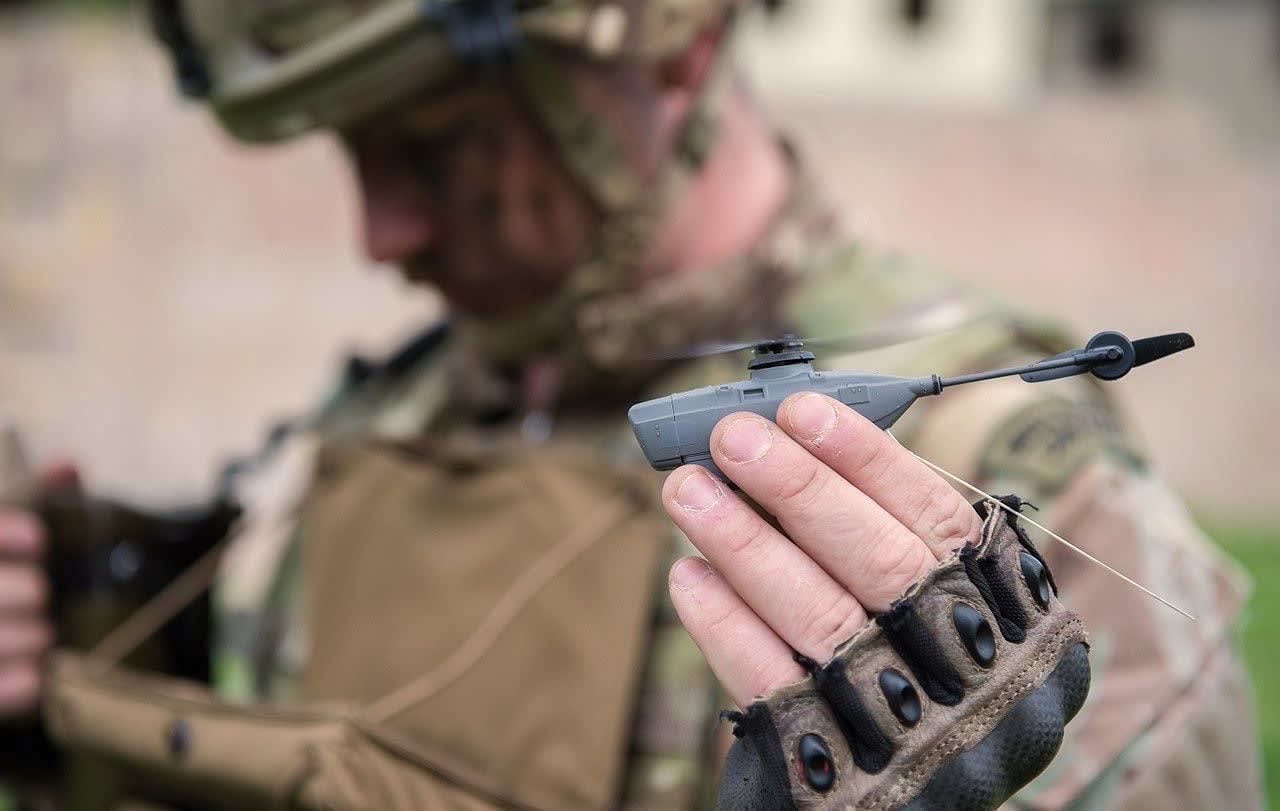
The Black Hornet is a palm-sized nano drone designed for personal reconnaissance, delivering real-time intelligence, surveillance, and reconnaissance (ISR) in military and tactical operations. Weighing under 70 grams, it features high-resolution electro-optical and thermal cameras for day/night imaging, advanced GNSS-free navigation for indoor and GPS-denied environments, and collision avoidance for safe flight. With over 30 minutes of flight time, a range exceeding 2 km, and stealthy low acoustic signature around 20 dB, it supports autonomous waypoint missions, manual control, and rapid deployment in under 30 seconds. Ruggedized for winds up to 46 km/h and rain, it equips soldiers with covert situational awareness, obstacle detection, and dynamic mission adjustments, enhancing operational safety and efficiency in complex terrains.
Quick Overview & Key Facts
Black Hornet is a drone Camera system developed by Teledyne FLIR in United States and launched in 2012. Starting price is estimated at $100,000-$200,000. It is currently ranked #8 in most-viewed drones on Origin of Bots. It supports Imaging sensors. Operating battery runtime is rated at 30 minutes. Primary applications include Tactical Reconnaissance, Indoor Search and Rescue, Border Surveillance, Dismounted Squad Overwatch, Damage Assessment in Contested Zones. Featured in editorial articles including “Switzerland Fields Black Hornet 4 on Piranha Vehicles 2026”.
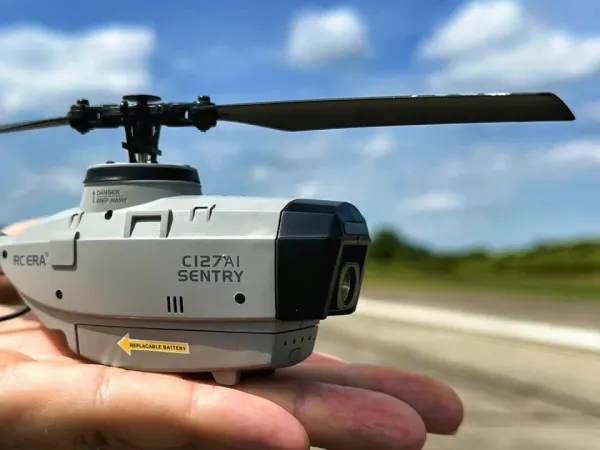
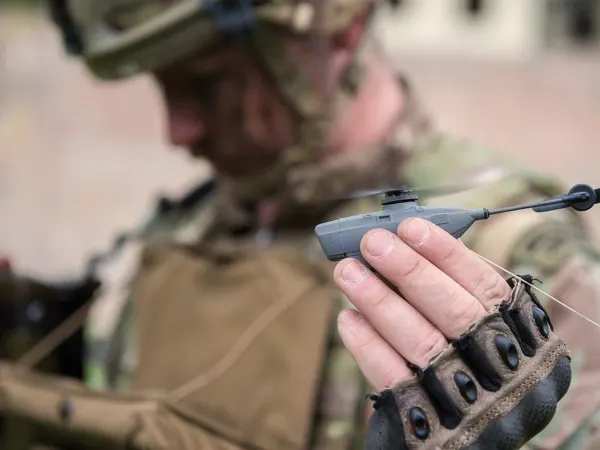
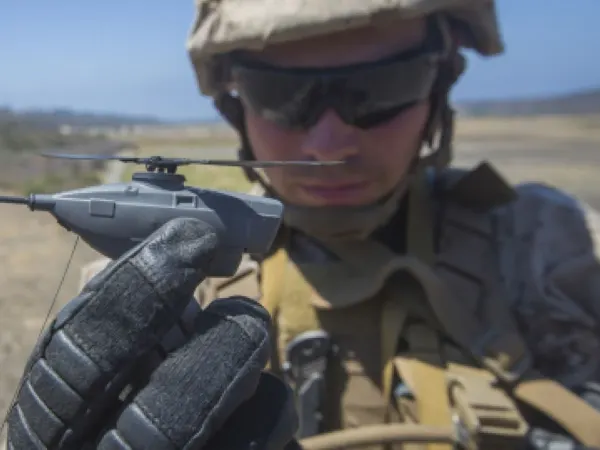
Image Gallery
Below images are from Teledyne FLIR's official sources

Review Videos
Watch expert reviews and demonstrations of this robot
Robot Specifications
Latest News About Black Hornet
Stay updated with the latest articles and developments
More Robots from Teledyne FLIR
Explore other robots from this manufacturer
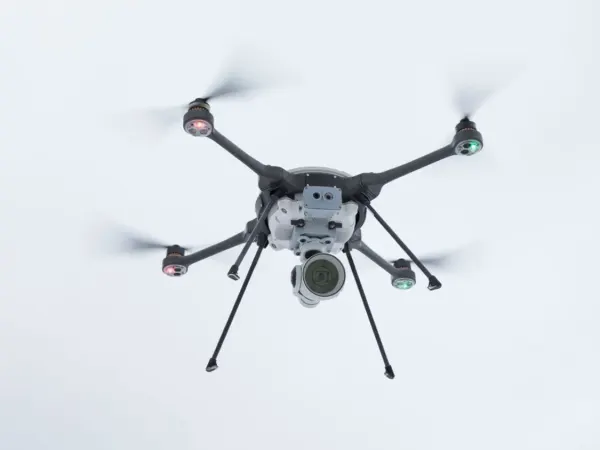
R80D SkyRaider
Manufactured by Teledyne FLIR
The R80D SkyRaider is a mission-ready, tactical quadcopter engineered for the U.S. Department of Defense and federal agencies. It delivers Group 2-3 payload capabilities within a Group 1 rucksack-portable footprint, supporting external loads up to 7.7 lbs (3.5 kg). Powered by multiple embedded NVIDIA TX2 processors, it functions as an edge-of-network supercomputer capable of real-time AI object detection and classification. With an open architecture and the proprietary RaiderOS, the SkyRaider excels in GPS-denied and contested electromagnetic environments. Its carbon fiber and magnesium airframe is tested to MIL-STD-810G standards, ensuring reliable ISR (Intelligence, Surveillance, and Reconnaissance) and payload delivery in extreme weather conditions.
More Drones
Discover more robots in the same category


Robots From Other Categories
Discover complementary robots from different categories that work well together


Frequently Asked Questions
Get answers to common questions about this robot
Q1. What is Black Hornet, and what problem is it designed to solve?
Black Hornet is a nano-scale unmanned aerial vehicle (UAV) developed by Teledyne FLIR for military reconnaissance. According to the manufacturer, it addresses situational awareness challenges in contested, GPS-denied, and urban environments by providing covert intelligence, surveillance, and reconnaissance (ISR).
Q2. What are the main capabilities and key features of Black Hornet?
The system offers electro-optical and thermal imaging, GNSS-free navigation for indoor use, and operation in wind and light rain. Teledyne FLIR states it supports manual and autonomous flight modes, with video transmission to operators via encrypted data links.
Q3. Who is Black Hornet built for, and which industries can benefit from it?
Black Hornet is designed for military and tactical users, including small infantry units. According to Teledyne FLIR, it serves defense forces in over 45 countries for ISR missions, with potential applications in security and vehicle-based reconnaissance.
Q4. Is Black Hornet a commercial product or still a research prototype?
Black Hornet is a commercial military product, with variants like Black Hornet 3 and 4 delivered to customers. Teledyne FLIR reports over 33,000 units supplied globally as of 2025, indicating operational deployment rather than prototype status.
Q5. Is Black Hornet currently available for purchase, and when is it expected to ship?
As of 2026, Black Hornet systems are available through Teledyne FLIR Defense channels for military procurement. Shipping follows contract fulfillment, with upgrades like Black Hornet 4 integrated into ongoing deliveries.
Q6. How does Black Hornet actually work in real-world environments?
Operators launch the drone manually or via waypoints, receiving live video from onboard cameras. The manufacturer notes its low acoustic and visual signature enables covert flights indoors, beyond line-of-sight, and in adverse weather up to specified wind limits.
Q7. When was Black Hornet announced or officially launched?
The original Black Hornet Nano was developed by Prox Dynamics and acquired by Teledyne FLIR in 2016, with early deliveries in 2014. Variants such as Black Hornet 3 launched around 2019, and Black Hornet 4 was announced in 2025.
Q8. How is Black Hornet different from other robots in the same category?
Unlike larger UAVs, Black Hornet emphasizes nano-scale size for personal carry and stealth in tactical settings. Teledyne FLIR highlights its GNSS-denied navigation and rapid launch under 20 seconds, distinguishing it from vehicle-launched or less covert systems.
Q9. Does Black Hornet require additional development or customization after purchase?
The base system includes operator training in 20 minutes and is mission-ready. According to the manufacturer, software supports customizable waypoints, with optional fused sensors, but core hardware is field-replaceable without further development.
Q10. What is the future roadmap or planned upgrades for Black Hornet?
Teledyne FLIR announced Black Hornet 4 in 2025 with extended range and weather resistance. The company plans further enhancements like Black Recon for vehicle integration, targeting expanded ISR capabilities in tactical operations.
Rating and Reviews
Share your experience and help others decide!
Loading...
User Reviews
No user reviews. Be the first one to review!
User Comments (No Login needed)
Share your thoughts, experiences, or questions about this robot.
Comments are reviewed before posting.