Annie Redefines Humanoid Interaction as Anywit Robotics Pursues Mass Production
Robot Details
Annie • Anywit RoboticsPublished
January 22, 2026
Reading Time
3 min read
Author
Origin Of Bots Editorial Team
China's expressive android arrives
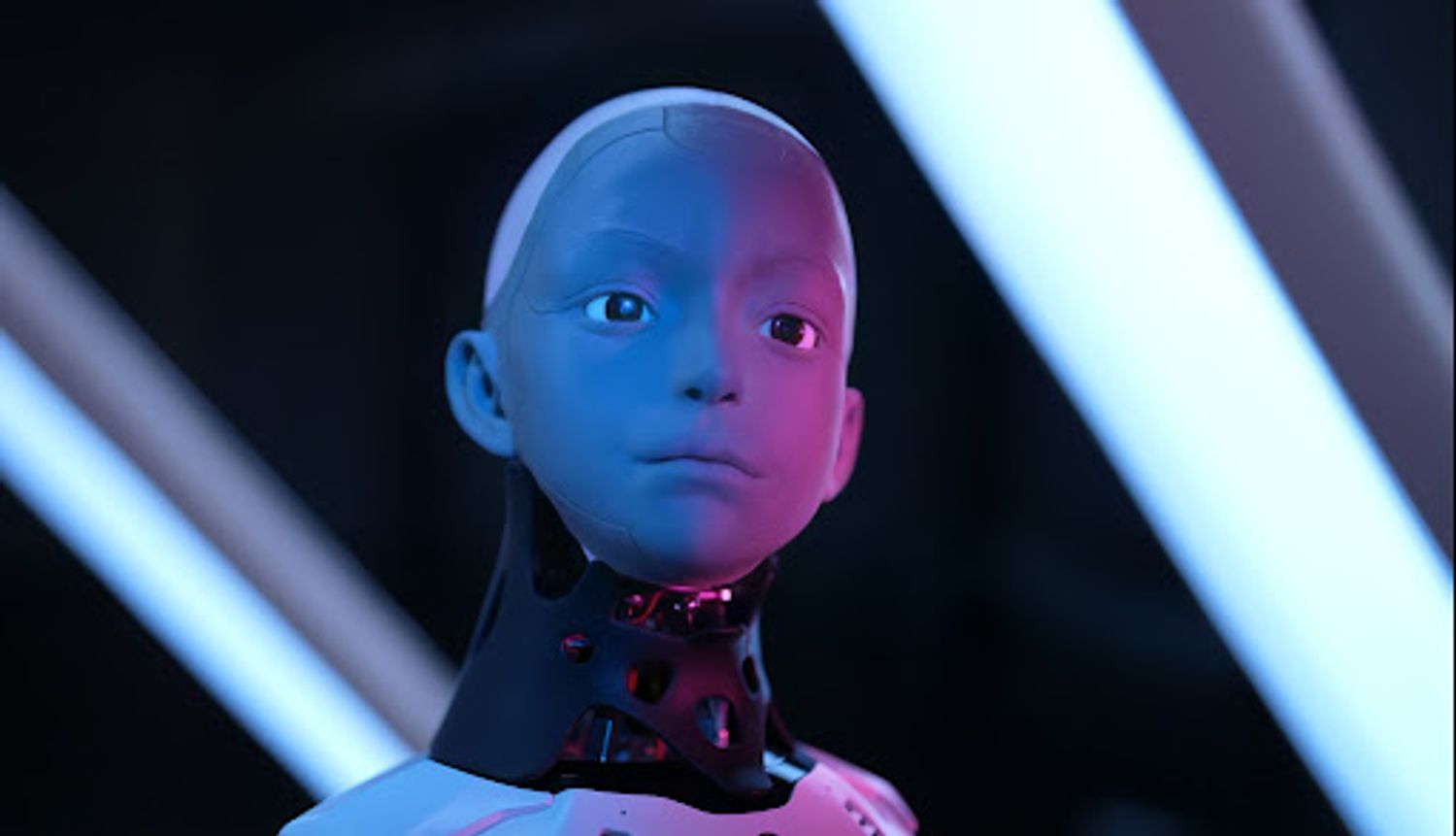
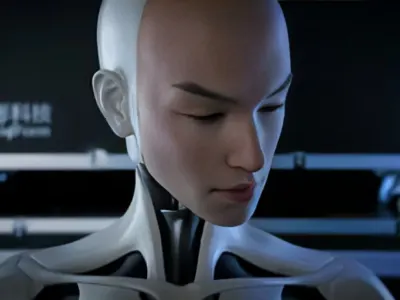
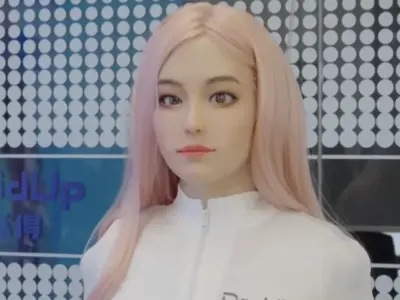
Anywit Robotics unveiled Annie in late 2024, marking a significant step forward in humanoid robotics as the Hefei-based startup transitions from prototype development toward standardized mass production. This first-generation humanoid robot features a remarkably expressive animatronic face engineered with 34 degrees of freedom, positioning it as a formidable contender in the rapidly expanding market for lifelike social robots. The timing reflects China's broader push to commercialize humanoid technology, with Annie representing both technical achievement and manufacturing ambition that could reshape how businesses deploy AI-powered customer interaction systems globally.
Emotional intelligence meets interaction
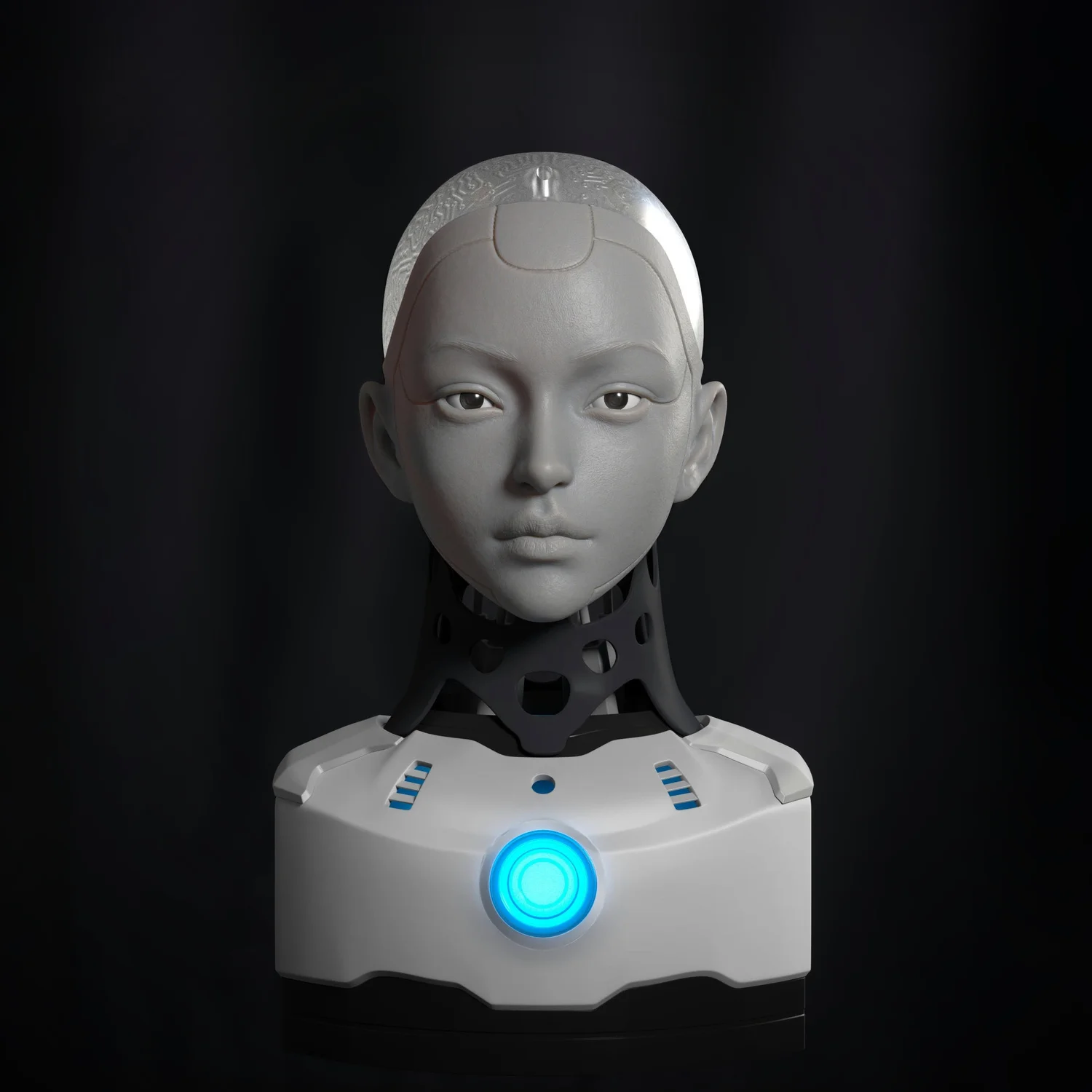
Annie's distinguishing capability lies in its fusion of advanced facial expressiveness with genuine emotional perception. The robot integrates iFlytek's emotional artificial intelligence technology, enabling it to recognize user identity, detect human emotions and behavioral cues, and generate contextually appropriate emotional responses in real time. Its large language model-backed dialogue system supports multilingual interaction with voice-lip synchronization, creating conversations that feel remarkably natural. These capabilities extend beyond simple chatbot responses—Annie actively tracks user gaze, adjusts its expressions based on emotional context, and maintains coherent dialogues that adapt to individual communication styles.
Multimodal sensing architecture
Annie's technical foundation combines precision engineering with cloud-integrated artificial intelligence to deliver seamless human-robot interaction. The robot leverages RGB cameras and depth sensors for environmental awareness, while an array of microphones captures nuanced speech patterns for accurate voice recognition. Its facial expression actuators respond with microsecond precision, creating the subtle muscular movements that distinguish lifelike animation from mechanical puppetry. Cloud-based AI services handle speech recognition and dialogue management, allowing Annie to continuously improve through machine learning while maintaining local processing for critical interaction loops that demand immediate responsiveness.
Deployment across sectors
Annie's compact, expressive design positions it for diverse commercial applications spanning customer service, corporate reception areas, educational institutions, research facilities, and entertainment venues. Organizations deploying Annie can leverage its identity recognition and emotional perception capabilities to deliver personalized customer experiences that conventional touchscreen interfaces cannot match. Educational institutions benefit from Annie's multilingual support and adaptive dialogue system for language instruction and human-robot interaction research. The robot serves as both a practical business tool and a research platform for developers exploring advanced AI interaction paradigms.
Interaction skills and technical architecture
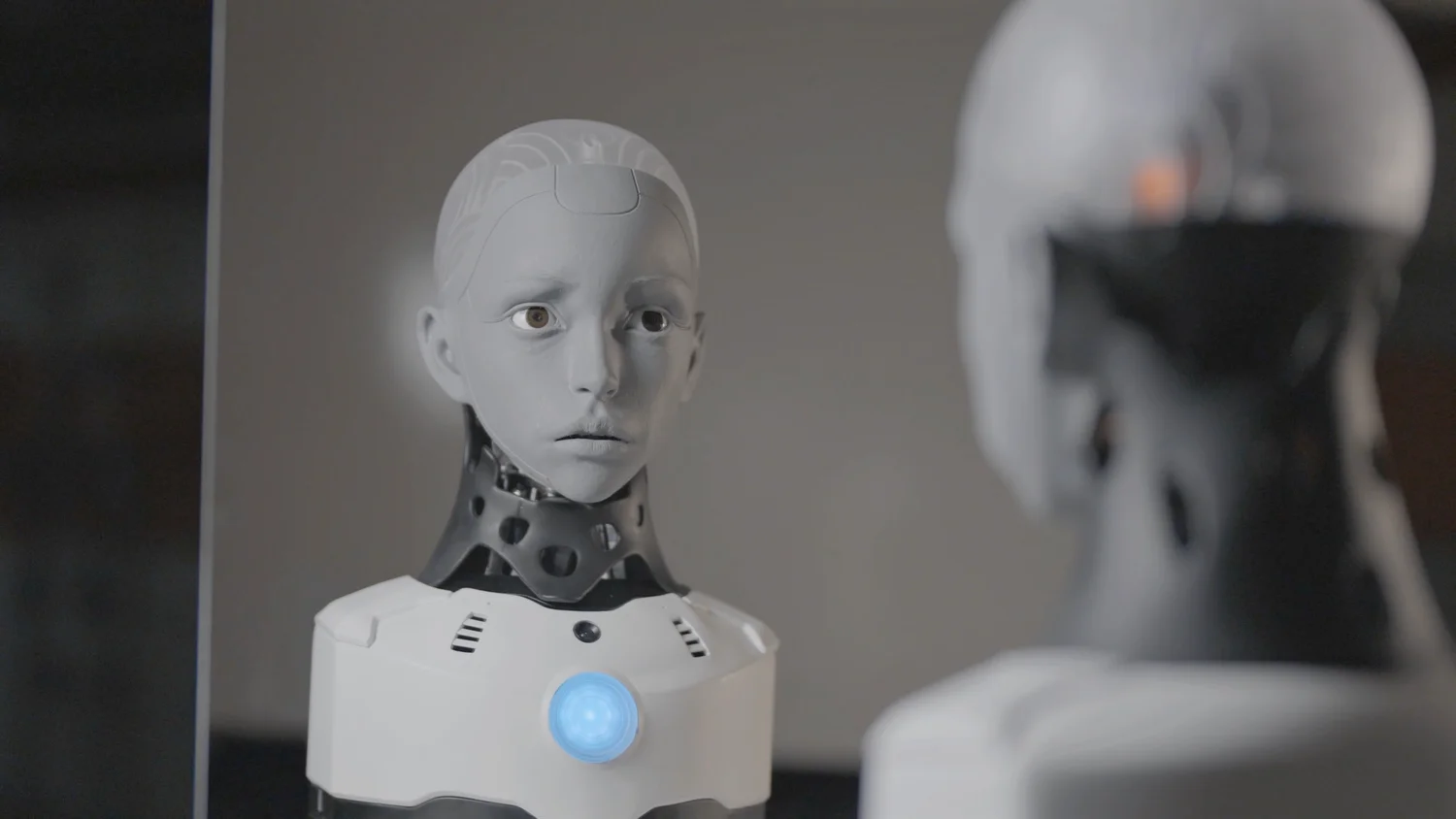
Annie's stationary humanoid head design—measuring 40 cm × 30 cm × 50 cm and weighing just 12 kg—optimizes for the precise, low-torque actuation required for facial expressiveness. Its sensor suite of RGB cameras, depth sensors, microphones, and facial expression actuators enables the nuanced perception and response generation that distinguish Annie from static display systems. Wi-Fi and Ethernet connectivity support both direct control via touchscreen app and voice commands, while cloud integration enables continuous learning from interaction sessions. The robot operates on AC power, eliminating battery constraints that plague mobile platforms and allowing indefinite deployment in fixed locations where consistent availability matters more than mobility.
Competitive positioning in the humanoid landscape
Annie's 34 degrees of facial freedom substantially exceeds Ameca's 27-degree design from UK-based Engineered Arts, marking a clear technical advantage in the high-expressiveness segment. Against Nadine, Singapore's social robot with sophisticated conversational abilities, Annie matches emotional intelligence capabilities while offering superior facial dexterity. Compared to Elf V1 Series and Daimon One, Annie differentiates through iFlytek's emotional AI integration and standardized mass production readiness—a manufacturing advantage that competitors have not yet demonstrated at scale. However, Ameca maintains stronger brand recognition and established enterprise deployment networks, while Nadine benefits from longer market presence and proven research institution adoption. Annie's primary competitive edge lies in its combination of advanced expressiveness, emotional perception, and Anywit's explicit commitment to mass production, positioning the robot to capture market share from organizations seeking affordable, high-fidelity social robots without Ameca's premium pricing or Nadine's research-focused positioning.
Explore Humanoids

Sources
Related Articles
PNDbotics' Adam-U Ultra Masters Tasks in Hours
Figure 03 Delivers 400% Efficiency Surge at BMW Plant
Kepler's K2 Bumblebee Conquers Factory Lines in Mass Production

AheadForm's Elf V1 Series Blurs Virtual-Physical Character Divide
Related Comparisons
Compare Annie with similar robots

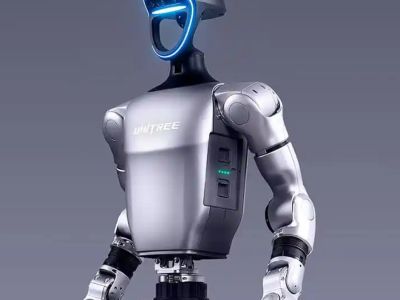
Optimus vs Unitree G1
Compare Optimus vs Unitree G1 for humanoid mobility, dexterity, autonomy, and payload capacity.
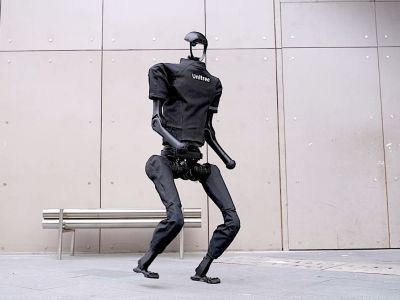
Unitree G1 vs Unitree H1
Head-to-head: Unitree G1 vs Unitree H1 compared on bipedal balance, AI learning, and real-world deployment.
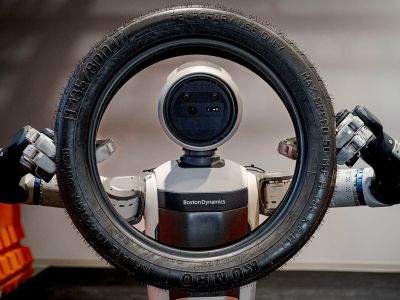
Optimus vs Atlas (Electric 2025)
In-depth comparison of Optimus and Atlas (Electric Atlas, 2025), covering hardware capabilities, teleoperation, and enterprise readiness.
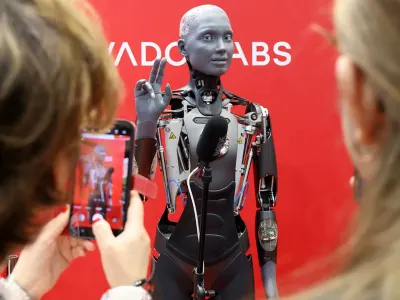
Ameca vs Moya
Which humanoid robot is better? Ameca vs Moya compared for dexterity, AI capabilities, and price.
Learn More About This Robot
Discover detailed specifications, reviews, and comparisons for Annie.
View Robot Details →