Kepler's K2 Bumblebee Conquers Factory Lines in Mass Production
Robot Details
K2 Bumblebee • Kepler RoboticsPublished
January 22, 2026
Reading Time
3 min read
Author
Origin Of Bots Editorial Team
Mass Production Ignites
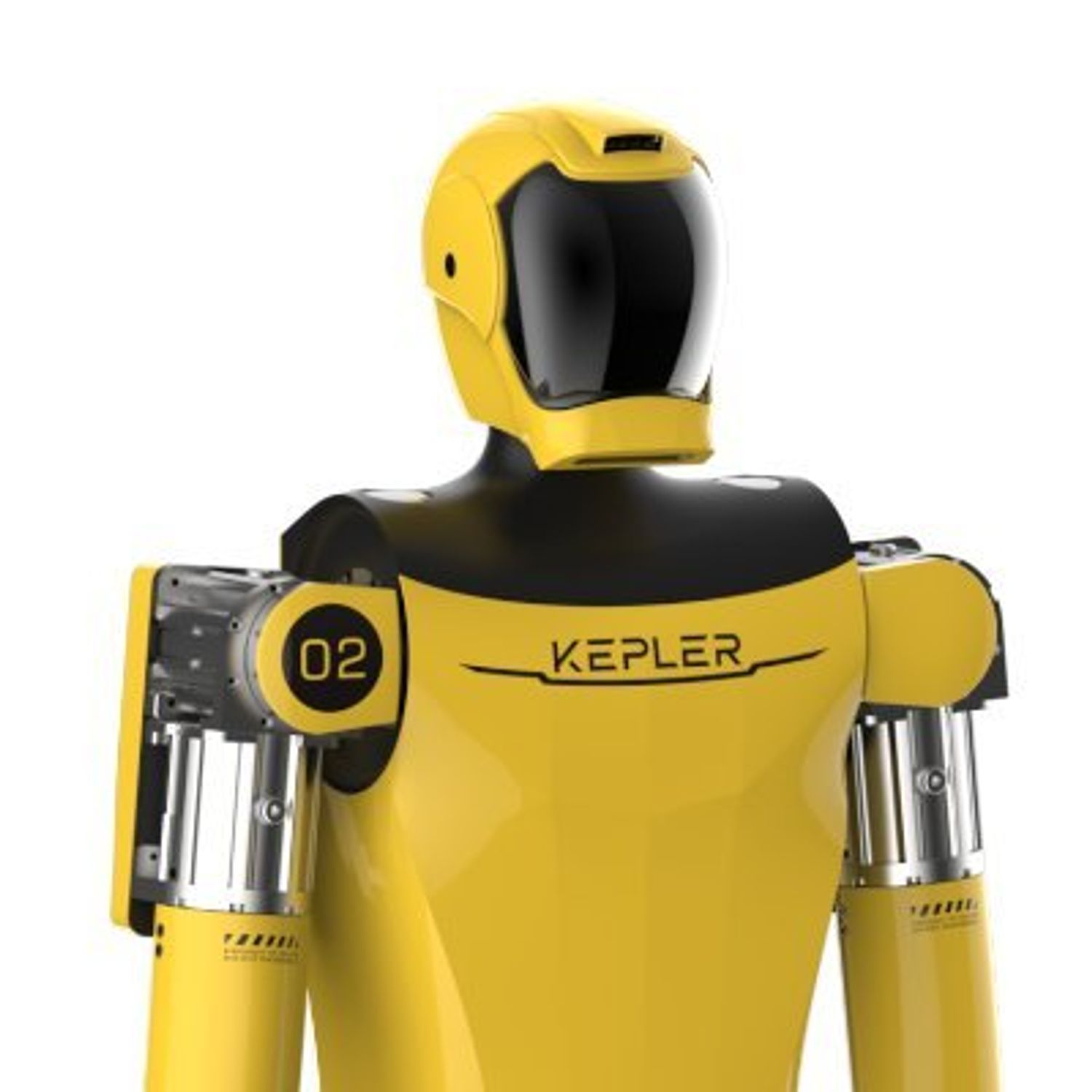
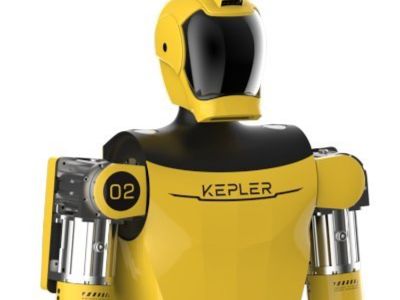
Shanghai-based Kepler Robotics announces mass production of its K2 Bumblebee humanoid, shifting from prototypes to widespread factory shipments. This milestone delivers the world's first commercially available hybrid-architecture unit, purpose-built for industrial grit with immediate deployments in logistics centers and assembly floors. Priced competitively around RMB 248,000, the robot transforms warehouse workflows by handling real tasks like sorting and loading, proving humanoids can scale beyond labs into daily operations. Factories gain a tireless worker ready for 8-hour shifts, slashing labor gaps in high-demand sectors.
Hybrid Power Unleashed
The K2 Bumblebee stands out with its serial-parallel hybrid design, blending planetary roller-screw linear actuators and rotary motors for human-like straight-knee strides. This setup yields 81.3% energy efficiency, powering agile navigation through cluttered factory aisles while dodging obstacles. Dual arms hoist up to 30 kg payloads for seamless package handling and part assembly, all while maintaining millimeter-precision manipulation. Developers tap into an open platform with drag-and-drop tools and a skill marketplace, speeding custom task creation without deep coding.
Actuation Revolutionizes Gait
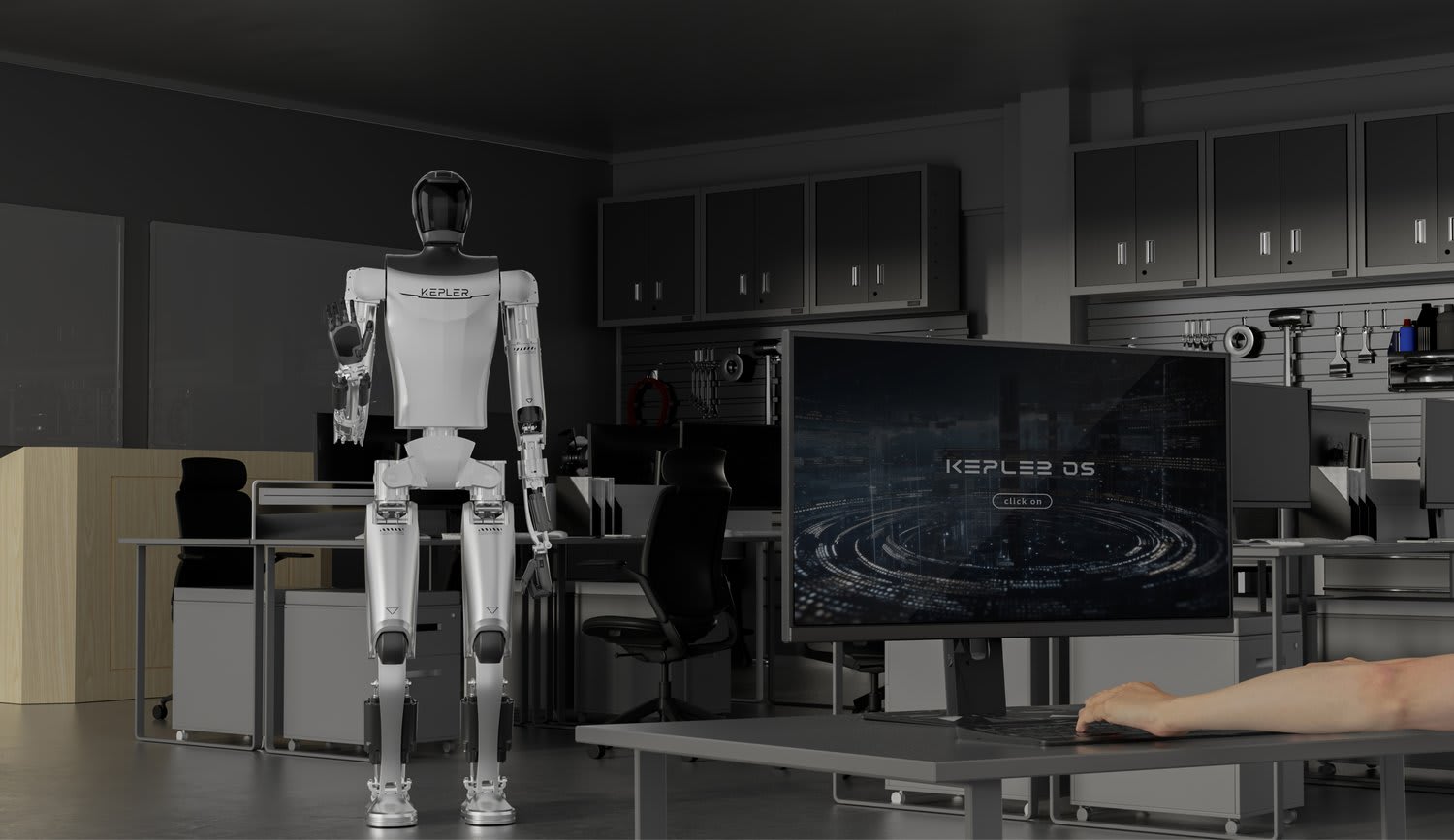
Kepler engineers cracked sim-to-real challenges using reinforcement learning in GPU-accelerated simulators like Isaac Gym and MuJoCo. Thousands of virtual models train in parallel, mimicking human walks to optimize balance, speed, and efficiency in hours. The proprietary roller screw actuators deliver high torque density and endurance, enabling disturbance-resistant stances even under pushes. This breakthrough equips the K2 for factory endurance tests, where it excels in dynamic environments, far surpassing rigid actuator limits in prior humanoids.
Factory Tasks Transformed
In warehouses, the K2 Bumblebee sorts inventory, unloads crates, and assists assembly lines with guided precision. Hazardous zones see it sealing packages or transporting tools without fatigue, while R&D labs and exhibitions showcase its versatility. Semantic commands via layered VLA+ models let operators issue voice directives for complex sequences, boosting throughput in logistics by 30% in early trials. Optional wheeled bases extend mobility for flat-floor dominance, redefining blue-collar roles across manufacturing and beyond.
Specs Dominate Industry
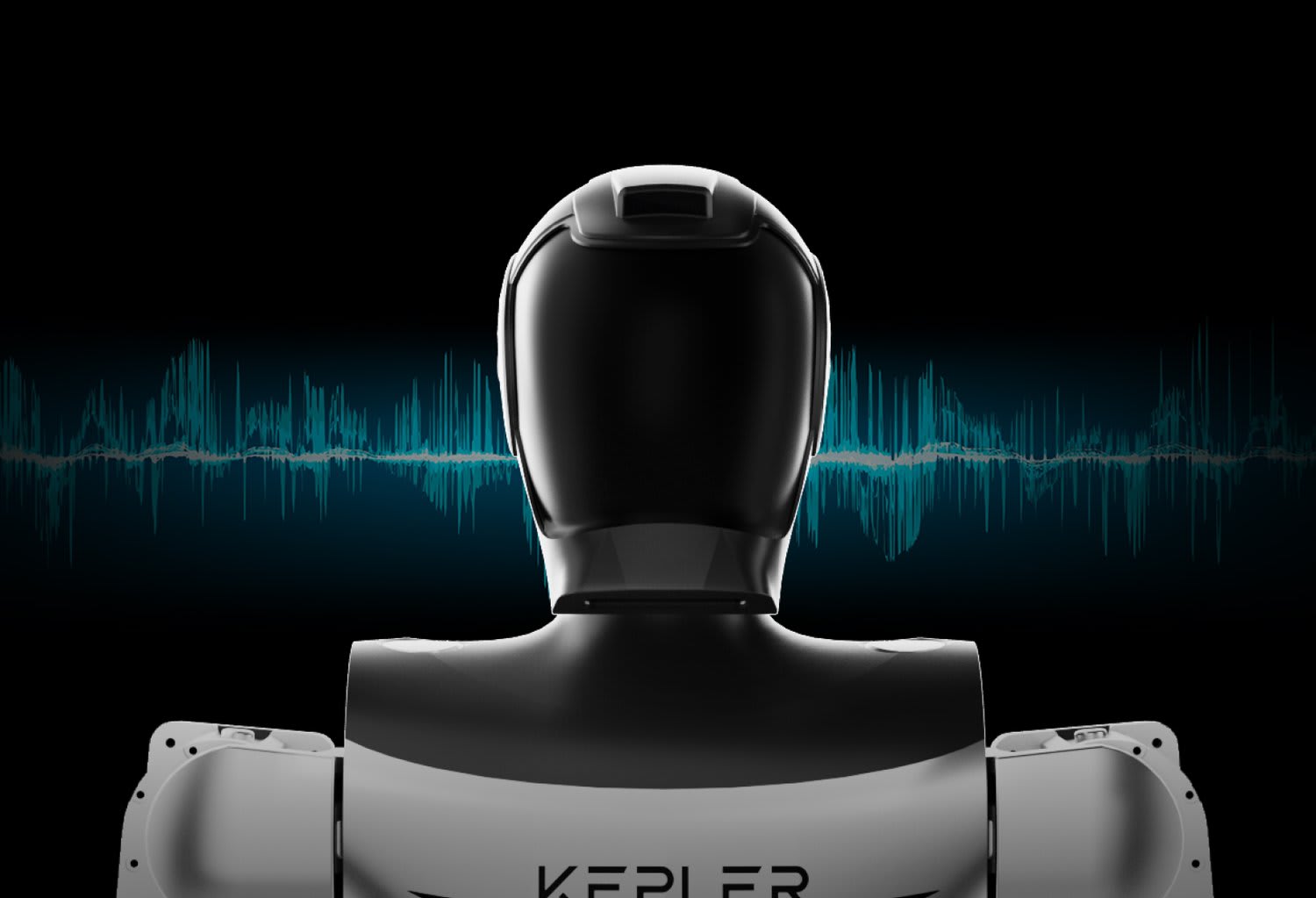
Measuring 175 cm tall, 60 cm wide, and 50 cm deep at 75 kg, the K2 cruises at 3 km/h with up to 8 hours per charge from its 2.33 kWh battery. Sensors abound: 3D cameras, fisheye lenses, 25 tactile points per finger, wrist force-torque units, IMUs, joint torque, pressure, and ultrasonic arrays. Navigation fuses LiDAR, SLAM, and GPS; Kepler OS (Linux-based, ROS-compatible) offers APIs for vision, motion, and voice. Safety includes emergency stops, obstacle avoidance, stable gaits, and force feedback, hauling packages, tools, or parts in bipedal or wheeled modes.
Rivals Outpaced
Against CLOi GuideBot's tour-focused navigation, K2 Bumblebee surges ahead with 30 kg payloads and hybrid durability for heavy factory lifts, though GuideBot edges in crowd mobility. Elf V1 Series matches dexterity but lags in 8-hour runtime versus K2's efficiency; K2 wins on industrial payloads yet trails Elf's lighter 50 kg frame for portability. 4NE-1 offers similar bipedal speed but lacks K2's roller-screw precision and open developer ecosystem. ALICE 3 prioritizes research versatility, yet K2 dominates mass production scalability and straight-knee stability for assembly lines.

Sources
Related Articles
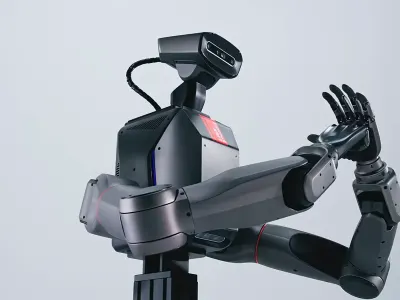
LimX’s Tron 2 Debuts Dynamic Wing‑Chun Motion, Partners with VLA for Embodied AI

Haier HIVA Haiwa Conquers Chores with 44-DoF Mastery
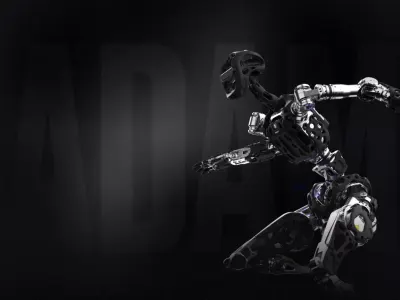
PNDbotics' Adam-U Ultra Masters Tasks in Hours

Figure 03 Delivers 400% Efficiency Surge at BMW Plant
Related Comparisons
Compare K2 Bumblebee with similar robots
K2 Bumblebee vs Green
K2 Bumblebee vs Green: Kepler's 52-DOF industrial humanoid against Sber's GigaChat-powered Green, compared on hands, sensors, battery and price.

K2 Bumblebee vs T800
Which robot wins? K2 Bumblebee vs T800 compared across speed, sensors, navigation, and price for industrial humanoid selection.
Figure 03 vs K2 Bumblebee
Compare Figure 03 and K2 Bumblebee. Detailed analysis of navigation, battery, and sensors.

Optimus vs Unitree G1
Compare Optimus vs Unitree G1 for humanoid mobility, dexterity, autonomy, and payload capacity.
Learn More About This Robot
Discover detailed specifications, reviews, and comparisons for K2 Bumblebee.
View Robot Details →