Apollo Revolutionizes Robotics with Human-Like Precision
Launching a New Era
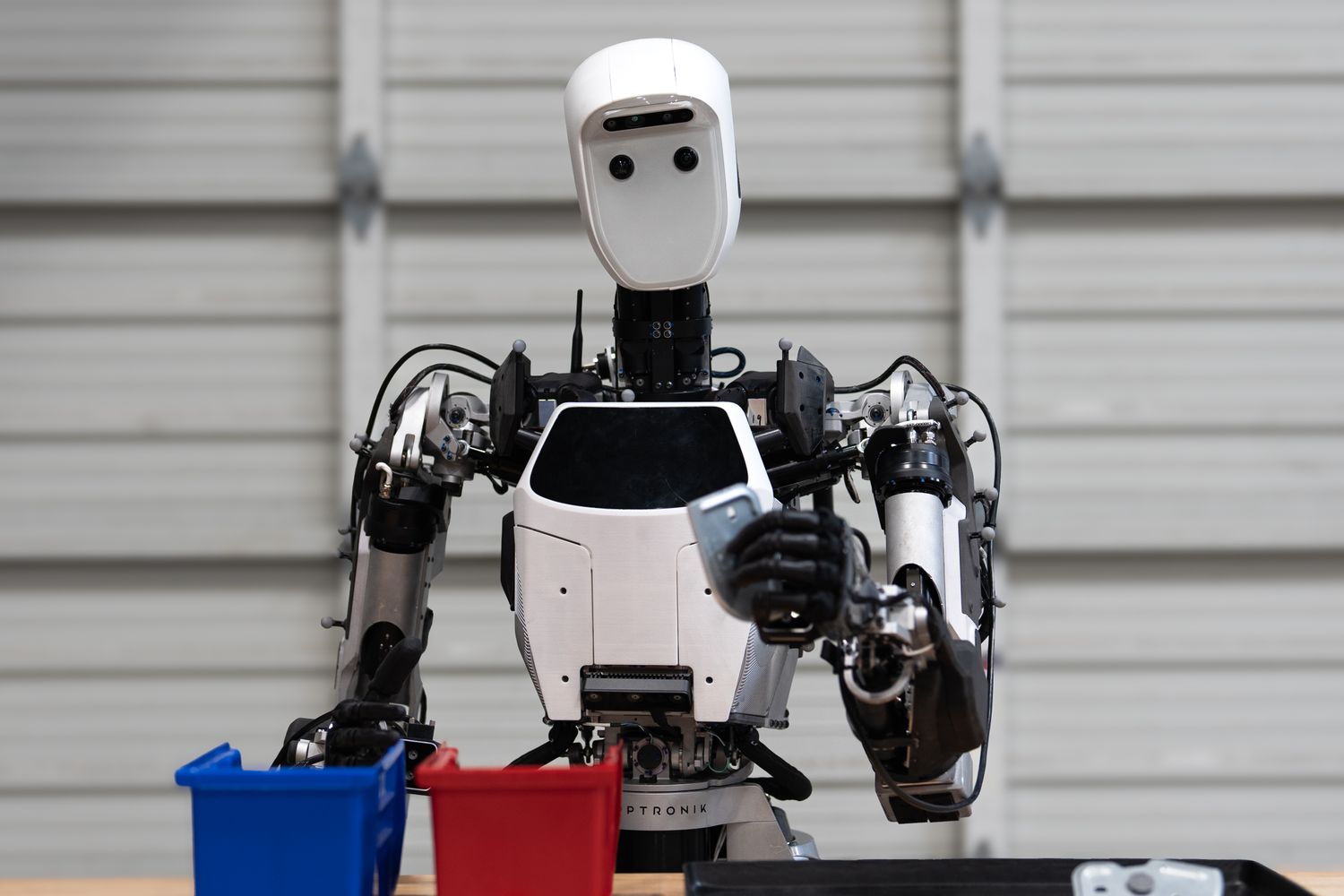
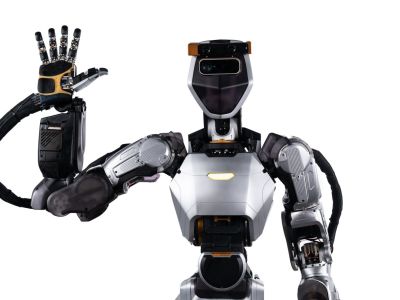
Apptronik has officially launched Apollo, a humanoid robot designed to transform industrial and commercial workflows, with availability expected by the end of 2024. Priced roughly comparable to a new car, Apollo aims to bring advanced robotics within reach of businesses seeking to automate physically demanding and complex tasks. This launch marks a significant milestone for Apptronik as it introduces a robot that blends human-like mobility with powerful lifting and manipulation capabilities, promising to reshape how industries approach automation and workforce augmentation.
Features That Set Apollo Apart
Apollo stands out with its unique combination of human-scale dimensions and modular design, enabling seamless integration into diverse environments. It boasts hot-swappable batteries offering up to four hours of operation, eliminating downtime common in many robots. Its dexterous hands replicate human manipulation with multiple degrees of freedom, allowing it to perform intricate lifting and handling. Safety is paramount, featuring collision avoidance and emergency stop systems that adapt behavior dynamically, ensuring smooth collaboration with human coworkers.
Engineering Breakthroughs Inside
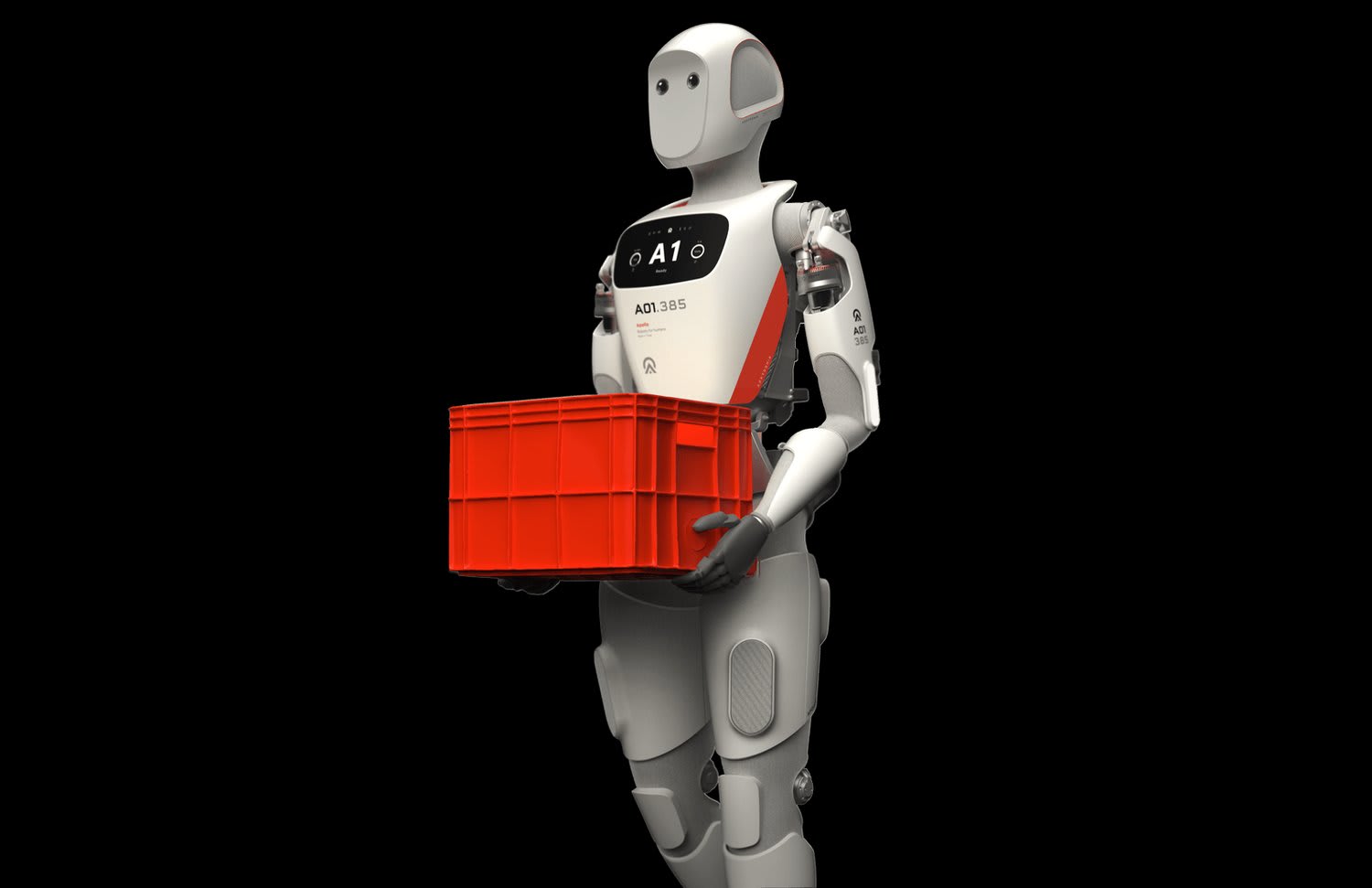
At the heart of Apollo’s innovation lies proprietary linear actuators replacing traditional rotary motors, drastically reducing mechanical complexity and cost while enhancing reliability. This leap in actuator technology delivers precise force control and fine motor skills previously unattainable at this price point. Coupled with advanced sensor arrays—including LiDAR, depth cameras, and joint force sensors—Apollo is equipped with real-time environment awareness and balance, powered by robust AI running on Linux OS and ROS-compatible frameworks, enabling adaptive learning and task execution.
Transforming Industries Today
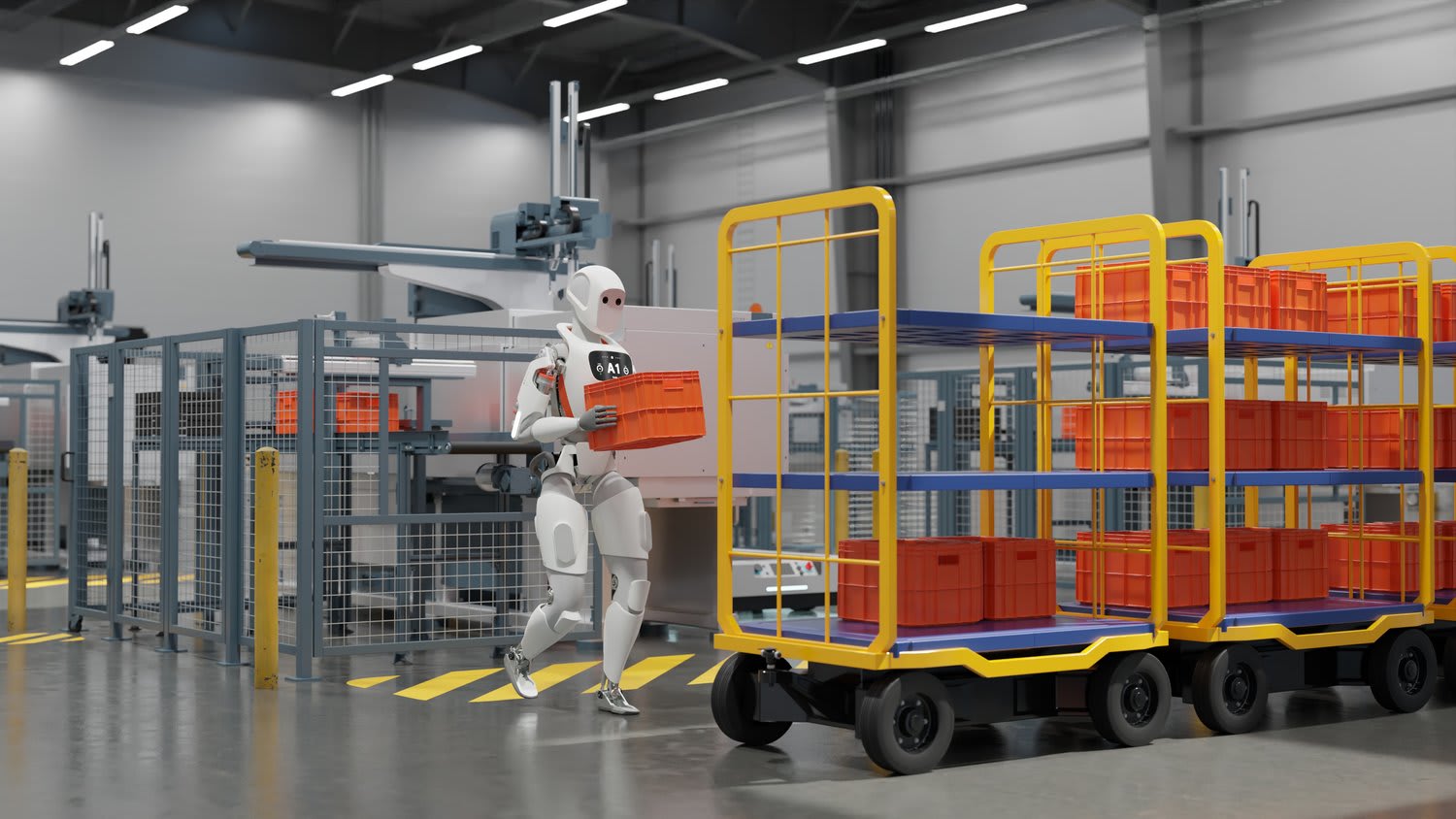
Apollo is engineered for practical impact across warehousing, manufacturing, logistics, and eldercare. Its ability to carry payloads up to 25 kilograms while navigating complex spaces makes it ideal for goods transport and repetitive industrial tasks. In eldercare, its human-like stature and sensitive force control offer potential assistance with mobility and daily activities, bridging the gap between automation and compassionate care. By functioning safely alongside humans, Apollo can reduce workplace injuries and increase operational efficiency.
Size, Speed, and Sensory Mastery
Apollo stands 1.73 meters tall, 0.60 meters wide, and 0.50 meters deep, weighing 72.6 kilograms, perfectly mimicking human proportions for versatile deployment. It moves at a steady pace of 1.5 meters per second, powered by a hot-swappable lithium-ion battery pack with an estimated runtime of four hours. Equipped with depth cameras, LiDAR, RGB cameras, IMUs, joint force-torque sensors, and temperature monitors, Apollo uses SLAM-based navigation to map and maneuver complex environments. Safety is enhanced through collision avoidance and force-control architecture, supported by a Linux OS and Apptronik’s APIs for seamless software integration.
Apollo vs. The Competition
When compared to competitors like Astribot S1, ALICE 3, AgiBot A2 Ultra, and MH3, Apollo excels in modularity and actuator innovation, offering superior reliability and cost efficiency thanks to its proprietary linear actuators. Its payload capacity and human-like size give it an edge in tasks requiring dexterity and strength. However, while Apollo’s speed and battery runtime are competitive, some rivals boast longer operational endurance or specialized functions, like ALICE 3’s advanced cognitive AI or MH3’s optimized energy consumption. Apollo’s balance of versatility and robust engineering positions it strongly, though it may trade some niche capabilities for broad applicability.
Charting Robotics’ Future
Apollo’s debut signals a pivotal moment in humanoid robotics, potentially accelerating adoption across multiple sectors by proving that human-like robots can be practical, reliable, and economically viable. Apptronik’s focus on modularity and software openness invites a wider ecosystem of developers and integrators, suggesting a future where robots like Apollo evolve rapidly through collaboration. As industries increasingly demand flexible automation that coexists safely with humans, Apollo could redefine workplace dynamics and inspire a new wave of robotic innovation aimed at enhancing productivity and human well-being.
Explore Humanoids
Related Articles
XMAN-F1 Partners Johnnie Walker, M104 for AI Bartending Breakthrough
RobotEra L7 Racing Into Warehouses: 14.4 km/h Humanoid Cuts Picking Costs with ERA‑42 Deal

Clone’s Protoclone V1 Mirrors Human Muscles with 1,000 Myofibers, 500 Sensors
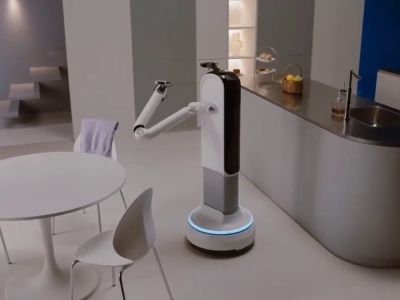
Samsung Bot Handy 2 Integrates Google Gemini, Boosts Dexterity with 3kg Dual-Arm Grip
Related Comparisons
Compare Apollo with similar robots

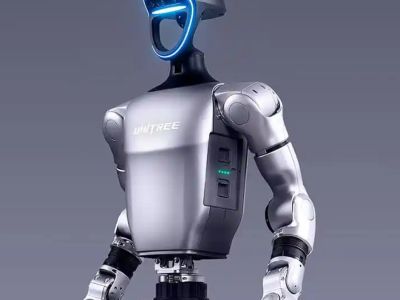
Optimus vs Unitree G1
Compare Optimus vs Unitree G1 for humanoid mobility, dexterity, autonomy, and payload capacity.
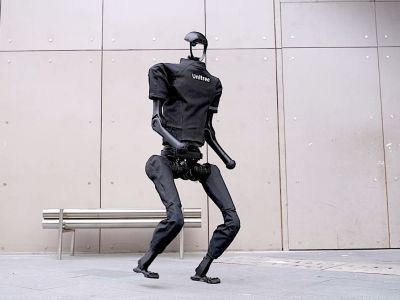
Unitree G1 vs Unitree H1
Head-to-head: Unitree G1 vs Unitree H1 compared on bipedal balance, AI learning, and real-world deployment.
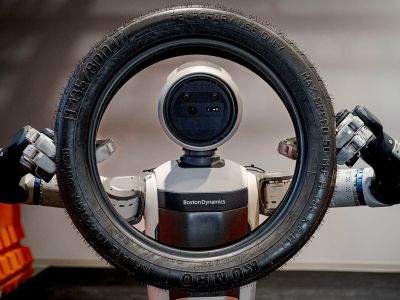
Optimus vs Atlas (Electric 2025)
In-depth comparison of Optimus and Atlas (Electric Atlas, 2025), covering hardware capabilities, teleoperation, and enterprise readiness.

Ameca vs Moya
Which humanoid robot is better? Ameca vs Moya compared for dexterity, AI capabilities, and price.
Learn More About This Robot
Discover detailed specifications, reviews, and comparisons for Apollo.
View Robot Details →