Faraday Future Launches FF Nova, a $2,490 Walking Humanoid for Developers and Schools
Robot Details
FF Futurist • Faraday FuturePublished
October 15, 2026
Reading Time
5 min read
Author
Origin Of Bots Editorial Team
A Humanoid Priced Like a Laptop
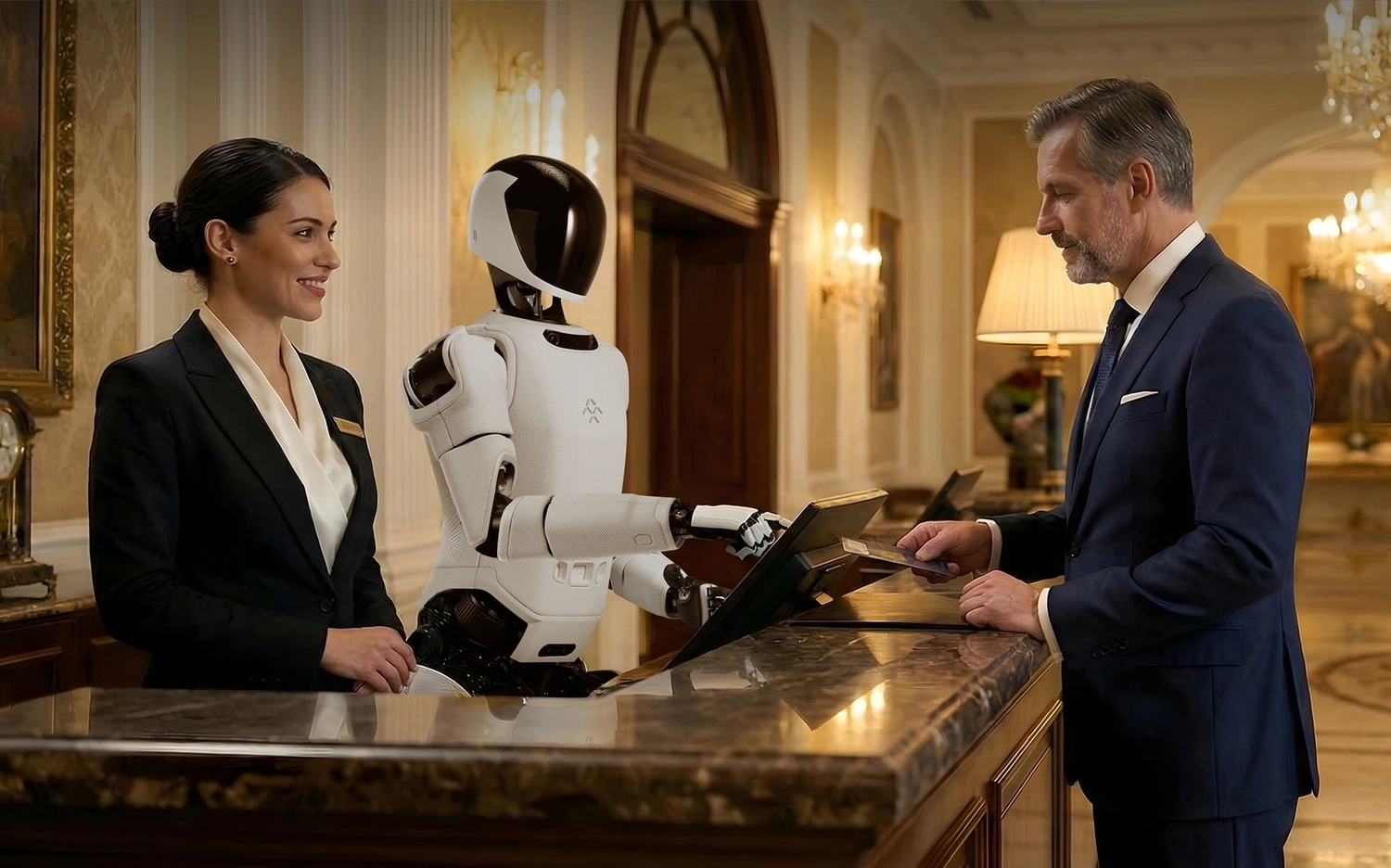
On October 15 in Los Angeles, FF EAI Robotics and its parent company Faraday Future, best known for luxury electric cars, unveiled FF Nova, a two-legged humanoid robot priced at $2,490. That is closer to the cost of a high-end laptop than a car, and it puts a walking, talking robot within reach of hobbyists, universities and schools.
Alongside it came FF Nova Mini, a palm-sized education robot weighing under a kilogram and selling for $299. Together, the pair signal a bet that the next wave of robot builders will not come only from well-funded labs, but from students, teachers and independent developers who simply want a real machine to experiment with.
What Nova Can Actually Do
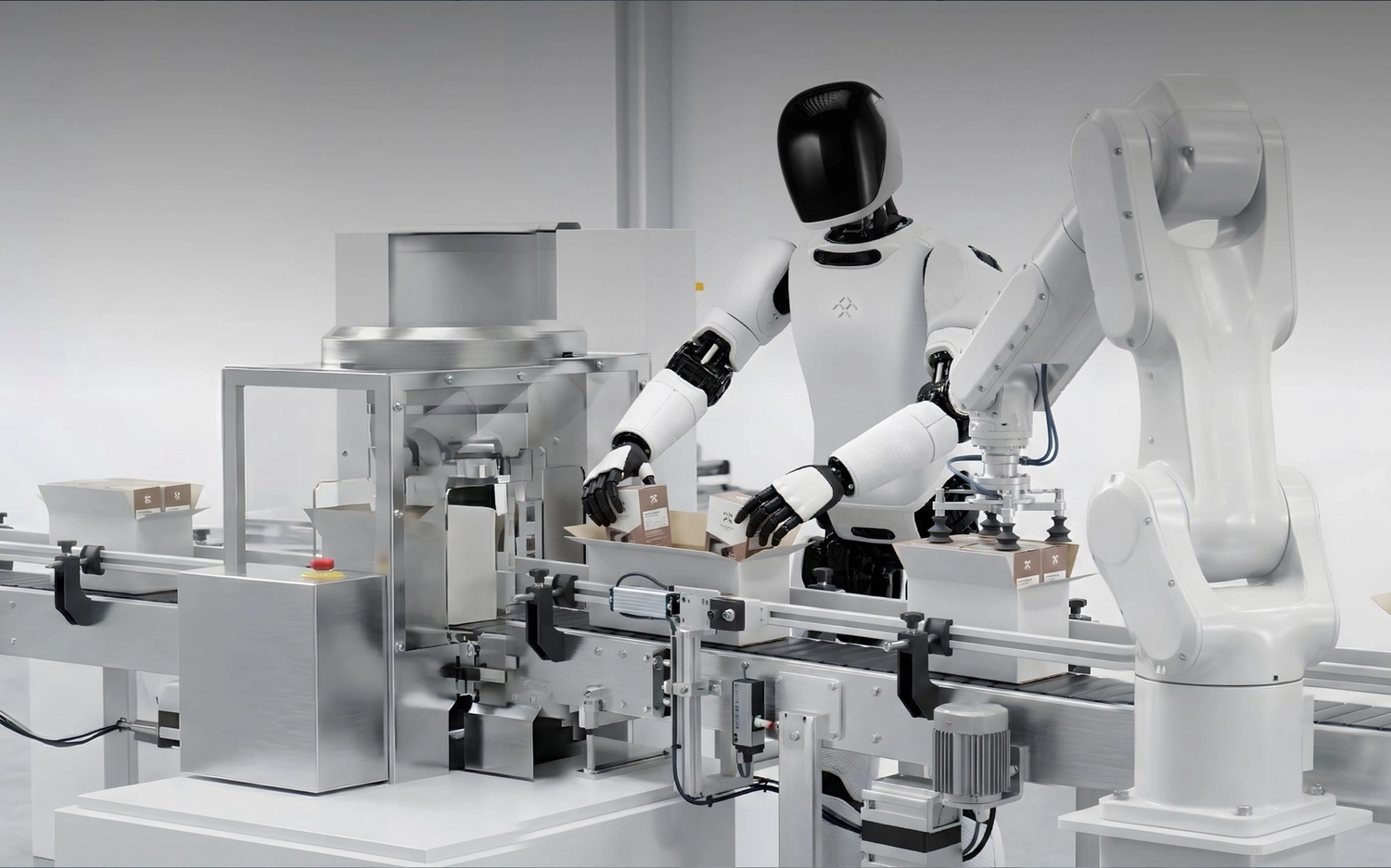
According to the company, Nova has 20 degrees of freedom, meaning 20 separate joints it can bend or rotate. That is enough to walk, turn, wave and, importantly for any beginner's robot, pick itself back up after a fall. The company has not yet published its height, weight or battery life.
Nova can also switch modes. It can stroll on its own two legs, or ride on a detachable wheeled base that lets it navigate rooms by itself. Faraday Future describes the walking and the wheeled options as two halves of one platform, so a single robot can serve both balance experiments and practical navigation projects.
Eyes, Ears and a Voice
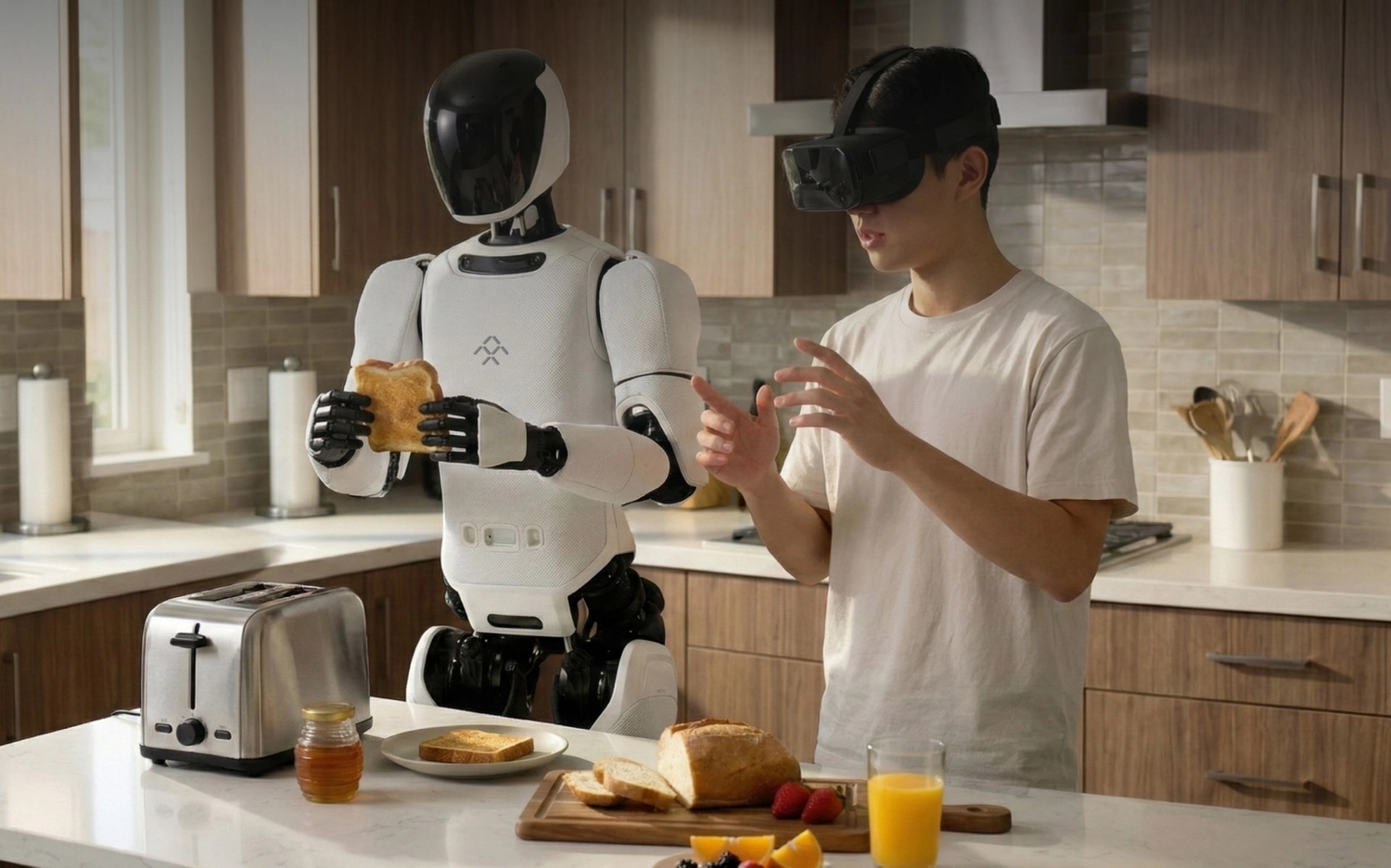
To understand its surroundings, Nova carries LiDAR, a sensor that bounces invisible laser light off objects to measure distance, plus a wide-angle camera, depth sensing and a ring of microphones. Those senses feed an onboard computer, though the company has not said which chip powers it.
Nova also connects to a large voice AI model, the same kind of technology behind modern chat assistants, so it can hold natural conversations and recognise who is speaking by their voice. Developers can plug in their own AI agents, small programs that carry out tasks, and the robot receives software upgrades over the internet.
Teaching a Robot in a Virtual Gym
The most technical part of the launch is a developer program built on NVIDIA Isaac, a widely used robot simulator. It teaches a method called reinforcement learning, where a robot practises a skill thousands of times in a virtual world and is rewarded each time it gets closer to success.
Once a skill works in simulation, developers can move it onto a physical Nova, a step engineers call sim-to-real. The program covers tuning the rewards and randomising the virtual world so the skill survives messy reality. Finished skills can be shared through a Skills Store, a kind of app store for robot abilities.
A Tiny Robot for the Classroom
Nova Mini is aimed at children aged eight and up. Built around an aluminium frame, it can walk, turn, stand up on its own, keep its balance and even perform a forward roll. Kids program it by snapping together visual code blocks, or by physically guiding its limbs to demonstrate a movement.
The company pairs the robot with a $499 course of 16 live small-group classes spread over two months, with lesson plans, classroom kits and teacher training for schools. Buyers of the course receive a voucher toward the robot itself. Nova Mini is on sale now through FF's own store and its Amazon shop.
A Slow, Invitation-Only Rollout
Nova itself will not be in every shop just yet. The first phase is invitation-only and capped at 100 units, of which 20 are ready for immediate delivery. Developers apply through FF's developer website during a seven-day window, and the company will announce who has been selected afterward.
A second phase will open sales to all developers and educational institutions, followed by a full consumer launch. Faraday Future has not given dates for either step, so for now Nova is best understood as a developer kit with a consumer future, rather than a household product you can order today.
The Deal Behind the Robot
The launch sits on top of a corporate reshuffle. On October 12, FF EAI Robotics, a Nasdaq-listed company that until recently was called AIxCrypto Holdings, agreed to buy Faraday Future's robotics business in an all-stock deal that values that business at about $200 million.
If it closes, Faraday Future would own roughly two thirds of the combined robotics company. The deal still needs shareholder approval and other conditions, and the projections behind it come from management and have not been independently checked. Chief executive Jerry Wang called the launch an important step in bringing physical AI from the laboratory to real life.
Big Promises, Open Questions
Cheap humanoids are a crowded and fast-moving field, and a low price only matters if the robot is reliable and well supported. Key details, including battery life, payload and how sturdy Nova is after repeated falls, have not been published, and independent reviews will not arrive until units reach developers.
Faraday Future has also had a turbulent history in electric cars, so buyers will be watching whether its robotics arm delivers on schedule. If it does, Nova could become one of the first humanoids that ordinary classrooms and tinkerers can afford, which may matter more for the field than any single lab breakthrough.
Explore Humanoids


Sources
Related Comparisons
Compare FF Futurist with similar robots

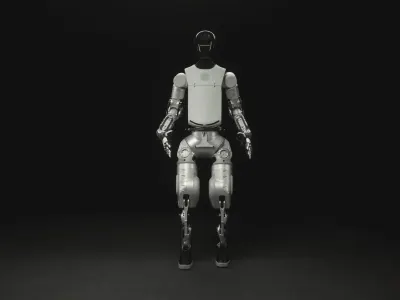
Optimus vs Unitree G1
Compare Optimus vs Unitree G1 for humanoid mobility, dexterity, autonomy, and payload capacity.
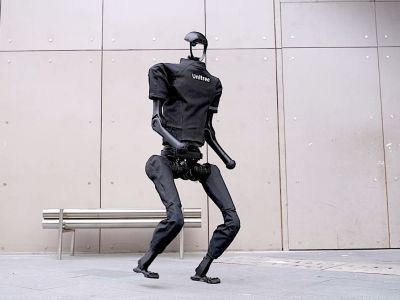
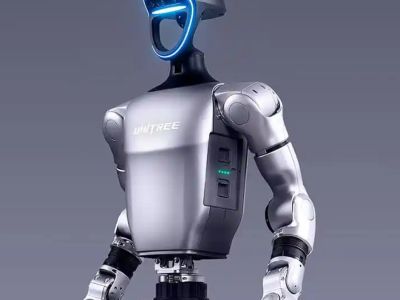
Unitree G1 vs Unitree H1
Head-to-head: Unitree G1 vs Unitree H1 compared on bipedal balance, AI learning, and real-world deployment.
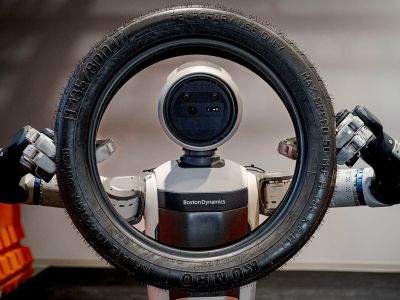
Optimus vs Atlas (Electric 2025)
In-depth comparison of Optimus and Atlas (Electric Atlas, 2025), covering hardware capabilities, teleoperation, and enterprise readiness.

Ameca vs Moya
Which humanoid robot is better? Ameca vs Moya compared for dexterity, AI capabilities, and price.
Learn More About This Robot
Discover detailed specifications, reviews, and comparisons for FF Futurist.
View Robot Details →