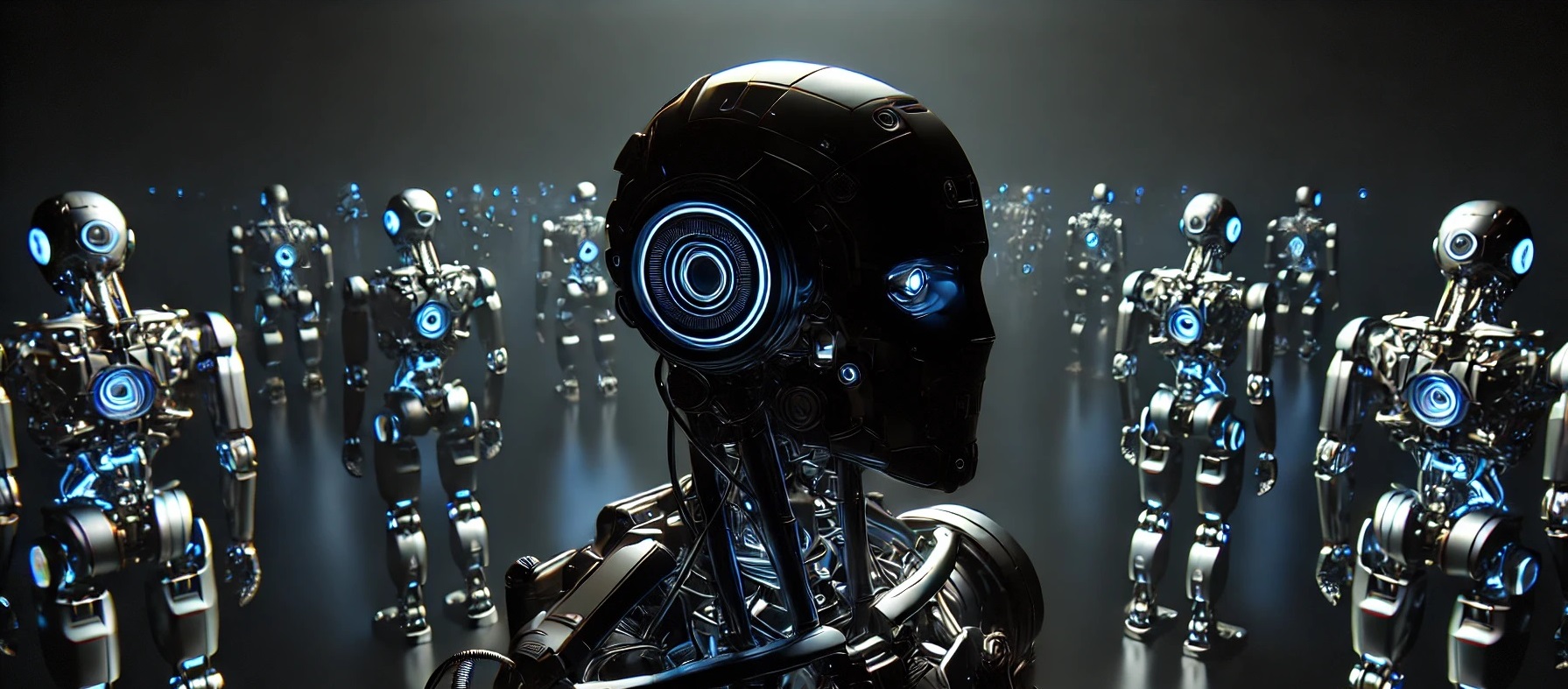
Humanoid Robots Summit Europe 2026 Opens in Stuttgart Targeting Serialized Factory Deployment
Category
humanoidPublished
September 9, 2026
Reading Time
3 min read
Author
Origin Of Bots Editorial Team
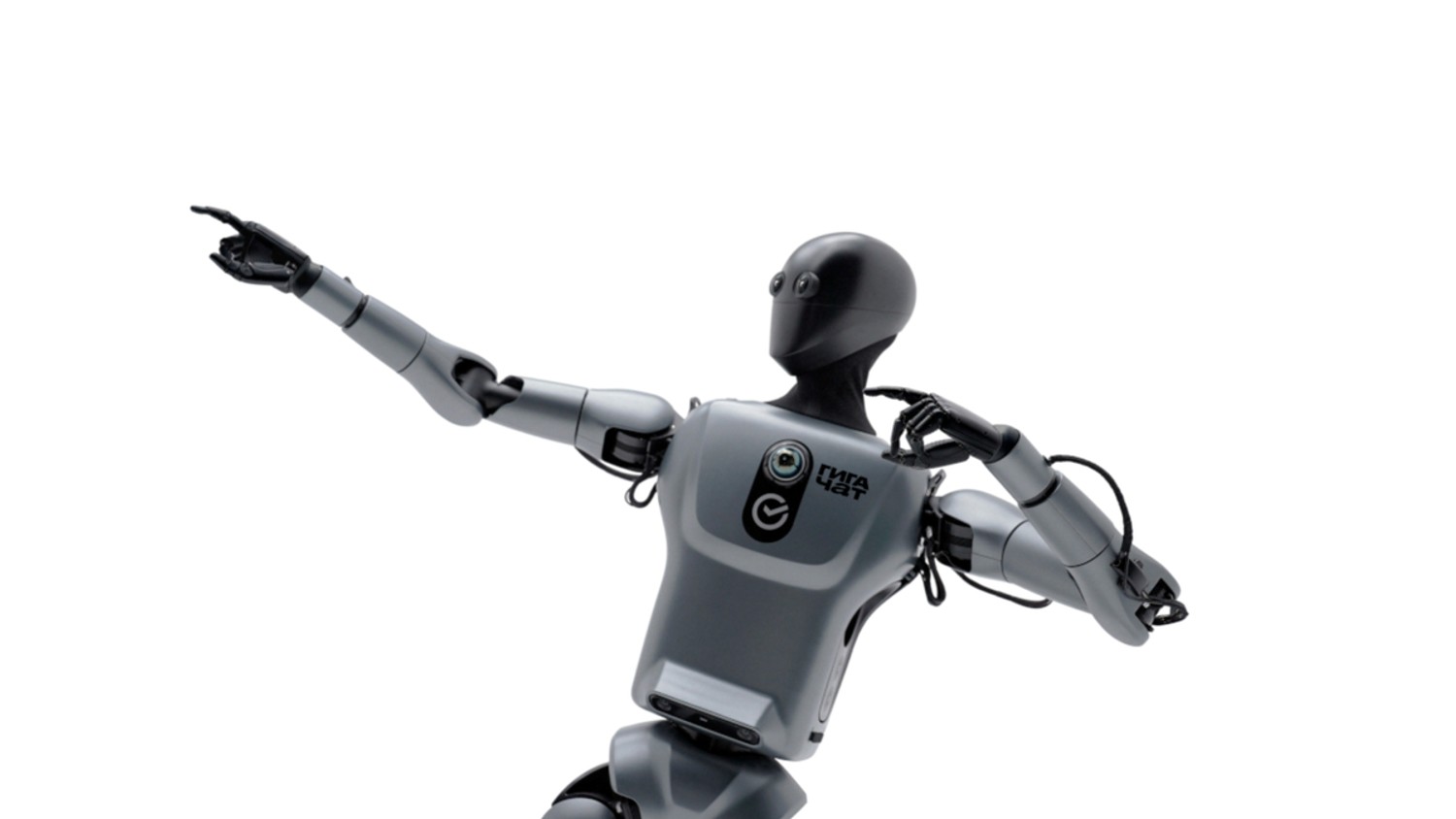
Europe's Premier Humanoid Gathering Convenes at Liederhalle
The premier gathering for industrial humanoid robotics, the Humanoid Robots Summit Europe 2026, officially opened its doors today at the Kultur- und Kongresszentrum Liederhalle in Stuttgart. Drawing more than 1,000 international delegates, 37 keynote presenters, and 40 specialized technology exhibitors, the three-day summit marks Europe’s most ambitious embodied AI event to date.
Set against the backdrop of Germany’s industrial heartland, the conference has cast aside theoretical speculation to focus squarely on commercial execution. Robotics pioneers, automotive executives, and mechatronics suppliers have convened to establish practical pathways for embedding bipedal machines into high-volume manufacturing.
PAL Robotics Showcases Industrial-Scale Dexterity and Mobile Manipulation
Leading European manufacturer PAL Robotics commanded the exhibition hall during morning demonstrations, unveiling updated mobile manipulation platforms engineered for demanding warehouse duty. The company demonstrated advanced bipedal coordination, highlighting humanoid end-effectors capable of manipulating irregular crates alongside human pickers.
PAL Robotics engineers emphasized the platform's multi-sensor navigation stack, which blends lidar SLAM with stereoscopic depth vision to safely navigate dense shop-floor corridors. The demonstration reinforced that European robotics firms are engineering machines built to withstand the rigors of heavy industrial environments.
Achieving Strict Takt-Time Synchronization on Live Assembly Lines
A central focus of today’s keynote panels was the formidable technical challenge of synchronizing humanoid physical motions with rigid automotive factory takt times. In modern automotive plants, component staging and bolt fastening must occur within a rigid 60-second operational window without impeding line flow.
Presenting engineers detailed new whole-body motor control algorithms that eliminate hesitant pauses between picking, inspecting, and securing structural components. By achieving smooth velocity trajectories and predictive grasping, humanoids are finally demonstrating cycle times competitive with trained human line workers.
Overcoming Thermal and Power Density Hurdles During Double Shifts
Beyond motion planning, technical sessions tackled the persistent physical constraints of thermal saturation and battery endurance during multi-hour operational shifts. Continuous high-torque lifting generates substantial heat within compact actuator housings, threatening premature joint wear and emergency thermal shutdowns.
Exhibiting component specialists showcased innovative phase-change cooling sleeves and ultra-dense solid-state battery packs capable of sustaining eight hours of continuous heavy lifting. Solving these thermal and energetic challenges is essential for proving that humanoids can operate across entire manufacturing shifts without frequent recharging interruptions.
Collaborative Safety Standards and European CE Mark Compliance
Given Europe's stringent workplace health and safety framework, regulatory compliance and worker protection took center stage in afternoon policy debates. Representatives from European machinery safety boards outlined updated certification guidelines for cage-free humanoid operation under the EU Machinery Directive.
The framework mandates hardware-level force-limiting joint clutches and redundant vision-based kinetic safety zones that decelerate robotic limbs when humans step near. Achieving standardized CE mark compliance is widely viewed as the prerequisite gateway for deploying bipedal machines across unionized European shop floors.
Forging Resilient Transatlantic and Domestic Component Supply Chains
The summit floor served as an active dealmaking arena, with European component makers forging strategic supply alliances with global humanoid integrators. German precision gear manufacturers and Swiss sensor developers finalized multi-year supply contracts for high-ratio strain wave reducers and 6-axis force-torque sensors.
Industry leaders emphasized the strategic necessity of establishing localized, high-resilience supply chains to insulate European manufacturing from geopolitical shocks. By cultivating domestic component expertise, European industry aims to preserve technological sovereignty while accelerating mass manufacturing.
Charting the Course for Industrial Transformation Across Europe
The opening day of the Stuttgart summit concluded on a resolute note of industrial commitment and technological ambition. Keynote speakers underscored that Europe's manufacturing survival hinges on embracing humanoid automation to counteract persistent structural labor deficits.
With major enterprise trials progressing from laboratory validation to commercial deployment agreements, the industrial landscape is undergoing permanent change. The discussions in Stuttgart demonstrate that Europe is determined not merely to participate in the humanoid revolution, but to engineer its industrial foundation.
Sources
Related Articles
Lumos Robotics positions MOS 2 as a factory-ready humanoid built for teleoperation and heavy handling
Figure AI Signs Landmark $3.5B Cloud Compute Partnership with Nscale for 100,000 NVIDIA Vera Rubin GPUs

IFA 2026 Berlin Showcases Next-Gen Commercial Humanoids: AGIBOT A3 and Xiaomi CyberOne Make European Debuts